

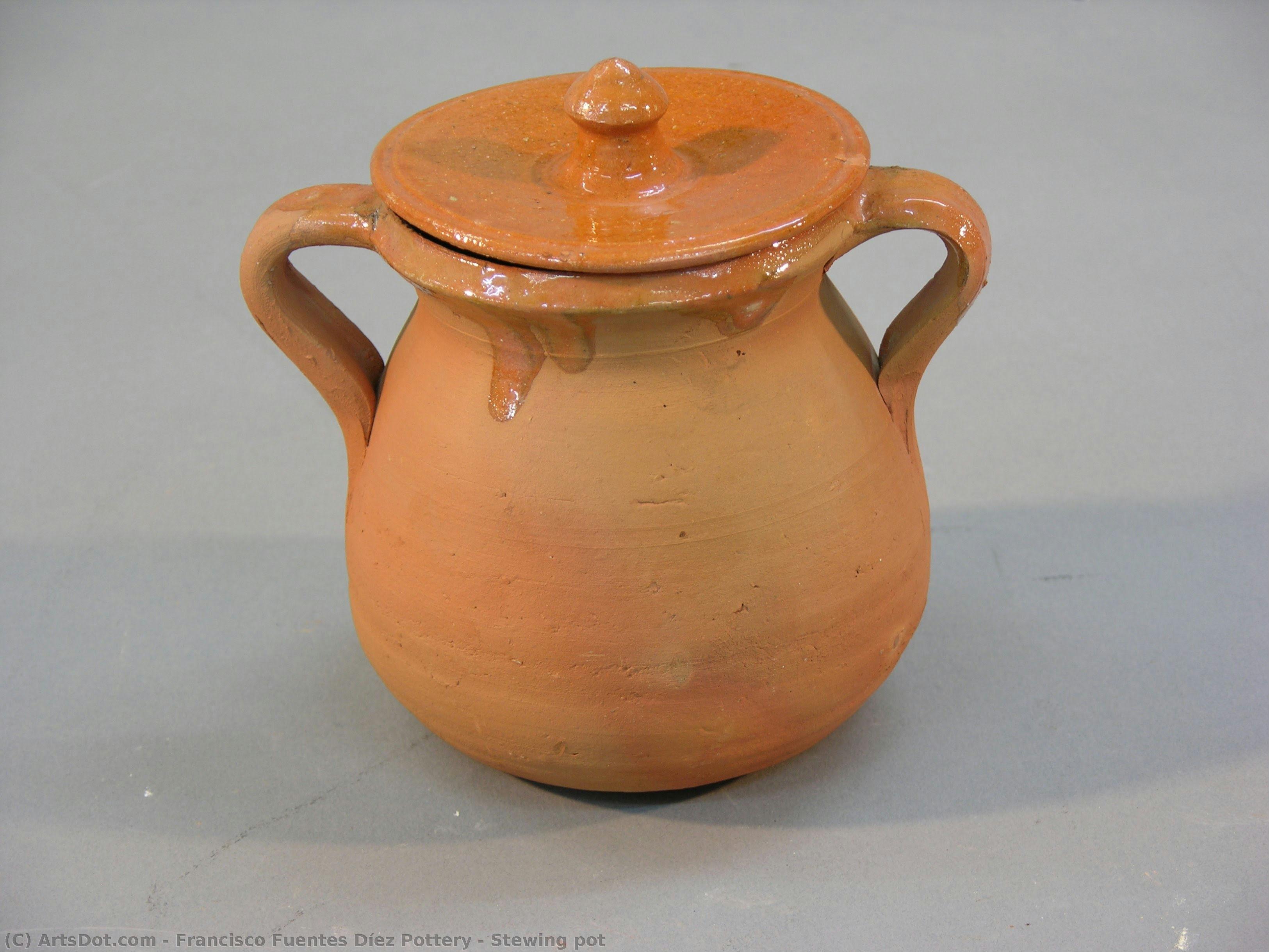
 プレビュー
プレビュー
 シェアする
シェアする シェアする
シェアする
 詳細を見る
詳細を見る

 ダウンロード
 似ている作品
 X線調査
X線調査 スライドショー
 Stats
StatsStewing pot


 詳細を見る
詳細を見る
手描き油彩複製画
当社のアーティストが、お客様のご希望のサイズと額縁に合わせて、キャンバスに手描きで制作する油彩画です。 ( Switch to Print Switch to Digital Image)




































作品のオリジナル比率に合わせた、当店の規定サイズからお選びください。

特定のフレームやスペースに合わせて、ご希望のサイズをご入力いただけます。選択されたサイズが元の画像の比率と異なる場合、アートワークをトリミングするか、手描きで要素を追加して絵画を拡張いたします。デジタルモックアップ を制作し、制作開始前にご確認(承認)をいただきます。
画面上のプレビューは、実際のトリミングや拡張を正確に反映しているものではありません。最終的な構図は、モックアップによってのみ正確にご確認いただけます。
カスタムサイズもご利用いただけますが、元の比率を維持するためには、あらかじめ用意されたリストからサイズを選択することをお勧めいたします。
ご注文後、ArtsDot.com チームより詳細な指示をお送りするとともに、仕上がりイメージ(モックアップ)をご提供いたします。


 ガラスオプションは、110cm未満のサイズでのみご利用いただけます。

Stewing pot
複製技法
複製画のサイズ
-


合計金額
$ 263
関連作品









アーティストの略歴
Anselm Kiefer: A Sculptor of German Memory
Born in Donaueschingen, Baden-Württemberg, on March 8, 1945, Anselm Kiefer’s life and art are inextricably linked to the weighty history of Germany. Raised near the Rhine River in a region steeped in folklore and tradition, he developed an early fascination with art, fueled by his name – a reference to the classical painter Anselm Feuerbach – and a childhood ambition to become an artist. His formative years were spent studying at the University of Freiburg and the Karlsruhe Academy, where he initially sought guidance from Joseph Beuys during occasional visits to Düsseldorf before ultimately relocating to France in 1992, establishing a studio in Buchen and later settling in Paris.
Kiefer’s artistic journey is marked by a profound engagement with German history, mythology, literature, and the lingering trauma of World War II. He doesn't shy away from confronting difficult subjects—the horrors of the Holocaust, the rise of Nazism, and the complexities of national identity—instead employing a visceral and often unsettling approach to explore these themes. His work is not simply historical documentation; it’s an active dialogue with the past, a deliberate excavation of buried memories and suppressed narratives.
Materials and Techniques: A Language of Texture
Kiefer's artistic process is as distinctive as his subject matter. He rejects traditional painting techniques in favor of a highly idiosyncratic methodology that incorporates a wide range of unconventional materials. Straw, ash, clay, lead, shellac, and even blood are frequently employed, creating layered surfaces that evoke the weight and texture of history itself. These materials aren’t merely decorative; they carry symbolic significance, reflecting the fragility, decay, and resilience inherent in his chosen subjects.
His large-scale works often involve building up layers upon layers of these materials – sometimes painstakingly by hand, other times using industrial processes like pressing or casting. The resulting surfaces are deeply textured, almost sculptural in their complexity. He frequently employs a technique of scraping and burning, further emphasizing the materiality of his work and creating a sense of destruction and reconstruction. This deliberate manipulation of materials is central to Kiefer’s artistic language, transforming them into potent symbols of memory and trauma.
Themes and Influences: Celan, Wagner, and Beyond
Kiefer's artistic vision has been profoundly shaped by several key influences. The poetry of Paul Celan, particularly his haunting poem “Todesfuge” (“Death Fugue”), served as a crucial catalyst for exploring themes of loss, guilt, and the enduring legacy of the Holocaust. The cyclical nature of history, the manipulation of propaganda during the Third Reich, and the struggle to come to terms with the past are recurring motifs in his work.
Beyond Celan, Kiefer draws inspiration from a diverse range of sources – Wagner’s *Ring* cycle, Goethe's poetry, the mythical mountain resting place of Emperor Frederick I (Barbarossa), and the landscapes of the Black Forest. He frequently incorporates elements of German folklore and mythology, layering them with historical references to create complex and ambiguous narratives. His work is often described as Neo-Expressionist, yet it transcends simple categorization, incorporating elements of Symbolism and Surrealism.
Key Works and Historical Significance
Throughout his career, Kiefer has produced a vast body of work encompassing paintings, sculptures, installations, and collages. Notable works include *Schneeschmelze im Odenwald Winter ade* (Snowmelt in the Black Forest, Winter Ade), a monumental painting depicting a flooded landscape reminiscent of the devastation caused by the floods of 1943-45; *Margarete*, inspired by Celan’s poem and exploring themes of guilt and responsibility; and *Neue Wilden*, a series of paintings referencing the “New Wilds” movement in German art history.
Kiefer's work has been widely exhibited internationally, earning him critical acclaim and establishing him as one of the most important artists of his generation. He is recognized for his unflinching honesty, his willingness to confront difficult subjects, and his innovative use of materials. His exploration of German history and memory continues to resonate deeply with audiences today, prompting reflection on the past and its enduring impact on the present. His work remains a powerful testament to the complexities of national identity and the ongoing struggle to grapple with the legacies of trauma.
francisco fuentes díez pottery
1945 - 2019 , Spain
基本情報
- Artistic Movement Or Style: Neo-Expressionism
- Artists Or Movements Influenced By This Artist: ['New Symbolism']
- Artists Who Influenced This Artist: ['Joseph Beuys']
- Date Of Birth: March 8, 1945
- Full Name: Anselm Kiefer
- Nationality: German
- Notable Artworks:
- Schneeschmelze im Odenwald Winter ade
- Margarete
- Scheiden tut
- Place Of Birth: Donaueschingen, Germany