

 プレビュー
プレビュー
 プリントを購入
 シェアする
シェアする シェアする
シェアする
 詳細を見る
詳細を見る

 ダウンロード
 似ている作品
 X線調査
X線調査 スライドショー
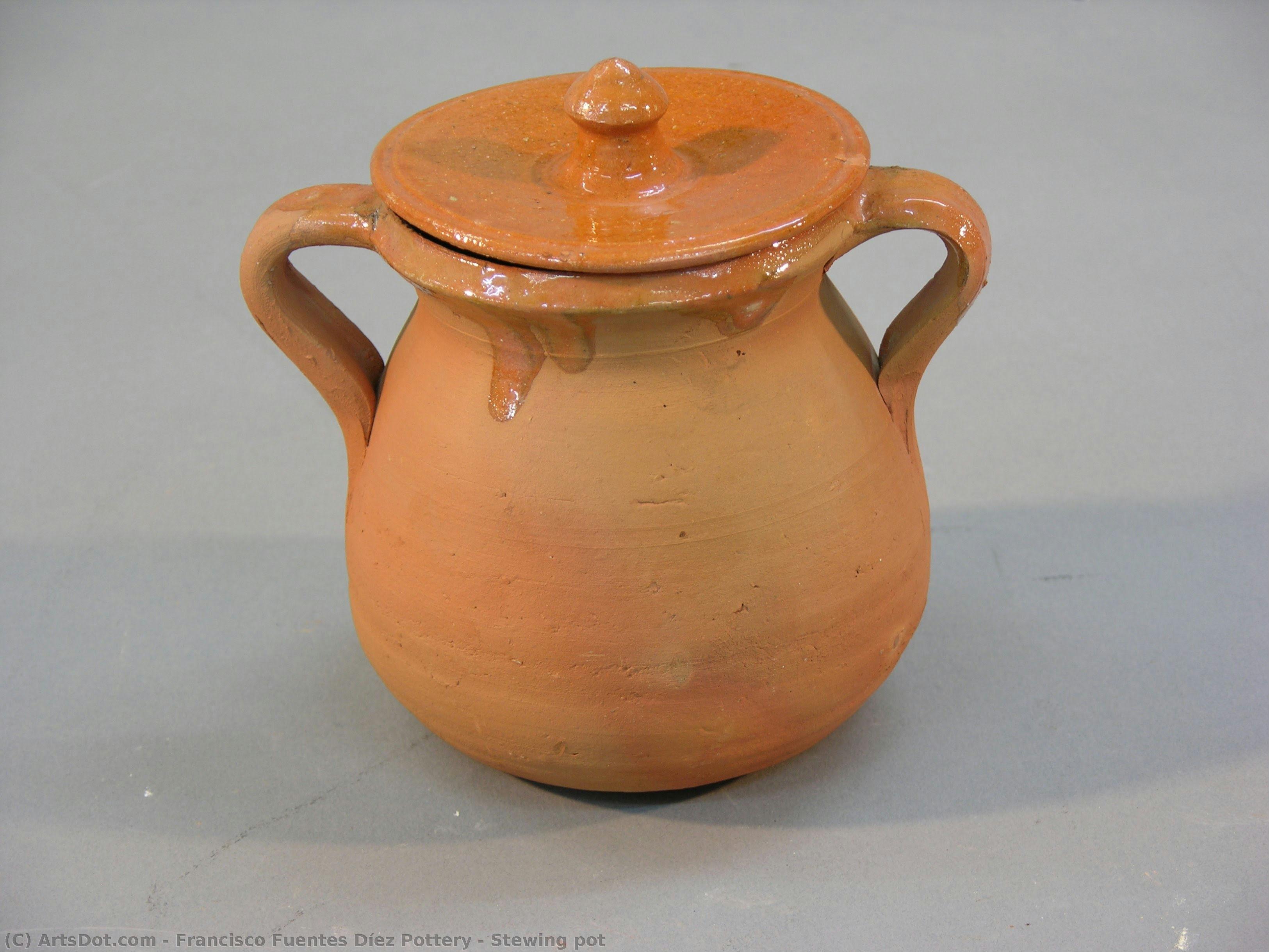
Stewing pot


 詳細を見る
詳細を見る
オンラインプレビューをはるかに凌ぐ、高解像度で鮮明なデジタル画像をご購入いただけます。
各ファイルは、社内の専門家が高度なツールと熟練した手作業によるレタッチを用いて、細心の注意を払って準備されています。すべての画像において、卓越した鮮明度、正確な色彩再現性、そして繊細なディテールを保証いたします。
最終ファイルは、プロフェッショナルな編集・印刷環境ですぐにご利用いただけるよう最適化された状態で、72時間以内にメールにてお届けいたします。これは、一流のデザインスタジオ、出版社、ギャラリーから信頼されているものと同等の品質です。
デジタル画像のご注文に付随する特典
高品質なデジタル画像配信を、確かな品質で。
ArtsDot.com を選ぶことは、単に画像を手に入れることではありません。それは、プロの手によって精密に仕上げられ、満足保証が付いた高品質なデジタルアートワークを受け取ることを意味します。ご注文いただいた際に自動的に付随する内容は、以下の通りです:

メールですぐにお届け
ご注文から72時間以内に、高解像度のデジタル画像ファイルがメールでお手元に届きます。すぐにそのままご利用いただけます。

AI技術で最適化されたデジタルファイル
お客様の作品は、高度なAIツールと専門家による手作業の編集を組み合わせてプロフェッショナルに最適化されており、細部のディテール、鮮明さ、そして正確な色再現性を最大限に引き出しています。

一生涯無料の再送サービス
ファイルを誤って削除したり、紛失してしまったりしましたか?ご安心ください。いつでも無料で再送いたします。

輸入手数料は一切かかりません
関税や手数料、配送料を気にすることなく、お気に入りのアートワークをすぐにお楽しみいただけます。デジタルダウンロードは常に免税です。

色彩再現の保証
プロ仕様のツールとカラーマネジメント技術を用いることで、デジタル画像が元の色を最大限に忠実に再現することを保証いたします。

100日間満足保証
ご購入いただいたデジタル画像にご満足いただけない場合は、100日以内であれば、理由を問わず修正または100%の返金対応をさせていただきます。

100% 返金保証
ご満足いただけない場合は、デジタルファイルを受け取ってから100日以内であれば、理由を問わず全額返金いたします。

まとめ買い割引
3枚購入で10%OFF - 5枚購入で15%OFF - 10枚以上購入で20%OFF。クリエイティブなプロジェクト、ギャラリー、エージェンシーに最適です。
関連作品









作家の略歴
Anselm Kiefer: A Sculptor of German Memory
Born in Donaueschingen, Baden-Württemberg, on March 8, 1945, Anselm Kiefer’s life and art are inextricably linked to the weighty history of Germany. Raised near the Rhine River in a region steeped in folklore and tradition, he developed an early fascination with art, fueled by his name – a reference to the classical painter Anselm Feuerbach – and a childhood ambition to become an artist. His formative years were spent studying at the University of Freiburg and the Karlsruhe Academy, where he initially sought guidance from Joseph Beuys during occasional visits to Düsseldorf before ultimately relocating to France in 1992, establishing a studio in Buchen and later settling in Paris.
Kiefer’s artistic journey is marked by a profound engagement with German history, mythology, literature, and the lingering trauma of World War II. He doesn't shy away from confronting difficult subjects—the horrors of the Holocaust, the rise of Nazism, and the complexities of national identity—instead employing a visceral and often unsettling approach to explore these themes. His work is not simply historical documentation; it’s an active dialogue with the past, a deliberate excavation of buried memories and suppressed narratives.
Materials and Techniques: A Language of Texture
Kiefer's artistic process is as distinctive as his subject matter. He rejects traditional painting techniques in favor of a highly idiosyncratic methodology that incorporates a wide range of unconventional materials. Straw, ash, clay, lead, shellac, and even blood are frequently employed, creating layered surfaces that evoke the weight and texture of history itself. These materials aren’t merely decorative; they carry symbolic significance, reflecting the fragility, decay, and resilience inherent in his chosen subjects.
His large-scale works often involve building up layers upon layers of these materials – sometimes painstakingly by hand, other times using industrial processes like pressing or casting. The resulting surfaces are deeply textured, almost sculptural in their complexity. He frequently employs a technique of scraping and burning, further emphasizing the materiality of his work and creating a sense of destruction and reconstruction. This deliberate manipulation of materials is central to Kiefer’s artistic language, transforming them into potent symbols of memory and trauma.
Themes and Influences: Celan, Wagner, and Beyond
Kiefer's artistic vision has been profoundly shaped by several key influences. The poetry of Paul Celan, particularly his haunting poem “Todesfuge” (“Death Fugue”), served as a crucial catalyst for exploring themes of loss, guilt, and the enduring legacy of the Holocaust. The cyclical nature of history, the manipulation of propaganda during the Third Reich, and the struggle to come to terms with the past are recurring motifs in his work.
Beyond Celan, Kiefer draws inspiration from a diverse range of sources – Wagner’s *Ring* cycle, Goethe's poetry, the mythical mountain resting place of Emperor Frederick I (Barbarossa), and the landscapes of the Black Forest. He frequently incorporates elements of German folklore and mythology, layering them with historical references to create complex and ambiguous narratives. His work is often described as Neo-Expressionist, yet it transcends simple categorization, incorporating elements of Symbolism and Surrealism.
Key Works and Historical Significance
Throughout his career, Kiefer has produced a vast body of work encompassing paintings, sculptures, installations, and collages. Notable works include *Schneeschmelze im Odenwald Winter ade* (Snowmelt in the Black Forest, Winter Ade), a monumental painting depicting a flooded landscape reminiscent of the devastation caused by the floods of 1943-45; *Margarete*, inspired by Celan’s poem and exploring themes of guilt and responsibility; and *Neue Wilden*, a series of paintings referencing the “New Wilds” movement in German art history.
Kiefer's work has been widely exhibited internationally, earning him critical acclaim and establishing him as one of the most important artists of his generation. He is recognized for his unflinching honesty, his willingness to confront difficult subjects, and his innovative use of materials. His exploration of German history and memory continues to resonate deeply with audiences today, prompting reflection on the past and its enduring impact on the present. His work remains a powerful testament to the complexities of national identity and the ongoing struggle to grapple with the legacies of trauma.
francisco fuentes díez pottery
1945 - 2019 , Spain
プロフィール概要
- Artistic Movement Or Style: Neo-Expressionism
- Artists Or Movements Influenced By This Artist: ['New Symbolism']
- Artists Who Influenced This Artist: ['Joseph Beuys']
- Date Of Birth: March 8, 1945
- Full Name: Anselm Kiefer
- Nationality: German
- Notable Artworks:
- Schneeschmelze im Odenwald Winter ade
- Margarete
- Scheiden tut
- Place Of Birth: Donaueschingen, Germany