

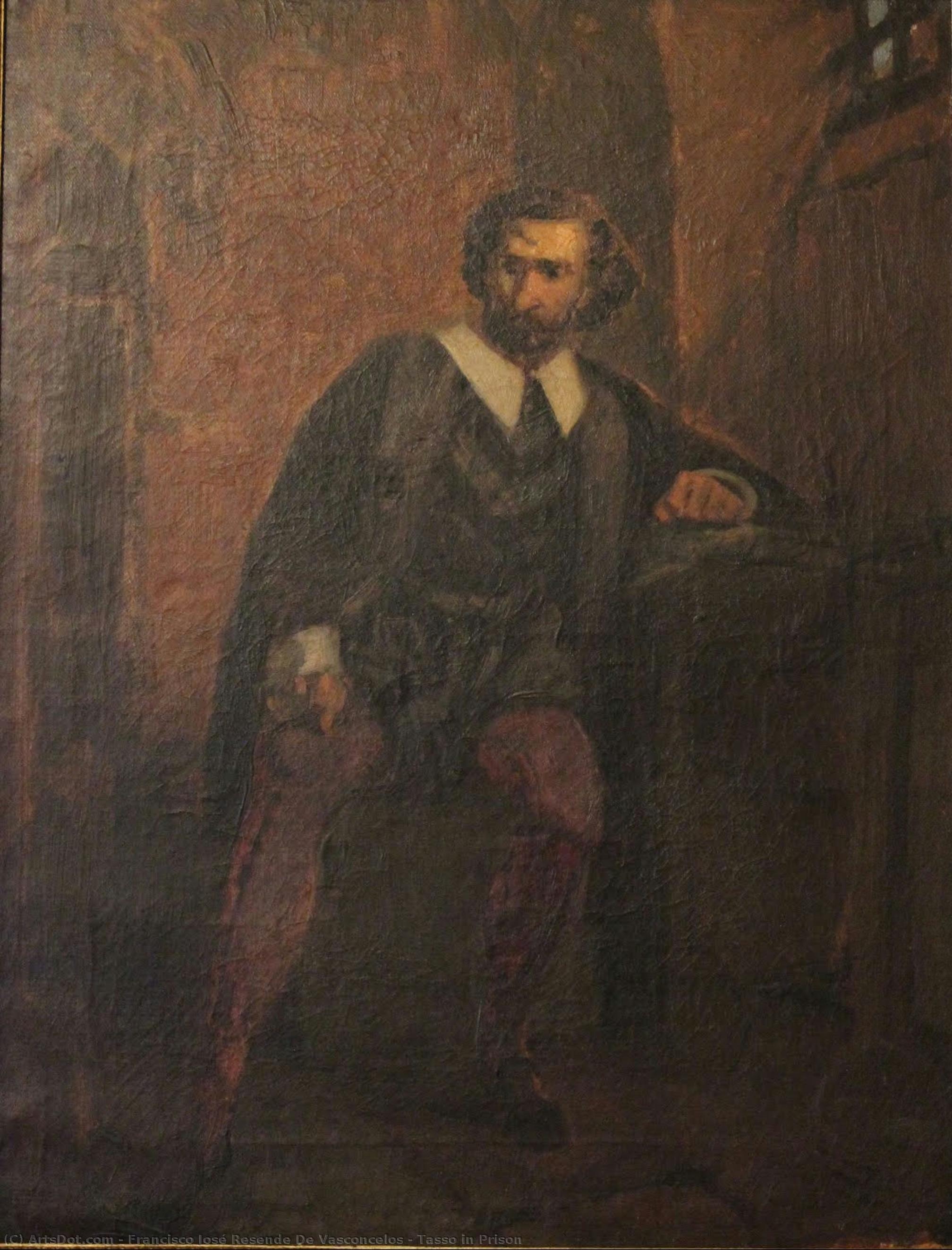
 プレビュー
プレビュー
 シェアする
シェアする シェアする
シェアする
 詳細を見る
詳細を見る

 ダウンロード
 似ている作品
 X線調査
X線調査 スライドショー
 統計情報
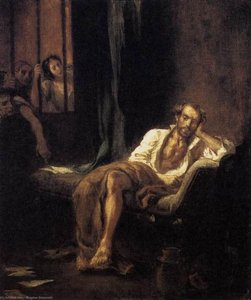
統計情報Tasso in Prison


 詳細を見る
詳細を見る
手描き油彩複製画
当社のアーティストが、お客様のご希望のサイズと額縁に合わせて、キャンバスに手描きで制作する油彩画です。 ( プリント版に切り替え デジタル画像販売へ切り替え)




































作品のオリジナル比率に合わせた、当店の規定サイズからお選びください。

特定のフレームやスペースに合わせて、ご希望のサイズをご入力いただけます。選択されたサイズが元の画像の比率と異なる場合、アートワークをトリミングするか、手描きで要素を追加して絵画を拡張いたします。デジタルモックアップ を制作し、制作開始前にご確認(承認)をいただきます。
画面上のプレビューは、実際のトリミングや拡張を正確に反映しているものではありません。最終的な構図は、モックアップによってのみ正確にご確認いただけます。
カスタムサイズもご利用いただけますが、元の比率を維持するためには、あらかじめ用意されたリストからサイズを選択することをお勧めいたします。
ご注文後、ArtsDot.com チームより詳細な指示をお送りするとともに、仕上がりイメージ(モックアップ)をご提供いたします。


 ガラスオプションは、110cm未満のサイズでのみご利用いただけます。

Tasso in Prison
複製技法
複製画のサイズ
-


合計金額
$ 263
関連作品
アーティストの略歴
Jacques-Louis David: A Revolutionary Vision
Born in Strasbourg, Alsace (then part of France) in 1748, Jacques-Louis David emerged as a pivotal figure during the tumultuous era of the French Revolution and its immediate aftermath. His life and career were inextricably linked to the shifting political landscape of his time, reflecting both the ideals of republicanism and the anxieties surrounding social upheaval. Initially trained as a painter by his father, Jean-Baptiste David, a portraitist, Jacques-Louis honed his skills in meticulous draftsmanship and classical composition – disciplines inherited from the traditions of Flemish art. However, it was his encounter with the revolutionary fervor sweeping through France that truly shaped his artistic trajectory, transforming him from a skilled craftsman into a propagandistic force for radical change.
David’s early works demonstrated a commitment to Neoclassicism, drawing inspiration from the idealized forms and balanced compositions of ancient Greek and Roman art. He meticulously studied the works of masters like Poussin and Claude Lorrain, striving to emulate their technical precision and moralizing themes. Yet, as the Revolution gained momentum, David’s artistic sensibilities underwent a dramatic shift. He embraced the revolutionary cause with unwavering zeal, becoming an ardent supporter of Robespierre and the Committee of Public Safety. This commitment manifested most powerfully in his monumental history paintings, which served as potent symbols of republican virtue and sacrifice.
The Revolutionary Years: Propaganda and Spectacle
David’s artistic output during the Revolution is arguably his most significant contribution to art history. He produced a series of works designed not merely to depict historical events but to actively shape public opinion and reinforce revolutionary ideals. *The Oath of the Horatii* (1784), initially conceived as a private commission, was swiftly repurposed by David himself to embody the virtues of patriotism and self-sacrifice – qualities deemed essential for the new republic. The painting’s stark realism, dramatic lighting, and carefully arranged figures powerfully conveyed the message of duty above personal concerns.
However, it was *The Death of Marat* (1793) that cemented David's reputation as a revolutionary artist. This brutally realistic depiction of Jean-Paul Marat’s assassination served as a rallying cry for the Jacobins and a potent symbol of martyrdom. The painting’s stark composition, emphasizing Marat’s lifeless body and the bloodstained sheet, evoked a visceral response in viewers, solidifying David's role as the official propagandist of the Revolution. He continued to produce works such as *The Death of Socrates* (1787) and *The Intervention of the Sabine Women* (1793), each imbued with revolutionary symbolism and designed to inspire civic virtue.
Exile and Artistic Reassessment
Following Robespierre’s downfall in 1794, David found himself increasingly out of favor. Accused of counter-revolutionary sympathies, he was forced into exile in Trieste and later Zurich. During this period of self-imposed isolation, David underwent a profound artistic reassessment. He abandoned the overtly propagandistic style of his revolutionary years and began to explore more personal themes – portraits, mythological subjects, and scenes from classical literature.
His return to France in 1800 marked a significant turning point. He was commissioned by Napoleon Bonaparte to paint *The Coronation of Napoleon* (1805-1807), a monumental work that showcased his technical mastery and reaffirmed his allegiance to the Emperor. This painting, while undeniably grand in scale, reflected a shift away from the radicalism of his earlier years. It demonstrated a renewed interest in classical grandeur and imperial authority, aligning with Napoleon’s ambitions for an empire reminiscent of ancient Rome.
Late Career and Legacy
Despite the changing political climate, David continued to work prolifically throughout his later life, producing portraits, historical paintings, and decorative panels. He remained a prominent figure in Parisian art circles, though his revolutionary past often cast a shadow over his reputation. His late works, such as *The Judgment of Plato* (1810-1812), reveal a continued engagement with philosophical themes but also demonstrate a growing sense of melancholy and disillusionment.
Jacques-Louis David’s legacy is complex and multifaceted. He remains one of the most influential artists of the 18th and 19th centuries, renowned for his technical skill, dramatic compositions, and profound impact on European art. His work served as a powerful tool for political propaganda during the French Revolution, shaping public opinion and solidifying revolutionary ideals. While his artistic style evolved over time, reflecting the shifting political landscape of his era, David’s enduring contribution lies in his ability to capture the drama and intensity of human experience – both heroic and tragic – with unparalleled skill and conviction.
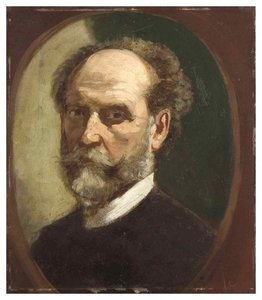
francisco josé resende de vasconcelos
1825 - 1893 , Portugal
基本情報
- Artistic Movement Or Style: Hudson River School
- Artists Or Movements Influenced By This Artist: ['George Inness']
- Artists Who Influenced This Artist:
- Claude Lorrain
- Salvator Rosa
- Date Of Birth: 1825
- Date Of Death: 1894
- Full Name: George Inness
- Nationality: American
- Notable Artworks:
- A Bit of the Roman Aqueduct
- Old Wood Choppers
- Place Of Birth: Pineville, NY
関連記事

ゴヤ傑作25選:スペインの魂を揺さぶる、深遠な芸術の世界 | ArtsDot
ゴヤ傑作25選:ロマン主義を代表するスペインの巨匠、フランシスコ・デ・ゴヤの世界へ。黒衣の女からマハまで、魂を揺さぶる絵画の物語と技法を紐解きます。ArtsDotで高品質なアートレプリカを見つけ、インテリアに深みと風格を。今すぐコレクションをご覧ください。

Romantic Realism's Finest: 10 Masterpieces for Your Home | ArtsDot
Explore 10 defining masterpieces of Romantic Realism! Discover Courbet, Millet & Daumier's powerful paintings—capturing emotion and social realities. Find museum-quality reproductions for your home at ArtsDot.com.

ロマン派ランドスケープ:時代を彩る巨匠の10選|アートとインテリアの世界
ロマン派絵画の時代を彩る10選。巨匠たちの風景が織りなす感動の世界へ。ターナー、ルーベンスなど、名作の裏話と高精細複製でアートをお部屋に。ArtsDot.comで至福のアート体験を。

The Allure of Romantic Vibe in Artwork: A Historical & Psychological Exploration
Explore the captivating world of Romantic art! Discover its history, psychological depth, key artists like Friedrich & Goya, and find timeless pieces for your collection at ArtsDot.com.
Romantic Masterpieces: 10 Artworks for a Timeless Home Decor Aesthetic
Fall in love with art! Explore 10 iconic romantic paintings – from Monet & Bouguereau to Fragonard. Discover the stories behind these masterpieces and find museum-quality reproductions for your home decor at .