

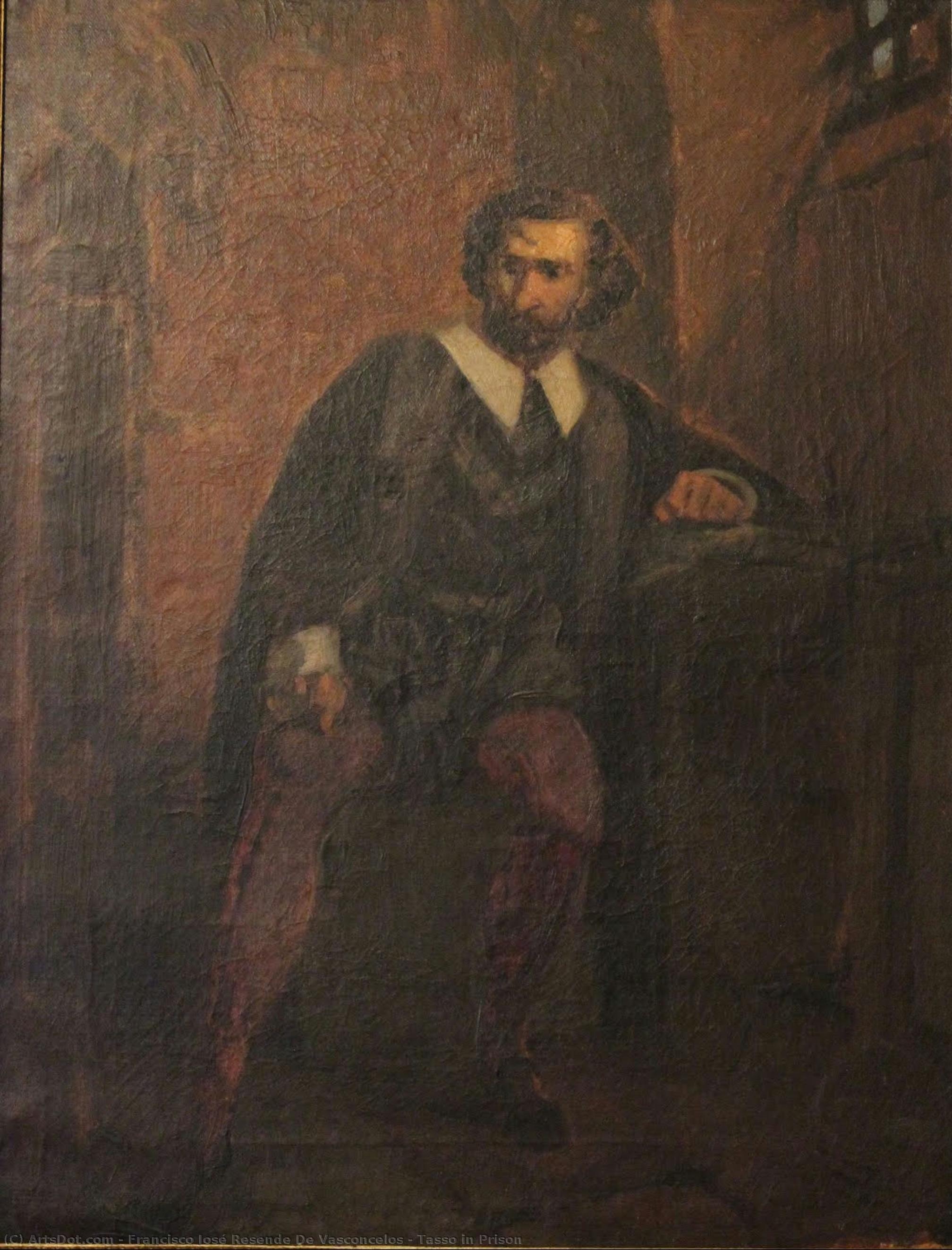
 プレビュー
プレビュー
 シェアする
シェアする シェアする
シェアする
 詳細を見る
詳細を見る

 ダウンロード
 似ている作品
 X線調査
X線調査 スライドショー
 統計情報
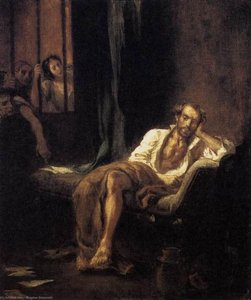
統計情報Tasso in Prison


 詳細を見る
詳細を見る
オンラインプレビューをはるかに凌ぐ、高解像度で鮮明なデジタル画像をご購入いただけます。
各ファイルは、社内の専門家が高度なツールと熟練した手作業によるレタッチを用いて、細心の注意を払って準備されています。すべての画像において、卓越した鮮明度、正確な色彩再現性、そして繊細なディテールを保証いたします。
最終ファイルは、プロフェッショナルな編集・印刷環境ですぐにご利用いただけるよう最適化された状態で、72時間以内にメールにてお届けいたします。これは、一流のデザインスタジオ、出版社、ギャラリーから信頼されているものと同等の品質です。
デジタルアート
個人での鑑賞、印刷、クリエイティブなプロジェクト用に、高解像度ファイルをダウンロードできます。 ( プリント版に切り替え 手描きの絵画を購入)
デジタル画像のご注文に付随する特典
高品質なデジタル画像配信を、確かな品質で。
ArtsDot.com を選ぶことは、単に画像を手に入れることではありません。それは、プロの手によって精密に仕上げられ、満足保証が付いた高品質なデジタルアートワークを受け取ることを意味します。ご注文いただいた際に自動的に付随する内容は、以下の通りです:

メールですぐにお届け
ご注文から72時間以内に、高解像度のデジタル画像ファイルがメールでお手元に届きます。すぐにそのままご利用いただけます。

AI技術で最適化されたデジタルファイル
お客様の作品は、高度なAIツールと専門家による手作業の編集を組み合わせてプロフェッショナルに最適化されており、細部のディテール、鮮明さ、そして正確な色再現性を最大限に引き出しています。

一生涯無料の再送サービス
ファイルを誤って削除したり、紛失してしまったりしましたか?ご安心ください。いつでも無料で再送いたします。

輸入手数料は一切かかりません
関税や手数料、配送料を気にすることなく、お気に入りのアートワークをすぐにお楽しみいただけます。デジタルダウンロードは常に免税です。

色彩再現の保証
プロ仕様のツールとカラーマネジメント技術を用いることで、デジタル画像が元の色を最大限に忠実に再現することを保証いたします。

100日間満足保証
ご購入いただいたデジタル画像にご満足いただけない場合は、100日以内であれば、理由を問わず修正または100%の返金対応をさせていただきます。

100% 返金保証
ご満足いただけない場合は、デジタルファイルを受け取ってから100日以内であれば、理由を問わず全額返金いたします。

まとめ買い割引
3枚購入で10%OFF - 5枚購入で15%OFF - 10枚以上購入で20%OFF。クリエイティブなプロジェクト、ギャラリー、エージェンシーに最適です。
関連作品
作家の略歴
Jacques-Louis David: A Revolutionary Vision
Born in Strasbourg, Alsace (then part of France) in 1748, Jacques-Louis David emerged as a pivotal figure during the tumultuous era of the French Revolution and its immediate aftermath. His life and career were inextricably linked to the shifting political landscape of his time, reflecting both the ideals of republicanism and the anxieties surrounding social upheaval. Initially trained as a painter by his father, Jean-Baptiste David, a portraitist, Jacques-Louis honed his skills in meticulous draftsmanship and classical composition – disciplines inherited from the traditions of Flemish art. However, it was his encounter with the revolutionary fervor sweeping through France that truly shaped his artistic trajectory, transforming him from a skilled craftsman into a propagandistic force for radical change.
David’s early works demonstrated a commitment to Neoclassicism, drawing inspiration from the idealized forms and balanced compositions of ancient Greek and Roman art. He meticulously studied the works of masters like Poussin and Claude Lorrain, striving to emulate their technical precision and moralizing themes. Yet, as the Revolution gained momentum, David’s artistic sensibilities underwent a dramatic shift. He embraced the revolutionary cause with unwavering zeal, becoming an ardent supporter of Robespierre and the Committee of Public Safety. This commitment manifested most powerfully in his monumental history paintings, which served as potent symbols of republican virtue and sacrifice.
The Revolutionary Years: Propaganda and Spectacle
David’s artistic output during the Revolution is arguably his most significant contribution to art history. He produced a series of works designed not merely to depict historical events but to actively shape public opinion and reinforce revolutionary ideals. *The Oath of the Horatii* (1784), initially conceived as a private commission, was swiftly repurposed by David himself to embody the virtues of patriotism and self-sacrifice – qualities deemed essential for the new republic. The painting’s stark realism, dramatic lighting, and carefully arranged figures powerfully conveyed the message of duty above personal concerns.
However, it was *The Death of Marat* (1793) that cemented David's reputation as a revolutionary artist. This brutally realistic depiction of Jean-Paul Marat’s assassination served as a rallying cry for the Jacobins and a potent symbol of martyrdom. The painting’s stark composition, emphasizing Marat’s lifeless body and the bloodstained sheet, evoked a visceral response in viewers, solidifying David's role as the official propagandist of the Revolution. He continued to produce works such as *The Death of Socrates* (1787) and *The Intervention of the Sabine Women* (1793), each imbued with revolutionary symbolism and designed to inspire civic virtue.
Exile and Artistic Reassessment
Following Robespierre’s downfall in 1794, David found himself increasingly out of favor. Accused of counter-revolutionary sympathies, he was forced into exile in Trieste and later Zurich. During this period of self-imposed isolation, David underwent a profound artistic reassessment. He abandoned the overtly propagandistic style of his revolutionary years and began to explore more personal themes – portraits, mythological subjects, and scenes from classical literature.
His return to France in 1800 marked a significant turning point. He was commissioned by Napoleon Bonaparte to paint *The Coronation of Napoleon* (1805-1807), a monumental work that showcased his technical mastery and reaffirmed his allegiance to the Emperor. This painting, while undeniably grand in scale, reflected a shift away from the radicalism of his earlier years. It demonstrated a renewed interest in classical grandeur and imperial authority, aligning with Napoleon’s ambitions for an empire reminiscent of ancient Rome.
Late Career and Legacy
Despite the changing political climate, David continued to work prolifically throughout his later life, producing portraits, historical paintings, and decorative panels. He remained a prominent figure in Parisian art circles, though his revolutionary past often cast a shadow over his reputation. His late works, such as *The Judgment of Plato* (1810-1812), reveal a continued engagement with philosophical themes but also demonstrate a growing sense of melancholy and disillusionment.
Jacques-Louis David’s legacy is complex and multifaceted. He remains one of the most influential artists of the 18th and 19th centuries, renowned for his technical skill, dramatic compositions, and profound impact on European art. His work served as a powerful tool for political propaganda during the French Revolution, shaping public opinion and solidifying revolutionary ideals. While his artistic style evolved over time, reflecting the shifting political landscape of his era, David’s enduring contribution lies in his ability to capture the drama and intensity of human experience – both heroic and tragic – with unparalleled skill and conviction.
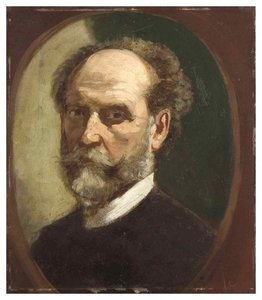
francisco josé resende de vasconcelos
1825 - 1893 , Portugal
プロフィール概要
- Artistic Movement Or Style: Hudson River School
- Artists Or Movements Influenced By This Artist: ['George Inness']
- Artists Who Influenced This Artist:
- Claude Lorrain
- Salvator Rosa
- Date Of Birth: 1825
- Date Of Death: 1894
- Full Name: George Inness
- Nationality: American
- Notable Artworks:
- A Bit of the Roman Aqueduct
- Old Wood Choppers
- Place Of Birth: Pineville, NY