

 プレビュー
プレビュー
 シェアする
シェアする シェアする
シェアする
 詳細を見る
詳細を見る

 ダウンロード
 似ている作品
 X線調査
X線調査 スライドショー
 Stats
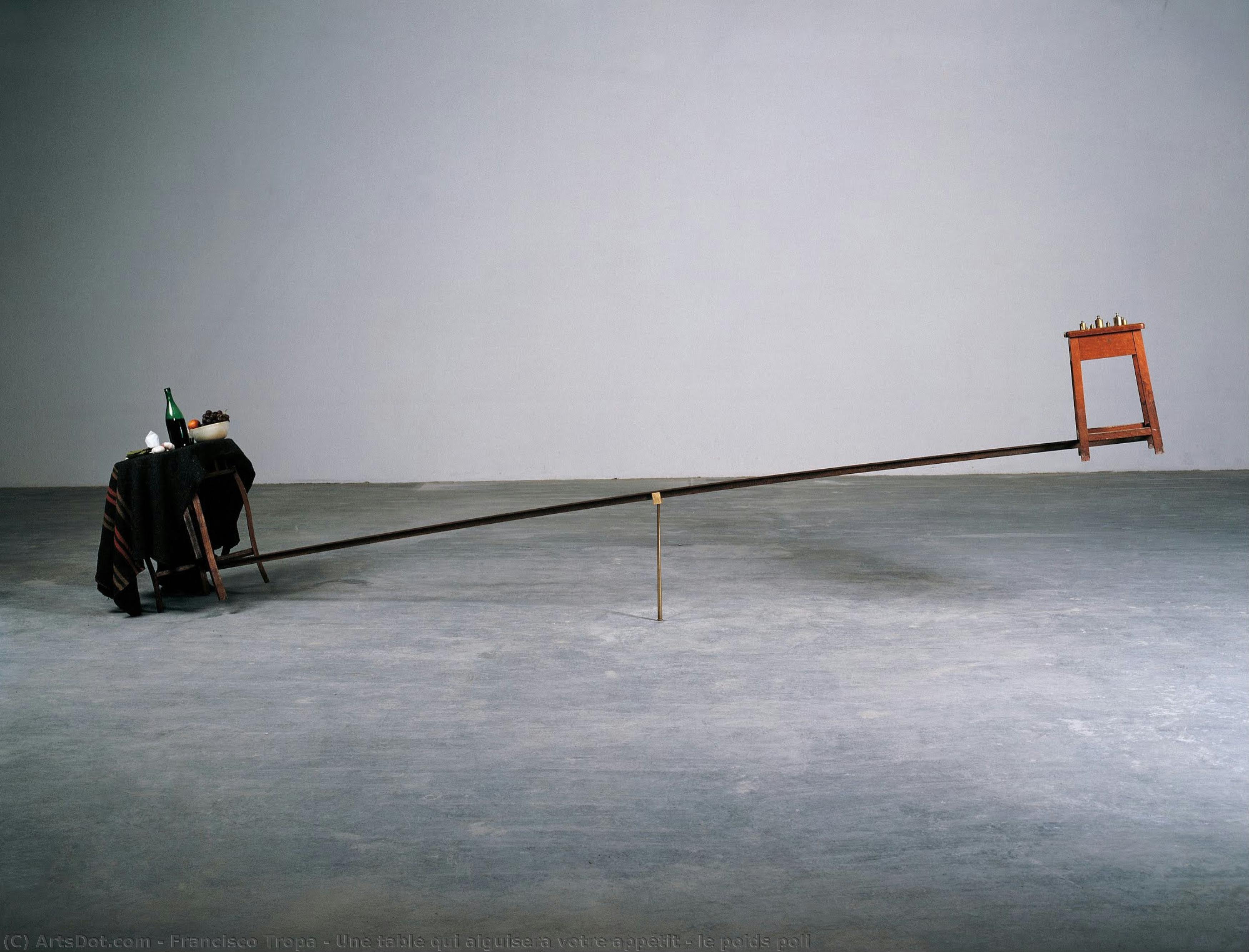
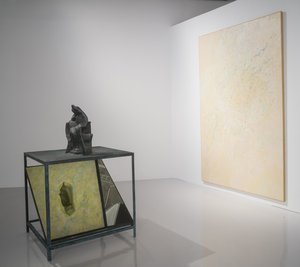
StatsUne table qui aiguisera votre appétit – le poids poli
 2003
2003 5.0 x 485.0 cm
 Culturgest - Fundação Caixa Geral de Depósitos
 詳細を見る
詳細を見る
手描き油彩複製画
当社のアーティストが、お客様のご希望のサイズと額縁に合わせて、キャンバスに手描きで制作する油彩画です。 ( Switch to Print Switch to Digital Image)




































作品のオリジナル比率に合わせた、当店の規定サイズからお選びください。

特定のフレームやスペースに合わせて、ご希望のサイズをご入力いただけます。選択されたサイズが元の画像の比率と異なる場合、アートワークをトリミングするか、手描きで要素を追加して絵画を拡張いたします。デジタルモックアップ を制作し、制作開始前にご確認(承認)をいただきます。
画面上のプレビューは、実際のトリミングや拡張を正確に反映しているものではありません。最終的な構図は、モックアップによってのみ正確にご確認いただけます。
カスタムサイズもご利用いただけますが、元の比率を維持するためには、あらかじめ用意されたリストからサイズを選択することをお勧めいたします。
ご注文後、ArtsDot.com チームより詳細な指示をお送りするとともに、仕上がりイメージ(モックアップ)をご提供いたします。


 ガラスオプションは、110cm未満のサイズでのみご利用いただけます。

Une table qui aiguisera votre appétit – le poids poli
複製技法
複製画のサイズ
-


合計金額
$ 288
関連作品



アーティストの略歴
Francisco Tropa: Sculpting Echoes of Time and Myth
Born in the vibrant coastal city of Lisbon, Portugal, in 1968, Francisco Tropa’s artistic journey is a compelling narrative of layered influences – archaeology, mythology, and a profound engagement with the passage of time. His work isn't merely sculptural; it’s an immersive experience, inviting viewers to contemplate the resonances between ancient histories and contemporary realities. Tropa’s practice defies easy categorization, seamlessly blending elements of installation art, sculpture, performance, and even film, creating environments that are both intellectually stimulating and deeply evocative.
Tropa's early artistic development was shaped by a rigorous education at Ar.Co, the independent art college in Lisbon, where he honed his skills from 1987 to 1992. This formative period instilled within him a critical approach to materials and form, coupled with an openness to experimentation. Subsequent scholarships at prestigious institutions like the Royal College of Arts in London and the Kunstakademie Münster further broadened his artistic horizons, exposing him to diverse perspectives and techniques. These experiences coalesced into a uniquely personal style characterized by a meticulous attention to detail and a willingness to challenge conventional notions of art.
The Language of Materials: From Stone to Sand
At the heart of Tropa’s work lies an intimate relationship with materials – a deliberate choreography between their inherent qualities and the artist's conceptual vision. He frequently employs seemingly disparate elements—glass, metal, stone, wood, insects, and even sand—transforming them through processes that mimic natural phenomena like erosion, decay, and growth. This isn’t simply assemblage; it’s alchemy – a reimagining of materials to reveal hidden narratives and invite contemplation on the cyclical nature of existence. His installations are often characterized by a sense of precariousness, as if the very structures he creates are in constant flux, mirroring the ephemeral quality of time itself.
Consider his series “Lantern,” where an hourglass is projected onto a plaster screen, effectively doubling the experience of temporal passage. Or examine "STAE – Sunken Treasures of Ancient Egypt," a complex installation that weaves together archaeological fragments, mechanical devices, and evocative imagery to explore themes of memory, reconstruction, and the fleeting nature of human experience. Each element within these works is carefully chosen not just for its aesthetic qualities but also for its symbolic weight, contributing to a layered narrative that unfolds over time.
Mythic Resonance and Archaeological Echoes
Tropa’s work frequently draws upon mythology and archeology, creating dialogues between the ancient world and contemporary concerns. His fascination with lost civilizations—particularly those of Egypt and Greece—is evident in his meticulous research and his ability to evoke a sense of timelessness. The discovery of the Roman Healing Spa of Chaves, for example, served as the genesis for “The Pyrgus from Chaves,” an installation that juxtaposes a bronze dice tower (a ‘pyrgus’) found within the ruins with contemporary sculptures, prompting reflections on time, origins, and the relationship between art and history.
This engagement with archeology isn’t merely decorative; it's deeply conceptual. Tropa uses archaeological finds as catalysts for exploring broader themes—the fragility of human existence, the impact of catastrophe, and the enduring power of memory. His installations often incorporate elements that suggest a sense of excavation or unearthed secrets, inviting viewers to become active participants in the process of discovery.
Recognition and Legacy
Francisco Tropa’s artistic reputation has steadily grown since his debut in 1991, culminating in significant international recognition. He represented Portugal at the Venice Biennale (2011), the Istanbul Biennial (2011), and Manifesta in Ljubljana (2000). His work has been exhibited extensively throughout Europe and beyond, solidifying his position as a leading contemporary sculptor. His ability to seamlessly blend diverse artistic disciplines—sculpture, installation, performance, and film—demonstrates a remarkable creative vision and a profound understanding of the power of art to engage with complex ideas.
Tropa’s legacy extends beyond individual artworks; it encompasses a unique approach to sculpture that prioritizes process, materiality, and conceptual depth. His work continues to challenge viewers to reconsider their relationship with time, history, and the enduring mysteries of the human experience. He remains an artist deeply committed to exploring the intersections between the past and present, creating installations that resonate with both intellectual rigor and emotional intensity.
Francisco Tropa
1968 - , Portugal
基本情報
- Artistic Movement Or Style: Sculpture installations
- Artists Or Movements Influenced By This Artist:
- Contemporary Art
- Mythical Installations
- Artists Who Influenced This Artist:
- Paul Scherbert
- Raymond Roussel
- Date Of Birth: 1968 Lisbon Portugal
- Full Name: Francisco Tropa
- Nationality: Portuguese
- Notable Artworks:
- Pyrgus from Chaves
- Lantern
- Le Grand Café
- Place Of Birth: Lisbon Portugal