

 プレビュー
プレビュー
 シェアする
シェアする シェアする
シェアする
 詳細を見る
詳細を見る

 ダウンロード
 似ている作品
 X線調査
X線調査 スライドショー
 Stats
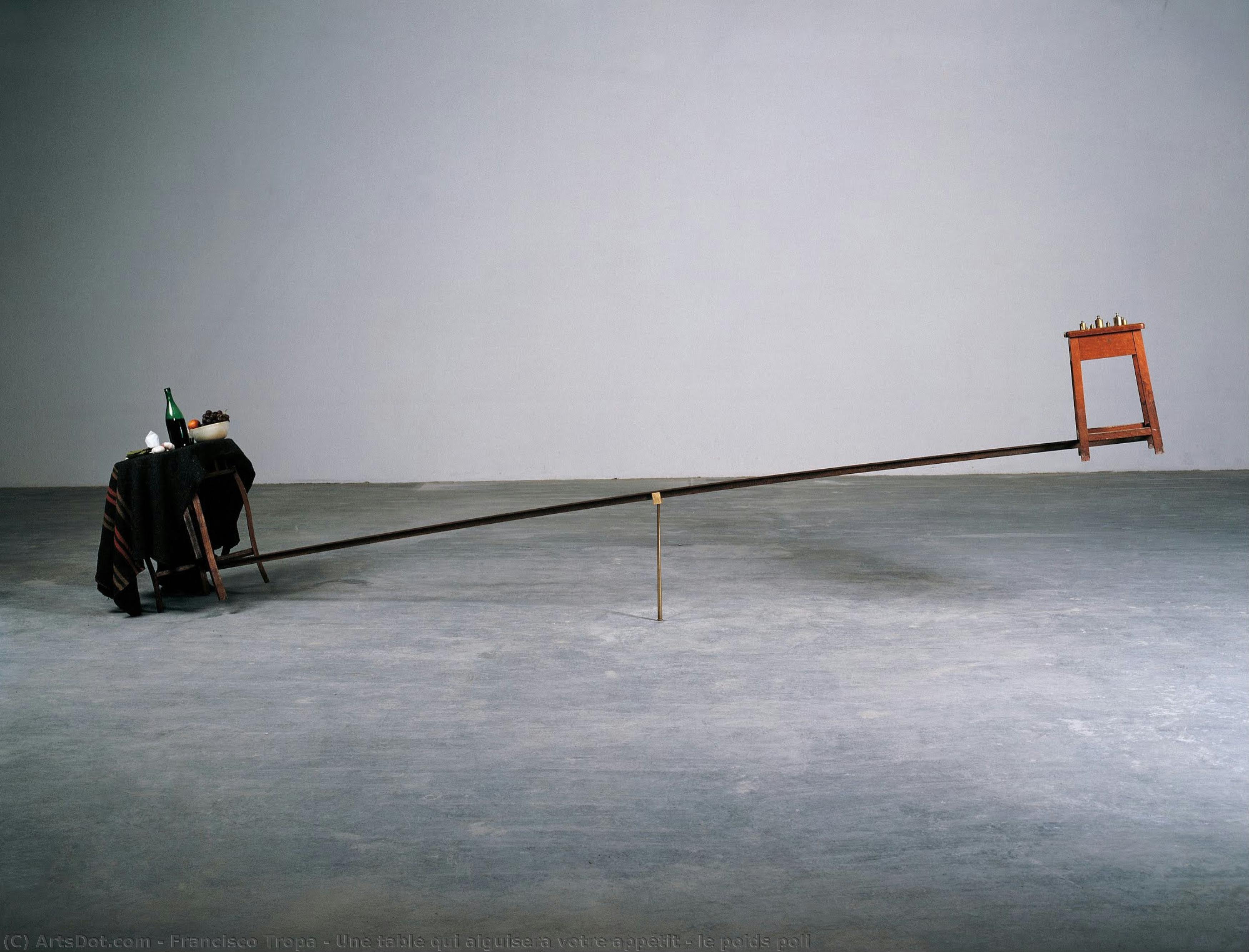
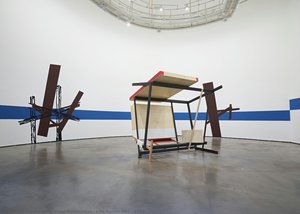
StatsUne table qui aiguisera votre appétit – le poids poli
 2003
2003 5.0 x 485.0 cm
 Culturgest - Fundação Caixa Geral de Depósitos
 詳細を見る
詳細を見る
オンラインプレビューをはるかに凌ぐ、高解像度で鮮明なデジタル画像をご購入いただけます。
各ファイルは、社内の専門家が高度なツールと熟練した手作業によるレタッチを用いて、細心の注意を払って準備されています。すべての画像において、卓越した鮮明度、正確な色彩再現性、そして繊細なディテールを保証いたします。
最終ファイルは、プロフェッショナルな編集・印刷環境ですぐにご利用いただけるよう最適化された状態で、72時間以内にメールにてお届けいたします。これは、一流のデザインスタジオ、出版社、ギャラリーから信頼されているものと同等の品質です。
デジタルアート
個人での鑑賞、印刷、クリエイティブなプロジェクト用に、高解像度ファイルをダウンロードできます。 ( Switch to Print 手描きの絵画を購入)
デジタル画像のご注文に付随する特典
高品質なデジタル画像配信を、確かな品質で。
ArtsDot.com を選ぶことは、単に画像を手に入れることではありません。それは、プロの手によって精密に仕上げられ、満足保証が付いた高品質なデジタルアートワークを受け取ることを意味します。ご注文いただいた際に自動的に付随する内容は、以下の通りです:

メールですぐにお届け
ご注文から72時間以内に、高解像度のデジタル画像ファイルがメールでお手元に届きます。すぐにそのままご利用いただけます。

AI技術で最適化されたデジタルファイル
お客様の作品は、高度なAIツールと専門家による手作業の編集を組み合わせてプロフェッショナルに最適化されており、細部のディテール、鮮明さ、そして正確な色再現性を最大限に引き出しています。

一生涯無料の再送サービス
ファイルを誤って削除したり、紛失してしまったりしましたか?ご安心ください。いつでも無料で再送いたします。

輸入手数料は一切かかりません
関税や手数料、配送料を気にすることなく、お気に入りのアートワークをすぐにお楽しみいただけます。デジタルダウンロードは常に免税です。

色彩再現の保証
プロ仕様のツールとカラーマネジメント技術を用いることで、デジタル画像が元の色を最大限に忠実に再現することを保証いたします。

100日間満足保証
ご購入いただいたデジタル画像にご満足いただけない場合は、100日以内であれば、理由を問わず修正または100%の返金対応をさせていただきます。

100% 返金保証
ご満足いただけない場合は、デジタルファイルを受け取ってから100日以内であれば、理由を問わず全額返金いたします。

まとめ買い割引
3枚購入で10%OFF - 5枚購入で15%OFF - 10枚以上購入で20%OFF。クリエイティブなプロジェクト、ギャラリー、エージェンシーに最適です。
関連作品




作家の略歴
Francisco Tropa: Sculpting Echoes of Time and Myth
Born in the vibrant coastal city of Lisbon, Portugal, in 1968, Francisco Tropa’s artistic journey is a compelling narrative of layered influences – archaeology, mythology, and a profound engagement with the passage of time. His work isn't merely sculptural; it’s an immersive experience, inviting viewers to contemplate the resonances between ancient histories and contemporary realities. Tropa’s practice defies easy categorization, seamlessly blending elements of installation art, sculpture, performance, and even film, creating environments that are both intellectually stimulating and deeply evocative.
Tropa's early artistic development was shaped by a rigorous education at Ar.Co, the independent art college in Lisbon, where he honed his skills from 1987 to 1992. This formative period instilled within him a critical approach to materials and form, coupled with an openness to experimentation. Subsequent scholarships at prestigious institutions like the Royal College of Arts in London and the Kunstakademie Münster further broadened his artistic horizons, exposing him to diverse perspectives and techniques. These experiences coalesced into a uniquely personal style characterized by a meticulous attention to detail and a willingness to challenge conventional notions of art.
The Language of Materials: From Stone to Sand
At the heart of Tropa’s work lies an intimate relationship with materials – a deliberate choreography between their inherent qualities and the artist's conceptual vision. He frequently employs seemingly disparate elements—glass, metal, stone, wood, insects, and even sand—transforming them through processes that mimic natural phenomena like erosion, decay, and growth. This isn’t simply assemblage; it’s alchemy – a reimagining of materials to reveal hidden narratives and invite contemplation on the cyclical nature of existence. His installations are often characterized by a sense of precariousness, as if the very structures he creates are in constant flux, mirroring the ephemeral quality of time itself.
Consider his series “Lantern,” where an hourglass is projected onto a plaster screen, effectively doubling the experience of temporal passage. Or examine "STAE – Sunken Treasures of Ancient Egypt," a complex installation that weaves together archaeological fragments, mechanical devices, and evocative imagery to explore themes of memory, reconstruction, and the fleeting nature of human experience. Each element within these works is carefully chosen not just for its aesthetic qualities but also for its symbolic weight, contributing to a layered narrative that unfolds over time.
Mythic Resonance and Archaeological Echoes
Tropa’s work frequently draws upon mythology and archeology, creating dialogues between the ancient world and contemporary concerns. His fascination with lost civilizations—particularly those of Egypt and Greece—is evident in his meticulous research and his ability to evoke a sense of timelessness. The discovery of the Roman Healing Spa of Chaves, for example, served as the genesis for “The Pyrgus from Chaves,” an installation that juxtaposes a bronze dice tower (a ‘pyrgus’) found within the ruins with contemporary sculptures, prompting reflections on time, origins, and the relationship between art and history.
This engagement with archeology isn’t merely decorative; it's deeply conceptual. Tropa uses archaeological finds as catalysts for exploring broader themes—the fragility of human existence, the impact of catastrophe, and the enduring power of memory. His installations often incorporate elements that suggest a sense of excavation or unearthed secrets, inviting viewers to become active participants in the process of discovery.
Recognition and Legacy
Francisco Tropa’s artistic reputation has steadily grown since his debut in 1991, culminating in significant international recognition. He represented Portugal at the Venice Biennale (2011), the Istanbul Biennial (2011), and Manifesta in Ljubljana (2000). His work has been exhibited extensively throughout Europe and beyond, solidifying his position as a leading contemporary sculptor. His ability to seamlessly blend diverse artistic disciplines—sculpture, installation, performance, and film—demonstrates a remarkable creative vision and a profound understanding of the power of art to engage with complex ideas.
Tropa’s legacy extends beyond individual artworks; it encompasses a unique approach to sculpture that prioritizes process, materiality, and conceptual depth. His work continues to challenge viewers to reconsider their relationship with time, history, and the enduring mysteries of the human experience. He remains an artist deeply committed to exploring the intersections between the past and present, creating installations that resonate with both intellectual rigor and emotional intensity.
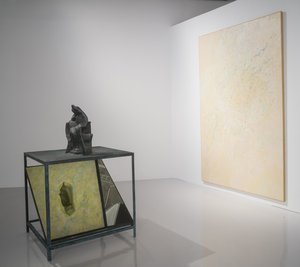
Francisco Tropa
1968 - , Portugal
プロフィール概要
- Artistic Movement Or Style: Sculpture installations
- Artists Or Movements Influenced By This Artist:
- Contemporary Art
- Mythical Installations
- Artists Who Influenced This Artist:
- Paul Scherbert
- Raymond Roussel
- Date Of Birth: 1968 Lisbon Portugal
- Full Name: Francisco Tropa
- Nationality: Portuguese
- Notable Artworks:
- Pyrgus from Chaves
- Lantern
- Le Grand Café
- Place Of Birth: Lisbon Portugal