

 プリントを購入
 シェアする
シェアする シェアする
シェアする
 詳細を見る
詳細を見る

 ダウンロード
 似ている作品
 スライドショー
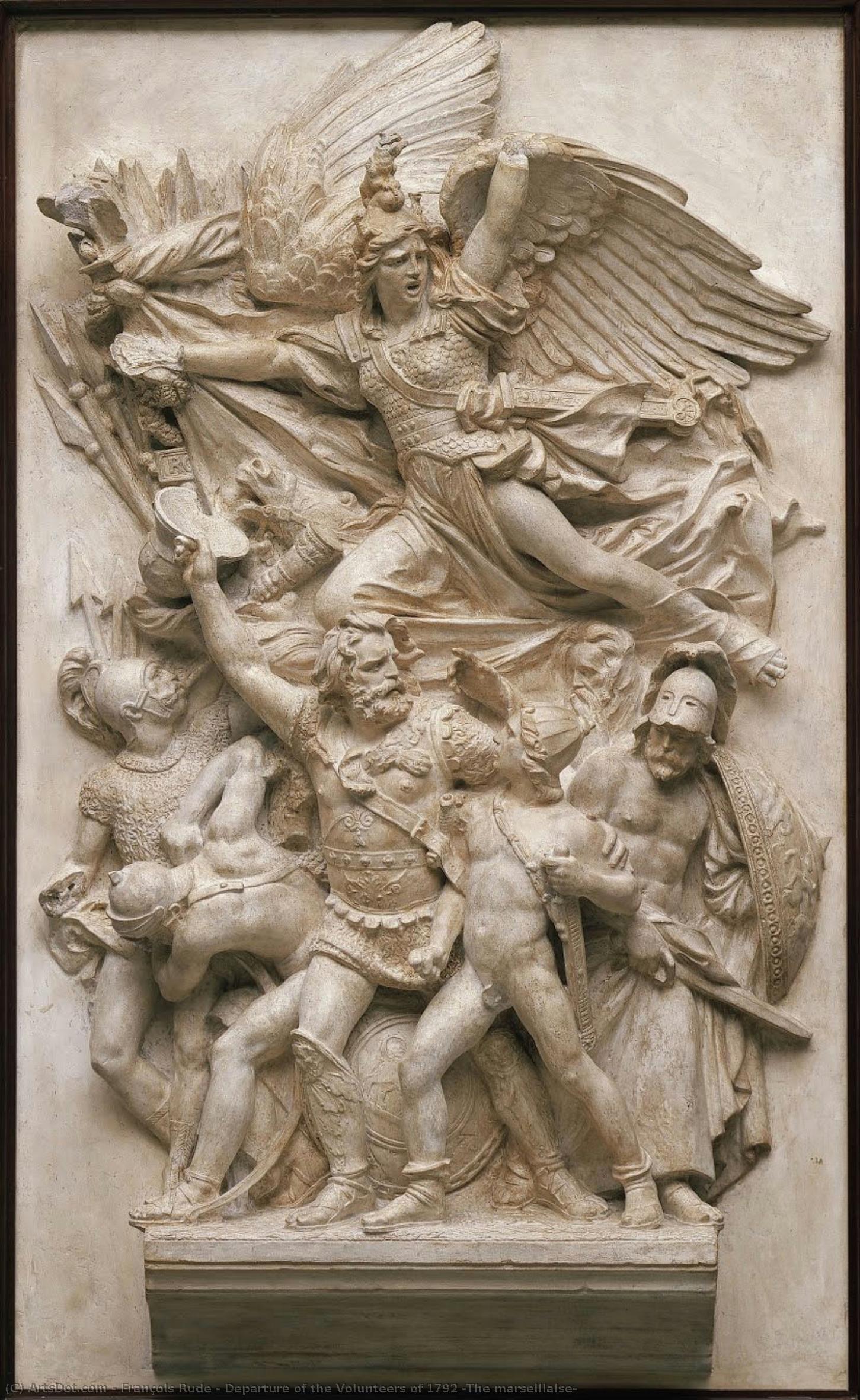
Departure of the Volunteers of 1792 (The marseillaise)


 詳細を見る
詳細を見る
オンラインプレビューをはるかに凌ぐ、高解像度で鮮明なデジタル画像をご購入いただけます。
各ファイルは、社内の専門家が高度なツールと熟練した手作業によるレタッチを用いて、細心の注意を払って準備されています。すべての画像において、卓越した鮮明度、正確な色彩再現性、そして繊細なディテールを保証いたします。
最終ファイルは、プロフェッショナルな編集・印刷環境ですぐにご利用いただけるよう最適化された状態で、72時間以内にメールにてお届けいたします。これは、一流のデザインスタジオ、出版社、ギャラリーから信頼されているものと同等の品質です。
デジタル画像のご注文に付随する特典
高品質なデジタル画像配信を、確かな品質で。
ArtsDot.com を選ぶことは、単に画像を手に入れることではありません。それは、プロの手によって精密に仕上げられ、満足保証が付いた高品質なデジタルアートワークを受け取ることを意味します。ご注文いただいた際に自動的に付随する内容は、以下の通りです:

メールですぐにお届け
ご注文から72時間以内に、高解像度のデジタル画像ファイルがメールでお手元に届きます。すぐにそのままご利用いただけます。

AI技術で最適化されたデジタルファイル
お客様の作品は、高度なAIツールと専門家による手作業の編集を組み合わせてプロフェッショナルに最適化されており、細部のディテール、鮮明さ、そして正確な色再現性を最大限に引き出しています。

一生涯無料の再送サービス
ファイルを誤って削除したり、紛失してしまったりしましたか?ご安心ください。いつでも無料で再送いたします。

輸入手数料は一切かかりません
関税や手数料、配送料を気にすることなく、お気に入りのアートワークをすぐにお楽しみいただけます。デジタルダウンロードは常に免税です。

色彩再現の保証
プロ仕様のツールとカラーマネジメント技術を用いることで、デジタル画像が元の色を最大限に忠実に再現することを保証いたします。

100日間満足保証
ご購入いただいたデジタル画像にご満足いただけない場合は、100日以内であれば、理由を問わず修正または100%の返金対応をさせていただきます。

100% 返金保証
ご満足いただけない場合は、デジタルファイルを受け取ってから100日以内であれば、理由を問わず全額返金いたします。

まとめ買い割引
3枚購入で10%OFF - 5枚購入で15%OFF - 10枚以上購入で20%OFF。クリエイティブなプロジェクト、ギャラリー、エージェンシーに最適です。
Departure of the Volunteers of 1792 (The Marseillaise)
François Rude’s monumental sculpture *La Marseillaise*, commemorating France's first citizen army, stands as an enduring emblem of revolutionary fervor and artistic triumph. Created in 1835-36 during Louis-Philippe’s reign—a period marked by cautious optimism after Napoleon’s downfall—the artwork embodies the spirit of Romantic idealism while firmly rooted in Classical allegory. Its impact on Parisian public space remains palpable, serving as a powerful reminder of France's struggle for liberty and self-determination.- Subject Matter: The sculpture depicts a dramatic scene capturing the departure of volunteers from Paris to defend the Republic against Prussian aggression. It portrays a diverse group of men—ranging from youthful idealists to seasoned veterans—united under the banner of Liberty, personified as a formidable warrior woman.
- Style & Technique: Rude’s masterful execution demonstrates his command of terracotta sculpture, utilizing a technique that blends realism with idealized form. The sculptor meticulously crafted each figure, capturing nuanced expressions and poses that convey both determination and vulnerability. The monumental scale of the piece—approximately 27 ½ × 19 × 4 ¾ inches—further amplifies its visual impact.
- Historical Context: *La Marseillaise* emerged from a pivotal moment in French history, coinciding with the completion of the Arc de Triomphe and Louis-Philippe’s ascension to the throne. The sculpture reflects the anxieties surrounding Napoleon's return and the desire for stability amidst turbulent political currents.
- Symbolism: Rude skillfully employed Classical symbolism to convey profound ideas about liberty and patriotism. The warrior woman embodies courage and resilience, while her wings symbolize divine support and aspiration. The Phrygian cap—a symbol of freed slaves in ancient Rome—represents the triumph of republican ideals over tyranny.
- Emotional Impact: Viewing *La Marseillaise* evokes a visceral response to its depiction of heroic struggle and unwavering conviction. Its grandeur inspires contemplation on themes of courage, sacrifice, and the enduring pursuit of freedom—themes that continue to resonate with audiences today.
- Smarthistory: https://smarthistory.org/rude-la-marseillaise/
- Detroit Institute of Arts: https://dia.org/collection/departure-volunteers-of-1792-the-marseillaise-93527
- Wikipedia: https://en.wikipedia.org/wiki/Fran%C3%A7ois_Rude
関連作品
作家の略歴
Early Life and Training
- François Rude was born in Dijon, France, on January 4, 1784, the son of a coppersmith/locksmith.
- His early life involved assisting his father's trade before demonstrating artistic talent.
- He attended François Devosges’s École de Dessin in Dijon, showcasing his burgeoning skills.
- Under the patronage of Louis Frémiet, he began studying with Pierre Cartellier in Paris at the studio of Edme Gaulle in 1805.
- In 1809, his work started gaining recognition, earning him several awards.
- He won the Prix de Rome in 1812 but was unable to travel due to political conditions.
Brussels Period and Marriage
- In 1815, Rude left Paris for Rome but ended up in Brussels with the Frémiets due to political circumstances.
- He married Sophie Frémiet, an accomplished painter, forming a formidable artistic partnership.
- While in Brussels, he executed his first bust of Louis David, gaining significant notice.
Return to Paris and Major Works
- Rude and his wife returned to Paris in 1827, where they remained until his death.
- His notable works include the statue of a Neapolitan Fisherboy Playing with a Tortoise (1831-33), displayed at the Louvre.
- He was commissioned for the Arc de Triomphe, creating the iconic sculpture "La Marseillaise" (Departure of the Volunteers of 1792) completed in 1836. This is arguably his most famous and significant work.
- Other important sculptures include:
- Bust of Jacques-Louis David
- Statue of Maurice, Count of Saxony
- Head of Christ (plaster cast)
- Bust of James de Montry
- Towards the end of his career, Dijon commissioned a marble sculpture depicting Hebe, the Greek goddess of youth. Rude created the model in 1852 but died before its completion; his nephew finished it.
Style and Influences
- Rude's style bridged Neoclassicism and Romanticism.
- While initially influenced by Neoclassical principles, he increasingly embraced a dynamic and emotional style.
- His work often expressed patriotic themes, reflecting the political climate of his time.
- He was influenced by earlier sculptors like Pierre Cartellier and Edme Gaulle.
- The patronage of Louis Frémiet played a crucial role in his early development.
Later Life and Legacy
- François Rude died on November 3, 1855, in Paris.
- He is remembered for his powerful and expressive sculptures, particularly "La Marseillaise," which remains a symbol of French national identity.
- His work represents a transition from the rigid formality of Neoclassicism to the more emotive and dramatic style of Romanticism.
- Numerous busts and casts of his works are housed in museums such as Musée Rude, Musée des Beaux-Arts de Dijon, and the Louvre.
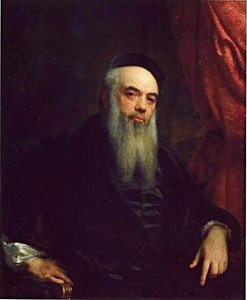
françois rude
1784 - 1855 , France
プロフィール概要
- Artistic Movement Or Style: Neoclassicism & Romanticism
- Artists Who Influenced This Artist:
- Edme Gaulle
- Pierre Cartellier
- Date Of Birth: January 4, 1784
- Date Of Death: November 3, 1855
- Full Name: François Rude
- Nationality: French
- Notable Artworks:
- La Marseillaise
- Napoleon Rising to Immortality
- Head of an Ancient Warrior
- Place Of Birth: Dijon, France