

 シェアする
シェアする シェアする
シェアする
 詳細を見る
詳細を見る

 ダウンロード
 似ている作品
 スライドショー
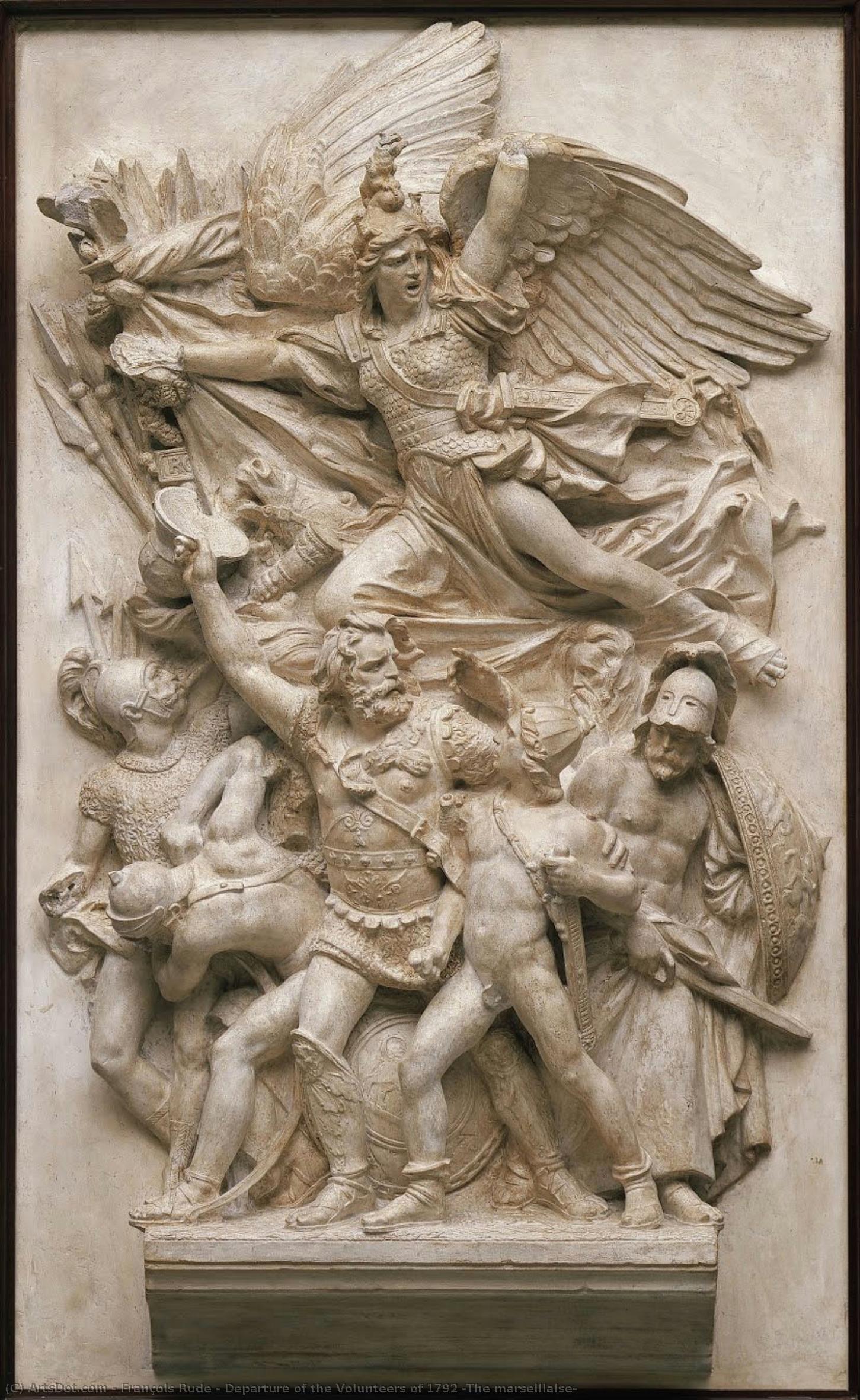
Departure of the Volunteers of 1792 (The marseillaise)


 詳細を見る
詳細を見る
ジークレー/アートプリント
迅速な制作と多彩な仕上げオプションを備えた、ミュージアムクオリティのジークレーまたはキャンバスプリント。 ( 手描きの絵画を購入 画像を購入)




































作品のオリジナル比率に合わせた、当店の規定サイズからお選びください。

特定のフレームやスペースに合わせて、ご自身でサイズを指定することも可能です。選択されたサイズが元の画像の比率と一致しない場合、作品をトリミングするか、鏡面反射または単色での塗りつぶしによって画像を拡張いたします。制作を開始する前に、ご確認用のデジタルモックアップをお送りいたします。
画面上のプレビューには、実際のトリミングや拡張は反映されませんのでご注意ください。最終的な構図を正確に確認できるのは、モックアップのみとなります。
カスタムサイズも承っておりますが、元の比率を維持するためには、あらかじめ用意されたリストからサイズを選択することをお勧めいたします。


 ガラスオプションは、110cm未満のサイズでのみご利用いただけます。

Departure of the Volunteers of 1792 (The marseillaise)
ジークレー/アートプリント
複製画のサイズ
-


合計金額
$ 62
Departure of the Volunteers of 1792 (The Marseillaise)
François Rude’s monumental sculpture *La Marseillaise*, commemorating France's first citizen army, stands as an enduring emblem of revolutionary fervor and artistic triumph. Created in 1835-36 during Louis-Philippe’s reign—a period marked by cautious optimism after Napoleon’s downfall—the artwork embodies the spirit of Romantic idealism while firmly rooted in Classical allegory. Its impact on Parisian public space remains palpable, serving as a powerful reminder of France's struggle for liberty and self-determination.- Subject Matter: The sculpture depicts a dramatic scene capturing the departure of volunteers from Paris to defend the Republic against Prussian aggression. It portrays a diverse group of men—ranging from youthful idealists to seasoned veterans—united under the banner of Liberty, personified as a formidable warrior woman.
- Style & Technique: Rude’s masterful execution demonstrates his command of terracotta sculpture, utilizing a technique that blends realism with idealized form. The sculptor meticulously crafted each figure, capturing nuanced expressions and poses that convey both determination and vulnerability. The monumental scale of the piece—approximately 27 ½ × 19 × 4 ¾ inches—further amplifies its visual impact.
- Historical Context: *La Marseillaise* emerged from a pivotal moment in French history, coinciding with the completion of the Arc de Triomphe and Louis-Philippe’s ascension to the throne. The sculpture reflects the anxieties surrounding Napoleon's return and the desire for stability amidst turbulent political currents.
- Symbolism: Rude skillfully employed Classical symbolism to convey profound ideas about liberty and patriotism. The warrior woman embodies courage and resilience, while her wings symbolize divine support and aspiration. The Phrygian cap—a symbol of freed slaves in ancient Rome—represents the triumph of republican ideals over tyranny.
- Emotional Impact: Viewing *La Marseillaise* evokes a visceral response to its depiction of heroic struggle and unwavering conviction. Its grandeur inspires contemplation on themes of courage, sacrifice, and the enduring pursuit of freedom—themes that continue to resonate with audiences today.
- Smarthistory: https://smarthistory.org/rude-la-marseillaise/
- Detroit Institute of Arts: https://dia.org/collection/departure-volunteers-of-1792-the-marseillaise-93527
- Wikipedia: https://en.wikipedia.org/wiki/Fran%C3%A7ois_Rude
関連作品

アーティストの略歴
Early Life and Training
- François Rude was born in Dijon, France, on January 4, 1784, the son of a coppersmith/locksmith.
- His early life involved assisting his father's trade before demonstrating artistic talent.
- He attended François Devosges’s École de Dessin in Dijon, showcasing his burgeoning skills.
- Under the patronage of Louis Frémiet, he began studying with Pierre Cartellier in Paris at the studio of Edme Gaulle in 1805.
- In 1809, his work started gaining recognition, earning him several awards.
- He won the Prix de Rome in 1812 but was unable to travel due to political conditions.
Brussels Period and Marriage
- In 1815, Rude left Paris for Rome but ended up in Brussels with the Frémiets due to political circumstances.
- He married Sophie Frémiet, an accomplished painter, forming a formidable artistic partnership.
- While in Brussels, he executed his first bust of Louis David, gaining significant notice.
Return to Paris and Major Works
- Rude and his wife returned to Paris in 1827, where they remained until his death.
- His notable works include the statue of a Neapolitan Fisherboy Playing with a Tortoise (1831-33), displayed at the Louvre.
- He was commissioned for the Arc de Triomphe, creating the iconic sculpture "La Marseillaise" (Departure of the Volunteers of 1792) completed in 1836. This is arguably his most famous and significant work.
- Other important sculptures include:
- Bust of Jacques-Louis David
- Statue of Maurice, Count of Saxony
- Head of Christ (plaster cast)
- Bust of James de Montry
- Towards the end of his career, Dijon commissioned a marble sculpture depicting Hebe, the Greek goddess of youth. Rude created the model in 1852 but died before its completion; his nephew finished it.
Style and Influences
- Rude's style bridged Neoclassicism and Romanticism.
- While initially influenced by Neoclassical principles, he increasingly embraced a dynamic and emotional style.
- His work often expressed patriotic themes, reflecting the political climate of his time.
- He was influenced by earlier sculptors like Pierre Cartellier and Edme Gaulle.
- The patronage of Louis Frémiet played a crucial role in his early development.
Later Life and Legacy
- François Rude died on November 3, 1855, in Paris.
- He is remembered for his powerful and expressive sculptures, particularly "La Marseillaise," which remains a symbol of French national identity.
- His work represents a transition from the rigid formality of Neoclassicism to the more emotive and dramatic style of Romanticism.
- Numerous busts and casts of his works are housed in museums such as Musée Rude, Musée des Beaux-Arts de Dijon, and the Louvre.
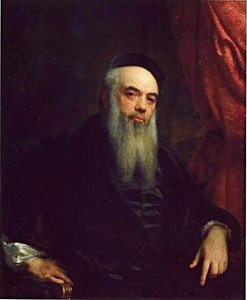
françois rude
1784 - 1855 , France
基本情報
- Artistic Movement Or Style: Neoclassicism & Romanticism
- Artists Who Influenced This Artist:
- Edme Gaulle
- Pierre Cartellier
- Date Of Birth: January 4, 1784
- Date Of Death: November 3, 1855
- Full Name: François Rude
- Nationality: French
- Notable Artworks:
- La Marseillaise
- Napoleon Rising to Immortality
- Head of an Ancient Warrior
- Place Of Birth: Dijon, France
関連記事

Bronze Sculptures That Defined Art History | ArtsDot
Journey through art history with our Top 10 bronze sculptures! Explore masterpieces by Rodin, Michelangelo & more. Discover stories behind iconic statues and find museum-quality reproductions for your home decor at ArtsDot.com.

ゴヤ傑作25選:スペインの魂を揺さぶる、深遠な芸術の世界 | ArtsDot
ゴヤ傑作25選:ロマン主義を代表するスペインの巨匠、フランシスコ・デ・ゴヤの世界へ。黒衣の女からマハまで、魂を揺さぶる絵画の物語と技法を紐解きます。ArtsDotで高品質なアートレプリカを見つけ、インテリアに深みと風格を。今すぐコレクションをご覧ください。

The Enduring Form: Exploring Themes & Techniques in Sculpture Across Historical Periods
Explore the rich history of sculpture from ancient masterpieces to contemporary innovations. Discover key techniques, influential artists & investment potential for discerning art collectors.

Bronze Age to Modern Masters: 10 Sculptures That Redefined Art | ArtsDot
Journey through art history with 10 legendary bronze sculptures – from Michelangelo's David to Rodin’s Thinker. Explore the stories, techniques & timeless beauty of these masterpieces. Find museum-quality reproductions & elevate your home decor on ArtsDot.com.

The Enduring Form: Sculpture Across History, Technique & Emotional Resonance
Explore the rich history of sculpture with ArtsDot. Discover key techniques, influential artists & investment potential for discerning collectors. Expert insights into valuing and collecting timeless masterpieces.