

 プリントを購入
 シェアする
シェアする シェアする
シェアする
 詳細を見る
詳細を見る

 ダウンロード
 似ている作品
 スライドショー
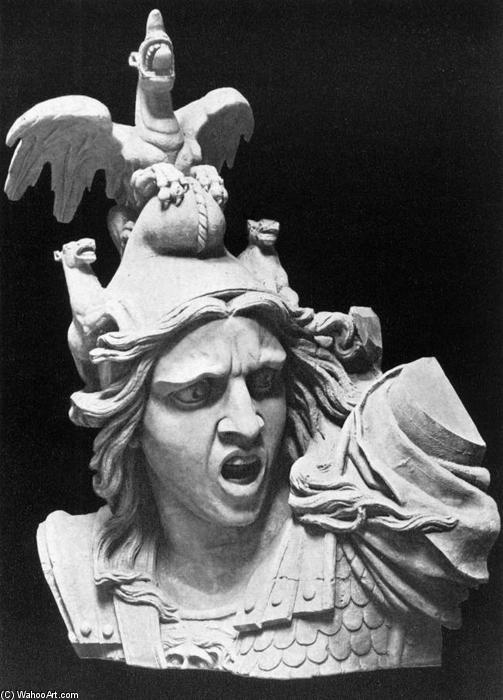
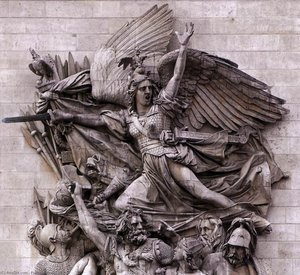
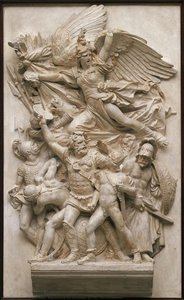
March of the Volunteers of 1792 (detail)


 詳細を見る
詳細を見る
オンラインプレビューをはるかに凌ぐ、高解像度で鮮明なデジタル画像をご購入いただけます。
各ファイルは、社内の専門家が高度なツールと熟練した手作業によるレタッチを用いて、細心の注意を払って準備されています。すべての画像において、卓越した鮮明度、正確な色彩再現性、そして繊細なディテールを保証いたします。
最終ファイルは、プロフェッショナルな編集・印刷環境ですぐにご利用いただけるよう最適化された状態で、72時間以内にメールにてお届けいたします。これは、一流のデザインスタジオ、出版社、ギャラリーから信頼されているものと同等の品質です。
デジタル画像のご注文に付随する特典
高品質なデジタル画像配信を、確かな品質で。
ArtsDot.com を選ぶことは、単に画像を手に入れることではありません。それは、プロの手によって精密に仕上げられ、満足保証が付いた高品質なデジタルアートワークを受け取ることを意味します。ご注文いただいた際に自動的に付随する内容は、以下の通りです:

メールですぐにお届け
ご注文から72時間以内に、高解像度のデジタル画像ファイルがメールでお手元に届きます。すぐにそのままご利用いただけます。

AI技術で最適化されたデジタルファイル
お客様の作品は、高度なAIツールと専門家による手作業の編集を組み合わせてプロフェッショナルに最適化されており、細部のディテール、鮮明さ、そして正確な色再現性を最大限に引き出しています。

一生涯無料の再送サービス
ファイルを誤って削除したり、紛失してしまったりしましたか?ご安心ください。いつでも無料で再送いたします。

輸入手数料は一切かかりません
関税や手数料、配送料を気にすることなく、お気に入りのアートワークをすぐにお楽しみいただけます。デジタルダウンロードは常に免税です。

色彩再現の保証
プロ仕様のツールとカラーマネジメント技術を用いることで、デジタル画像が元の色を最大限に忠実に再現することを保証いたします。

100日間満足保証
ご購入いただいたデジタル画像にご満足いただけない場合は、100日以内であれば、修正または100%の返金(理由を問う必要はありません)をさせていただきます。

100% 返金保証
ご満足いただけない場合は、デジタルファイルを受け取ってから100日以内であれば、理由を問わず全額返金いたします。

まとめ買い割引
3枚購入で10%OFF - 5枚購入で15%OFF - 10枚以上購入で20%OFF。クリエイティブなプロジェクト、ギャラリー、エージェンシーに最適です。
A Cry for Liberty: Deciphering François Rude’s “March of the Volunteers of 1792”
François Rude's "March of the Volunteers of 1792 (detail)" isn’t merely a sculpture; it’s a visceral embodiment of revolutionary fervor, a frozen moment of defiant hope carved from stone. Completed in 1835-36 for the monumental Arc de Triomphe at the Étoile in Paris, this plaster relief—a preparatory model for the colossal work that graces the arch today—captures the raw energy and passionate commitment of France’s citizen army during the tumultuous years of the Revolution. More than a historical record, it's a potent allegory of liberty itself, radiating an intensity that continues to resonate centuries later.
Rude, born in Dijon in 1784, was deeply immersed in the artistic and political currents of his time. His early training under François Devosges instilled a grounding in classical forms, while his subsequent apprenticeship with Pierre Cartellier exposed him to the burgeoning Romantic movement. His relocation to Brussels following the Napoleonic Wars provided fertile ground for experimentation, culminating in a style that masterfully blended Neoclassical precision with the dramatic emotionalism characteristic of Romantic sculpture. This synthesis is powerfully evident in “March of the Volunteers,” where idealized figures are imbued with an almost palpable sense of urgency and determination.
The Anatomy of Emotion: Form, Technique, and Composition
The sculpture’s power lies not just in its subject matter but also in Rude's masterful manipulation of form and technique. Carved from plaster, the relief depicts a diverse group of men – young and old, armed with muskets and sabers – surging forward with unwavering resolve. Rude employs a dynamic pyramidal composition, drawing the viewer’s eye towards the central figure, a woman embodying Liberty herself. Her winged torso, reminiscent of classical goddesses, elevates her above the throng, symbolizing freedom's guiding force. Note the meticulous detail in the rendering of musculature and drapery, reflecting Rude’s deep understanding of anatomy and his commitment to realistic representation. The use of *chiaroscuro* – a dramatic contrast between light and shadow – further enhances the sculpture’s three-dimensionality, creating a sense of depth and movement.
The figures are not static; they appear caught in a perpetual state of forward motion. Rude achieves this through carefully sculpted gestures—raised arms, clenched fists, determined expressions—that convey both strength and vulnerability. The use of strong diagonal lines directs the viewer’s gaze across the composition, reinforcing the sense of momentum and urgency. The inclusion of details like the Phrygian cap worn by some of the figures – a symbol of liberation from slavery in ancient Rome – adds layers of symbolic meaning to the work.
Symbolism and Historical Context: A Revolution Frozen in Stone
“March of the Volunteers of 1792” is inextricably linked to the pivotal events of the French Revolution. It commemorates the Battle of Valmy, a crucial victory for the French army against Prussian forces in 1792 – a moment that effectively halted Napoleon’s invasion and secured France's independence. The sculpture celebrates not just military prowess but also the spirit of civic engagement and patriotic duty that fueled the revolution. The choice of Liberty as the central figure is deliberate, aligning with the revolutionary ideals of equality, fraternity, and liberty.
Interestingly, the work was commissioned during a period of political instability in France, following the restoration of the Bourbon monarchy. The Arc de Triomphe itself became a canvas for competing ideologies – the sculpture on the east face (depicting Napoleon’s triumph) stood in stark contrast to Rude's depiction of revolutionary fervor. This juxtaposition highlights the complex and often contradictory nature of French history during this era.
A Legacy of Inspiration: From Relief to Reproduction
“March of the Volunteers of 1792” has become one of the most recognizable sculptures in the world, largely due to its prominent placement on the Arc de Triomphe. However, the plaster relief itself remains a powerful testament to Rude’s artistic vision and his ability to capture the spirit of an era. Today, high-quality reproductions offer art lovers and interior designers alike the opportunity to experience this iconic work firsthand, bringing its message of liberty and revolution into homes and spaces around the globe.
関連作品
作家の略歴
Early Life and Training
- François Rude was born in Dijon, France, on January 4, 1784, the son of a coppersmith/locksmith.
- His early life involved assisting his father's trade before demonstrating artistic talent.
- He attended François Devosges’s École de Dessin in Dijon, showcasing his burgeoning skills.
- Under the patronage of Louis Frémiet, he began studying with Pierre Cartellier in Paris at the studio of Edme Gaulle in 1805.
- In 1809, his work started gaining recognition, earning him several awards.
- He won the Prix de Rome in 1812 but was unable to travel due to political conditions.
Brussels Period and Marriage
- In 1815, Rude left Paris for Rome but ended up in Brussels with the Frémiets due to political circumstances.
- He married Sophie Frémiet, an accomplished painter, forming a formidable artistic partnership.
- While in Brussels, he executed his first bust of Louis David, gaining significant notice.
Return to Paris and Major Works
- Rude and his wife returned to Paris in 1827, where they remained until his death.
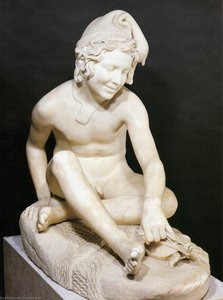
- His notable works include the statue of a Neapolitan Fisherboy Playing with a Tortoise (1831-33), displayed at the Louvre.
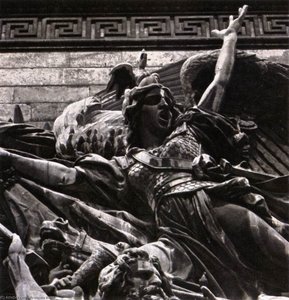
- He was commissioned for the Arc de Triomphe, creating the iconic sculpture "La Marseillaise" (Departure of the Volunteers of 1792) completed in 1836. This is arguably his most famous and significant work.
- Other important sculptures include:
- Bust of Jacques-Louis David
- Statue of Maurice, Count of Saxony
- Head of Christ (plaster cast)
- Bust of James de Montry
- Towards the end of his career, Dijon commissioned a marble sculpture depicting Hebe, the Greek goddess of youth. Rude created the model in 1852 but died before its completion; his nephew finished it.
Style and Influences
- Rude's style bridged Neoclassicism and Romanticism.
- While initially influenced by Neoclassical principles, he increasingly embraced a dynamic and emotional style.
- His work often expressed patriotic themes, reflecting the political climate of his time.
- He was influenced by earlier sculptors like Pierre Cartellier and Edme Gaulle.
- The patronage of Louis Frémiet played a crucial role in his early development.
Later Life and Legacy
- François Rude died on November 3, 1855, in Paris.
- He is remembered for his powerful and expressive sculptures, particularly "La Marseillaise," which remains a symbol of French national identity.
- His work represents a transition from the rigid formality of Neoclassicism to the more emotive and dramatic style of Romanticism.
- Numerous busts and casts of his works are housed in museums such as Musée Rude, Musée des Beaux-Arts de Dijon, and the Louvre.
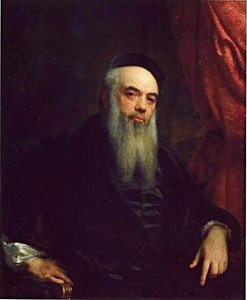
françois rude
1784 - 1855 , France
プロフィール概要
- Artistic Movement Or Style: Neoclassicism & Romanticism
- Artists Who Influenced This Artist:
- Edme Gaulle
- Pierre Cartellier
- Date Of Birth: January 4, 1784
- Date Of Death: November 3, 1855
- Full Name: François Rude
- Nationality: French
- Notable Artworks:
- La Marseillaise
- Napoleon Rising to Immortality
- Head of an Ancient Warrior
- Place Of Birth: Dijon, France