 プレビュー
プレビュー
 プリントを購入
 シェアする
シェアする シェアする
シェアする
 詳細を見る
詳細を見る

 ダウンロード
 似ている作品
 X線調査
X線調査 スライドショー
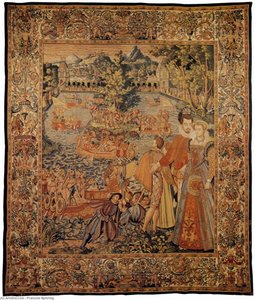
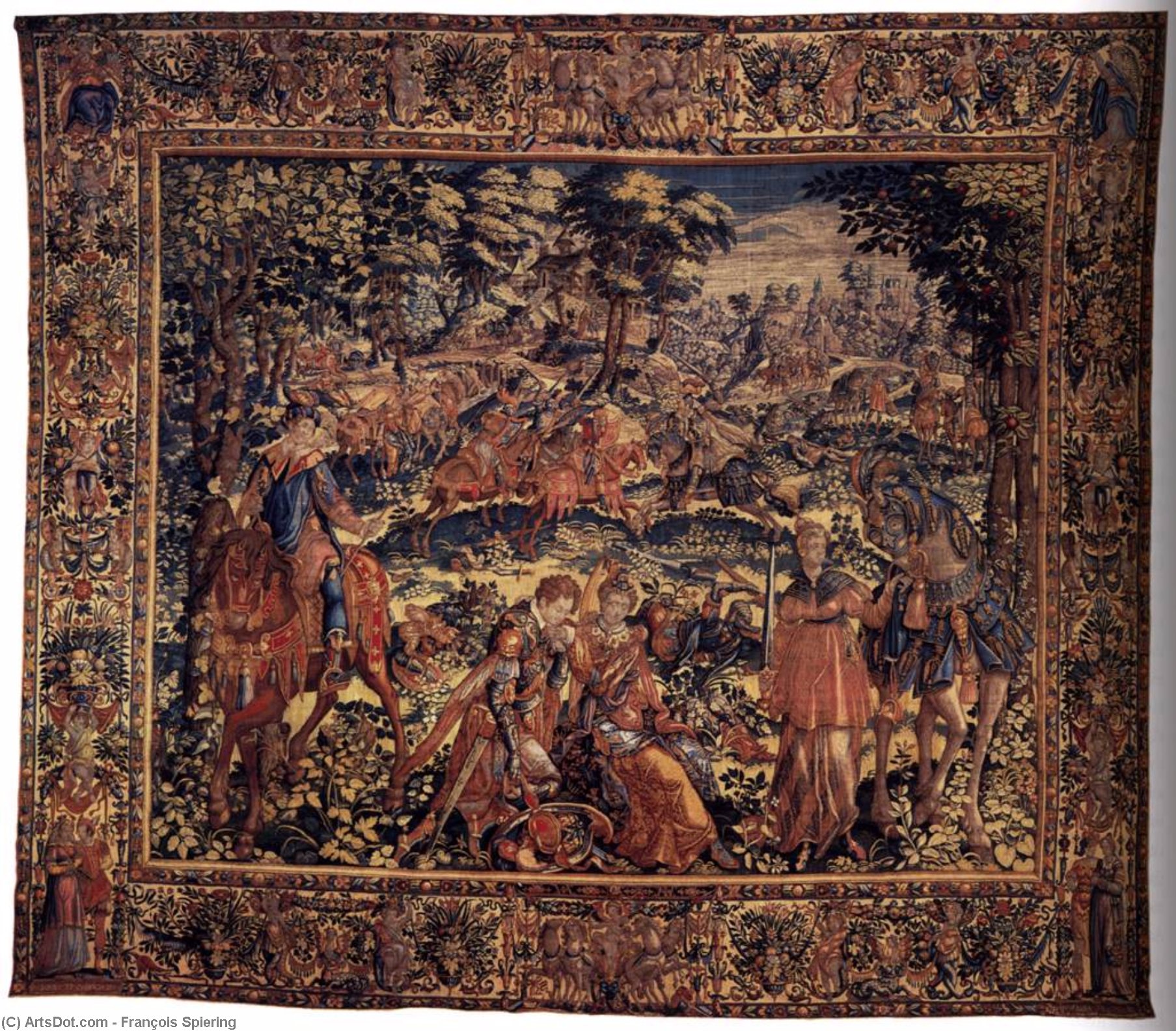
The Liberation of Oriane
 1590
1590 348.0 x 396.0 cm
 詳細を見る
詳細を見る




































作品のオリジナル比率に合わせた、当店の規定サイズからお選びください。

特定のフレームやスペースに合わせて、ご希望のサイズをご入力いただけます。選択されたサイズが元の画像の比率と異なる場合、アートワークをトリミングするか、手描きで要素を追加して絵画を拡張いたします。デジタルモックアップ を制作し、制作開始前にご確認(承認)をいただきます。
画面上のプレビューは、実際のトリミングや拡張を正確に反映しているものではありません。最終的な構図は、モックアップによってのみ正確にご確認いただけます。
カスタムサイズもご利用いただけますが、元の比率を維持するためには、あらかじめ用意されたリストからサイズを選択することをお勧めいたします。
ご注文後、ArtsDot.com チームより詳細な指示をお送りするとともに、仕上がりイメージ(モックアップ)をご提供いたします。


 ガラスオプションは、110cm未満のサイズでのみご利用いただけます。

The Liberation of Oriane
複製技法
複製画のサイズ
-


合計金額
$ 263
作品解説
Artistic Style and Influences
The The Liberation of Oriane painting is characteristic of the Medieval Art Movement, which was marked by significant cultural and religious changes. The use of gold leaf and intricate designs are typical of this period, where art served a primarily functional purpose, often used for religious or ideological purposes.Composition and Symbolism
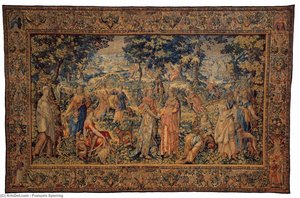
The painting features a group of figures engaged in a narrative scene, surrounded by intricate designs and patterns. The central figure is seated, while others stand and interact with each other. The clothing and attire of the figures suggest a high level of detail and craftsmanship, with long robes, armor, and headdresses. The background features elements such as trees and a landscape or garden setting, adding depth to the scene. Key Features of the painting include:- Intricate designs and patterns
- Use of gold leaf
- Narrative scene with multiple figures
- Attention to detail in clothing and attire
Artist and Artistic Context
François Spiering was a skilled artist who created The Liberation of Oriane, a painting that showcases his mastery of technique and style. The painting is similar to other works of the time, such as those by Robert Campin (Master Of Flemalle) and Lluis Borrassa, which can be found on ArtsDot.com. The Städelsches Kunstinstitut museum in Frankfurt, Germany, is also home to notable works of art from this period.The The Liberation of Oriane painting is a remarkable example of medieval art, with its intricate designs, use of gold leaf, and narrative scene. As a masterpiece of the Medieval Art Movement, it continues to inspire and captivate art lovers today.
関連作品





アーティストの略歴
François Spiering: Master of Dramatic Biblical Visions
Born in Flanders, Belgium, around 1549 and passing away in 1631, François Spiering remains a captivating figure within the history of Northern Renaissance art. While often overshadowed by his contemporaries, Spiering’s distinctive style – characterized by dramatic compositions, meticulous detail, and a masterful command of color – secured him a prominent place as a leading painter of biblical scenes and portraits during his time. His legacy is particularly evident in the collections of institutions like Fontainebleau and Cherbourg, where his works continue to draw admiration for their emotional intensity and technical brilliance.
Spiering’s early life remains somewhat shrouded in mystery, though it's believed he honed his skills within the bustling artistic environment of Antwerp. The city was a major center for textile production, particularly carpet weaving, and many painters found employment designing intricate patterns and figurative scenes for these luxurious creations. This connection to the tapestry workshop profoundly shaped Spiering’s career, influencing his compositional choices and his ability to render complex narratives with remarkable clarity. He arrived in Delft around 1592, seeking new opportunities after disruptions in Antwerp, establishing a thriving business that quickly gained renown.
The Tapestry Master: Technique and Influence
Spiering’s most celebrated work lies within the realm of tapestry design. He wasn't merely a decorator; he was a storyteller who translated biblical narratives into visually arresting images. His tapestries, often commissioned by wealthy patrons, were not simply decorative objects but powerful statements of faith and artistic skill. A key element of his technique involved meticulous attention to detail – from the folds of drapery to the expressions on the faces of his figures – creating a sense of palpable realism that was remarkably advanced for its time. He employed a vibrant color palette, utilizing rich reds, blues, and golds to heighten the drama and emotional impact of each scene.
Spiering’s workshop attracted talented assistants, most notably Karel van Mander the Younger, whose designs contributed significantly to the company's output. Van Mander’s ambition led him to eventually establish his own workshop, a move that resulted in a notable dispute over commissions. The influence of Spiering is also seen in the work of Pieter and Aert Spiering, his sons, who continued the family business after his death, preserving and expanding upon their father's artistic legacy.
Notable Works: Dramatic Narratives
Several of Spiering’s works offer compelling glimpses into his artistic vision. “Amadigi Rescuing Oriana” (1598) exemplifies his ability to convey intense emotion through dynamic composition and carefully rendered figures. The scene, drawn from Amadigi di Gaula by Tasso, is filled with dramatic tension as Amadigi attempts to rescue his beloved Oriana. “The Meeting between David and Abigail” showcases his skill in depicting intimate moments of human interaction, capturing the vulnerability and uncertainty of the characters involved. His “Scenes from the Amadigi di Gaula” further demonstrate his capacity for complex storytelling, bringing the epic poem to life with vivid detail and emotional resonance.
Legacy and Historical Significance
François Spiering’s contribution to 16th-century art extends beyond his individual works. He represents a pivotal link between the Mannerist style of Fontainebleau and the emerging Baroque aesthetic. His dramatic compositions, rich color palettes, and meticulous attention to detail foreshadowed many of the characteristics that would define later generations of artists. His tapestries, now housed in museums like Fontainebleau and Cherbourg, provide invaluable insights into the artistic practices and cultural values of his time. Furthermore, research by institutions like the RKD (Koninklijk Instituut voor Kunstgeschiedenis) continues to shed light on the life and work of this often-overlooked master, ensuring that his legacy endures.
His connection to Delft’s artistic community is also noteworthy; he was a respected figure within the city's guild system, contributing significantly to its vibrant cultural landscape. The influence of Spiering can be seen in the work of subsequent generations of artists, solidifying his place as a key player in the development of Northern Renaissance art.
françois spiering
1549 - 1631 , Belgium
基本情報
- Artistic Movement Or Style: Renaissance, Mannerism
- Artists Who Influenced This Artist: ['None],\n "Artists or movements influenced by this artist": [None']
- Date Of Birth: 1549, Flanders, Belgium
- Date Of Death: 1631
- Full Name: François Spiering
- Nationality: Flemish
- Notable Artworks:
- Amadigi Rescuing Oriana
- The Meeting between David and Abigail
- Scenes from the Amadigi di Gaula
- Place Of Birth: Flanders, Belgium