

 プレビュー
プレビュー
 プリントを購入
 シェアする
シェアする シェアする
シェアする
 詳細を見る
詳細を見る

 ダウンロード
 似ている作品
 X線調査
X線調査 スライドショー
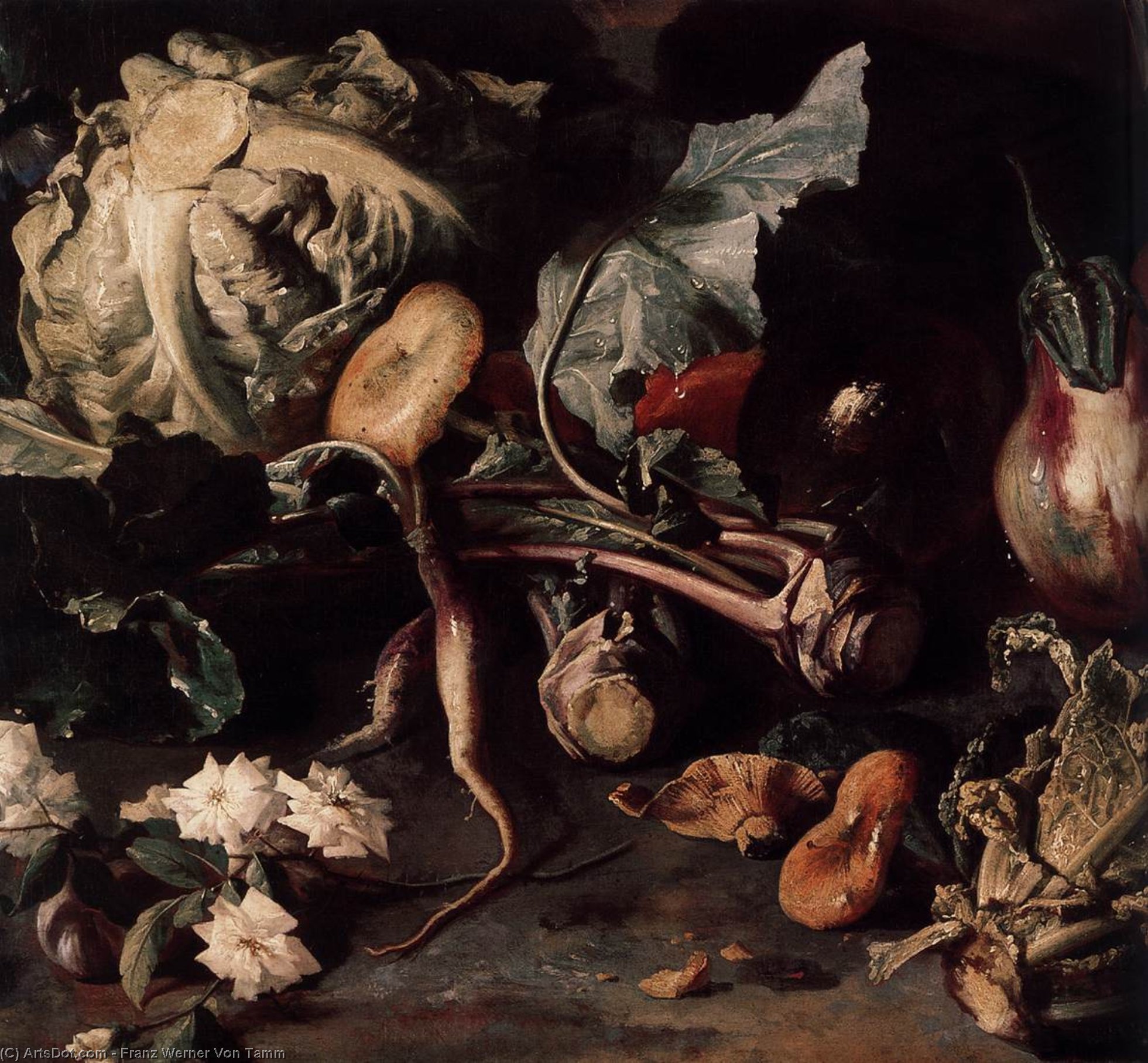
Flowers, Fruit, and Poultry (detail)


 詳細を見る
詳細を見る




P118B $10

P118H $10

P118W $10

P438Z $10

P508JH $12

P508YH $12

P805H $10

P805Z $10

P919BZ $10

P919G $10

P919XJ $10

P959ZH $10

P968JZ $12

W106C $8

W218G $10

W218JH $8

W218Y $10

W307PJ $10

W316G $10

W316PJ $8

W316Y $10

W398PJ $8

W4111J $10

W500HY $15

W500JH $15

W692G $12

W849H $8

W940BG $15

W953PJ $8




作品のオリジナル比率に合わせた、当店の規定サイズからお選びください。

特定のフレームやスペースに合わせて、ご希望のサイズをご入力いただけます。選択されたサイズが元の画像の比率と異なる場合、アートワークをトリミングするか、手描きで要素を追加して絵画を拡張いたします。デジタルモックアップ を制作し、制作開始前にご確認(承認)をいただきます。
画面上のプレビューは、実際のトリミングや拡張を正確に反映しているものではありません。最終的な構図は、モックアップによってのみ正確にご確認いただけます。
カスタムサイズもご利用いただけますが、元の比率を維持するためには、あらかじめ用意されたリストからサイズを選択することをお勧めいたします。
ご注文後、ArtsDot.com チームより詳細な指示をお送りするとともに、仕上がりイメージ(モックアップ)をご提供いたします。


 ガラスオプションは、110cm未満のサイズでのみご利用いただけます。

Flowers, Fruit, and Poultry (detail)
複製技法
複製画のサイズ
-


合計金額
$ 263
作品解説
A Symphony of Abundance: The Art of the Still Life
In the delicate dance of light and shadow, Flowers, Fruit, and Poultry (detail) emerges as a breathtaking testament to the Baroque mastery of Franz Werner von Tamm. This exquisite detail captures a moment of suspended animation, where the bounty of the earth is presented with a reverence that transcends mere depiction. At the heart of this composition lies a magnificent pumpkin, its ribbed texture and earthy tones serving as an anchor for the eye, surrounded by a curated selection of nature's finest offerings. Scattered apples, rendered with such precision that one can almost sense their crisp skin, lead the viewer’s gaze across a landscape of abundance, while the subtle presence of carrots adds a grounded, rustic charm to the arrangement. It is a scene that celebrates the tactile beauty of the harvest, inviting the observer to linger on every curve and color.
The technique employed by von Tamm reflects his profound connection to the Northern European tradition, blended seamlessly with the dramatic flair of the Roman Baroque. Through meticulous brushwork, the artist achieves a hyper-realistic quality that breathes life into inanimate objects. The play of light across the surfaces—the soft sheen on an apple, the matte texture of a vegetable—creates a sense of three-dimensional depth that is nothing short of hypnotic. This mastery of chiaroscuro does more than just define form; it imbues the still life with a soulful vitality, transforming a simple collection of produce into a dramatic stage where light and shadow perform their eternal duet.
Historical Resonance and Symbolic Depth
Created in 1707, this work sits at a fascinating crossroads of European art history. As a member of the prestigious Bentvueghels guild, von Tamm brought a unique perspective to his canvases, merging the meticulous botanical accuracy of the Flemish school with the grand, emotive compositions favored in Italy and Austria. This specific detail serves as a window into the 18th-century fascination with the concept of nature morte—the "dead nature"—which paradoxically feels so vibrantly alive. Beyond the visual feast, such arrangements often carried deep symbolic weight, representing the fleeting nature of life, the richness of the earth's blessings, and the cyclical rhythm of growth and decay.
For the discerning collector or interior designer, this piece offers much more than mere decoration; it provides a focal point of profound elegance. The warm, autumnal palette and the classical arrangement make it an ideal centerpiece for spaces that demand sophistication and warmth, such as a formal dining room or a stately library. A high-quality reproduction of this work allows the timeless allure of von Tamm’s vision to inhabit modern interiors, bridging the gap between the historical grandeur of the Baroque era and the contemporary desire for soulful, narrative-driven art. To possess such a piece is to invite a sense of quiet contemplation and enduring luxury into one's home.
関連作品
アーティストの略歴
A Master of the Baroque Bloom: The Life and Legacy of Franz Werner von Tamm
In the grand, theatrical tapestry of the Baroque era, few artists captured the delicate tension between fleeting beauty and enduring grandeur as masterfully as Franz Werner von Tamm. Born in the industrious city of Hamburg in 1658, von Tamm’s journey was one of profound movement, a nomadic odyssey that saw him weave together the meticulous traditions of Northern Europe with the dramatic, sun-drenched sensibilities of Italy and the imperial splendor of Austria. His life serves as a vibrant chronicle of an era where artistic boundaries were fluid, and the exchange of ideas across borders birthed some of the most exquisite imagery in Western art history.
Von Tamm’s early years in Germany provided him with a rigorous foundation, as he studied under the capable hands of Dietrich von Sosten and Johann Joachim Pfeiffer. Yet, it was his migration to Rome in 1685 that would truly ignite his creative spirit. Within the eternal city, he found himself immersed in a cosmopolitan circle of Flemish artists, most notably under the guidance of the legendary Carlo Maratta. This period of Roman apprenticeship was transformative; it allowed him to infuse his Northern training with the classical elegance and dramatic light characteristic of the Italian Baroque. It was during this time that he joined the prestigious Bentvueghels—the society of Dutch and Flemish artists in Rome—adopting the evocative moniker "Dapper," a name that perhaps hinted at the precision and vitality found within his botanical studies.
The Art of the Still Life and the Hunt
To gaze upon a von Tamm canvas is to enter a world where every petal, every drop of dew, and every shadow holds significant weight. He became celebrated for his ability to elevate the still life from mere decoration to a profound meditation on nature. Influenced heavily by the Flemish master David de Coninck, von Tamm developed a style that blended meticulous realism with a certain Baroque opulence. His compositions often featured lush floral arrangements and bountiful fruit, sometimes set against the backdrop of antique vases or classical reliefs, creating a dialogue between the ephemeral life of a flower and the permanence of stone.
Beyond the quietude of his floral studies, von Tamm possessed a remarkable versatility, excelling in the more vigorous genre of hunting scenes. Drawing inspiration from the works of Frans Snyders and Jan Fyt, he captured the raw energy of the chase and the anatomical splendor of animals with a technique that was both robust and refined. His palette, often characterized by somewhat dark, heavy colors and a thick, expressive application of paint, lent his hunting pieces a sense of weight and drama reminiscent of Giovan Battista Ruoppolo. This ability to pivot from the delicate intimacy of a single blossom to the sweeping action of a woodland hunt solidified his reputation as a truly multifaceted talent.
Imperial Splendor and Final Years in Vienna
The trajectory of von Tamm’s career reached its zenith when he moved toward the heart of the Holy Roman Empire. After a period in Passau, he arrived in Vienna, where his talents were recognized by the highest echelons of society. His appointment as a court painter to the imperial court was not merely a professional milestone but a testament to his ability to satisfy the sophisticated tastes of the Habsburgs. In the Viennese capital, his work evolved once more, moving toward a style that echoed the luminous and refined elegance of Jan van Huysum.
As he settled into his role within the imperial circle, von Tamm’s influence continued to ripple through the artistic community. He was not only a creator but also an educator, passing his knowledge to the next generation, including his pupil Pietro Navarra. His legacy is defined by this seamless integration of diverse European traditions:
- The German Foundation: A disciplined approach to detail and botanical accuracy.
- The Roman Influence: The infusion of classical composition and dramatic chiaroscuro.
- The Flemish Spirit: An appreciation for the abundance, texture, and energy of nature.
- The Viennese Culmination: A refined, courtly elegance that defined late Baroque aesthetics.
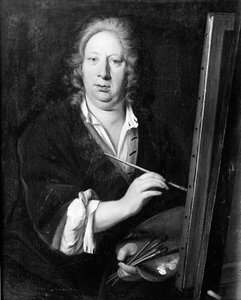
Franz Werner von Tamm
1658 - 1724 , Germany
基本情報
- Artistic Movement Or Style: Baroque
- Artists Or Movements Influenced By This Artist: ['Dutch Golden Age']
- Artists Who Influenced This Artist:
- David de Koninck
- Carlo Maratta
- Date Of Birth: Hamburg, Germany (1658)
- Date Of Death: 1724
- Full Name: Franz Werner von Tamm
- Nationality: German
- Notable Artworks:
- Dead birds
- Still life with a musk melon.
- Flowers, Fruit, and Poultry (detail)
- Place Of Birth: Hamburg
関連記事

バロック美術を極めた至宝:時代を彩る10大名作の世界
バロック美術の華!カラヴァッジョ、ベルニーニら巨匠が創り上げた10大名作を徹底解剖。ドラマチックな色彩と豪華絢爛の世界観に触れ、至宝のアートプリントで空間を彩ろう。ArtsDot.comで美術館品質の複製と洗練されたインテリアを見つけましょう!

バロックのドラマ:現代のインテリアに壮麗さと情感を取り込む
バロック様式の歴史、絵画、家具の魅力をご紹介。ArtsDotでは、高品質な油絵複製やカスタムポートレートをご提供し、現代のインテリアに壮麗さと情感を取り入れます。アートコンサルテーションも承ります。

The Dramatic Flourish: Exploring the Baroque Movement's Enduring Legacy in Art History
Explore the dramatic world of Baroque art! Discover iconic artists like Caravaggio & Rubens, defining techniques, and its lasting impact on art history. Expert insights for collectors & enthusiasts at ArtsDot.
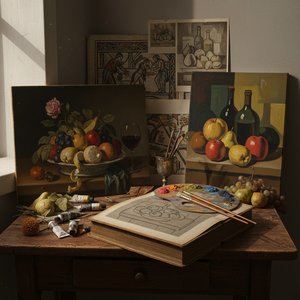
Silent Narratives: Exploring the Enduring Appeal of Still Life Painting Across Centuries
Explore the rich history of still life painting with ArtsDot. Discover Dutch Masters, decode vanitas symbolism & learn about collecting timeless art. Expert insights and museum-quality reproductions.

The Visceral Stage: Exploring Dramatic Narratives & Emotional Intensity in Baroque Art
Explore the dramatic world of Baroque art! Discover iconic masters like Caravaggio & Rembrandt, their techniques, and the movement's lasting impact. Expert insights for collectors & enthusiasts at ArtsDot.

