

 プレビュー
プレビュー
 プリントを購入
 シェアする
シェアする シェアする
シェアする
 詳細を見る
詳細を見る

 ダウンロード
 似ている作品
 X線調査
X線調査 スライドショー
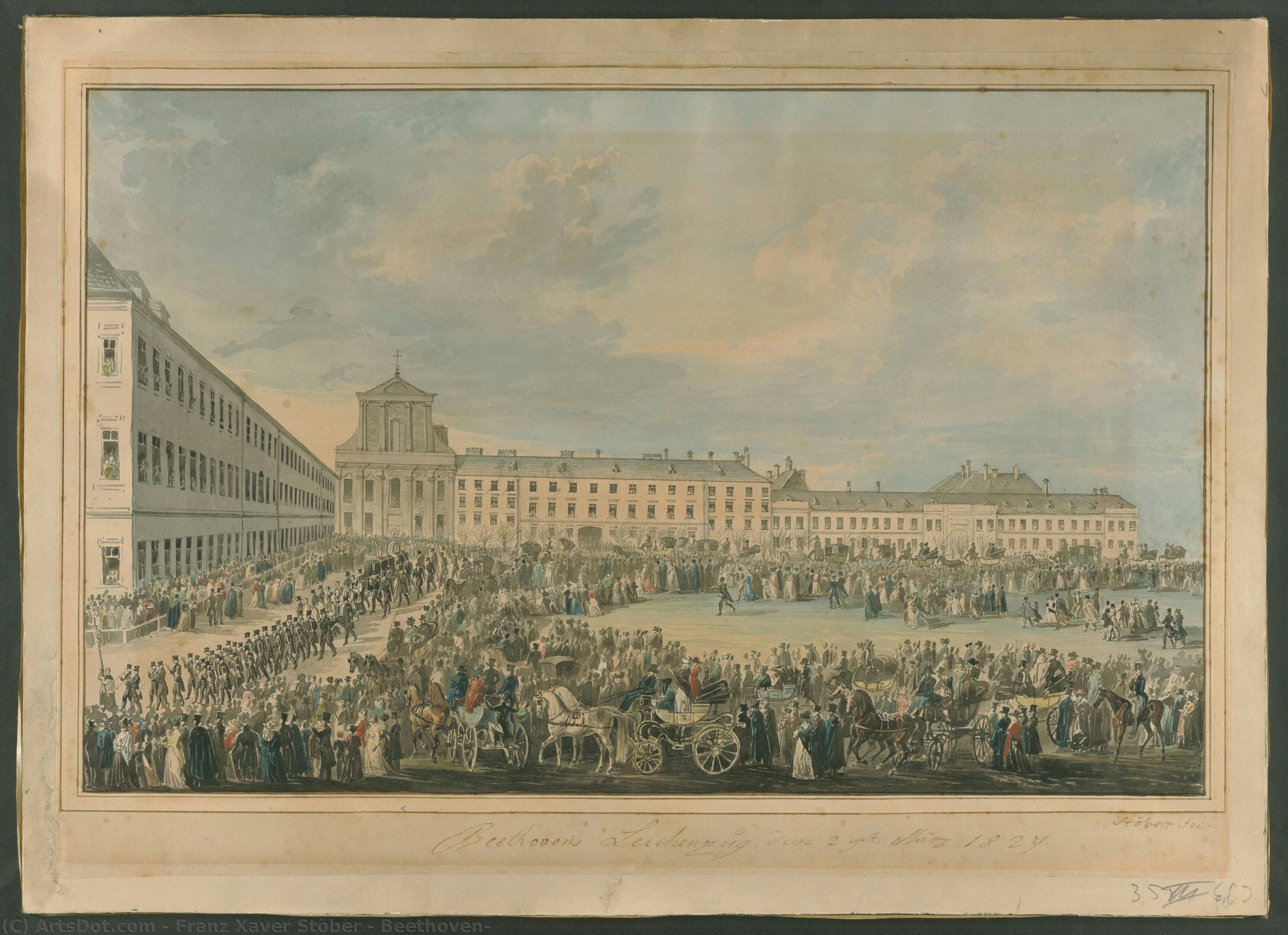
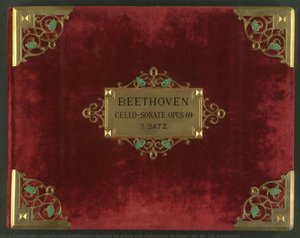
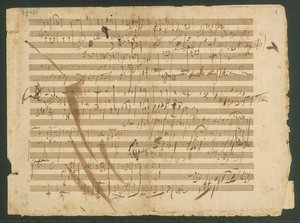
ベートーヴェン
 キャンバスにアクリル絵具
- ウォールアート
- Romanticism
 1827
1827 41.0 x 59.0 cm
 Beethoven-Haus Bonn
 詳細を見る
詳細を見る
オンラインプレビューをはるかに凌ぐ、高解像度で鮮明なデジタル画像をご購入いただけます。
各ファイルは、社内の専門家が高度なツールと熟練した手作業によるレタッチを用いて、細心の注意を払って準備されています。すべての画像において、卓越した鮮明度、正確な色彩再現性、そして繊細なディテールを保証いたします。
最終ファイルは、プロフェッショナルな編集・印刷環境ですぐにご利用いただけるよう最適化された状態で、72時間以内にメールにてお届けいたします。これは、一流のデザインスタジオ、出版社、ギャラリーから信頼されているものと同等の品質です。
デジタル画像のご注文に付随する特典
高品質なデジタル画像配信を、確かな品質で。
ArtsDot.com を選ぶことは、単に画像を手に入れることではありません。それは、プロの手によって精密に仕上げられ、満足保証が付いた高品質なデジタルアートワークを受け取ることを意味します。ご注文いただいた際に自動的に付随する内容は、以下の通りです:

メールですぐにお届け
ご注文から72時間以内に、高解像度のデジタル画像ファイルがメールでお手元に届きます。すぐにそのままご利用いただけます。

AI技術で最適化されたデジタルファイル
お客様の作品は、高度なAIツールと専門家による手作業の編集を組み合わせてプロフェッショナルに最適化されており、細部のディテール、鮮明さ、そして正確な色再現性を最大限に引き出しています。

一生涯無料の再送サービス
ファイルを誤って削除したり、紛失してしまったりしましたか?ご安心ください。いつでも無料で再送いたします。

輸入手数料は一切かかりません
関税や手数料、配送料を気にすることなく、お気に入りのアートワークをすぐにお楽しみいただけます。デジタルダウンロードは常に免税です。

色彩再現の保証
プロ仕様のツールとカラーマネジメント技術を用いることで、デジタル画像が元の色を最大限に忠実に再現することを保証いたします。

100日間満足保証
ご購入いただいたデジタル画像にご満足いただけない場合は、100日以内であれば、理由を問わず修正または100%の返金対応をさせていただきます。

100% 返金保証
ご満足いただけない場合は、デジタルファイルを受け取ってから100日以内であれば、理由を問わず全額返金いたします。

まとめ買い割引
3枚購入で10%OFF - 5枚購入で15%OFF - 10枚以上購入で20%OFF。クリエイティブなプロジェクト、ギャラリー、エージェンシーに最適です。
ベートーヴェンの風景画:フランツ・ザッハルト・ストエーバーの芸術的探求
ベートーヴェンの風景画は、オーストリアの画家フランツ・ザッハルト・ストエーバーによって制作された作品です。この絵画は、1827年にウィーンで描かれました。ストエーバーは、ロマン主義の影響を受けた印象的な風景画を多く残しており、彼の芸術的探求は音楽家ベートーヴェンの人生と時代背景に深く関わっています。特にこの作品は、ウィーンの街並みを舞台にしたものであり、活気あふれる都市生活を捉えた美しい色彩使いが特徴です。ストエーバーは、当時のヨーロッパ美術における技術革新を牽引し、繊細な筆致で風景の情熱と感動を表現しました。- 作品タイトル: ベートーヴェン
- 画家: フランツ・ザッハルト・ストエーバー
- 制作年: 1827年
- サイズ: 幅41cm、高さ59cm
- 技法: 水彩画
関連作品
作家の略歴
Ary Scheffer: A Painter of Romantic Visions
Ary Scheffer (1795–1858) stands as a compelling figure in 19th-century European art, a painter whose career was inextricably linked to the currents of Romanticism and the intellectual ferment of his time. Born in Amsterdam to a family steeped in artistic tradition – his father, Johan Bernard Scheffer, was a renowned portraitist, and his mother, Cornelia Lamme, a celebrated miniature artist – Ary inherited a legacy of visual skill and an appreciation for the power of art. However, he forged his own distinctive path, becoming known primarily for his evocative paintings that drew inspiration from literature, mythology, and the philosophical ideas of his era. His life was marked by both artistic success and political entanglement, culminating in a poignant exile to France.Early Life and Artistic Training
Scheffer’s early years were shaped by a rigorous education overseen by his parents, who recognized his prodigious talent. He began drawing at the age of eleven in Amsterdam, receiving instruction from prominent local artists. A pivotal moment arrived with the encouragement of Willem Bilderdijk, a celebrated Dutch writer and critic, who recognized Scheffer's potential and urged him to pursue further studies in Paris. In 1811, along with his mother, he embarked on this journey, settling in the heart of artistic Paris. There, he enrolled at the École des Beaux-Arts, studying under Pierre-Narcisse Guérin, a respected master known for his Neoclassical style. However, Scheffer’s artistic sensibilities quickly transcended mere imitation; he sought to infuse his work with the emotional intensity and dramatic narratives characteristic of Romanticism. His family connections provided a degree of financial security, allowing him to dedicate himself fully to his art, while also exposing him to the vibrant cultural landscape of Paris.Themes and Style: Literature as Inspiration
Scheffer’s artistic output is remarkably diverse, yet united by a consistent thematic focus: the power of literature to ignite the imagination. He frequently depicted scenes from classic works – Dante's *Inferno*, Goethe’s *Faust*, Lord Byron’s poetry – transforming these literary narratives into visually arresting paintings. These weren’t simply illustrations; Scheffer meticulously researched and interpreted the source material, imbuing his compositions with a profound sense of atmosphere and psychological depth. His style was characterized by a refined elegance, a mastery of light and shadow, and a subtle use of color that created an almost dreamlike quality. He employed a loose, expressive brushstroke, prioritizing mood and feeling over precise detail – a hallmark of the Romantic movement. Scheffer’s portraits were equally notable, capturing not just physical likeness but also revealing glimpses into the personalities of his subjects. He was particularly adept at portraying figures with a sense of melancholy or introspection, reflecting the prevailing Romantic preoccupation with emotion and the sublime.Political Connections and Exile
Scheffer’s life took an unexpected turn during the tumultuous years following the French Revolution. He became closely associated with King Louis Philippe I of France, serving as a teacher to the royal children and enjoying a period of considerable wealth and influence. This connection, however, proved precarious in the face of growing political unrest. Following the 1848 revolution that overthrew Louis-Philippe, Scheffer found himself exiled from France, forced to relocate to England. This exile marked a significant shift in his artistic focus, as he increasingly turned to religious subjects and scenes of historical significance, often reflecting on themes of loss and redemption. Despite the challenges he faced, Scheffer continued to paint prolifically throughout his life, producing works that demonstrate both his technical skill and his enduring sensitivity to the human condition.Legacy and Historical Significance
Ary Scheffer’s legacy is one of quiet brilliance. He wasn't a flamboyant figure or a revolutionary innovator, but rather a meticulous artist who skillfully captured the spirit of his time. His paintings offer a valuable window into the intellectual and artistic currents of the Romantic era, revealing the profound influence of literature on visual art. His ability to translate complex literary themes into compelling visual narratives cemented his place as one of the most important painters of the 19th century. Scheffer’s work continues to be appreciated for its beauty, emotional depth, and enduring relevance, reminding us of the power of art to illuminate the human experience. His life story—a blend of artistic talent, political entanglement, and personal exile—adds another layer of intrigue to his already compelling artistic output.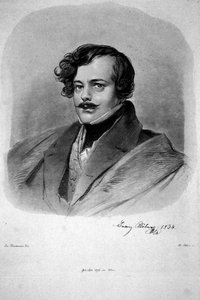
franz xaver stöber
1795 - 1858