

 プレビュー
プレビュー
 シェアする
シェアする シェアする
シェアする
 詳細を見る
詳細を見る

 ダウンロード
 似ている作品
 X線調査
X線調査 スライドショー
 統計情報
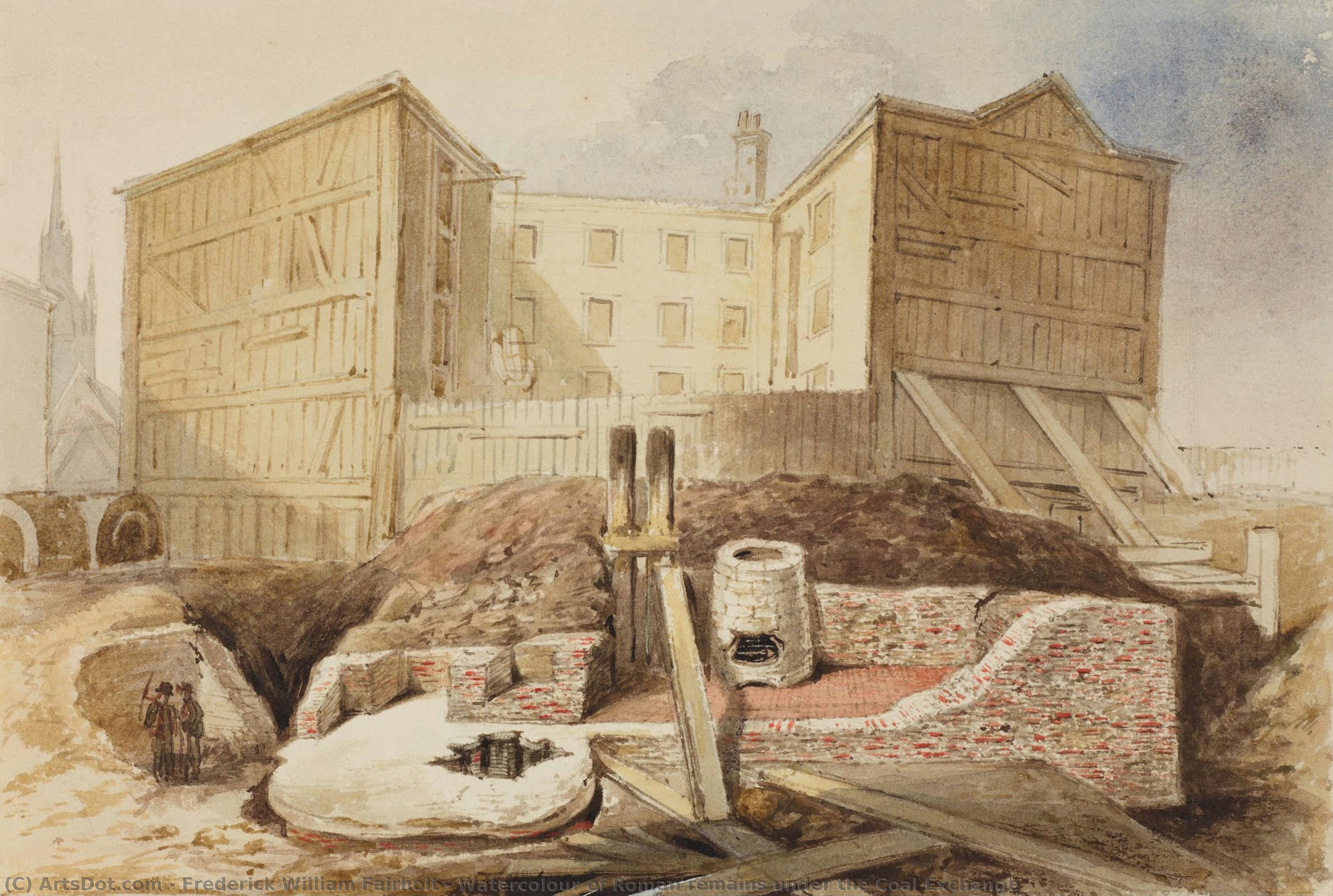
統計情報Watercolour of Roman remains under the Coal Exchange


 詳細を見る
詳細を見る
オンラインプレビューをはるかに凌ぐ、高解像度で鮮明なデジタル画像をご購入いただけます。
各ファイルは、社内の専門家が高度なツールと熟練した手作業によるレタッチを用いて、細心の注意を払って準備されています。すべての画像において、卓越した鮮明度、正確な色彩再現性、そして繊細なディテールを保証いたします。
最終ファイルは、プロフェッショナルな編集・印刷環境ですぐにご利用いただけるよう最適化された状態で、72時間以内にメールにてお届けいたします。これは、一流のデザインスタジオ、出版社、ギャラリーから信頼されているものと同等の品質です。
デジタルアート
個人での鑑賞、印刷、クリエイティブなプロジェクト用に、高解像度ファイルをダウンロードできます。 ( プリント版に切り替え 手描きの絵画を購入)
デジタル画像のご注文に付随する特典
高品質なデジタル画像配信を、確かな品質で。
ArtsDot.com を選ぶことは、単に画像を手に入れることではありません。それは、プロの手によって精密に仕上げられ、満足保証が付いた高品質なデジタルアートワークを受け取ることを意味します。ご注文いただいた際に自動的に付随する内容は、以下の通りです:

メールですぐにお届け
ご注文から72時間以内に、高解像度のデジタル画像ファイルがメールでお手元に届きます。すぐにそのままご利用いただけます。

AI技術で最適化されたデジタルファイル
お客様の作品は、高度なAIツールと専門家による手作業の編集を組み合わせてプロフェッショナルに最適化されており、細部のディテール、鮮明さ、そして正確な色再現性を最大限に引き出しています。

一生涯無料の再送サービス
ファイルを誤って削除したり、紛失してしまったりしましたか?ご安心ください。いつでも無料で再送いたします。

輸入手数料は一切かかりません
関税や手数料、配送料を気にすることなく、お気に入りのアートワークをすぐにお楽しみいただけます。デジタルダウンロードは常に免税です。

色彩再現の保証
プロ仕様のツールとカラーマネジメント技術を用いることで、デジタル画像が元の色を最大限に忠実に再現することを保証いたします。

100日間満足保証
ご購入いただいたデジタル画像にご満足いただけない場合は、100日以内であれば、理由を問わず修正または100%の返金対応をさせていただきます。

100% 返金保証
ご満足いただけない場合は、デジタルファイルを受け取ってから100日以内であれば、理由を問わず全額返金いたします。

まとめ買い割引
3枚購入で10%OFF - 5枚購入で15%OFF - 10枚以上購入で20%OFF。クリエイティブなプロジェクト、ギャラリー、エージェンシーに最適です。
A Snapshot of Victorian Progress: Frederick William Fairholt’s Watercolor Depiction of Roman Remains Under the Coal Exchange
Frederick William Fairholt's watercolor painting, “Watercolour of Roman remains under the Coal Exchange,” offers a fascinating glimpse into London’s burgeoning cityscape during the mid-19th century. Executed in 1848, this artwork isn’t merely a depiction of architectural ruins; it’s a carefully crafted visual narrative reflecting the anxieties and aspirations of Victorian Britain – specifically its ambition to reconcile tradition with innovation.
- Subject Matter: The scene portrays a partially demolished Roman villa alongside a newly constructed Coal Exchange building. This juxtaposition immediately establishes a dialogue between antiquity and modernity, symbolizing the transformative power of industrialization on London’s cultural landscape.
- Style & Technique: Fairholt employs a realist style characterized by meticulous detail—particularly evident in the depiction of brickwork, stone, and the machinery involved in excavation. Watercolor techniques are skillfully utilized to achieve a muted tonal palette, emphasizing atmospheric perspective and conveying a sense of quiet contemplation. The artist’s layering approach builds up color gradually, creating textures that bring the scene to life.
Historical Context: Victorian London & Architectural Transformation
London in 1848 was experiencing unprecedented growth fueled by industrial expansion and immigration. This period witnessed ambitious architectural projects designed to elevate the city’s status as a global center of commerce and culture. The Coal Exchange, representing this ambition, stood as a testament to Victorian engineering prowess—a bold assertion of progress against the fading grandeur of Roman heritage.
- Symbolism: Beyond its architectural representation, the painting speaks to broader themes of change and decay. The excavation site symbolizes the dismantling of old structures to make way for new ones – a visual metaphor for societal evolution.
- Perspective & Composition: Fairholt’s elevated viewpoint draws the viewer into the scene, emphasizing the scale of the construction project and inviting contemplation on its impact. Vertical lines dominate the composition, mirroring the towering buildings, while horizontal lines delineate the ground level and contribute to a sense of stability amidst dynamic activity.
Detailed Examination: Composition & Artistic Execution
The artist’s attention to detail is remarkable—particularly in capturing the textures of stone, brickwork, and the intricate workings of the excavation machinery. A large stone wheel dominates the foreground, symbolizing labor and engineering ingenuity. Supporting pillars reinforce the structural integrity of the site, grounding the composition visually.
- Lighting & Color Palette: Diffused daylight lends a soft glow to the scene, enhancing the muted color palette typical of watercolor painting. The artist skillfully utilizes tonal variations to create depth and atmosphere, guiding the viewer’s eye across the canvas.
- Emotional Impact: “Watercolour of Roman remains under the Coal Exchange” evokes a feeling of quiet grandeur—a contemplative reflection on London's past and its relentless march toward the future. It serves as an enduring reminder of Victorian ambition and artistic sensitivity.
Concluding Remarks
Frederick William Fairholt’s watercolor transcends mere documentation; it’s a masterful distillation of Victorian intellectual curiosity and artistic skill. This artwork remains a compelling visual record of London's transformation during a pivotal moment in history—a testament to the enduring power of art to capture both the tangible world and its underlying symbolic significance.
関連作品

![Norvins Street [rue Norvins] — モリス・ウトリロ, Post-impressionism](/media/artworks/images-thumb/e2/3b/e23bb53b389774acf740aedb2351630f.jpg)


作家の略歴
Early Life and Background
Frederick William Fairholt was born in London, United Kingdom, in 1814 to a German family. His father, originally named Fahrholz, was a tobacco manufacturer who anglicized the name to Fairholt. Frederick's early life wasn’t extensively documented, but it is known that he worked within his father’s business before pursuing artistic endeavors. He demonstrated an aptitude for drawing from a young age, receiving lessons and filling notebooks with sketches. This early talent was recognized when he won the silver ‘Isis’ medal of the Society of Arts for one of his drawings. His family background, though German in origin, deeply rooted him within London's cultural landscape.Career as an Engraver and Illustrator
Fairholt’s career blossomed through a combination of artistic skill and entrepreneurial opportunities. He initially worked as a print colorist before becoming an assistant to wood engraver S. Sly. This apprenticeship proved crucial, leading him into a prolific career illustrating numerous publications. A significant turning point was his involvement with Charles Knight's illustrated publications, which provided consistent work and exposure. Fairholt’s detailed and intricate engravings became highly sought after for books like *London*, *Illustrated Shakespeare*, and various works by S.C. Hall. He also contributed significantly to scholarly projects such as John Evans's *Ancient British Coins* and Frederic William Madden's *Jewish Coinage*. His skill was recognized by institutions like the Society of Antiquaries, where he became a fellow in 1844, contributing regularly to their proceedings.Notable Works and Artistic Style
Fairholt’s artistic legacy rests on his detailed illustrations across diverse subjects. *Costume in England* (1846), considered one of his best-known works, showcased his meticulous attention to historical fashion. *Tobacco: Its History and Associations* (1859) demonstrated his ability to combine illustration with scholarly research. *Gog and Magog* (1860) explored London folklore through detailed engravings. *Up the Nile and Home Again* (1862) reflected a growing interest in travel narratives, visually documenting landscapes and cultures. His style was characterized by realism and precision; he strived to accurately depict subjects while maintaining artistic detail. He also produced illustrations for Shakespeare's plays, further solidifying his reputation as a versatile artist.Antiquarian Pursuits and Literary Contributions
Beyond engraving, Fairholt established himself as an antiquarian writer. He contributed significantly to the Percy Society, editing several publications related to historical pageantry and songs. His work for this society demonstrated a deep interest in preserving English cultural heritage. He also edited works by John Lyly, showcasing his literary expertise alongside his artistic talents. His *Dictionary of Terms in Art* (1854) served as a valuable resource for artists and scholars alike. Fairholt’s ability to combine visual artistry with historical research distinguished him within the Victorian era's burgeoning field of illustrated scholarship.Legacy and Historical Significance
Frederick William Fairholt died in 1866, leaving behind a substantial body of work that reflects the Victorian era's fascination with history, costume, and illustration. His detailed engravings remain valuable historical records, providing insights into fashion, social customs, and cultural landscapes of the time. The Suermondt-Ludwig Museum in Aachen houses a collection of his works, including *Tobacco* and *Gog and Magog*, demonstrating international recognition of his contributions. Fairholt’s legacy lies not only in his artistic skill but also in his dedication to preserving and interpreting England's rich cultural heritage through the art of wood engraving.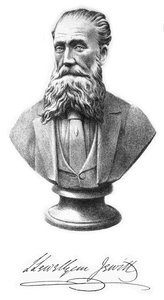
Frederick William Fairholt
1814 - 1866 , United Kingdom
プロフィール概要
- Date Of Birth: 1814
- Date Of Death: 1866
- Full Name: Frederick William Fairholt
- Nationality: British
- Notable Artworks:
- Tobacco, its history and association
- Gog and Magog
- Up the Nile and home again
- Costume in England
- Place Of Birth: London, United Kingdom