

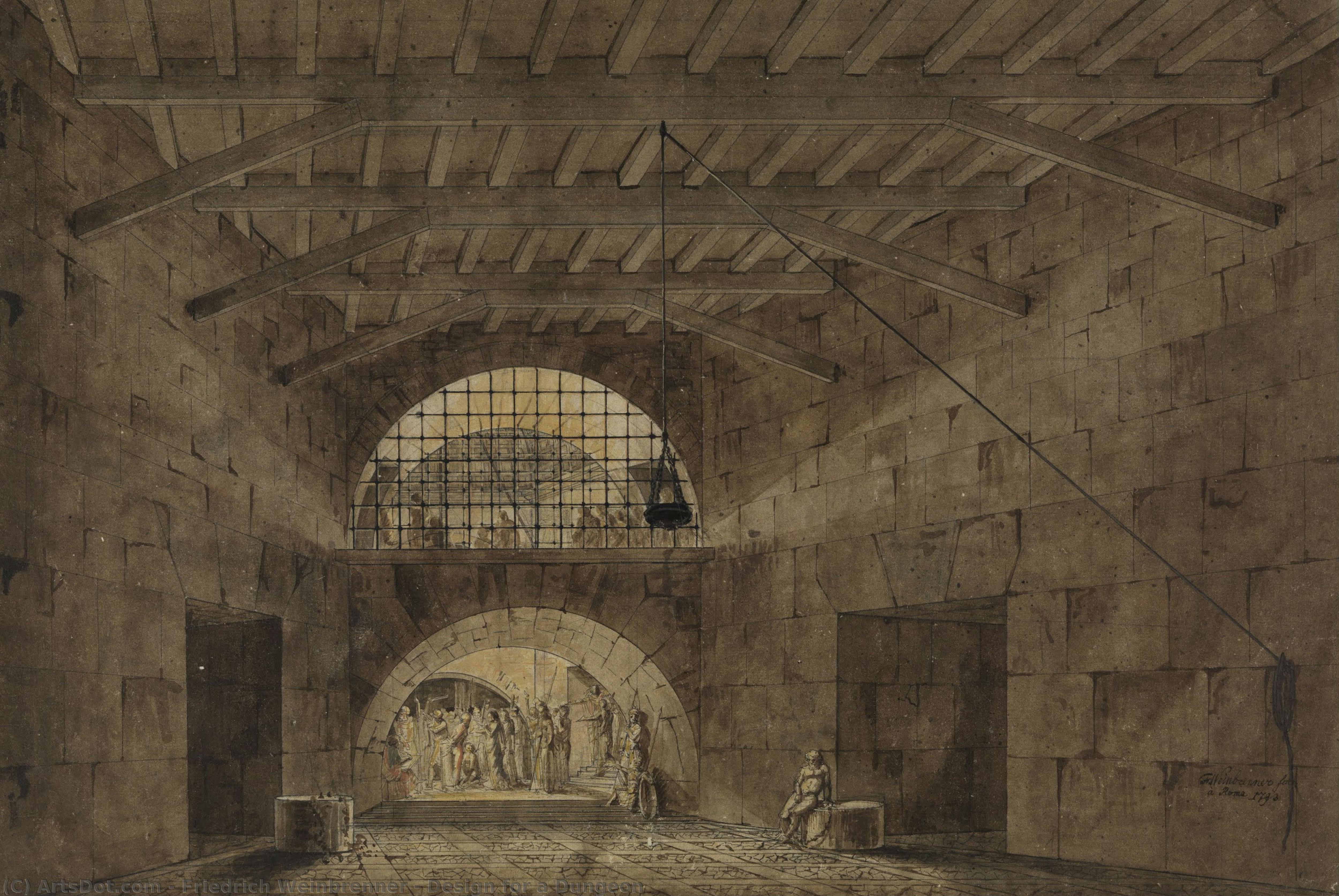
 プレビュー
プレビュー
 シェアする
シェアする シェアする
シェアする
 詳細を見る
詳細を見る

 ダウンロード
 似ている作品
 X線調査
X線調査 スライドショー
 統計情報
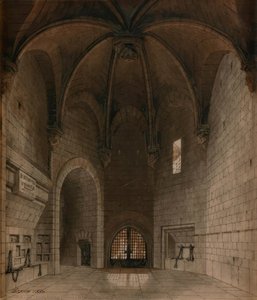
統計情報Design for a Dungeon


 詳細を見る
詳細を見る
手描き油彩複製画
当社のアーティストが、お客様のご希望のサイズと額縁に合わせて、キャンバスに手描きで制作する油彩画です。 ( プリント版に切り替え デジタル画像販売へ切り替え)




































作品のオリジナル比率に合わせた、当店の規定サイズからお選びください。

特定のフレームやスペースに合わせて、ご希望のサイズをご入力いただけます。選択されたサイズが元の画像の比率と異なる場合、アートワークをトリミングするか、手描きで要素を追加して絵画を拡張いたします。デジタルモックアップ を制作し、制作開始前にご確認(承認)をいただきます。
画面上のプレビューは、実際のトリミングや拡張を正確に反映しているものではありません。最終的な構図は、モックアップによってのみ正確にご確認いただけます。
カスタムサイズもご利用いただけますが、元の比率を維持するためには、あらかじめ用意されたリストからサイズを選択することをお勧めいたします。
ご注文後、ArtsDot.com チームより詳細な指示をお送りするとともに、仕上がりイメージ(モックアップ)をご提供いたします。


 ガラスオプションは、110cm未満のサイズでのみご利用いただけます。

Design for a Dungeon
複製技法
複製画のサイズ
-


合計金額
$ 263
関連作品


アーティストの略歴
Friedrich Weinbrenner: Life and Legacy
Early Life and Education
- Friedrich Weinbrenner was born on November 24, 1766, in Karlsruhe, Germany.
- He initially trained as a carpenter under his father before pursuing a career in architecture and urban planning.
- From 1788, he gained practical experience working as a builder in Zürich and Lausanne.
- In 1790, Weinbrenner moved to Vienna to study architecture, largely self-taught, before formalizing his education at the Bauakademie in Vienna and Dresden (1790–91).
- Further exposure to Palladian architecture came during a period in Berlin (1791–92), influenced by architects like Carl Gotthard Langhans and David Gilly.
- A pivotal experience was his time in Italy from 1792 to 1797, where he studied ancient Roman buildings – particularly at Pompeii, Herculaneum, and Paestum – profoundly shaping his aesthetic sensibilities.
Artistic Development and Influences
- Weinbrenner’s architectural style is firmly rooted in Neoclassicism, emphasizing classical elements such as columns, arches, and domes.
- His work reflects a commitment to simplicity, elegance, and meticulous detail.
- Key influences included Carl Ludwig Fernow during his Italian period, and earlier architects like Langhans and Gilly who introduced him to Palladian principles.
- He was among the first German architects to thoroughly study early Doric temples at Paestum, which significantly impacted his designs.
Major Achievements and Notable Works
- Upon returning to Karlsruhe, Weinbrenner became the city’s official architect, playing a crucial role in its development.
- Some of his most significant works include:
- Karlsruhe Synagogue (1798–1800)
- Palace (1803–14) – partially reconstructed after WWII
- Karlsruhe Court Theater (1804–08)
- City Hall (1821–25)
- Protestant Church (Stadtkirche) (1807–16)
- St Stephan Catholic Church (1808-14)
- He also designed various other buildings, including museums, gates, and bathhouses within Karlsruhe.
- In 1825, he helped establish the Polytechnic School in Karlsruhe, contributing to architectural education.
Historical Significance and Legacy
- Weinbrenner is considered a pivotal figure in establishing a distinct “Weinbrenner style” of Classicism.
- His work was instrumental in shaping Karlsruhe as a classically designed city.
- He trained a generation of architects who continued to propagate his aesthetic principles.
- Many of his buildings were destroyed during World War II but have been reconstructed, demonstrating their enduring importance.
- His designs continue to inspire architects and urban planners today, solidifying his place in architectural history.
Death
- Friedrich Weinbrenner passed away on March 1, 1826, in Karlsruhe, leaving behind a lasting legacy of Neoclassical architecture and urban planning.
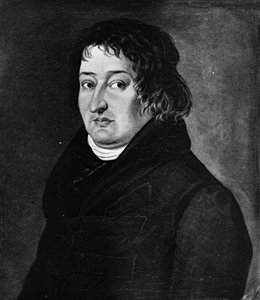
Friedrich Weinbrenner
1766 - 1826 , Germany
基本情報
- Birth Date: 1766
- Birth Place: Karlsruhe, Germany
- Death Date: 1826
- Influenced By:
- Carl Gotthard Langhans
- David Gilly
- Hans Christian Genelli
- Carl Ludwig Fernow
- Movement: Neoclassical architecture
- Name: Friedrich Weinbrenner
- Nationality: German
- Notable Works:
- Karlsruhe Synagogue
- Palace (Karlsruhe)
- City Hall (Karlsruhe)
- Protestant Church (Karlsruhe)