

 プレビュー
プレビュー
 プリントを購入
 シェアする
シェアする シェアする
シェアする
 詳細を見る
詳細を見る

 ダウンロード
 似ている作品
 X線調査
X線調査 スライドショー
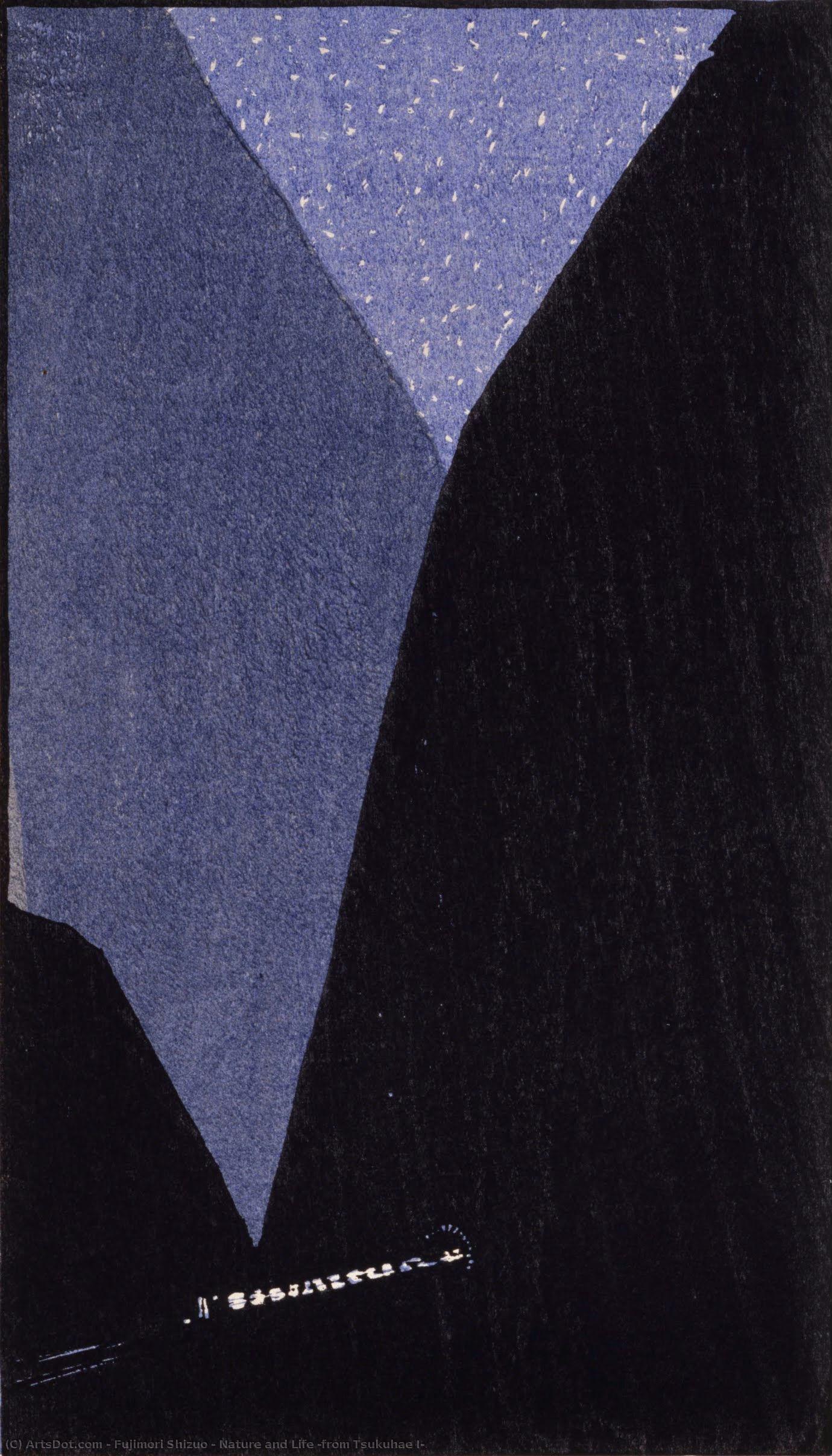
Nature and Life (from Tsukuhae I)
 12.0 x 20.0 cm
 Fukuoka Art Museum
 詳細を見る
詳細を見る




































作品のオリジナル比率に合わせた、当店の規定サイズからお選びください。

特定のフレームやスペースに合わせて、ご希望のサイズをご入力いただけます。選択されたサイズが元の画像の比率と異なる場合、アートワークをトリミングするか、手描きで要素を追加して絵画を拡張いたします。デジタルモックアップ を制作し、制作開始前にご確認(承認)をいただきます。
画面上のプレビューは、実際のトリミングや拡張を正確に反映しているものではありません。最終的な構図は、モックアップによってのみ正確にご確認いただけます。
カスタムサイズもご利用いただけますが、元の比率を維持するためには、あらかじめ用意されたリストからサイズを選択することをお勧めいたします。
ご注文後、ArtsDot.com チームより詳細な指示をお送りするとともに、仕上がりイメージ(モックアップ)をご提供いたします。


 ガラスオプションは、110cm未満のサイズでのみご利用いただけます。

Nature and Life (from Tsukuhae I)
複製技法
複製画のサイズ
-


合計金額
$ 263
関連作品








アーティストの略歴
The Soul in the Grain: The Life and Legacy of Fujimori Shizuo
In the delicate interplay between wood and ink, there exists a profound dialogue of emotion that few artists have mastered as intimately as Fujimori Shizuo. Born in 1891 in the quiet surroundings of Kurume, Fukuoka Prefecture, Fujimori’s journey into the heart of Japanese modernism was marked by both immense resilience and a transformative vision. A pivotal figure within the sōsaku-hanga, or "creative prints" movement, his work serves as a bridge between the traditional craftsmanship of Japan and the raw, emotive power of Western Expressionism. There is a poignant legend that follows his hand; it is said that the loss of his right thumb in a youthful accident may have dictated the bold, direct, and strikingly simple carving style that would eventually become his signature, turning a physical limitation into a unique aesthetic strength.
Fujimori’s artistic education was a tapestry of diverse influences. His early training at the Hakuba-kai ("White Horse Society") under masters like Kuroda Seiki introduced him to the nuances of Western-style painting, or yōga. This foundation in light and form provided the technical scaffolding upon which he would later build his more experimental printwork. Upon enrolling in the Tokyo School of Fine Arts, he entered a vibrant intellectual circle where he forged a lifelong bond with the legendary Onchi Kōshirō. Together, they breathed life into Tsukuhae ("Moongulate"), a collaborative magazine of poetry and print that became a sanctuary for avant-garde experimentation. Through these early collaborations, Fujimori began to move away from mere representation, seeking instead to capture the psychological depth of his subjects through the rhythmic textures of the woodblock.
A Modernist Vision in the Heart of Tokyo
As the 20th century progressed, Japan underwent a period of dizzying social and cultural transformation, and Fujimori was there to document its shifting pulse. Moving to Tokyo in 1922, he transitioned from a student of tradition to a professional force in the worlds of painting, illustration, and printmaking. His work during this era reflects the tension of a nation caught between the weight of history and the momentum of modernity. He became a vital contributor to the burgeoning print culture, serving as an editor for Shi to hanga and acting as a founding member of the Nihon Hanga Kyōkai in 1931. His ability to weave the urban landscape into his compositions allowed him to explore themes of solitude, movement, and the fleeting beauty of city life.
The mastery of his technique is perhaps most evident in his contributions to seminal series that defined the era:
- One Hundred Views of New Tokyo (Shin Tokyo hyakkei): In this celebrated collection from 1929–32, Fujimori provided thirteen prints that captured the evolving spirit of the metropolis.
- Twelve Views of Great Tokyo (Dai Tokyo Junikei): Produced between 1933 and 1934, this series showcased his ability to distill complex urban environments into powerful, expressionistic snapshots.
His prints are not merely images of buildings or streets; they are emotional landscapes. By utilizing the natural grain of the wood and the stark contrast of ink, he achieved a sense of expressionism that felt both deeply Japanese and universally modern. The textures of his carvings often mirror the ruggedness of human experience, making each print feel as though it were carved directly from the memory of the artist himself.
Historical Significance and Eternal Echoes
Though his life was tragically cut short in 1943, Fujimori Shizuo left behind a legacy that continues to resonate within the annals of Japanese art history. He was more than just a printmaker; he was an architect of a new visual language. By championing the sōsaku-hanga philosophy—where the artist is responsible for every stage of the process, from design to carving to printing—he helped shift the focus of Japanese printmaking from mass-produced commercial art to a medium of pure, individual self-expression.
Today, when we look upon his works, we see the echoes of a man who transformed personal hardship into artistic triumph. His ability to balance the delicate aesthetics of Japanese tradition with the visceral energy of modernism ensures his place as a cornerstone of the 20th-century art movement. Fujimori’s prints remain a testament to the idea that true art is not found in the perfection of the line, but in the honesty of the emotion etched into the very fiber of the medium.
fujimori shizuo
1891 - 1943 , Japan
基本情報
- Artistic Movement Or Style: Sōsaku-hanga (Creative Prints), Expressionism
- Artists Or Movements Influenced By This Artist: ['Hakuba-kai']
- Artists Who Influenced This Artist: ['Onchi Kōshirō']
- Date Of Birth: August 1, 1891
- Date Of Death: May 28, 1943
- Full Name: Fujimori Shizuo
- Nationality: Japanese
- Notable Artworks:
- Nature and Life
- Twelve Views of Great Tokyo
- One Hundred Views of New Tokyo
- Place Of Birth: Kurume, Japan