

 プレビュー
プレビュー
 シェアする
シェアする シェアする
シェアする
 詳細を見る
詳細を見る

 ダウンロード
 似ている作品
 X線調査
X線調査 スライドショー
 Stats
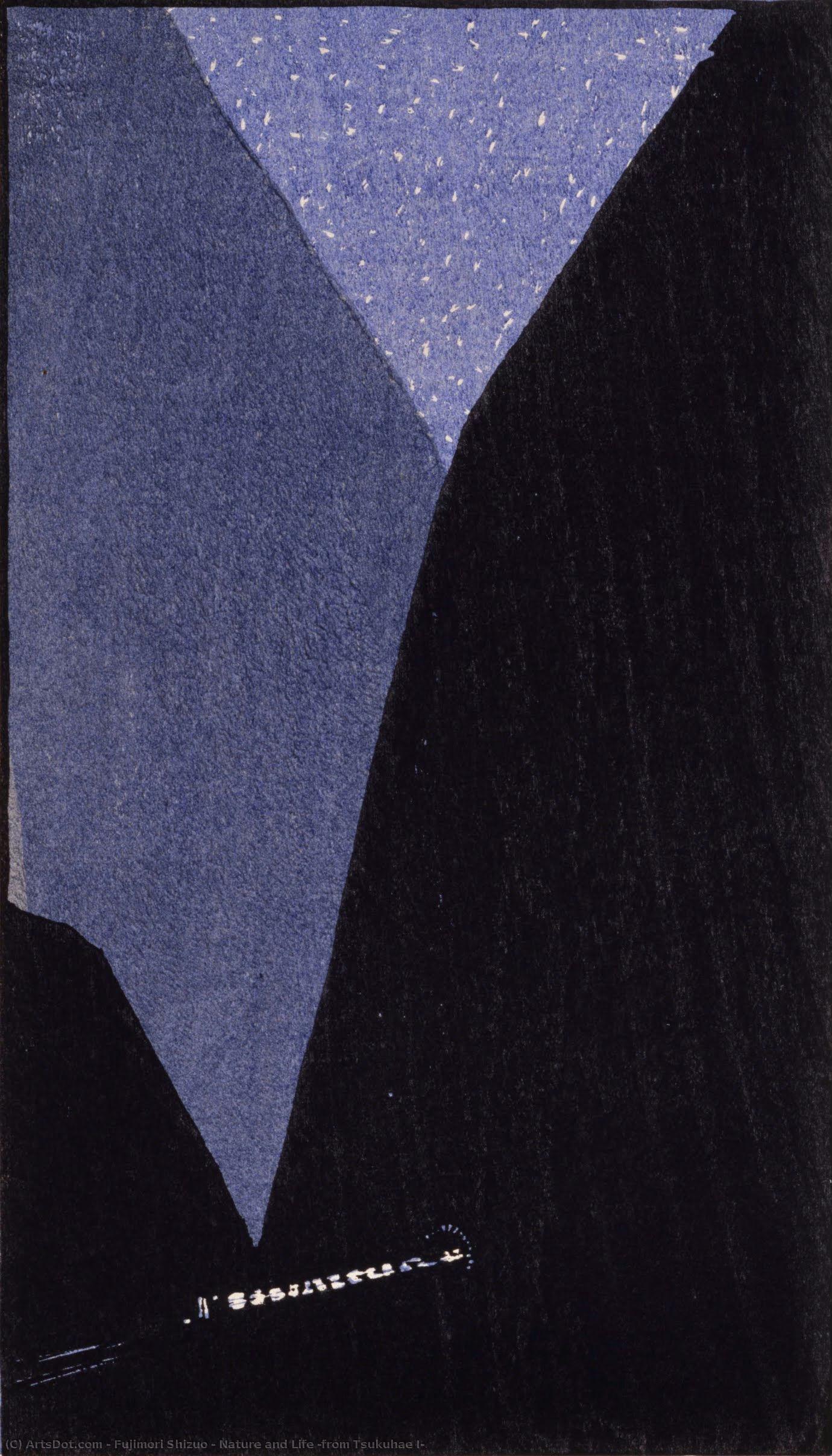
StatsNature and Life (from Tsukuhae I)
 12.0 x 20.0 cm
 Fukuoka Art Museum
 詳細を見る
詳細を見る
オンラインプレビューをはるかに凌ぐ、高解像度で鮮明なデジタル画像をご購入いただけます。
各ファイルは、社内の専門家が高度なツールと熟練した手作業によるレタッチを用いて、細心の注意を払って準備されています。すべての画像において、卓越した鮮明度、正確な色彩再現性、そして繊細なディテールを保証いたします。
最終ファイルは、プロフェッショナルな編集・印刷環境ですぐにご利用いただけるよう最適化された状態で、72時間以内にメールにてお届けいたします。これは、一流のデザインスタジオ、出版社、ギャラリーから信頼されているものと同等の品質です。
デジタルアート
個人での鑑賞、印刷、クリエイティブなプロジェクト用に、高解像度ファイルをダウンロードできます。 ( Switch to Print 手描きの絵画を購入)
デジタル画像のご注文に付随する特典
高品質なデジタル画像配信を、確かな品質で。
ArtsDot.com を選ぶことは、単に画像を手に入れることではありません。それは、プロの手によって精密に仕上げられ、満足保証が付いた高品質なデジタルアートワークを受け取ることを意味します。ご注文いただいた際に自動的に付随する内容は、以下の通りです:

メールですぐにお届け
ご注文から72時間以内に、高解像度のデジタル画像ファイルがメールでお手元に届きます。すぐにそのままご利用いただけます。

AI技術で最適化されたデジタルファイル
お客様の作品は、高度なAIツールと専門家による手作業の編集を組み合わせてプロフェッショナルに最適化されており、細部のディテール、鮮明さ、そして正確な色再現性を最大限に引き出しています。

一生涯無料の再送サービス
ファイルを誤って削除したり、紛失してしまったりしましたか?ご安心ください。いつでも無料で再送いたします。

輸入手数料は一切かかりません
関税や手数料、配送料を気にすることなく、お気に入りのアートワークをすぐにお楽しみいただけます。デジタルダウンロードは常に免税です。

色彩再現の保証
プロ仕様のツールとカラーマネジメント技術を用いることで、デジタル画像が元の色を最大限に忠実に再現することを保証いたします。

100日間満足保証
ご購入いただいたデジタル画像にご満足いただけない場合は、100日以内であれば、理由を問わず修正または100%の返金対応をさせていただきます。

100% 返金保証
ご満足いただけない場合は、デジタルファイルを受け取ってから100日以内であれば、理由を問わず全額返金いたします。

まとめ買い割引
3枚購入で10%OFF - 5枚購入で15%OFF - 10枚以上購入で20%OFF。クリエイティブなプロジェクト、ギャラリー、エージェンシーに最適です。
関連作品








作家の略歴
The Soul in the Grain: The Life and Legacy of Fujimori Shizuo
In the delicate interplay between wood and ink, there exists a profound dialogue of emotion that few artists have mastered as intimately as Fujimori Shizuo. Born in 1891 in the quiet surroundings of Kurume, Fukuoka Prefecture, Fujimori’s journey into the heart of Japanese modernism was marked by both immense resilience and a transformative vision. A pivotal figure within the sōsaku-hanga, or "creative prints" movement, his work serves as a bridge between the traditional craftsmanship of Japan and the raw, emotive power of Western Expressionism. There is a poignant legend that follows his hand; it is said that the loss of his right thumb in a youthful accident may have dictated the bold, direct, and strikingly simple carving style that would eventually become his signature, turning a physical limitation into a unique aesthetic strength.
Fujimori’s artistic education was a tapestry of diverse influences. His early training at the Hakuba-kai ("White Horse Society") under masters like Kuroda Seiki introduced him to the nuances of Western-style painting, or yōga. This foundation in light and form provided the technical scaffolding upon which he would later build his more experimental printwork. Upon enrolling in the Tokyo School of Fine Arts, he entered a vibrant intellectual circle where he forged a lifelong bond with the legendary Onchi Kōshirō. Together, they breathed life into Tsukuhae ("Moongulate"), a collaborative magazine of poetry and print that became a sanctuary for avant-garde experimentation. Through these early collaborations, Fujimori began to move away from mere representation, seeking instead to capture the psychological depth of his subjects through the rhythmic textures of the woodblock.
A Modernist Vision in the Heart of Tokyo
As the 20th century progressed, Japan underwent a period of dizzying social and cultural transformation, and Fujimori was there to document its shifting pulse. Moving to Tokyo in 1922, he transitioned from a student of tradition to a professional force in the worlds of painting, illustration, and printmaking. His work during this era reflects the tension of a nation caught between the weight of history and the momentum of modernity. He became a vital contributor to the burgeoning print culture, serving as an editor for Shi to hanga and acting as a founding member of the Nihon Hanga Kyōkai in 1931. His ability to weave the urban landscape into his compositions allowed him to explore themes of solitude, movement, and the fleeting beauty of city life.
The mastery of his technique is perhaps most evident in his contributions to seminal series that defined the era:
- One Hundred Views of New Tokyo (Shin Tokyo hyakkei): In this celebrated collection from 1929–32, Fujimori provided thirteen prints that captured the evolving spirit of the metropolis.
- Twelve Views of Great Tokyo (Dai Tokyo Junikei): Produced between 1933 and 1934, this series showcased his ability to distill complex urban environments into powerful, expressionistic snapshots.
His prints are not merely images of buildings or streets; they are emotional landscapes. By utilizing the natural grain of the wood and the stark contrast of ink, he achieved a sense of expressionism that felt both deeply Japanese and universally modern. The textures of his carvings often mirror the ruggedness of human experience, making each print feel as though it were carved directly from the memory of the artist himself.
Historical Significance and Eternal Echoes
Though his life was tragically cut short in 1943, Fujimori Shizuo left behind a legacy that continues to resonate within the annals of Japanese art history. He was more than just a printmaker; he was an architect of a new visual language. By championing the sōsaku-hanga philosophy—where the artist is responsible for every stage of the process, from design to carving to printing—he helped shift the focus of Japanese printmaking from mass-produced commercial art to a medium of pure, individual self-expression.
Today, when we look upon his works, we see the echoes of a man who transformed personal hardship into artistic triumph. His ability to balance the delicate aesthetics of Japanese tradition with the visceral energy of modernism ensures his place as a cornerstone of the 20th-century art movement. Fujimori’s prints remain a testament to the idea that true art is not found in the perfection of the line, but in the honesty of the emotion etched into the very fiber of the medium.
fujimori shizuo
1891 - 1943 , Japan
プロフィール概要
- Artistic Movement Or Style: Sōsaku-hanga (Creative Prints), Expressionism
- Artists Or Movements Influenced By This Artist: ['Hakuba-kai']
- Artists Who Influenced This Artist: ['Onchi Kōshirō']
- Date Of Birth: August 1, 1891
- Date Of Death: May 28, 1943
- Full Name: Fujimori Shizuo
- Nationality: Japanese
- Notable Artworks:
- Nature and Life
- Twelve Views of Great Tokyo
- One Hundred Views of New Tokyo
- Place Of Birth: Kurume, Japan