

 プレビュー
プレビュー
 プリントを購入
 シェアする
シェアする シェアする
シェアする
 詳細を見る
詳細を見る

 ダウンロード
 似ている作品
 X線調査
X線調査 スライドショー
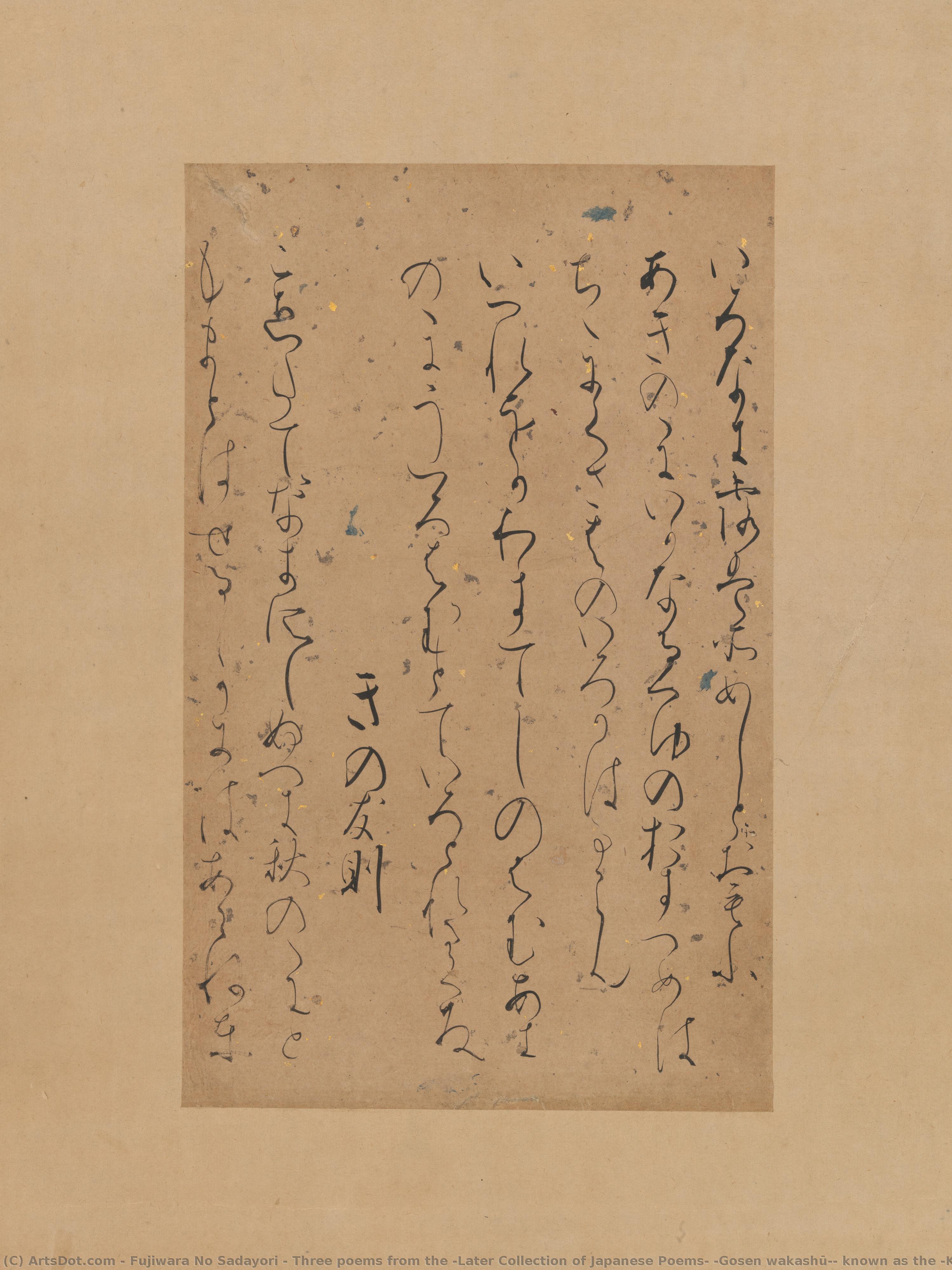
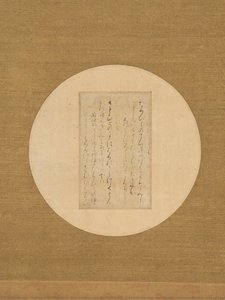
Three poems from the “Later Collection of Japanese Poems” (Gosen wakashū), known as the “Karasumaru Fragment” (Karasumaru-gire)
 Heian Period
 1101
1101 21.0 x 13.0 cm
 詳細を見る
詳細を見る
オンラインプレビューをはるかに凌ぐ、高解像度で鮮明なデジタル画像をご購入いただけます。
各ファイルは、社内の専門家が高度なツールと熟練した手作業によるレタッチを用いて、細心の注意を払って準備されています。すべての画像において、卓越した鮮明度、正確な色彩再現性、そして繊細なディテールを保証いたします。
最終ファイルは、プロフェッショナルな編集・印刷環境ですぐにご利用いただけるよう最適化された状態で、72時間以内にメールにてお届けいたします。これは、一流のデザインスタジオ、出版社、ギャラリーから信頼されているものと同等の品質です。
デジタル画像のご注文に付随する特典
高品質なデジタル画像配信を、確かな品質で。
ArtsDot.com を選ぶことは、単に画像を手に入れることではありません。それは、プロの手によって精密に仕上げられ、満足保証が付いた高品質なデジタルアートワークを受け取ることを意味します。ご注文いただいた際に自動的に付随する内容は、以下の通りです:

メールですぐにお届け
ご注文から72時間以内に、高解像度のデジタル画像ファイルがメールでお手元に届きます。すぐにそのままご利用いただけます。

AI技術で最適化されたデジタルファイル
お客様の作品は、高度なAIツールと専門家による手作業の編集を組み合わせてプロフェッショナルに最適化されており、細部のディテール、鮮明さ、そして正確な色再現性を最大限に引き出しています。

一生涯無料の再送サービス
ファイルを誤って削除したり、紛失してしまったりしましたか?ご安心ください。いつでも無料で再送いたします。

輸入手数料は一切かかりません
関税や手数料、配送料を気にすることなく、お気に入りのアートワークをすぐにお楽しみいただけます。デジタルダウンロードは常に免税です。

色彩再現の保証
プロ仕様のツールとカラーマネジメント技術を用いることで、デジタル画像が元の色を最大限に忠実に再現することを保証いたします。

100日間満足保証
ご購入いただいたデジタル画像にご満足いただけない場合は、100日以内であれば、理由を問わず修正または100%の返金対応をさせていただきます。

100% 返金保証
ご満足いただけない場合は、デジタルファイルを受け取ってから100日以内であれば、理由を問わず全額返金いたします。

まとめ買い割引
3枚購入で10%OFF - 5枚購入で15%OFF - 10枚以上購入で20%OFF。クリエイティブなプロジェクト、ギャラリー、エージェンシーに最適です。
関連作品
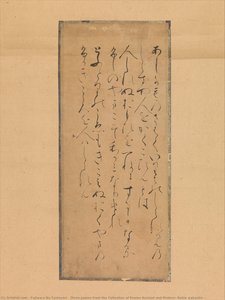
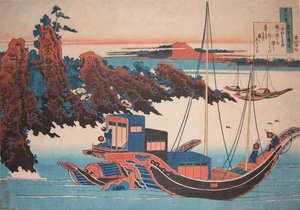
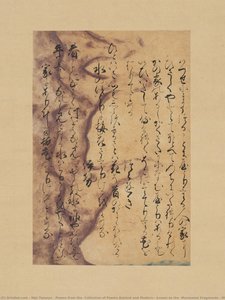
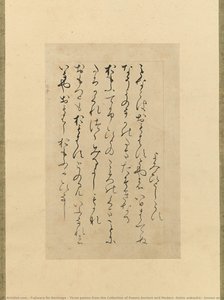
作家の略歴
A Legacy of Elegance: The Life and Art of Fujiwara no Sadayori
In the golden twilight of the mid-Heian period, a time when the Japanese imperial court flourished in unparalleled refinement, there emerged a figure whose artistry would become synonymous with the very essence of classical beauty. Fujiwara no Sadayori, born in 995, was not merely a participant in this cultural renaissance but one of its most luminous architects. As the eldest son of the legendary poet and scholar Fujiwara no Kintō, and a descendant of Emperor Murakami through his maternal lineage, Sadayori was born into the heart of Japan's political and literary aristocracy. His life was a seamless tapestry woven from threads of administrative duty and poetic devotion, moving from the disciplined role of Director for Military Affairs to the prestigious position of Middle Counselor.
The artistry of Sadayori was never confined to a single medium; rather, it flowed between the rhythmic precision of waka poetry and the graceful movement of calligraphy. To understand his work is to understand the Heian aesthetic—a pursuit of mono no aware, or a sensitive awareness of the impermanence of things. His poetry, characterized by an exquisite simplicity and an evocative use of natural imagery, sought to capture the fleeting moments of existence with profound emotional depth. This mastery was recognized by his peers and posterity alike, earning him a place among the Late Classical Thirty-Six Immortals of Poetry, a prestigious canon that celebrates the most transcendent voices in Japanese history.
The Poetic Voice and Calligraphic Grace
Sadayori’s literary contributions are anchored by his inclusion in the most venerable imperial anthologies, with forty-five of his poems preserved for eternity. Perhaps his most enduring contribution to the Japanese canon is his poem featured as number 64 in the Ogura Hyakunin Isshu. This particular verse, which contemplates the dawn mists over the Uji River, serves as a masterclass in atmospheric suggestion. Through words that evoke the way river fog breaks apart to reveal the wooden pilings of a weir, he invites the reader into a world of subtle transitions and quiet beauty.
Beyond the spoken or written word, his physical hand left an indelible mark on the history of Japanese calligraphy. As a calligrapher, Sadayori was celebrated for a script that balanced strength with fluidity, helping to establish and standardize an orthodox courtly style. His work is often preserved in precious fragments, such as the Ōe-gire, where the ink on paper reflects a disciplined yet soulful energy. This intersection of literature and visual art—where the shape of a character carries as much emotional weight as the meaning of the poem itself—is what defines his unique artistic identity.
Historical Significance and Enduring Influence
The significance of Fujiwara no Sadayori extends far beyond the borders of the Heian court. He represented the pinnacle of a cultural era where art, lineage, and governance were inextricably linked. His ability to navigate the complexities of imperial politics while maintaining the purity of his artistic vision provided a model for the scholar-official that would influence Japanese nobility for centuries. His private collections and the fragments of his work that survive today serve as vital windows into the aesthetic values of a lost age.
Today, the legacy of Sadayori continues to resonate through the study of classical Japanese literature and the appreciation of traditional calligraphy. His influence can be traced through:
- The Canon of Waka: His presence in the Shūishū and other imperial anthologies ensures his voice remains a foundational element of Japanese poetic identity.
- Calligraphic Tradition: The precision and elegance of his script continue to inspire practitioners of Japanese calligraphy, emphasizing the harmony between form and spirit.
- Cultural Heritage: His life stands as a testament to the sophisticated cultural ecosystem of the Heian period, where the beauty of nature was captured through the refined lens of aristocratic devotion.
In every delicate stroke of ink and every carefully chosen metaphor, Fujiwara no Sadayori remains an eternal symbol of the grace, simplicity, and profound emotional resonance that define the heart of Japanese classical art.
fujiwara no sadayori
1045 , Japan
プロフィール概要
- Artistic Movement Or Style: Waka Poetry & Calligraphy
- Date Of Death: 1045
- Full Name: Fujiwara no Sadayori
- Nationality: Japanese
- Notable Artworks: ['Asaborake']
- Place Of Birth: Kyoto, Japan