

 プレビュー
プレビュー
 プリントを購入
 シェアする
シェアする シェアする
シェアする
 詳細を見る
詳細を見る

 ダウンロード
 似ている作品
 X線調査
X線調査 スライドショー
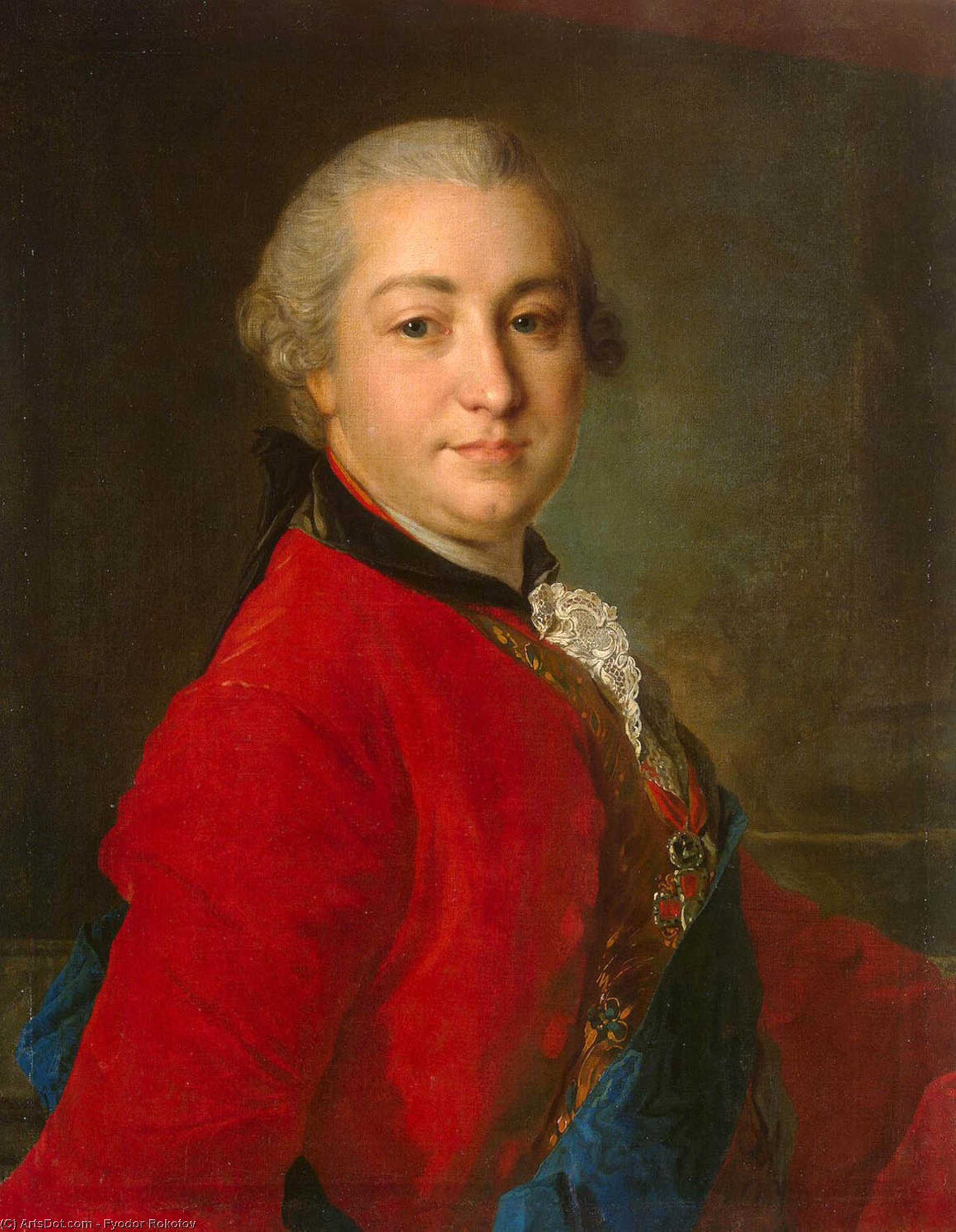
Portrait of Count Ivan Shuvalov
 Oil
Oil- WallArt
 1760
1760- Early Modern
 64.0 x 50.0 cm
 エルミタージュ美術館
 詳細を見る
詳細を見る
オンラインプレビューをはるかに凌ぐ、高解像度で鮮明なデジタル画像をご購入いただけます。
各ファイルは、社内の専門家が高度なツールと熟練した手作業によるレタッチを用いて、細心の注意を払って準備されています。すべての画像において、卓越した鮮明度、正確な色彩再現性、そして繊細なディテールを保証いたします。
最終ファイルは、プロフェッショナルな編集・印刷環境ですぐにご利用いただけるよう最適化された状態で、72時間以内にメールにてお届けいたします。これは、一流のデザインスタジオ、出版社、ギャラリーから信頼されているものと同等の品質です。
デジタル画像のご注文に付随する特典
高品質なデジタル画像配信を、確かな品質で。
ArtsDot.com を選ぶことは、単に画像を手に入れることではありません。それは、プロの手によって精密に仕上げられ、満足保証が付いた高品質なデジタルアートワークを受け取ることを意味します。ご注文いただいた際に自動的に付随する内容は、以下の通りです:

メールですぐにお届け
ご注文から72時間以内に、高解像度のデジタル画像ファイルがメールでお手元に届きます。すぐにそのままご利用いただけます。

AI技術で最適化されたデジタルファイル
お客様の作品は、高度なAIツールと専門家による手作業の編集を組み合わせてプロフェッショナルに最適化されており、細部のディテール、鮮明さ、そして正確な色再現性を最大限に引き出しています。

一生涯無料の再送サービス
ファイルを誤って削除したり、紛失してしまったりしましたか?ご安心ください。いつでも無料で再送いたします。

輸入手数料は一切かかりません
関税や手数料、配送料を気にすることなく、お気に入りのアートワークをすぐにお楽しみいただけます。デジタルダウンロードは常に免税です。

色彩再現の保証
プロ仕様のツールとカラーマネジメント技術を用いることで、デジタル画像が元の色を最大限に忠実に再現することを保証いたします。

60日間満足保証
ご購入いただいたデジタル画像にご満足いただけない場合は、60日以内であれば、修正または100%の返金(理由を問う必要はありません)をさせていただきます。

100% 返金保証
ご満足いただけない場合は、デジタルファイルを受け取ってから60日以内であれば、理由を問わず全額返金いたします。

まとめ買い割引
3枚購入で10%OFF - 5枚購入で15%OFF - 10枚以上購入で20%OFF。クリエイティブなプロジェクト、ギャラリー、エージェンシーに最適です。
関連作品
作家の略歴
Fyodor Rokotov: The Soul of 18th Century Russia
Fyodor Stepanovich Rokotov (1736 – December 24, 1808) stands as a pivotal figure in the history of Russian art, a master whose influence resonates even today. Born into humble beginnings—a family of peasant serfs belonging to the Repnins—Rokotov’s journey from obscurity to prominence is a testament to his extraordinary talent and unwavering dedication. His life story remains somewhat shrouded in mystery, yet it's through his captivating portraits that we gain an intimate understanding of the era he inhabited: the opulent courts and burgeoning intellectualism of 18th-century Russia.Early Life and Artistic Training
Rokotov’s early years were marked by servitude, a stark contrast to the world of art he would eventually command. Born near Moscow, his path to artistic recognition was arduous. He acquired his freedom towards the end of the 1750s, an event that proved crucial to his future success. Recognizing his innate talent, Rokotov enrolled in the Saint Petersburg Academy of Arts, immersing himself in the classical traditions and techniques prevalent at the time. However, he found the rigid academic structure stifling, preferring a more intuitive approach to painting. This desire for creative freedom ultimately led him away from the academy’s formal teachings and back to his native Moscow, where he established himself as a respected portraitist.A Revolutionary Approach to Portraiture
Rokotov distinguished himself through a remarkably innovative style that departed significantly from the prevailing conventions of portrait painting. Unlike many of his contemporaries who favored elaborate costumes, grand settings, and overtly decorative elements, Rokotov focused on capturing the inner life of his subjects—their emotions, thoughts, and personalities. He eschewed theatrical displays in favor of subtle gestures, nuanced expressions, and a keen awareness of light and shadow. This psychological realism, combined with an exquisite sensitivity to atmospheric effects, created portraits that felt remarkably alive and intimate. Rokotov was among the first Russian painters to prioritize capturing the *soul* of his subjects, anticipating later developments in European portraiture. His use of muted colors, soft brushstrokes, and a masterful manipulation of light contributed to a sense of quiet contemplation and psychological depth rarely seen in his time.Iconic Portraits and Notable Works
Rokotov’s oeuvre is characterized by a remarkable range of subjects, reflecting the diverse social circles he navigated. He painted for royalty, nobility, and prominent figures of the era, each portrait imbued with a unique sense of character and atmosphere. Among his most celebrated works are: * **Portrait of Alexandra Struyskaya (1772):** Often referred to as “The Russian Mona Lisa,” this painting exemplifies Rokotov’s psychological approach, capturing the subject's quiet dignity and contemplative gaze. * **Portrait of Countess Elisabeth Santi (1785):** This portrait showcases Rokotov’s ability to convey both elegance and vulnerability, revealing a subtle sadness beneath the surface beauty. * **Lady in a Pink Dress (c. 1770s):** A captivating study of light and form, this work demonstrates Rokotov's mastery of atmospheric effects and his interest in capturing fleeting moments of beauty. * **Portrait of Emperor Paul I as a Child (1761):** This early portrait reveals Rokotov’s remarkable skill in depicting the innocence and vulnerability of childhood. * **Portraits of Count I.G. Orlov, Catherine II, Anna Yuryevna Kvashnina-Samarina:** These works further solidify his reputation as one of Russia's foremost portraitists.Legacy and Historical Significance
Fyodor Rokotov’s impact on Russian art is profound and enduring. He helped to establish a new standard for portraiture, moving beyond mere likenesses to capture the essence of human character. His influence can be seen in the works of subsequent generations of Russian painters, who continued to explore psychological realism and atmospheric effects. Rokotov's work offers a valuable window into the social and cultural landscape of 18th-century Russia, revealing the aspirations, anxieties, and complexities of an era marked by both grandeur and constraint. He remains a beloved figure in Russian art history, celebrated for his artistic brilliance, his innovative approach, and his ability to capture the soul of his subjects—a testament to his enduring legacy as “The Russian Mona Lisa.”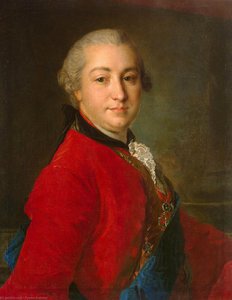
fyodor rokotov
1730 - 1808 , Russia
プロフィール概要
- Artistic Movement Or Style: Psychological realism
- Date Of Birth: 1736
- Date Of Death: 1808
- Full Name: Fyodor Stepanovich Rokotov
- Nationality: Russian
- Notable Artworks:
- Alexandra Struyskaya
- Countess Elisabeth Santi
- Lady in a pink dress
- Place Of Birth: Vorotsovo, Russia

