

 プレビュー
プレビュー
 シェアする
シェアする シェアする
シェアする
 詳細を見る
詳細を見る

 ダウンロード
 似ている作品
 X線調査
X線調査 スライドショー
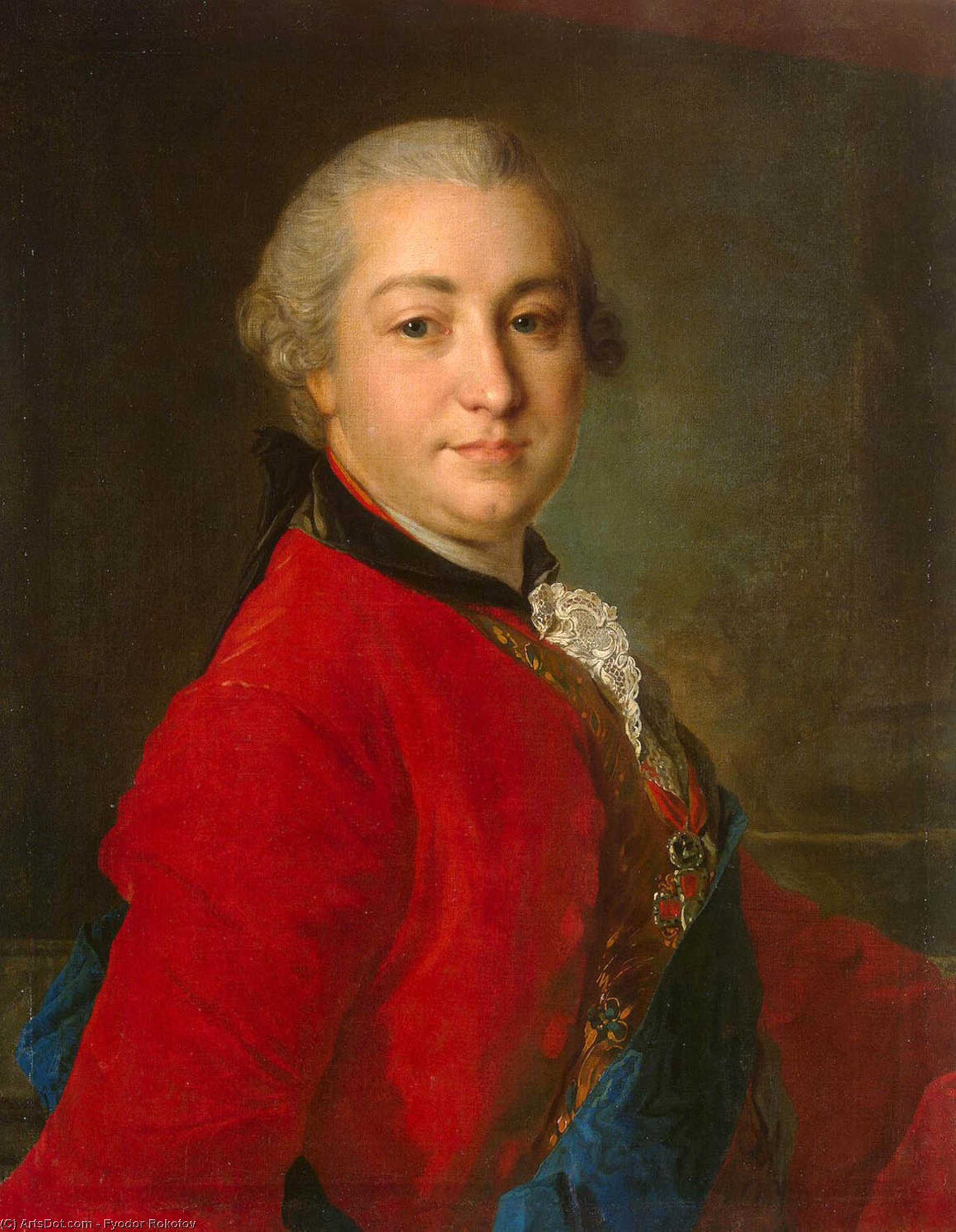
Portrait of Count Ivan Shuvalov
 Oil
Oil- WallArt
 1760
1760- Early Modern
 64.0 x 50.0 cm
 エルミタージュ美術館
 詳細を見る
詳細を見る
ジークレー/アートプリント
迅速な制作と多彩な仕上げオプションを備えた、ミュージアムクオリティのジークレーまたはキャンバスプリント。 ( 手描きの絵画を購入 画像を購入)




P118B $10

P118H $10

P118W $10

P438Z $10

P508JH $12

P508YH $12

P805H $10

P805Z $10

P919BZ $10

P919G $10

P919XJ $10

P959ZH $10

P968JZ $12

W106C $8

W218G $10

W218JH $8

W218Y $10

W307PJ $10

W316G $10

W316PJ $8

W316Y $10

W398PJ $8

W4111J $10

W500HY $15

W500JH $15

W692G $12

W849H $8

W940BG $15

W953PJ $8




作品のオリジナル比率に合わせた、当店の規定サイズからお選びください。

特定のフレームやスペースに合わせて、ご自身でサイズを指定することも可能です。選択されたサイズが元の画像の比率と一致しない場合、作品をトリミングするか、鏡面反射または単色での塗りつぶしによって画像を拡張いたします。制作を開始する前に、ご確認用のデジタルモックアップをお送りいたします。
画面上のプレビューには、実際のトリミングや拡張は反映されませんのでご注意ください。最終的な構図を正確に確認できるのは、モックアップのみとなります。
カスタムサイズも承っておりますが、元の比率を維持するためには、あらかじめ用意されたリストからサイズを選択することをお勧めいたします。


 ガラスオプションは、110cm未満のサイズでのみご利用いただけます。

Portrait of Count Ivan Shuvalov
ジークレー/アートプリント
複製画のサイズ
-


合計金額
$ 62
関連作品
アーティストの略歴
Fyodor Rokotov: The Soul of 18th Century Russia
Fyodor Stepanovich Rokotov (1736 – December 24, 1808) stands as a pivotal figure in the history of Russian art, a master whose influence resonates even today. Born into humble beginnings—a family of peasant serfs belonging to the Repnins—Rokotov’s journey from obscurity to prominence is a testament to his extraordinary talent and unwavering dedication. His life story remains somewhat shrouded in mystery, yet it's through his captivating portraits that we gain an intimate understanding of the era he inhabited: the opulent courts and burgeoning intellectualism of 18th-century Russia.Early Life and Artistic Training
Rokotov’s early years were marked by servitude, a stark contrast to the world of art he would eventually command. Born near Moscow, his path to artistic recognition was arduous. He acquired his freedom towards the end of the 1750s, an event that proved crucial to his future success. Recognizing his innate talent, Rokotov enrolled in the Saint Petersburg Academy of Arts, immersing himself in the classical traditions and techniques prevalent at the time. However, he found the rigid academic structure stifling, preferring a more intuitive approach to painting. This desire for creative freedom ultimately led him away from the academy’s formal teachings and back to his native Moscow, where he established himself as a respected portraitist.A Revolutionary Approach to Portraiture
Rokotov distinguished himself through a remarkably innovative style that departed significantly from the prevailing conventions of portrait painting. Unlike many of his contemporaries who favored elaborate costumes, grand settings, and overtly decorative elements, Rokotov focused on capturing the inner life of his subjects—their emotions, thoughts, and personalities. He eschewed theatrical displays in favor of subtle gestures, nuanced expressions, and a keen awareness of light and shadow. This psychological realism, combined with an exquisite sensitivity to atmospheric effects, created portraits that felt remarkably alive and intimate. Rokotov was among the first Russian painters to prioritize capturing the *soul* of his subjects, anticipating later developments in European portraiture. His use of muted colors, soft brushstrokes, and a masterful manipulation of light contributed to a sense of quiet contemplation and psychological depth rarely seen in his time.Iconic Portraits and Notable Works
Rokotov’s oeuvre is characterized by a remarkable range of subjects, reflecting the diverse social circles he navigated. He painted for royalty, nobility, and prominent figures of the era, each portrait imbued with a unique sense of character and atmosphere. Among his most celebrated works are: * **Portrait of Alexandra Struyskaya (1772):** Often referred to as “The Russian Mona Lisa,” this painting exemplifies Rokotov’s psychological approach, capturing the subject's quiet dignity and contemplative gaze. * **Portrait of Countess Elisabeth Santi (1785):** This portrait showcases Rokotov’s ability to convey both elegance and vulnerability, revealing a subtle sadness beneath the surface beauty. * **Lady in a Pink Dress (c. 1770s):** A captivating study of light and form, this work demonstrates Rokotov's mastery of atmospheric effects and his interest in capturing fleeting moments of beauty. * **Portrait of Emperor Paul I as a Child (1761):** This early portrait reveals Rokotov’s remarkable skill in depicting the innocence and vulnerability of childhood. * **Portraits of Count I.G. Orlov, Catherine II, Anna Yuryevna Kvashnina-Samarina:** These works further solidify his reputation as one of Russia's foremost portraitists.Legacy and Historical Significance
Fyodor Rokotov’s impact on Russian art is profound and enduring. He helped to establish a new standard for portraiture, moving beyond mere likenesses to capture the essence of human character. His influence can be seen in the works of subsequent generations of Russian painters, who continued to explore psychological realism and atmospheric effects. Rokotov's work offers a valuable window into the social and cultural landscape of 18th-century Russia, revealing the aspirations, anxieties, and complexities of an era marked by both grandeur and constraint. He remains a beloved figure in Russian art history, celebrated for his artistic brilliance, his innovative approach, and his ability to capture the soul of his subjects—a testament to his enduring legacy as “The Russian Mona Lisa.”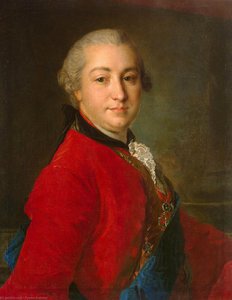
fyodor rokotov
1730 - 1808 , Russia
基本情報
- Artistic Movement Or Style: Psychological realism
- Date Of Birth: 1736
- Date Of Death: 1808
- Full Name: Fyodor Stepanovich Rokotov
- Nationality: Russian
- Notable Artworks:
- Alexandra Struyskaya
- Countess Elisabeth Santi
- Lady in a pink dress
- Place Of Birth: Vorotsovo, Russia
関連記事

Crimson Threads of Narrative: Exploring Symbolism & Representation in Artworks Featuring the Red Dress
Explore the rich symbolism of the red dress in art history! From ancient power displays to iconic portraits like Cézanne’s 'Madame Cezanne', discover the cultural and artistic significance behind this captivating color. Expert analysis & insights.
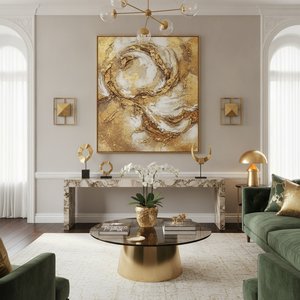
Golden Glow: How to Use Metallic Gold Artworks to Elevate Your Home Decor with Timeless Luxury
Discover how to elevate your home with the timeless elegance of metallic gold artworks. From sculptural metal pieces to gilded oil paintings, learn expert interior design tips for integrating luxurious gold accents into your space with sophistication and grace.
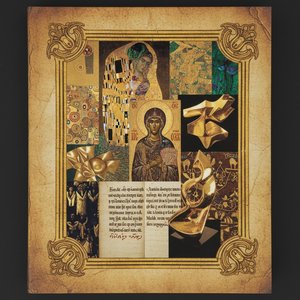
The Allure of Gold in Art History: Symbolism, Technique & Cultural Significance
Explore the rich history of gold in art! Discover symbolism, techniques & cultural significance from ancient civilizations to Klimt's masterpieces. Expert insights for collectors at ArtsDot.

Golden Masterpieces: 10 Paintings That Define Art History | ArtsDot
Explore 10 breathtaking paintings where gold leaf shines! From Klimt to Byzantine icons, discover art history’s most gilded masterpieces. Find museum-quality reproductions & elevate your home decor with ArtsDot. Explore the full collection online.

マーク・ロスコ傑作25選:色彩が織りなす深遠な世界|ArtsDot
マーク・ロスコの傑作25選。抽象表現主義を代表する巨匠、色彩が織りなす深遠な世界を探求します。絵画の背景や技法、感動的なストーリーを紐解き、ArtsDotで高品質なアートプリントをお楽しみください。リビングやオフィスにモダンアートを飾るなら!

