

 プレビュー
プレビュー
 プリントを購入
 シェアする
シェアする シェアする
シェアする
 詳細を見る
詳細を見る

 ダウンロード
 似ている作品
 X線調査
X線調査 スライドショー
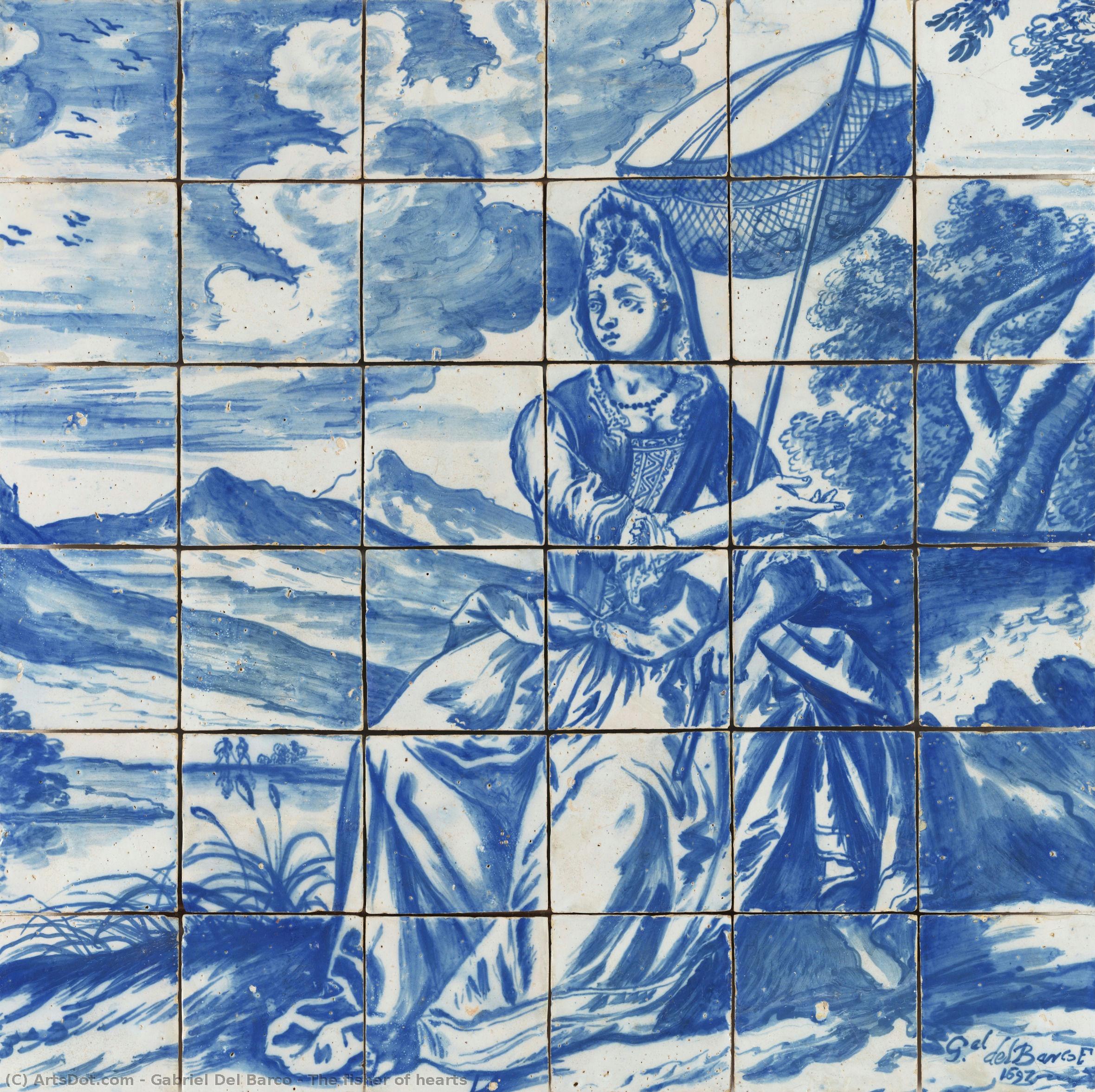
The fisher of hearts
 Painting
- Baroque
 1697
1697- Early Modern
 86.0 x 86.0 cm
 National Azulejo Museum
 詳細を見る
詳細を見る




P118B $10

P118H $10

P118W $10

P438Z $10

P508JH $12

P508YH $12

P805H $10

P805Z $10

P919BZ $10

P919G $10

P919XJ $10

P959ZH $10

P968JZ $12

W106C $8

W218G $10

W218JH $8

W218Y $10

W307PJ $10

W316G $10

W316PJ $8

W316Y $10

W398PJ $8

W4111J $10

W500HY $15

W500JH $15

W692G $12

W849H $8

W940BG $15

W953PJ $8




作品のオリジナル比率に合わせた、当店の規定サイズからお選びください。

特定のフレームやスペースに合わせて、ご希望のサイズをご入力いただけます。選択されたサイズが元の画像の比率と異なる場合、アートワークをトリミングするか、手描きで要素を追加して絵画を拡張いたします。デジタルモックアップ を制作し、制作開始前にご確認(承認)をいただきます。
画面上のプレビューは、実際のトリミングや拡張を正確に反映しているものではありません。最終的な構図は、モックアップによってのみ正確にご確認いただけます。
カスタムサイズもご利用いただけますが、元の比率を維持するためには、あらかじめ用意されたリストからサイズを選択することをお勧めいたします。
ご注文後、ArtsDot.com チームより詳細な指示をお送りするとともに、仕上がりイメージ(モックアップ)をご提供いたします。


 ガラスオプションは、110cm未満のサイズでのみご利用いただけます。

The fisher of hearts
複製技法
複製画のサイズ
-


合計金額
$ 263
A Serene Encounter with the Baroque Soul
In the quiet depths of late seventeenth-century artistry, few works capture the delicate balance between human solitude and the natural world as poignantly as "The Fisher of Hearts". Painted in 1697 by the Spanish-born master Gabriel del Barco, this piece invites the viewer into a dreamlike realm where time seems to suspend its forward march. The composition centers on a woman seated in a moment of profound stillness, her legs crossed in a posture of contemplative repose. As she cradles what appears to be a large basket or perhaps an ornate umbrella, she becomes an anchor for the eye amidst a swirling, ethereal landscape. The painting is bathed in a palette of melancholic yet soothing blue tones, creating a vintage atmosphere that feels less like a captured moment and more like a cherished memory resurfacing from the mists of history.
The technique employed by del Barco reveals his profound mastery of light and texture, hallmarks of the Baroque era. Through subtle gradations of pigment, he breathes life into the fabric of the woman's surroundings, allowing the cool blues to recede and advance to create a sense of atmospheric depth. This mastery of perspective—a skill that would later make him famous for his monumental ceiling paintings in Lisbon—is utilized here on a more intimate scale. The scattered birds that dance throughout the scene are not merely decorative elements; they are brushstrokes of life, adding a rhythmic vitality to the composition. Each bird serves as a delicate punctuation mark in a larger visual poem, guiding the viewer's gaze across the canvas and reinforcing the painting's connection to the untamed beauty of nature.
Symbolism and the Emotional Resonance of Stillness
Beyond its aesthetic splendor, "The Fisher of Hearts" carries a weight of symbolic meaning that resonates deeply with the human condition. The title itself suggests a metaphorical pursuit—the idea of seeking emotional connection or "fishing" for affection within the vast, often lonely expanse of existence. The woman’s seated position, grounded and unmoving, contrasts beautifully with the flight of the birds, representing the intersection of earthly stability and spiritual transcendence. For the collector or the interior designer, this piece offers more than just visual appeal; it provides an emotional sanctuary. It is a work that speaks to the desire for peace in a chaotic world, making it an ideal centerpiece for spaces dedicated to reflection, such as a quiet study, a library, or a serene bedroom.
Integrating a high-quality reproduction of this masterpiece into a contemporary interior allows for a sophisticated dialogue between historical grandeur and modern elegance. The cool tones and soft textures of the painting complement various design aesthetics, from classical European styles to more minimalist, modern settings. As an art piece, it functions as a window into the 1690s, bringing the refined craftsmanship of Gabriel del Barco into the modern home. To possess such a work is to hold a fragment of the Baroque spirit—a reminder that even in stillness, there is a profound and beautiful movement of the heart.
関連作品
アーティストの略歴
The Visionary of Lisbon: The Artistry of Gabriel del Barco
In the golden twilight of the seventeenth century, a master emerged from the streets of Madrid to reshape the visual landscape of Portugal. Gabriel del Barco, a figure whose life remains partially veiled by the mists of history, stands as a monumental pillar of the Baroque era. Though his early years are shrouded in relative obscurity, his arrival in Lisbon around 1669 signaled a transformative moment for Portuguese art. Trained under the watchful eye of the prominent painter Virgilio Barco Senior, del Barco inherited a profound legacy of dramatic illusionism and meticulous detail. This lineage of mastery allowed him to bridge the gap between Spanish tradition and the burgeoning aesthetic of the Portuguese court, creating a style that was as much about architectural grandeur as it was about emotional depth.
Del Barco’s early career in Lisbon was defined by his breathtaking command of scale. He quickly ascended to prominence through ambitious ceiling commissions, where he utilized the techniques of quadratura—the art of painting architectural perspectives—to dissolve the physical boundaries of a room. These expansive vistas were designed to transport the viewer upward, into a realm of celestial light and atmospheric depth. His ability to manipulate perspective was not merely a technical feat but a spiritual one, effectively creating a "bird's eye view" that offered a sense of divine oversight. This mastery of space would later become his hallmark, allowing him to capture the very soul of the city he came to call home.
A Legacy in Ceramic and Color
As his career matured, del Barco transitioned from the ephemeral heights of ceiling frescoes to the enduring permanence of tile painting. This evolution saw him become a pioneer of the azulejo tradition, a uniquely Portuguese medium where glazed ceramic tiles are assembled into intricate, narrative murals. In this medium, he found a new way to weave storytelling into the very fabric of architecture. His work in ceramics was characterized by a vibrant palette and a rhythmic arrangement of figures that breathed life into static walls. One of his most profound achievements lies in his ability to use the azulejo technique to document history itself.
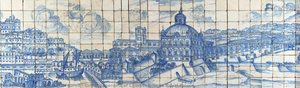
The sheer scale of his decorative vision is perhaps best exemplified by his monumental panoramic depictions of Lisbon. These works serve as irreplaceable iconographic documents, capturing a city as it existed before the catastrophic earthquake of 1755. Through his tiles, we can wander through a lost world:
- The Grand Panorama of Lisbon: A staggering work measuring nearly 23 meters in length, documenting 14 kilometers of coastline from Algés to Xabregas.
- Architectural Preservation: His panels preserve the likenesses of St. George’s Castle, the Monastery of Jerónimos, and the Tower of Belém, providing a window into the pre-earthquake splendor of the Portuguese capital.
- The Pulse of Urban Life: Beyond mere architecture, his work captures the movement of the Ribeira Market, the activity of tide windmills, and the bustling energy of coaches and sedan chairs.
Symbolism and the Baroque Soul
Beyond the grand panoramas and architectural triumphs, del Barco possessed a rare ability to capture intimacy and quietude within the dramatic Baroque framework. In works such as "The Fisher of Hearts," painted in 1697, we see a departure from the monumental toward the melancholic. Here, the artist employs a palette of soothing blue tones to create a dreamlike atmosphere where time seems suspended. The composition focuses on a moment of profound stillness, using subtle gradations of pigment to master light and texture. This ability to balance the epic with the intimate—to move from the sweeping vistas of a coastline to the contemplative repose of a single figure—is what defines his true genius.
His narrative works, such as his interpretations of Ovid, further demonstrate his skill in ceramic storytelling. In these pieces, each tile functions as a miniature stage, capturing biblical or mythological scenes with a rhythmic vitality that guides the viewer's gaze across a mosaic landscape. Through this fusion of Spanish training and Portuguese medium, Gabriel del Barco did more than just paint; he created enduring legacies of color and light that continue to allow us to glimpse a vanished era of European splendor.
gabriel del barco
Spain
基本情報
- Artistic Movement Or Style: Baroque
- Date Of Birth: (Madrid)
- Date Of Death: Living
- Full Name: Gabriel del Barco
- Nationality: Spanish
- Notable Artworks: ['Grand panorama of Lisbon']
- Place Of Birth: Madrid, Spain
関連記事

Slate Blue Masterpieces: 10 Iconic Paintings & Timeless Home Decor Ideas
Immerse yourself in the captivating world of slate blue! Explore 10 iconic paintings by Monet, Van Gogh & Renoir. Discover their stories, techniques & find museum-quality art reproductions for your home at .
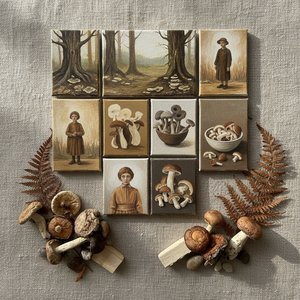
Earthy Hues & Masterpieces: Top 10 Paintings with 'Mushroom' Tones |
Explore 10 iconic paintings with captivating 'mushroom' tones! Discover Van Gogh, Monet & Rembrandt’s masterpieces—earthy palettes, rich history & artistic techniques. Find museum-quality art reproductions and curated decor ideas at
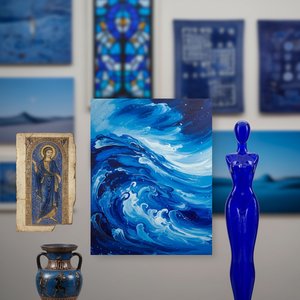
The Allure of Azure: Exploring the Symbolic & Aesthetic Depths of Blue in Art History
Explore the rich history of blue in art! Discover its symbolism, from ancient pigments to modern masterpieces by Kandinsky & Seurat. Uncover the psychological impact and cultural meanings behind this captivating hue.
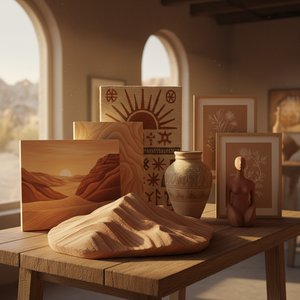
Sandstone & Sunlight: 10 Masterpieces of Earth-Toned Art |
Journey through 10 iconic paintings bathed in 'sand' tones – from Van Gogh to Monet. Explore the stories, techniques & warm palettes of these timeless masterpieces. Find museum-quality art reproductions at and bring classic beauty home.
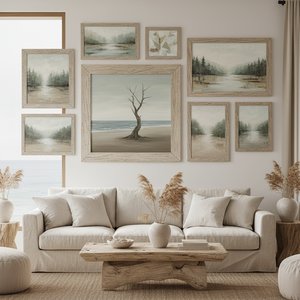
Driftwood Tones: 10 Master Paintings for Serene Home Decor |
Find serenity with 10 famous paintings embracing 'driftwood' tones. Explore Monet, Renoir & Van Gogh’s masterpieces – Impressionism, landscapes & calming palettes. Museum-quality art reproductions at . Discover all masterpieces online!

