

 プレビュー
プレビュー
 プリントを購入
 シェアする
シェアする シェアする
シェアする
 詳細を見る
詳細を見る

 ダウンロード
 似ている作品
 X線調査
X線調査 スライドショー
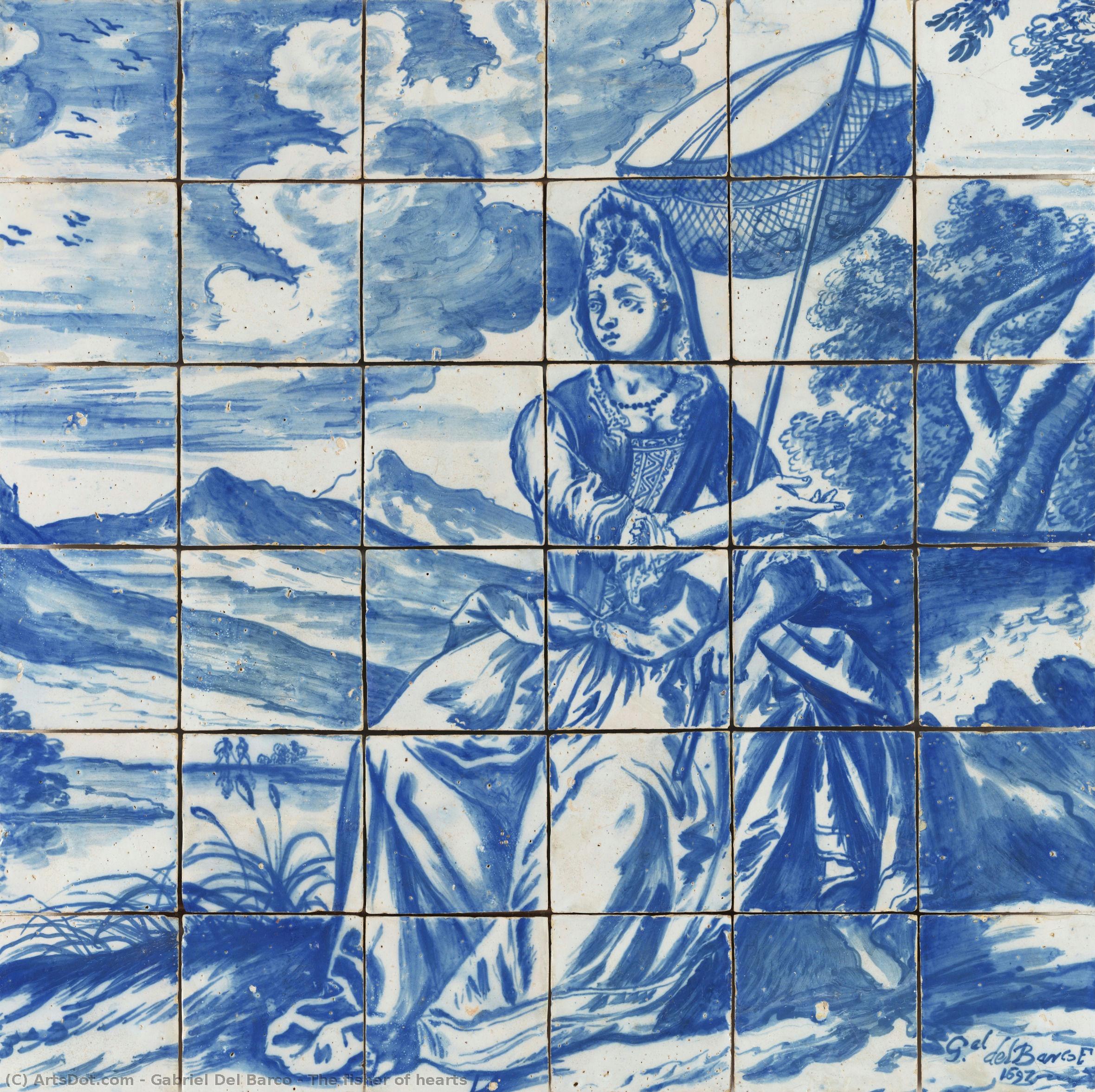
The fisher of hearts
 Painting
- Baroque
 1697
1697- Early Modern
 86.0 x 86.0 cm
 National Azulejo Museum
 詳細を見る
詳細を見る
オンラインプレビューをはるかに凌ぐ、高解像度で鮮明なデジタル画像をご購入いただけます。
各ファイルは、社内の専門家が高度なツールと熟練した手作業によるレタッチを用いて、細心の注意を払って準備されています。すべての画像において、卓越した鮮明度、正確な色彩再現性、そして繊細なディテールを保証いたします。
最終ファイルは、プロフェッショナルな編集・印刷環境ですぐにご利用いただけるよう最適化された状態で、72時間以内にメールにてお届けいたします。これは、一流のデザインスタジオ、出版社、ギャラリーから信頼されているものと同等の品質です。
デジタル画像のご注文に付随する特典
高品質なデジタル画像配信を、確かな品質で。
ArtsDot.com を選ぶことは、単に画像を手に入れることではありません。それは、プロの手によって精密に仕上げられ、満足保証が付いた高品質なデジタルアートワークを受け取ることを意味します。ご注文いただいた際に自動的に付随する内容は、以下の通りです:

メールですぐにお届け
ご注文から72時間以内に、高解像度のデジタル画像ファイルがメールでお手元に届きます。すぐにそのままご利用いただけます。

AI技術で最適化されたデジタルファイル
お客様の作品は、高度なAIツールと専門家による手作業の編集を組み合わせてプロフェッショナルに最適化されており、細部のディテール、鮮明さ、そして正確な色再現性を最大限に引き出しています。

一生涯無料の再送サービス
ファイルを誤って削除したり、紛失してしまったりしましたか?ご安心ください。いつでも無料で再送いたします。

輸入手数料は一切かかりません
関税や手数料、配送料を気にすることなく、お気に入りのアートワークをすぐにお楽しみいただけます。デジタルダウンロードは常に免税です。

色彩再現の保証
プロ仕様のツールとカラーマネジメント技術を用いることで、デジタル画像が元の色を最大限に忠実に再現することを保証いたします。

60日間満足保証
ご購入いただいたデジタル画像にご満足いただけない場合は、60日以内であれば、修正または100%の返金(理由を問う必要はありません)をさせていただきます。

100% 返金保証
ご満足いただけない場合は、デジタルファイルを受け取ってから60日以内であれば、理由を問わず全額返金いたします。

まとめ買い割引
3枚購入で10%OFF - 5枚購入で15%OFF - 10枚以上購入で20%OFF。クリエイティブなプロジェクト、ギャラリー、エージェンシーに最適です。
A Serene Encounter with the Baroque Soul
In the quiet depths of late seventeenth-century artistry, few works capture the delicate balance between human solitude and the natural world as poignantly as "The Fisher of Hearts". Painted in 1697 by the Spanish-born master Gabriel del Barco, this piece invites the viewer into a dreamlike realm where time seems to suspend its forward march. The composition centers on a woman seated in a moment of profound stillness, her legs crossed in a posture of contemplative repose. As she cradles what appears to be a large basket or perhaps an ornate umbrella, she becomes an anchor for the eye amidst a swirling, ethereal landscape. The painting is bathed in a palette of melancholic yet soothing blue tones, creating a vintage atmosphere that feels less like a captured moment and more like a cherished memory resurfacing from the mists of history.
The technique employed by del Barco reveals his profound mastery of light and texture, hallmarks of the Baroque era. Through subtle gradations of pigment, he breathes life into the fabric of the woman's surroundings, allowing the cool blues to recede and advance to create a sense of atmospheric depth. This mastery of perspective—a skill that would later make him famous for his monumental ceiling paintings in Lisbon—is utilized here on a more intimate scale. The scattered birds that dance throughout the scene are not merely decorative elements; they are brushstrokes of life, adding a rhythmic vitality to the composition. Each bird serves as a delicate punctuation mark in a larger visual poem, guiding the viewer's gaze across the canvas and reinforcing the painting's connection to the untamed beauty of nature.
Symbolism and the Emotional Resonance of Stillness
Beyond its aesthetic splendor, "The Fisher of Hearts" carries a weight of symbolic meaning that resonates deeply with the human condition. The title itself suggests a metaphorical pursuit—the idea of seeking emotional connection or "fishing" for affection within the vast, often lonely expanse of existence. The woman’s seated position, grounded and unmoving, contrasts beautifully with the flight of the birds, representing the intersection of earthly stability and spiritual transcendence. For the collector or the interior designer, this piece offers more than just visual appeal; it provides an emotional sanctuary. It is a work that speaks to the desire for peace in a chaotic world, making it an ideal centerpiece for spaces dedicated to reflection, such as a quiet study, a library, or a serene bedroom.
Integrating a high-quality reproduction of this masterpiece into a contemporary interior allows for a sophisticated dialogue between historical grandeur and modern elegance. The cool tones and soft textures of the painting complement various design aesthetics, from classical European styles to more minimalist, modern settings. As an art piece, it functions as a window into the 1690s, bringing the refined craftsmanship of Gabriel del Barco into the modern home. To possess such a work is to hold a fragment of the Baroque spirit—a reminder that even in stillness, there is a profound and beautiful movement of the heart.
関連作品



作家の略歴
The Visionary of Lisbon: The Artistry of Gabriel del Barco
In the golden twilight of the seventeenth century, a master emerged from the streets of Madrid to reshape the visual landscape of Portugal. Gabriel del Barco, a figure whose life remains partially veiled by the mists of history, stands as a monumental pillar of the Baroque era. Though his early years are shrouded in relative obscurity, his arrival in Lisbon around 1669 signaled a transformative moment for Portuguese art. Trained under the watchful eye of the prominent painter Virgilio Barco Senior, del Barco inherited a profound legacy of dramatic illusionism and meticulous detail. This lineage of mastery allowed him to bridge the gap between Spanish tradition and the burgeoning aesthetic of the Portuguese court, creating a style that was as much about architectural grandeur as it was about emotional depth.
Del Barco’s early career in Lisbon was defined by his breathtaking command of scale. He quickly ascended to prominence through ambitious ceiling commissions, where he utilized the techniques of quadratura—the art of painting architectural perspectives—to dissolve the physical boundaries of a room. These expansive vistas were designed to transport the viewer upward, into a realm of celestial light and atmospheric depth. His ability to manipulate perspective was not merely a technical feat but a spiritual one, effectively creating a "bird's eye view" that offered a sense of divine oversight. This mastery of space would later become his hallmark, allowing him to capture the very soul of the city he came to call home.
A Legacy in Ceramic and Color
As his career matured, del Barco transitioned from the ephemeral heights of ceiling frescoes to the enduring permanence of tile painting. This evolution saw him become a pioneer of the azulejo tradition, a uniquely Portuguese medium where glazed ceramic tiles are assembled into intricate, narrative murals. In this medium, he found a new way to weave storytelling into the very fabric of architecture. His work in ceramics was characterized by a vibrant palette and a rhythmic arrangement of figures that breathed life into static walls. One of his most profound achievements lies in his ability to use the azulejo technique to document history itself.
The sheer scale of his decorative vision is perhaps best exemplified by his monumental panoramic depictions of Lisbon. These works serve as irreplaceable iconographic documents, capturing a city as it existed before the catastrophic earthquake of 1755. Through his tiles, we can wander through a lost world:
- The Grand Panorama of Lisbon: A staggering work measuring nearly 23 meters in length, documenting 14 kilometers of coastline from Algés to Xabregas.
- Architectural Preservation: His panels preserve the likenesses of St. George’s Castle, the Monastery of Jerónimos, and the Tower of Belém, providing a window into the pre-earthquake splendor of the Portuguese capital.
- The Pulse of Urban Life: Beyond mere architecture, his work captures the movement of the Ribeira Market, the activity of tide windmills, and the bustling energy of coaches and sedan chairs.
Symbolism and the Baroque Soul
Beyond the grand panoramas and architectural triumphs, del Barco possessed a rare ability to capture intimacy and quietude within the dramatic Baroque framework. In works such as "The Fisher of Hearts," painted in 1697, we see a departure from the monumental toward the melancholic. Here, the artist employs a palette of soothing blue tones to create a dreamlike atmosphere where time seems suspended. The composition focuses on a moment of profound stillness, using subtle gradations of pigment to master light and texture. This ability to balance the epic with the intimate—to move from the sweeping vistas of a coastline to the contemplative repose of a single figure—is what defines his true genius.
His narrative works, such as his interpretations of Ovid, further demonstrate his skill in ceramic storytelling. In these pieces, each tile functions as a miniature stage, capturing biblical or mythological scenes with a rhythmic vitality that guides the viewer's gaze across a mosaic landscape. Through this fusion of Spanish training and Portuguese medium, Gabriel del Barco did more than just paint; he created enduring legacies of color and light that continue to allow us to glimpse a vanished era of European splendor.

gabriel del barco
Spain
プロフィール概要
- Artistic Movement Or Style: Baroque
- Date Of Birth: (Madrid)
- Date Of Death: Living
- Full Name: Gabriel del Barco
- Nationality: Spanish
- Notable Artworks: ['Grand panorama of Lisbon']
- Place Of Birth: Madrid, Spain

