

 プレビュー
プレビュー
 シェアする
シェアする シェアする
シェアする
 詳細を見る
詳細を見る

 ダウンロード
 似ている作品
 X線調査
X線調査 スライドショー
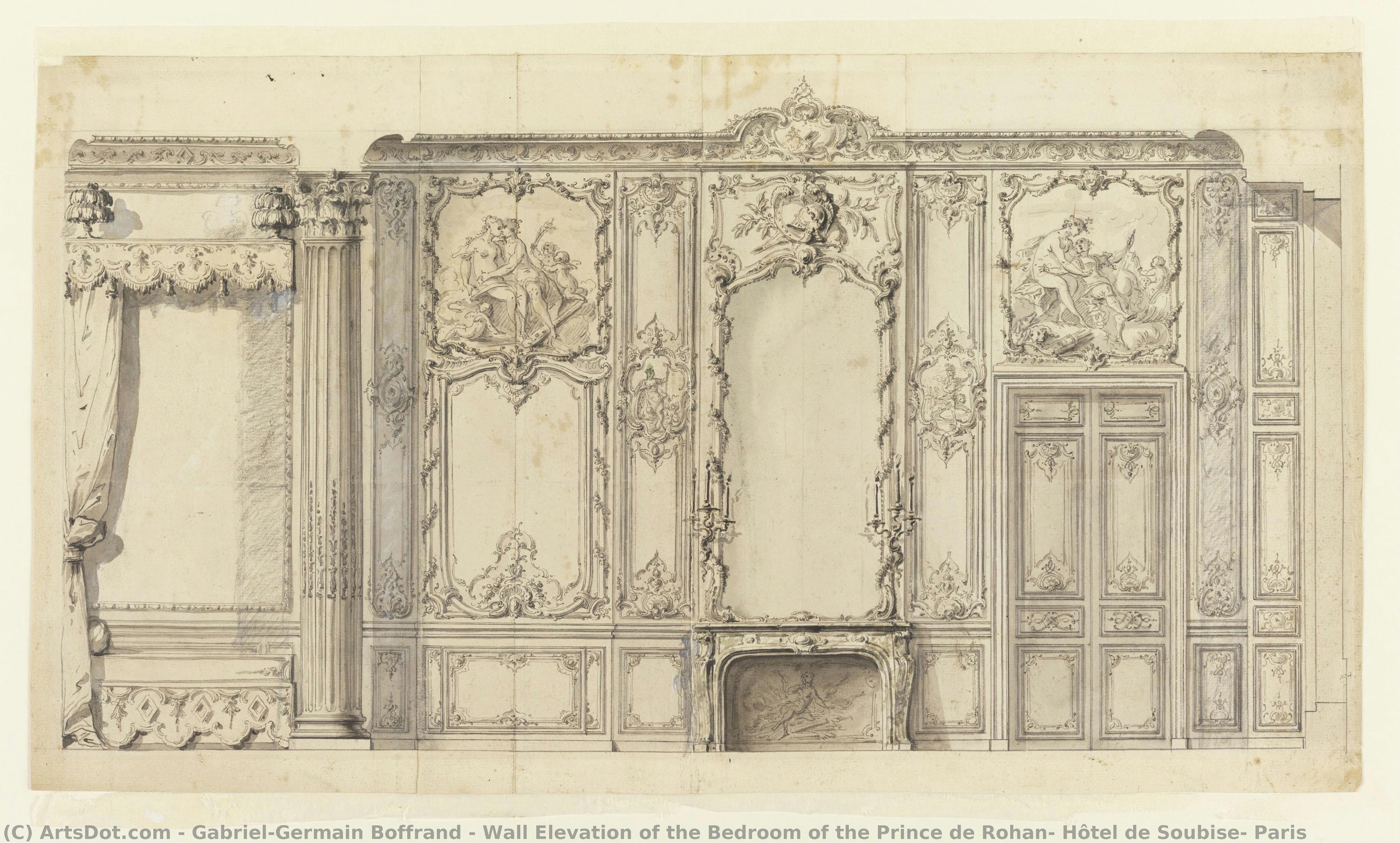
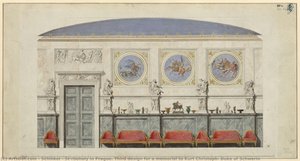
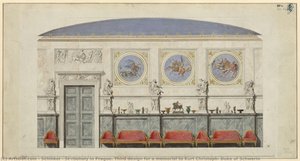
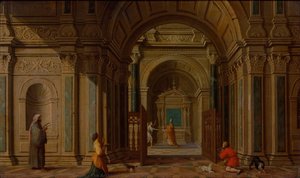
Wall Elevation of the Bedroom of the Prince de Rohan, Hôtel de Soubise, Paris
 Neoclassicism
 1735
1735 524.0 x 291.0 cm
 詳細を見る
詳細を見る
ジークレー/アートプリント
迅速な制作と多彩な仕上げオプションを備えた、ミュージアムクオリティのジークレーまたはキャンバスプリント。 ( 手描きの絵画を購入 画像を購入)




































作品のオリジナル比率に合わせた、当店の規定サイズからお選びください。

特定のフレームやスペースに合わせて、ご自身でサイズを指定することも可能です。選択されたサイズが元の画像の比率と一致しない場合、作品をトリミングするか、鏡面反射または単色での塗りつぶしによって画像を拡張いたします。制作を開始する前に、ご確認用のデジタルモックアップをお送りいたします。
画面上のプレビューには、実際のトリミングや拡張は反映されませんのでご注意ください。最終的な構図を正確に確認できるのは、モックアップのみとなります。
カスタムサイズも承っておりますが、元の比率を維持するためには、あらかじめ用意されたリストからサイズを選択することをお勧めいたします。


 ガラスオプションは、110cm未満のサイズでのみご利用いただけます。

Wall Elevation of the Bedroom of the Prince de Rohan, Hôtel de Soubise, Paris
ジークレー/アートプリント
複製画のサイズ
-


合計金額
$ 62
関連作品
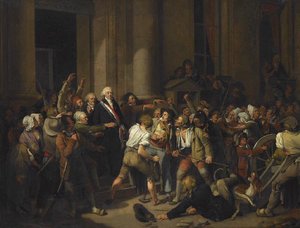
![La Verdadera Patria De Miguel De Cervantes (miguel De Cervantes’s True Homeland) (biblioteca Nacional De España)\n\n[4][fol.1] — Pedro José García Balboa, Baroque Rococo Revival](/media/artworks/images-thumb/a6/d8/a6d842058b3ffb23732e0ff43fd89aac.jpg)
アーティストの略歴
Gabriel Germain Boffrand: Bridging Baroque and Rococo’s Legacy
Gabriel Germain Boffrand (1667-1754) stands as a pivotal figure in French art history, marking the transition between the grandeur of Baroque architecture and the playful exuberance of Rococo. Born in Nantes, France, he honed his craft under the tutelage of Jules Hardouin Mansart, inheriting the baroque’s emphasis on monumental scale and dramatic ornamentation while simultaneously embracing innovations that would define a new aesthetic – one characterized by delicate curves, pastel colors, and an obsession with illusionistic decoration. His influence extended far beyond his own lifetime, shaping the visual landscape of Louis XV France and inspiring generations of architects to come.- Early Life and Training: Boffrand’s formative years were spent absorbing the principles of baroque design from Mansart, a movement that prioritized grandeur, clarity, and mathematical precision. This foundational knowledge would prove invaluable as he embarked on his independent architectural career.
- Major Commissions and Architectural Achievements: Boffrand's prolific output included ambitious projects like the Hôtel de Soubise in Paris – arguably the quintessential embodiment of Rococo style—where he skillfully blended opulent interiors with innovative spatial arrangements. Equally impressive was his contribution to the Musée du Château Blois, showcasing a masterful blend of classical restraint and rococo embellishment.
The Livre d’Architecture: Disseminating Style Régence
Perhaps Boffrand's most enduring legacy resides in *Livre d’architecture* (1745), his treatise on architectural design. Published during the reign of Louis XV, this seminal work served as a catalyst for spreading the “Style Régence” – a transitional style that foreshadowed Rococo—across Europe. Unlike the rigid formalism of earlier baroque treatises, Boffrand's Livre championed a more humanist approach, advocating for harmonious proportions and incorporating elements of Italian Renaissance ideals alongside rococo flourishes. It meticulously documented techniques for achieving visual effects like trompe-l’œil and perspective projection, solidifying Boffrand’s position as a champion of artistic innovation.- Innovative Spatial Planning: Boffrand distinguished himself through his pioneering use of spatial planning principles. He skillfully manipulated volumes and surfaces to create spaces that were both aesthetically captivating and functionally adaptable – a hallmark of the Rococo style.
- Influence on Contemporaries: His work profoundly impacted fellow architects like Jean-Marc Nattier and Pietro Longhi, who adopted Boffrand’s stylistic sensibilities in their own projects. This collaborative exchange ensured that Boffrand's vision continued to resonate throughout the artistic milieu of his era.
The Hôtel de Soubise: A Rococo Masterpiece
The Hôtel de Soubise stands as a testament to Boffrand’s architectural genius and his unwavering commitment to Rococo aesthetics. Constructed between 1735 and 1740, this Parisian mansion exemplifies the style's characteristic grandeur combined with delicate ornamentation. The oval salon—a breathtaking feat of engineering and design—is considered one of the finest interiors of its time, featuring intricate stucco reliefs, shimmering gilded surfaces, and a masterful illusionistic ceiling that creates an immersive sensory experience. It remains a beacon of Rococo artistry, captivating visitors with its unparalleled beauty and sophistication.- Symbolism and Decorative Art: Boffrand’s meticulous attention to detail extended beyond structural considerations; he incorporated symbolic motifs—such as garlands of flowers and mythological figures—to imbue the Hôtel's interiors with meaning and grandeur.
- Enduring Legacy: The Hôtel de Soubise continues to inspire admiration for its harmonious blend of form and decoration, cementing Boffrand’s place among the most celebrated architects of the eighteenth century.
Conclusion: A Bridge Between Eras
Gabriel Germain Boffrand's contribution to French art transcends mere architectural accomplishment. He skillfully navigated the shifting stylistic currents of his time, synthesizing baroque grandeur with rococo elegance—a synthesis that profoundly shaped the visual culture of Louis XV France and beyond. His Livre d’architecture disseminated innovative design principles across Europe, ensuring that Boffrand’s legacy would endure for centuries to come. As a result, he remains an indispensable figure in understanding the evolution of European art and architecture during the Enlightenment.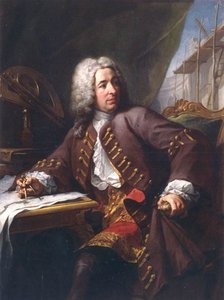
gabriel-germain boffrand
1667 - 1754 , France
基本情報
- Artistic Movement Or Style: Rococo & Baroque
- Artists Or Movements Influenced By This Artist:
- Jean-Marc Nattier
- Pierre Moreau
- Artists Who Influenced This Artist:
- Jules Hardouin Mansart
- Francesco Borromini
- Guarino Guarini
- Date Of Birth: May 16, 1667
- Date Of Death: March 19, 1754
- Full Name: Gabriel Germain Boffrand
- Nationality: French
- Notable Artworks:
- Wall Elevation of the Bedroom...
- Musée du Château in Blois
- Description De Ce Qui A Été Pratiqué Pour Fondre en Bronze D'un Seul Jet La Figure Equestre de Louis XIV
- Place Of Birth: Nantes, France
関連記事

ゴヤ傑作25選:スペインの魂を揺さぶる、深遠な芸術の世界 | ArtsDot
ゴヤ傑作25選:ロマン主義を代表するスペインの巨匠、フランシスコ・デ・ゴヤの世界へ。黒衣の女からマハまで、魂を揺さぶる絵画の物語と技法を紐解きます。ArtsDotで高品質なアートレプリカを見つけ、インテリアに深みと風格を。今すぐコレクションをご覧ください。
About Us
Discover our story! We bring world-class art into your life through expert curation, personalized creations, and free previews. Trusted by individuals and businesses since 2000.
物語を紡ぐ壁:ホテルアートキュレーションがもたらすアイデンティティと顧客体験の深化
ホテルデザインにおけるアートキュレーションの専門知識を提供。空間にアイデンティティを付与し、記憶に残る顧客体験を創造する方法をご紹介します。成功事例や伝統工芸との融合によるサステナブルな文化継承についても解説。
18th Century Masters: 10 Artworks That Define an Era | ArtsDot
Journey through 18th century art! Explore 10 iconic paintings – from Rococo elegance to Neoclassical grandeur. Discover Fragonard, David & more. Find museum-quality reproductions and elevate your home decor on ArtsDot.com.
Elevating Hospitality Aesthetics: Museum-Quality Art for Luxury Hotels
Elevate your hotel's ambiance with expertly curated museum-quality art reproductions. Discover how to select artwork that reflects your brand, enhances the guest experience & creates lasting impressions. Trusted by designers worldwide.

