

 プレビュー
プレビュー
 プリントを購入
 シェアする
シェアする シェアする
シェアする
 詳細を見る
詳細を見る

 ダウンロード
 似ている作品
 X線調査
X線調査 スライドショー
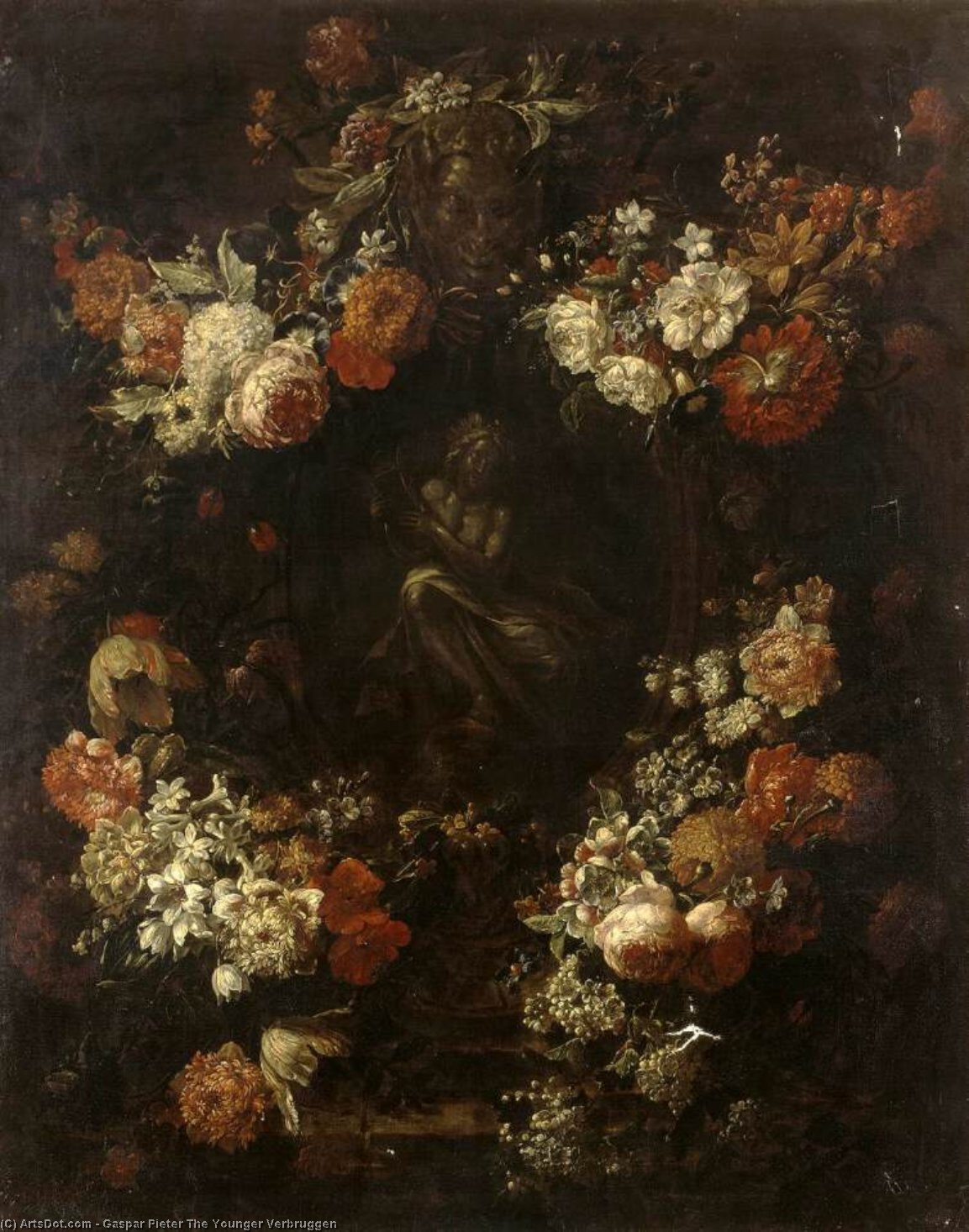
Apollo the Kithara Player Framed with a Garland of Flowers
 Oil On Canvas
- WallArt
- Baroque Still Life
 1701
1701- Early Modern
 144.0 x 90.0 cm
 エルミタージュ美術館
 詳細を見る
詳細を見る




P118B $10

P118H $10

P118W $10

P438Z $10

P508JH $12

P508YH $12

P805H $10

P805Z $10

P919BZ $10

P919G $10

P919XJ $10

P959ZH $10

P968JZ $12

W106C $8

W218G $10

W218JH $8

W218Y $10

W307PJ $10

W316G $10

W316PJ $8

W316Y $10

W398PJ $8

W4111J $10

W500HY $15

W500JH $15

W692G $12

W849H $8

W940BG $15

W953PJ $8




作品のオリジナル比率に合わせた、当店の規定サイズからお選びください。

特定のフレームやスペースに合わせて、ご希望のサイズをご入力いただけます。選択されたサイズが元の画像の比率と異なる場合、アートワークをトリミングするか、手描きで要素を追加して絵画を拡張いたします。デジタルモックアップ を制作し、制作開始前にご確認(承認)をいただきます。
画面上のプレビューは、実際のトリミングや拡張を正確に反映しているものではありません。最終的な構図は、モックアップによってのみ正確にご確認いただけます。
カスタムサイズもご利用いただけますが、元の比率を維持するためには、あらかじめ用意されたリストからサイズを選択することをお勧めいたします。
ご注文後、ArtsDot.com チームより詳細な指示をお送りするとともに、仕上がりイメージ(モックアップ)をご提供いたします。


 ガラスオプションは、110cm未満のサイズでのみご利用いただけます。

Apollo the Kithara Player Framed with a Garland of Flowers
複製技法
複製画のサイズ
-


合計金額
$ 263
A Portrait of Grace and Floral Reverie: Gaspar Pieter Verbruggen’s “Apollo the Kithara Player”
Gaspar Pieter Verbruggen’s “Apollo the Kithara Player Framed with a Garland of Flowers,” painted in 1701, is more than just a portrait; it's an immersion into the opulent aesthetic sensibilities of the Dutch Golden Age. This exquisite work, now meticulously reproduced for discerning collectors and interior designers alike, offers a glimpse into a world where art served as both decoration and profound expression. The painting depicts Apollo, the Greek god of music and poetry, not in his traditional laurel-wreathed guise, but seated modestly amidst a profusion of flowers – a deliberate choice that subtly shifts the narrative from divine power to human contemplation.
Verbruggen’s style is distinctly Baroque, yet tempered with a remarkable delicacy. He masterfully employs chiaroscuro—the dramatic interplay of light and shadow—to sculpt Apollo's form and draw attention to his serene expression. The figure itself is rendered with a smooth, almost porcelain-like quality, indicative of the artist’s meticulous attention to detail and his command of oil paint. The background, however, is where the painting truly blossoms. It’s not merely a backdrop; it's an integral part of the composition, overflowing with an astonishing variety of flowers – roses, lilies, violets, and poppies—each rendered with breathtaking realism and vibrant color. This abundance isn’t simply decorative; it speaks to Apollo’s association with beauty, harmony, and the cyclical renewal of nature.
The Language of Flowers: Symbolism in a Baroque Still Life
The choice of flowers within “Apollo the Kithara Player” is laden with symbolic meaning, reflecting the prevailing artistic conventions of the period. Roses, often associated with love and beauty, are prominently featured, while lilies represent purity and innocence. Violets, traditionally linked to faithfulness and modesty, subtly underscore Apollo’s humble posture. The inclusion of poppies—symbols of sleep and oblivion—hints at the power of music to transport listeners into a state of blissful reverie. Furthermore, the garland framing Apollo isn't merely ornamental; it acts as a visual metaphor for the divine aura surrounding the god, suggesting his connection to the natural world and its inherent beauty.
It’s important to note that during this era, floral arrangements held significant social and political weight. They were used to convey messages of affection, loyalty, or even subtle critiques. The careful selection and arrangement of flowers in a painting like this would have been understood by the intended audience – typically members of the aristocracy – as a sophisticated form of communication.
A Window into 18th-Century Antwerp
Gaspar Pieter Verbruggen’s workshop flourished during a period of immense artistic and economic prosperity in Antwerp, Belgium. The city was a major center for trade and art production, attracting skilled artisans from across Europe. The demand for decorative arts—particularly still lifes—was particularly strong among the wealthy elite who sought to adorn their homes with lavish displays of beauty and luxury. “Apollo the Kithara Player” exemplifies this trend, showcasing Verbruggen’s ability to seamlessly blend classical subject matter with contemporary artistic techniques and stylistic preferences.
The painting's creation reflects a broader cultural shift towards valuing nature and its bounty. As Europe moved away from medieval austerity, there was a growing appreciation for the beauty of the natural world – a sentiment powerfully expressed through the vibrant colors and intricate details of Verbruggen’s floral arrangements. The work is a testament to the flourishing artistic scene in Antwerp during the early 18th century.
Capturing Emotion: A Timeless Appeal
Despite its historical context, “Apollo the Kithara Player” retains an enduring appeal that transcends time and culture. The painting’s serene composition, coupled with the captivating beauty of the floral arrangement, evokes a sense of tranquility and contemplation. Apollo's gentle expression invites viewers to share in his moment of quiet reflection – a rare and precious commodity in a world often characterized by chaos and uncertainty.
Today, meticulously reproduced as a high-quality artwork, “Apollo the Kithara Player” continues to grace homes and galleries worldwide. It serves not only as a stunning decorative piece but also as a poignant reminder of the enduring power of art to inspire, uplift, and connect us to the beauty of the natural world – and to the timeless ideals represented by the god of music and poetry.
関連作品


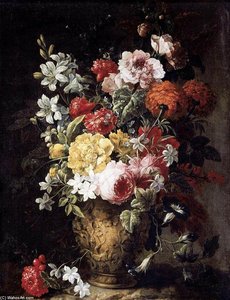
アーティストの略歴
The Verdant Legacy of Gaspar Pieter Verbruggen the Younger
In the heart of Antwerp, a city breathing with the artistic fervor of the Flemish Baroque, Gaspar Pieter Verbruggen the Younger was born into a world defined by color and craftsmanship. As the son of the esteemed Gaspar Peeter Verbruggen the Elder, his very existence was intertwined with the lineage of botanical mastery. From his earliest years, the boy was immersed in the delicate nuances of light and petal, receiving a rigorous training that would eventually allow him to achieve mastership at the prestigious Guild of Saint Luke by the tender age of thirteen. This precocious milestone not only solidified his standing within the Antwerp artistic community but also signaled the arrival of a talent capable of breathing life into the most ephemeral subjects: the fleeting beauty of a blooming rose or the succulent weight of ripening fruit.
Verbru erggen’s artistry was characterized by an exquisite ability to blend the botanical with the divine. He became particularly renowned for his decorative garland paintings, a genre that demanded both technical precision and a poetic sensibility. In these works, he often collaborated with figure painters, creating compositions where lush, meticulously rendered floral wreaths would frame sacred or mythological subjects. One of his most celebrated contributions to the Guild was a magnificent flower garland surrounding a statue of Apollo, a collaborative masterpiece created alongside Balthasar Hyacinth Verbruggen and Jacob Melchior van Herck. This work serves as a testament to his generosity and his deep-seated commitment to the guild that had nurtured his growth, as he gifted the piece in gratitude for the acceptance of his pupils.
A Life of Opulence and Solitude
The trajectory of Verbruggen’s life was as dramatic as the chiaroscuro found in his paintings. During the height of his success, he enjoyed a lifestyle of considerable comfort, residing in a grand house on Meirstraße, one of Antwerp's most vibrant commercial arteries. His marriage to Dymphna van der Voort in 1700 marked a period of personal stability; however, the sudden and tragic death of his wife in 1702 plunged him into a profound period of grief and isolation. This personal upheaval was compounded by mounting financial pressures, driven perhaps by the very extravagance that once defined his social standing. The necessity of liquidating his extensive artistic holdings became a somber reality, forcing him to seek a new beginning far from the familiar streets of Antwerp.
In 1705, seeking respite from the shadows of debt and loss, Verbruggen journeyed to Amsterdam. This transition marked a shift in his geographical focus but not in his artistic essence. His work continued to resonate with the themes of the Dutch Golden Age, characterized by an opulent approach to still life that appealed to the sensibilities of the era's elite. Whether painting a solitary Flower Piece or complex Cartouches with Flowers, he maintained a standard of meticulous detail and rich texture that made his canvases feel almost tactile. His ability to capture the dew on a leaf or the velvety surface of a petal ensured that his name remained synonymous with the pinnacle of Flemish floral artistry.
Artistic Significance and Enduring Influence
The historical significance of Gaspar Pieter Verbruggen the Younger lies in his role as a bridge between the traditions of his father’s generation and the evolving tastes of the early 18th century. His work represents a peak in the development of the garland painting, a genre that required a unique synergy between different artistic disciplines. Through his mastery, he elevated the still life from mere decoration to a profound meditation on nature's abundance and the passage of time.
His enduring legacy can be summarized through several key artistic contributions:
- Mastery of Texture: His ability to utilize layered glazing to create depth and realism in botanical subjects.
- Collaborative Spirit: His role in advancing the genre of figure-and-garland paintings through partnerships with contemporary masters.
- Botanical Precision: A scientific yet emotive approach to depicting a wide variety of flora and fauna, contributing to the richness of the Flemish Baroque repertoire.
Today, when we gaze upon his vibrant arrangements, we do not merely see flowers; we see the resilience of an artist who navigated the heights of fame and the depths of personal tragedy, leaving behind a blooming testament to the beauty of the natural world.
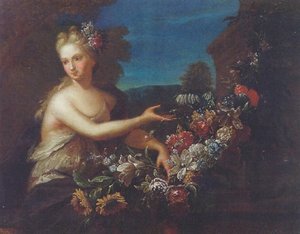
gaspar pieter the younger verbruggen
1664 - 1730 , Belgium
基本情報
- Artistic Movement Or Style: Baroque
- Artists Or Movements Influenced By This Artist: ['Dutch Golden Age']
- Artists Who Influenced This Artist: ['Gaspar Pieter Verbruggen the Elder']
- Date Of Birth: 1664 Antwerp Belgium
- Date Of Death: 1730 Antwerp Belgium
- Full Name: Gaspar Pieter Verbruggen
- Nationality: Flemish
- Notable Artworks:
- Flower garland surrounding a statue of Apollo
- Floral still life
- Place Of Birth: Antwerp Belgium
関連記事
Blossoms of Time: A Historical & Aesthetic Exploration of Floral Painting Across Cultures
Explore the rich history of floral painting! Discover symbolism, techniques & masterpieces from Van Huysum to O'Keeffe. Expert insights for art lovers & collectors at ArtsDot.
Pieter de Hooch: Illuminating Dutch Domestic Life & Golden Age Charm
Explore the captivating world of Pieter de Hooch, a master of Dutch Golden Age painting. Discover his innovative use of light, intimate domestic scenes, and lasting influence on art history. Learn more at ArtsDot.
Pieter Bruegel the Elder: A Master of Genre, Landscape & Social Commentary
Explore the life & art of Pieter Bruegel the Elder, a pivotal figure of the Renaissance. Discover his groundbreaking genre scenes, symbolic landscapes, and lasting influence on art history. Learn more at ArtsDot.
Jan Jansz Wijnants: A Study in Dutch Golden Age Still Life & Floral Transience
Explore the captivating world of Jan Wijnants and Dutch Golden Age still life painting. Discover symbolism, masterful techniques & lasting influence on floral art history. Learn more!
Jan van Kessel the Elder: A Baroque Master of Floral Still Life & Miniature Portraiture
Discover the exquisite detail of Jan van Kessel the Elder's Baroque floral still lifes & captivating miniatures. Explore his artistic legacy, scientific precision, and lasting influence on 17th-century Flemish painting.