

 プレビュー
プレビュー
 プリントを購入
 シェアする
シェアする シェアする
シェアする
 詳細を見る
詳細を見る

 ダウンロード
 似ている作品
 X線調査
X線調査 スライドショー
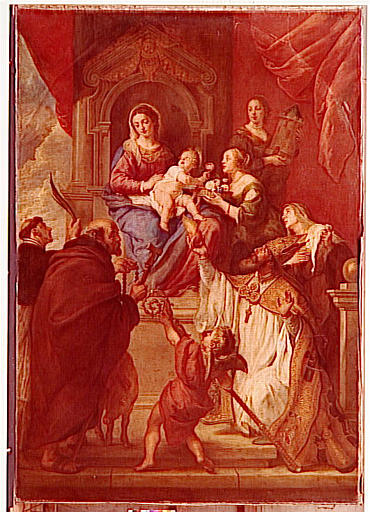
LA VIERGE ET L'ENFANT JESUS AVEC SAINT AUGUSTIN, SAINTE BARBE ET SAINT ANTOINE


 詳細を見る
詳細を見る




P118B $10

P118H $10

P118W $10

P438Z $10

P508JH $12

P508YH $12

P805H $10

P805Z $10

P919BZ $10

P919G $10

P919XJ $10

P959ZH $10

P968JZ $12

W106C $8

W218G $10

W218JH $8

W218Y $10

W307PJ $10

W316G $10

W316PJ $8

W316Y $10

W398PJ $8

W4111J $10

W500HY $15

W500JH $15

W692G $12

W849H $8

W940BG $15

W953PJ $8




作品のオリジナル比率に合わせた、当店の規定サイズからお選びください。

特定のフレームやスペースに合わせて、ご希望のサイズをご入力いただけます。選択されたサイズが元の画像の比率と異なる場合、アートワークをトリミングするか、手描きで要素を追加して絵画を拡張いたします。デジタルモックアップ を制作し、制作開始前にご確認(承認)をいただきます。
画面上のプレビューは、実際のトリミングや拡張を正確に反映しているものではありません。最終的な構図は、モックアップによってのみ正確にご確認いただけます。
カスタムサイズもご利用いただけますが、元の比率を維持するためには、あらかじめ用意されたリストからサイズを選択することをお勧めいたします。
ご注文後、ArtsDot.com チームより詳細な指示をお送りするとともに、仕上がりイメージ(モックアップ)をご提供いたします。


 ガラスオプションは、110cm未満のサイズでのみご利用いただけます。

LA VIERGE ET L'ENFANT JESUS AVEC SAINT AUGUSTIN, SAINTE BARBE ET SAINT ANTOINE
複製技法
複製画のサイズ
-


合計金額
$ 263
作品解説
The Virgin and Child with Saints – A Baroque Tapestry of Faith
Gaspar de Crayer’s “La Vierge et l'Enfant Jésus avec les saints Dominique, Antoine, Augustin et les saintes Monique, Dorothée et Barbe” is not merely a painting; it’s an immersive experience, a vibrant window into the heart of 17th-century Flemish religious art. Housed within the Louvre’s esteemed collection, this monumental work transcends its physical dimensions to evoke a profound sense of devotion and spiritual contemplation. Painted in 1638 – though likely completed over several years – it stands as a testament to de Crayer's mastery of the Baroque style, a period defined by dramatic contrasts, rich color palettes, and an intense emotionality that sought to inspire awe and reverence.
At first glance, the scene unfolds with arresting clarity. Mary, rendered in luminous tones of cream and gold, cradles the infant Jesus, his gaze serene and filled with an almost otherworldly wisdom. Her posture is one of gentle protection, a maternal embrace that speaks volumes about her role as the embodiment of grace and humility. Flanking her are a constellation of saints – Augustine, Barbara, Anthony, and Monique – each rendered with meticulous detail and imbued with distinct personalities. The composition isn’t simply decorative; it's carefully orchestrated to guide the viewer’s eye through a narrative of faith and salvation.
A Symphony of Color and Light
De Crayer’s technique is nothing short of breathtaking. He employs a masterful use of chiaroscuro – the dramatic interplay of light and shadow – to sculpt the figures, lending them an almost three-dimensional quality. The warm reds dominating Mary's robes and the rich blues of Augustine’s garments create a visual feast, while strategically placed highlights draw attention to key elements within the scene. Notice how the light seems to emanate from the central figure of Christ, bathing the surrounding saints in a divine glow. This technique wasn’t simply aesthetic; it was deeply rooted in the Baroque's desire to represent religious subjects with heightened realism and emotional intensity.
The artist’s palette is remarkably vibrant for its time, utilizing pigments derived from minerals and plants to achieve an astonishing range of hues. The textures are equally impressive – the velvet-like folds of Mary’s garments, the intricate details of the saints' robes, and even the subtle sheen on the infant Jesus’ skin all contribute to a sense of tactile realism. De Crayer wasn’t just painting; he was crafting an illusion of reality, inviting the viewer to step into this sacred space.
Historical Context and Symbolism
“La Vierge et l'Enfant Jésus” emerged during a pivotal moment in European history – the Counter-Reformation. Following the Protestant Reformation, the Catholic Church sought to reaffirm its authority and revitalize religious fervor. Art played a crucial role in this effort, serving as a powerful tool for conveying theological messages and inspiring piety. De Crayer’s work exemplifies this trend, depicting biblical figures with an almost theatrical intensity that aimed to stir the emotions of the faithful.
Each saint within the composition carries specific symbolic weight. Augustine, known for his philosophical reflections on faith and grace, represents intellectual devotion. Barbara, a martyr who died defending her faith, embodies courage and sacrifice. Anthony, a patron saint of children and monks, symbolizes protection and guidance. Monique, a virgin martyr, reinforces the theme of purity and sanctity. The inclusion of these figures underscores the multifaceted nature of Christian belief – encompassing intellect, virtue, and unwavering commitment to God.
A Legacy of Baroque Grandeur
“La Vierge et l'Enfant Jésus avec les saints” is more than just a beautiful painting; it’s a window into a bygone era. It offers a glimpse into the artistic, religious, and cultural landscape of 17th-century Flanders, showcasing the brilliance of Gaspar de Crayer and his contemporaries. Reproductions of this masterpiece capture its grandeur and emotional depth, allowing art lovers to experience its timeless appeal in their own homes. Its rich colors, dramatic lighting, and profound symbolism continue to resonate with viewers today, reminding us of the enduring power of faith and artistic expression.
関連作品



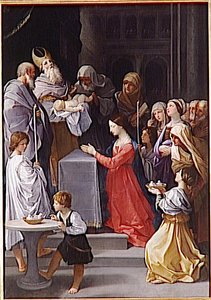
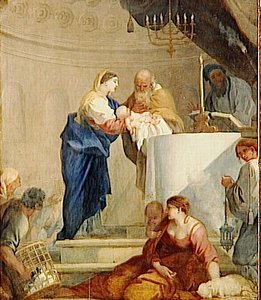
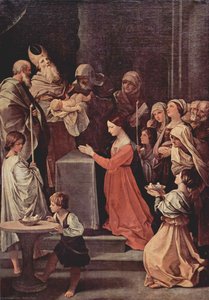
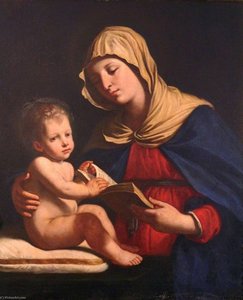
アーティストの略歴
ガスパール・ド・クレアエ:対抗宗教改革の輝きを放つフランドル絵画の巨匠
ガスパール・ド・クレアエという名は、同時代のルーベンスやヴァン・ダイクほど広く知られていないかもしれませんが、17世紀フランドル美術において極めて重要な存在です。1584年にアントワープで生まれ、1669年にゲントで息を引き取った彼は、スペイン領ネーデルラントの激動の政治情勢を生き抜きました。宮廷画家として、ギルドの棟梁として、そして肖像画から記念碑的な祭壇画に至るまで、数々の作品を生み出し続けたのです。彼の作品は、単にその時代の芸術的潮流を反映しているだけでなく、対抗宗教改革によってもたらされた深遠な宗教的変遷をも映し出しており、過去のマニエリスムの伝統と台頭するバロック様式を結ぶ極めて重要な架け橋となっています。
ド・クレアエの初期の人生は芸術に深く浸されていました。彼は尊敬される装飾画家であり、写本画家、そして美術商であったガスパール・ド・クレアエ・シニアの息子でした。この家系は彼の中に、職人技への深い敬意と、芸術材料に対する確かな理解を植え付けました。故郷アントワープに留まるのではなく、彼はスペイン総督の下で急速に芸術後援の中心地となりつつあったブリュッセルに機会を求めます。そしてここで、1607年頃に聖ルクのギルドの職人としての地位を確立したことは、彼の技術的な熟練度と職業への献身を示す大きな功績でした。
彼の初期のキャリアは、スペイン宮廷や地元の有力者からの依頼によって彩られていました。彼はすぐに肖像画家として名を上げ、王族、総督、ブリュッセル市議会のメンバーたちの肖像を捉え、その類まれな写実的な描写力と、増していく構図への習熟度を見せつけました。ドンのディエゴ・メシア・フェリペ・デ・グスマンの騎馬肖像画(現在はウィーンの美術史美術館に所蔵)は、この初期の時代を象徴するものであり、遠近法に対する洗練された理解と細部への徹底したこだわりを示しています。しかし、真に彼の名声を確固たるものにし、同世代を代表する芸術家としての地位を築き上げたのは、祭壇画における彼の功績でした。
対抗宗教改革と宗教美術
ド・クレアエの活動期は、カトリック教会内部で激しい宗教改革が起こった「対抗宗教改革」の勃興と重なっていました。教会はこの芸術をプロパガンダや精神的な教えの手法として積極的に利用しようとし、敬虔さを鼓舞し、カトリックの教義を強化するための精巧な祭壇画や祈りの絵画を依頼しました。ド・クレアエはこの機会を捉え、フランドル全域、ドイツ、そしてスペインにわたって教会や修道院のために膨大な数の作品を生み出しました。これらの祭壇画は単なる装飾品ではありませんでした。それらは鮮やかなイメージと劇的な構図を通じて宗教的なメッセージを伝えるために、丹念に構築された物語そのものだったのです。
彼の描画アプローチは、当時の支配的な芸術的傾向、特にピエトロ・パウル・ルーベンスが提唱した様式から深く影響を受けていました。ルーベンスと同様に、ド・クレアエは躍動感あふれる構図、豊かな色彩、そして動きの感覚を好みました。これらの資質が彼の作品に感情的な強度と演劇的な華やかさを与えていたのです。彼はマニエリスムの要素と台頭しつつあるバロックの原理を見事に融合させ、優雅さ、優美さ、そして深遠な精神性を特徴とする独自の様式を創造しました。
宮廷画家としての地位と芸術の後援
ド・クレアエの影響力は宗教的な領域に留まりませんでした。1635年、スペイン国王フェリペ4世の弟であるオーストリアのフェルディナンド枢機卿が彼を宮廷画家として任命したことは、彼にとって名誉ある地位であり、多大な富と影響力のあるパトロンたちへのアクセス権をもたらしました。この任命は彼のキャリアにおける大きな転換点となり、彼をスペイン王室に近づけ、公共建築物や宗教施設のために大規模な作品を制作する機会を与えてくれたのです。
フェルディナンドの退場後、オーストリアのレオポルト・ヴィルヘルム大公がブリュッセルに居住し、ド・クレアエの後援を引き継ぎました。彼はまた、ハーグのヒュイステンボッシュ宮殿を装飾する依頼も受け、芸術家としての多才さ、そして多様な芸術様式に適応する能力を示しました。この期間、彼の工房は栄え盛りとなり、多くの助手たちを雇い入れ、裕福な市民の肖像画からヨーロッパ各地の教会の精巧な祭壇画に至るまで、絶え間ない依頼に応えることができました。
主要作品と遺産
ド・クレアエの最も称賛される作品の中には、「聖母の死」(現在はマドリードに所蔵)という、聖書の場面を力強く描いた傑作や、さらに「聖ブラス殉教」や「カリティタス・ロマーナ」といった数々の祭壇画があります。特に1645年に描かれた後者は、その劇的な構図とキリスト教の慈善を描き出す情緒豊かな描写が際立っています。それは、彼が宗教的なテーマにいかに感情的な共鳴を吹き込むことができたかの証左です。
ド・クレアエの遺産は、個々の作品の美しさだけにとどまりません。彼は芸術的伝統を結ぶ架け橋としての役割を果たした点にこそあります。彼はラファエル・コクシーやルーベンスから教訓を吸収しつつも、同時に独自の様式を発展させました。それは優雅さ、躍動感、そして深遠な精神性によって特徴づけられるものです。より有名な同時代人たちにしばしば影が隠されがちですが、ガスパール・ド・クレアエはフランドル美術史において重要な人物であり続け、信仰、美しさ、芸術的技術という尽きることのない力強さの証なのです。
彼の晩年はゲントで過ごし、1669年の死を迎えるまで依頼を受け続けました。彼の工房は彼が亡くなった後も数年間機能し続け、その芸術的な遺産が永続することを保証したのです。
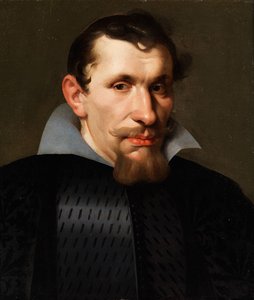
ガスパール・ド・クレエ
1582 - 1669 , ベルギー
基本情報
- Artistic Movement Or Style: バロック
- Artists Or Movements Influenced By This Artist:
- ルーベンス
- ヴァン・ダイク
- Artists Who Influenced This Artist: ['ラファエル・コクシー']
- Date Of Birth: 1584-11-18
- Date Of Death: 1669-01-27
- Full Name: ガスパール・ド・クレエール
- Nationality: フランドル人
- Notable Artworks:
- カリティタス・ロマーナ
- ドン・ディエゴの肖像画
- 聖母の死
- Place Of Birth: アントワープ、ベルギー
関連記事

フラ・アンジェリコの傑作25選:ルネサンス美術の神髄と至高の装飾 | ArtsDot
フラ・アンジェリコの傑作25選。ルネサンス美術の神髄を紐解き、天使のような静謐な色彩と宗教画の世界へ誘います。壁画やフレスコ画の技法、修道院に息づく祈りの絵…ArtsDotで至高のアートプリントをお手軽に。コレクションを探索する。
Discover the Divine: Inspiring Saint Anthony Artworks to Elevate Your Home Decor
Transform your home with the profound beauty of Saint Anthony artworks. Explore exquisite Baroque reproductions by Murillo and Zurbarán, hand-painted on 100% cotton canvas to bring divine serenity and timeless elegance to your interior design.

The Visceral Stage: Exploring Dramatic Narratives & Emotional Intensity in Baroque Art
Explore the dramatic world of Baroque art! Discover iconic masters like Caravaggio & Rembrandt, their techniques, and the movement's lasting impact. Expert insights for collectors & enthusiasts at ArtsDot.

The Dramatic Flourish: Exploring the Baroque Movement's Enduring Legacy in Art History
Explore the dramatic world of Baroque art! Discover iconic artists like Caravaggio & Rubens, defining techniques, and its lasting impact on art history. Expert insights for collectors & enthusiasts at ArtsDot.

バロック美術を極めた至宝:時代を彩る10大名作の世界
バロック美術の華!カラヴァッジョ、ベルニーニら巨匠が創り上げた10大名作を徹底解剖。ドラマチックな色彩と豪華絢爛の世界観に触れ、至宝のアートプリントで空間を彩ろう。ArtsDot.comで美術館品質の複製と洗練されたインテリアを見つけましょう!

