

 プレビュー
プレビュー
 プリントを購入
 シェアする
シェアする シェアする
シェアする
 詳細を見る
詳細を見る

 ダウンロード
 似ている作品
 X線調査
X線調査 スライドショー
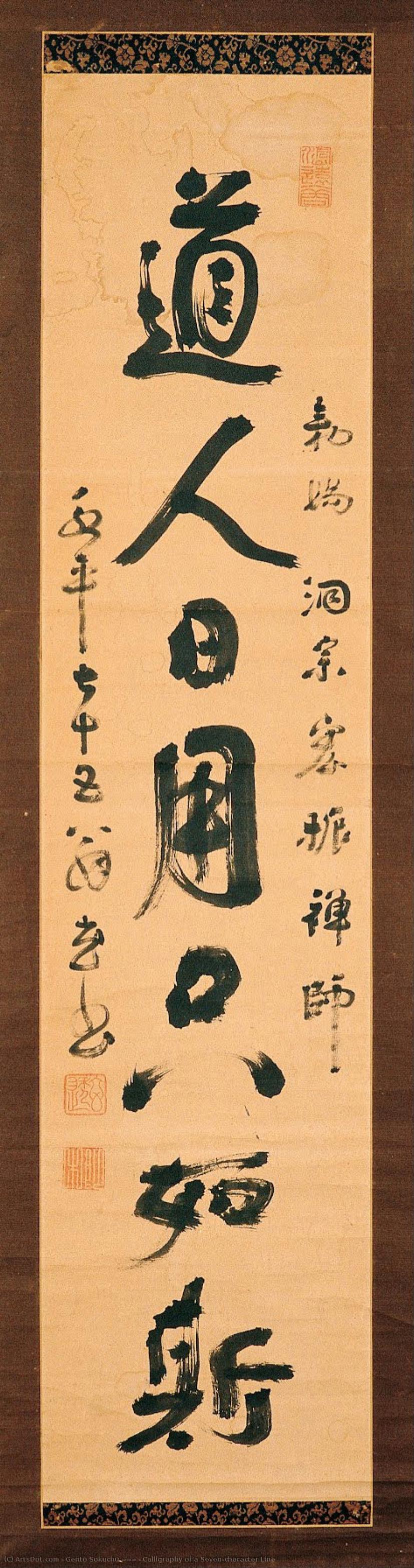
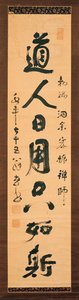
Calligraphy of a Seven-character Line


 詳細を見る
詳細を見る




































作品のオリジナル比率に合わせた、当店の規定サイズからお選びください。

特定のフレームやスペースに合わせて、ご希望のサイズをご入力いただけます。選択されたサイズが元の画像の比率と異なる場合、アートワークをトリミングするか、手描きで要素を追加して絵画を拡張いたします。デジタルモックアップ を制作し、制作開始前にご確認(承認)をいただきます。
画面上のプレビューは、実際のトリミングや拡張を正確に反映しているものではありません。最終的な構図は、モックアップによってのみ正確にご確認いただけます。
カスタムサイズもご利用いただけますが、元の比率を維持するためには、あらかじめ用意されたリストからサイズを選択することをお勧めいたします。
ご注文後、ArtsDot.com チームより詳細な指示をお送りするとともに、仕上がりイメージ(モックアップ)をご提供いたします。


 ガラスオプションは、110cm未満のサイズでのみご利用いただけます。

Calligraphy of a Seven-character Line
複製技法
複製画のサイズ
-


合計金額
$ 263
関連作品





アーティストの略歴
Gentō Sokuchū (玄透即中): A Revivalist of Dōgen’s Legacy
Gentō Sokuchū (玄透即中), born in 1729, stands as a pivotal figure within the Sōtō Zen tradition—a scholar and abbot who tirelessly championed the rediscovery and reaffirmation of Dōgen Zenji's teachings during the late Edo period. His life’s work centered on meticulously reconstructing and disseminating Dōgen’s seminal texts, fundamentally reshaping the trajectory of Sōtō monastic practice and shaping its intellectual landscape for centuries to come. Understanding Sokuchū requires delving into the broader context of a movement striving to recapture the essence of Zen Buddhism's foundational principles—a mission he undertook with unwavering dedication and profound erudition.- Early Life & Education: Born in Kyoto, Sokuchū’s formative years were marked by rigorous study within Eiheiji monastery, where he honed his understanding of Buddhist philosophy and calligraphy. His upbringing instilled a deep reverence for Dōgen's teachings—a conviction that would propel him throughout his scholarly pursuits.
- Eihei-ji & The Rediscovery of Dōgen: Sokuchū’s ascent to abbatial leadership at Eiheiji coincided with a period of considerable decline in Sōtō monastic scholarship. Recognizing the urgent need for revitalization, he embarked on an ambitious project—the comprehensive editing and publication of Dōgen's monumental works, including Shōbōgenzō and Eihei Kenkōroku (The Record of Enlightenment). This endeavor wasn’t merely academic; it represented a deliberate effort to reconnect monks with the core tenets of Zen practice.
- The Eihei Rules of Purity: Sokuchū's crowning achievement was undoubtedly the compilation of Eihei Shingi—the Eihei Rules of Purity. These rules, painstakingly reconstructed from fragmentary manuscripts, articulated Dōgen’s uncompromising ethical code for monks—a stark contrast to the lax standards prevalent in preceding centuries. Sokuchū’s insistence on enforcing these rules served as a catalyst for reform within Eiheiji and reverberated throughout the Sōtō school.
- Influence & Legacy: Sokuchū's commitment to preserving Dōgen’s legacy extended beyond textual scholarship. He championed the revival of koan practice—a method central to Rinzai Zen—arguing for its judicious use alongside traditional meditation techniques. Furthermore, he oversaw a significant architectural undertaking—the rebuilding of Eiheiji’s sangha hall in 1796—selecting Ming Dynasty models as inspiration, rejecting the Ōbaku school's stylistic preferences and reaffirming Dōgen’s vision of monastic architecture.
gentō sokuchū (玄透即中)
1729 - 1807 , Japan
基本情報
- Artistic Movement Or Style: Sōtō Zen
- Artists Or Movements Influenced By This Artist: ['Rinzai']
- Artists Who Influenced This Artist: ['Dōgen']
- Date Of Birth: 1729
- Date Of Death: 1807
- Full Name: gentō sokuchū 玄透即中
- Nationality: Japanese
- Notable Artworks: ['Eihei Rules of Purity']
- Place Of Birth: Japan

