

 プレビュー
プレビュー
 プリントを購入
 シェアする
シェアする シェアする
シェアする
 詳細を見る
詳細を見る

 ダウンロード
 似ている作品
 X線調査
X線調査 スライドショー
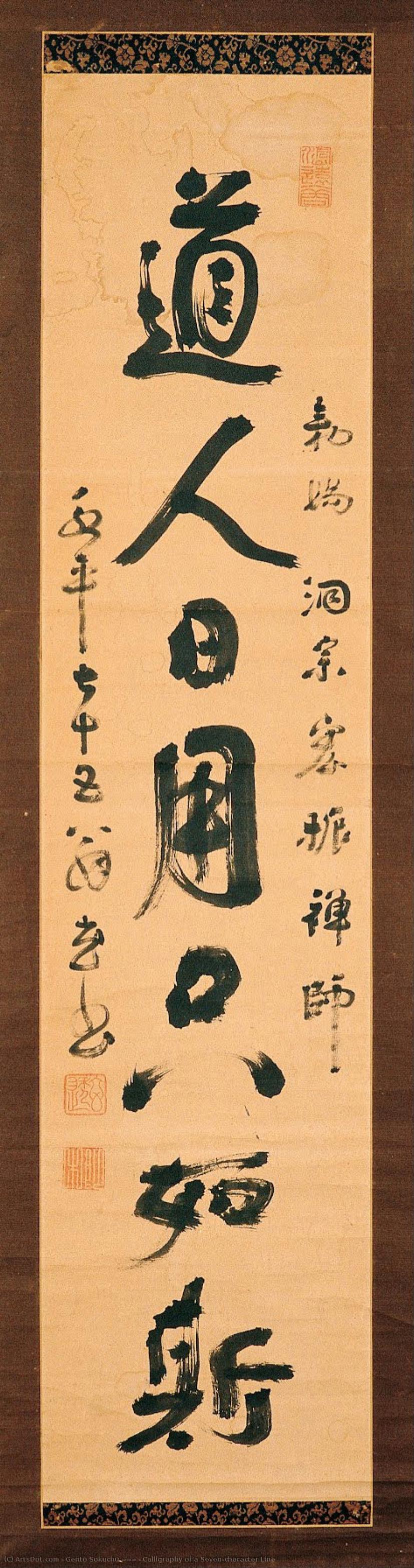
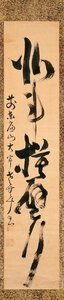
Calligraphy of a Seven-character Line


 詳細を見る
詳細を見る
オンラインプレビューをはるかに凌ぐ、高解像度で鮮明なデジタル画像をご購入いただけます。
各ファイルは、社内の専門家が高度なツールと熟練した手作業によるレタッチを用いて、細心の注意を払って準備されています。すべての画像において、卓越した鮮明度、正確な色彩再現性、そして繊細なディテールを保証いたします。
最終ファイルは、プロフェッショナルな編集・印刷環境ですぐにご利用いただけるよう最適化された状態で、72時間以内にメールにてお届けいたします。これは、一流のデザインスタジオ、出版社、ギャラリーから信頼されているものと同等の品質です。
デジタル画像のご注文に付随する特典
高品質なデジタル画像配信を、確かな品質で。
ArtsDot.com を選ぶことは、単に画像を手に入れることではありません。それは、プロの手によって精密に仕上げられ、満足保証が付いた高品質なデジタルアートワークを受け取ることを意味します。ご注文いただいた際に自動的に付随する内容は、以下の通りです:

メールですぐにお届け
ご注文から72時間以内に、高解像度のデジタル画像ファイルがメールでお手元に届きます。すぐにそのままご利用いただけます。

AI技術で最適化されたデジタルファイル
お客様の作品は、高度なAIツールと専門家による手作業の編集を組み合わせてプロフェッショナルに最適化されており、細部のディテール、鮮明さ、そして正確な色再現性を最大限に引き出しています。

一生涯無料の再送サービス
ファイルを誤って削除したり、紛失してしまったりしましたか?ご安心ください。いつでも無料で再送いたします。

輸入手数料は一切かかりません
関税や手数料、配送料を気にすることなく、お気に入りのアートワークをすぐにお楽しみいただけます。デジタルダウンロードは常に免税です。

色彩再現の保証
プロ仕様のツールとカラーマネジメント技術を用いることで、デジタル画像が元の色を最大限に忠実に再現することを保証いたします。

60日間満足保証
ご購入いただいたデジタル画像にご満足いただけない場合は、60日以内であれば、修正または100%の返金(理由を問う必要はありません)をさせていただきます。

100% 返金保証
ご満足いただけない場合は、デジタルファイルを受け取ってから60日以内であれば、理由を問わず全額返金いたします。

まとめ買い割引
3枚購入で10%OFF - 5枚購入で15%OFF - 10枚以上購入で20%OFF。クリエイティブなプロジェクト、ギャラリー、エージェンシーに最適です。
関連作品




作家の略歴
Gentō Sokuchū (玄透即中): A Revivalist of Dōgen’s Legacy
Gentō Sokuchū (玄透即中), born in 1729, stands as a pivotal figure within the Sōtō Zen tradition—a scholar and abbot who tirelessly championed the rediscovery and reaffirmation of Dōgen Zenji's teachings during the late Edo period. His life’s work centered on meticulously reconstructing and disseminating Dōgen’s seminal texts, fundamentally reshaping the trajectory of Sōtō monastic practice and shaping its intellectual landscape for centuries to come. Understanding Sokuchū requires delving into the broader context of a movement striving to recapture the essence of Zen Buddhism's foundational principles—a mission he undertook with unwavering dedication and profound erudition.- Early Life & Education: Born in Kyoto, Sokuchū’s formative years were marked by rigorous study within Eiheiji monastery, where he honed his understanding of Buddhist philosophy and calligraphy. His upbringing instilled a deep reverence for Dōgen's teachings—a conviction that would propel him throughout his scholarly pursuits.
- Eihei-ji & The Rediscovery of Dōgen: Sokuchū’s ascent to abbatial leadership at Eiheiji coincided with a period of considerable decline in Sōtō monastic scholarship. Recognizing the urgent need for revitalization, he embarked on an ambitious project—the comprehensive editing and publication of Dōgen's monumental works, including Shōbōgenzō and Eihei Kenkōroku (The Record of Enlightenment). This endeavor wasn’t merely academic; it represented a deliberate effort to reconnect monks with the core tenets of Zen practice.
- The Eihei Rules of Purity: Sokuchū's crowning achievement was undoubtedly the compilation of Eihei Shingi—the Eihei Rules of Purity. These rules, painstakingly reconstructed from fragmentary manuscripts, articulated Dōgen’s uncompromising ethical code for monks—a stark contrast to the lax standards prevalent in preceding centuries. Sokuchū’s insistence on enforcing these rules served as a catalyst for reform within Eiheiji and reverberated throughout the Sōtō school.
- Influence & Legacy: Sokuchū's commitment to preserving Dōgen’s legacy extended beyond textual scholarship. He championed the revival of koan practice—a method central to Rinzai Zen—arguing for its judicious use alongside traditional meditation techniques. Furthermore, he oversaw a significant architectural undertaking—the rebuilding of Eiheiji’s sangha hall in 1796—selecting Ming Dynasty models as inspiration, rejecting the Ōbaku school's stylistic preferences and reaffirming Dōgen’s vision of monastic architecture.
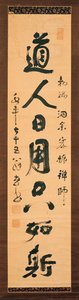
gentō sokuchū (玄透即中)
1729 - 1807 , Japan
プロフィール概要
- Artistic Movement Or Style: Sōtō Zen
- Artists Or Movements Influenced By This Artist: ['Rinzai']
- Artists Who Influenced This Artist: ['Dōgen']
- Date Of Birth: 1729
- Date Of Death: 1807
- Full Name: gentō sokuchū 玄透即中
- Nationality: Japanese
- Notable Artworks: ['Eihei Rules of Purity']
- Place Of Birth: Japan

