 プレビュー
プレビュー
 プリントを購入
 シェアする
シェアする シェアする
シェアする
 詳細を見る
詳細を見る

 ダウンロード
 似ている作品
 X線調査
X線調査 スライドショー
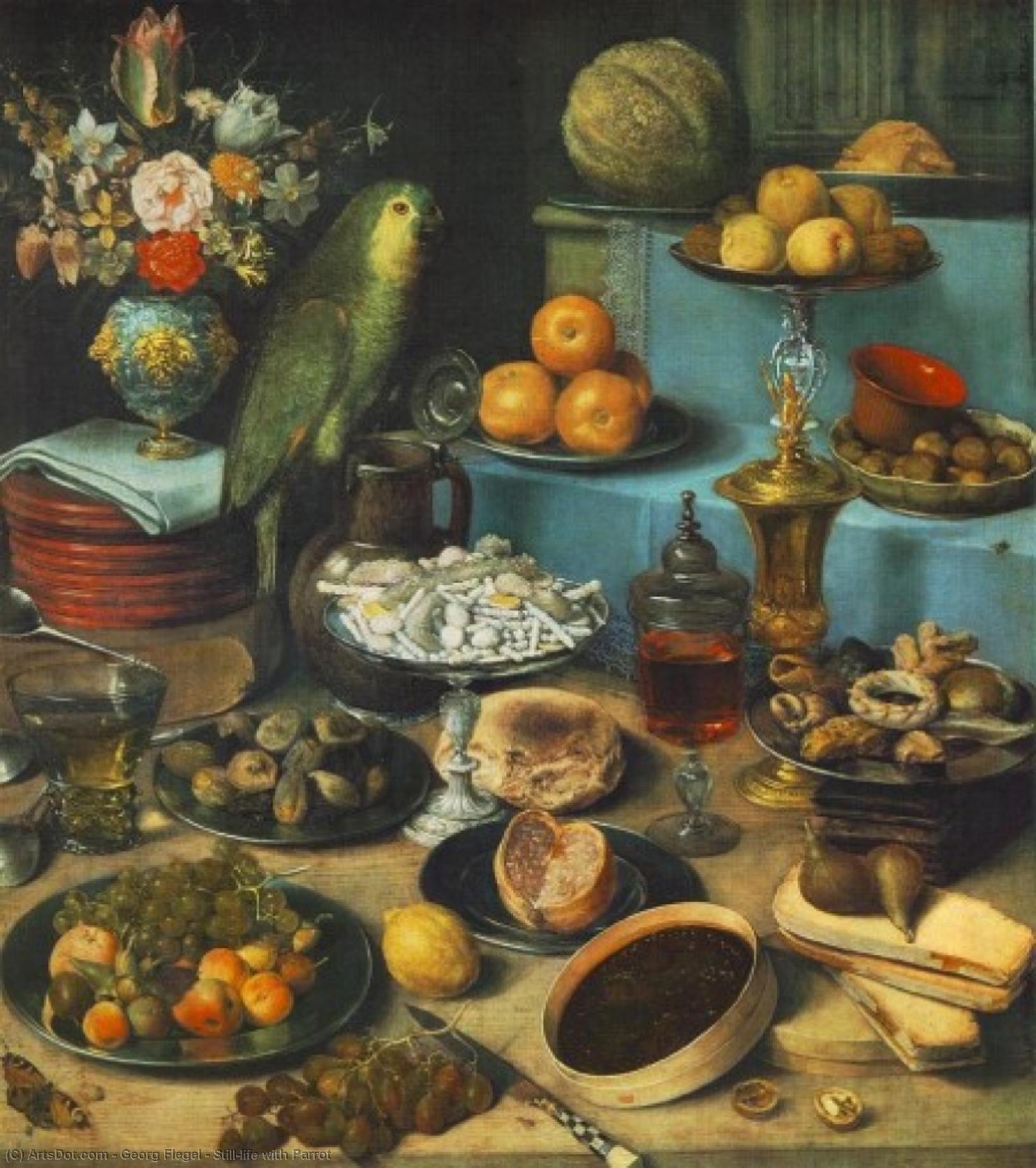
Still-life with Parrot
 Oil
Oil- WallArt
- Baroque
 Early Modern
 78.0 x 67.0 cm
 アルテ・ピナコテーク
 詳細を見る
詳細を見る




P118B $10

P118H $10

P118W $10

P438Z $10

P508JH $12

P508YH $12

P805H $10

P805Z $10

P919BZ $10

P919G $10

P919XJ $10

P959ZH $10

P968JZ $12

W106C $8

W218G $10

W218JH $8

W218Y $10

W307PJ $10

W316G $10

W316PJ $8

W316Y $10

W398PJ $8

W4111J $10

W500HY $15

W500JH $15

W692G $12

W849H $8

W940BG $15

W953PJ $8




作品のオリジナル比率に合わせた、当店の規定サイズからお選びください。

特定のフレームやスペースに合わせて、ご希望のサイズをご入力いただけます。選択されたサイズが元の画像の比率と異なる場合、アートワークをトリミングするか、手描きで要素を追加して絵画を拡張いたします。デジタルモックアップ を制作し、制作開始前にご確認(承認)をいただきます。
画面上のプレビューは、実際のトリミングや拡張を正確に反映しているものではありません。最終的な構図は、モックアップによってのみ正確にご確認いただけます。
カスタムサイズもご利用いただけますが、元の比率を維持するためには、あらかじめ用意されたリストからサイズを選択することをお勧めいたします。
ご注文後、ArtsDot.com チームより詳細な指示をお送りするとともに、仕上がりイメージ(モックアップ)をご提供いたします。


 ガラスオプションは、110cm未満のサイズでのみご利用いただけます。

Still-life with Parrot
複製技法
複製画のサイズ
-


合計金額
$ 263
作品解説
A Symphony of Nature and Abundance
In the quiet, contemplative realm of seventeenth-century Dutch and German still life, few works capture the delicate tension between the wild and the domestic as exquisitely as Georg Flegel’s Still-life with Parrot. This mesmerizing composition invites the viewer into a world where every element—from the vibrant plumage of an exotic bird to the humble skin of a ripening apple—is rendered with a devotion to truth that borders on the miraculous. The scene is set upon a sturdy table, a stage prepared for a silent drama of textures and colors. A parrot, perched with an air of regal curiosity, serves as the focal point, its presence bridging the gap between the untamed wonders of distant lands and the curated comforts of a refined interior. Around this central figure, a bountiful harvest of fruits and vegetables is scattered, creating a visual feast that celebrates the tactile richness of the natural world.
The technique employed by Flegel is nothing short of masterful, showcasing the meticulous precision characteristic of the era's finest practitioners. Each brushstroke serves to define the subtle gradients of light as it dances across the waxy surface of an apple or catches the soft, downy edges of a leaf. The artist utilizes a sophisticated interplay of light and shadow to create a profound sense of three-dimensionality, making the objects appear almost tangible to the touch. One can almost feel the cool smoothness of the ceramic plates and the crispness of the vegetables. This level of detail is not merely decorative; it is an exercise in observation, where the artist’s ability to replicate the luster of moisture or the matte texture of organic decay elevates the painting from a simple arrangement to a profound meditation on the fleeting nature of life.
Symbolism and the Art of Observation
Beyond its surface beauty, the Still-life with Parrot is steeped in the symbolic language of the Baroque period. In the context of the seventeenth century, such arrangements were rarely just displays of wealth or culinary abundance; they were often laden with memento mori—reminders of mortality and the passage of time. The parrot, an exotic inhabitant of a far-off world, represents the reach of human discovery and the allure of the unknown, yet its placement amidst perishable fruits suggests the inevitable cycle of growth and decay. The apples, scattered with intentional randomness, serve as symbols of both temptation and the seasonal rhythms of the earth. For the discerning collector or interior designer, this painting offers more than just a visual anchor; it provides a narrative depth that invites continuous re-examination.
For those looking to integrate such a masterpiece into a contemporary space, the emotional impact of Flegel’s work is unparalleled. A high-quality reproduction of this piece brings an atmosphere of timeless elegance and intellectual curiosity to any room. Whether placed in a sunlit library or a sophisticated dining area, the painting acts as a window into a bygone era of scientific wonder and artistic devotion. It commands attention not through loud colors or aggressive movement, but through a quiet, enduring grace that harmonizes perfectly with both classical and modern decor. To possess such a work is to hold a piece of history that celebrates the exquisite beauty found in the smallest details of our existence.
関連作品
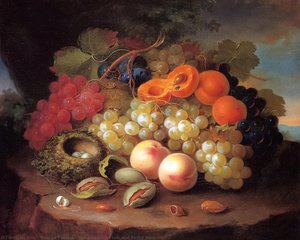
アーティストの略歴
ジュゼッペ・アルチンボルド:不可能を司る巨匠
大胆不敵な想像力と比類なき技巧の代名詞とも言えるジュゼッペ・アルチンボルド(1527-1638)は、肖像画の境界線を再定義したイタリア・マニエリスム期の画家です。1527年4月5日、ミラノにドメニコ・テオトコプロスとして生まれた彼は、ハプスブルク宮廷に仕える中で、やがてジュゼップリ・アルチンボルドの名で知られるようになりました。彼の生涯の仕事は、単に人物の容貌を写し取ることではありませんでした。それは視覚的な物語を紡ぎ出す精緻なパフォーマンスであり、果物、野菜、花、本、さらには楽器といったありふれた物体を、驚くほど写実的で深い象徴性を湛えた「人間の顔」へと変貌させたのです。この独創的なアプローチは、ルネサンスの理想主義と、胎動しつつあったバロック時代の架け橋となり、美術史における極めて重要な地位を不動のものにしました。 アルチンボルドの初期のキャリアは、ミラノ絵画の伝統的な技法に深く根ざしていました。彼は地元の聖堂におけるステンドグラスやフレスコ画のデザイナーとして活動を始め、これらの困難な媒体の技術を習得していきました。しかし、彼の芸術的軌道を劇的に変えたのは、1562年にウィーンのフェルディナント1世の宮廷画家へと任命されたことでした。ハプスブルク宮廷という地位は、彼に前例のない権力と影響力へのアクセスをもたらし、自由な実験と独自の様式の確立を可能にしたのです。その後、彼はプラハ宮廷でマクシミリアン2世やルドルフ2世に仕え、装飾家、衣装デザイナーとして重用されただけでなく、帝国の動物園のためのエキゾチックな動物の精緻な写生図を手がけるなど、その多才さと芸術的な幅広さを遺憾なく発揮しました。- 初期の影響: アルチンボルドの初期作品には、当時のイタリアで主流であった後期マニエリスムの強い影響が見て取れます。彼は「カヴァリエレ・ダ・アルピーノ」として知られるジュゼッペ・チェザーリなどの画家の様式的要素を吸収し、それを自身の独特なスタイルへと昇華させました。
- ヴェネツィアの技法: 1567年のヴェネツィアへの移住は決定的な転機となりました。ティツィアーノ、ティントレット、ヤコポ・バッサーノといったヴェネツィア派の巨匠たちが放つ鮮やかな色彩とダイナミックな構図に触れたことで、彼の芸術的パレットと技法は飛躍的に広がったのです。
- ファルネーゼの円環: ローマのアレッサンドロ・ファルネーゼ枢卿の宮廷で過ごした時期は、激しい実験と革新の時代でした。彼は肖像画の技術を磨き上げ、知的好奇心に溢れ、視覚的なスペクタクルを愛する枢卿の知識人たちの集団のために、衝撃的なイメージを生み出しました。
象徴主義とルネサンス・ネオプラトニズム
アルチンボルドの型破りな肖像画の背後にある正確な動機については、今なお学術的な議論の対象となっています。かつて一部の批評家は、これらを宮廷を愉しませるための単なる珍奇な品として退けましたが、近年の解釈では、ルネサンス期のネオプラトニズム(新プラトン主義)との深い関わりが示唆されています。これは古典哲学とキリスト教神学の調和を図ろうとした哲学運動です。地上の美と豊穣を象徴する自然界の要素を用いることは、神聖な領域のアレゴリー(寓意)と捉えることができ、それらの物体を人間の形態の中に緻密に配置する手法は、「アナモルフォーシス的な統一」――すなわち、万物は究極的には相互に関連し合い、単一の根源的な現実の一部であるという概念――を反映していると考えられます。主要作品とその遺産
アルチンボルドの天才性を象徴する、特に重要な作品がいくつか存在します。花や植物だけで構成された女性の頭部を描いた『フローラ』(1591年頃)は、おそらく彼の最もアイコニックな創造物でしょう。同様に、ローマの豊穣の神としてのルドルフ2世を描いた『ウェルトゥヌス』(1587-1588年)は、構図の妙と、無生物を驚くほど生命感あふれる姿へと変貌させる彼の卓越した手腕を示しています。また、1590年にルドルフ2世のために制作された『冬』などの後期の作品では、技法のさらなる洗練と、空気遠近法へのより強い意識が見て取れます。- フローラ(1591年頃):自然の美しさと豊かさを讃える、アルチンバールド独自の様式の真髄を示す傑作。
- ウェルトゥヌス(1587-1588年):ローマの豊穣の神としてのルドルフ2世を描き、複雑で重層的な構図を生み出す技術を披露した作品。
- 冬(1590年):空気遠近法の習熟と、より洗練された芸術的様式の進化を示す作品。
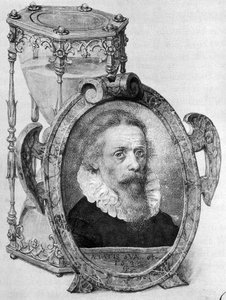
ゲオルク・フレーゲル
1566 - 1638 , チェコ共和国
基本情報
- Artistic Movement Or Style: マニエリスム/初期バロック
- Artists Or Movements Influenced By This Artist: ['カラヴァッジョ']
- Artists Who Influenced This Artist:
- ティツィアーノ
- ティントレット
- Date Of Birth: 1541年
- Date Of Death: 1614年
- Full Name: ドメニコス・テオトコプロス
- Nationality: ギリシャ/スペイン
- Notable Artworks:
- オルガスの伯爵の埋葬
- トレドの風景
- 聖母被昇天
- Place Of Birth: ギリシャ、クレタ島
関連記事

ジョルジュ・ブラック傑作25選:革新的なキュビスムの世界と装飾への誘い
ジョルジュ・ブラックの傑作25選。キュビスムを代表する画家、その革新的な色彩と技法に迫ります。名画から知られざる逸品まで、美術史に残る作品群をArtsDot.comで鑑賞。お部屋を彩るアートプリントも多数ご用意。今すぐオンラインでコレクションをご覧ください。

ジョルジュ・スーラ傑作25選:光と色彩の科学が織りなす芸術の世界|ArtsDot
ジョルジュ・スーラの傑作25選。点描画の光と色彩、印象派から新印象派へ—ArtsDotで美術史を紐解き、リビングやダイニングを彩る高品質なアートプリントを見つけましょう。セーラ作品集をオンラインで鑑賞ください。
The Bountiful Still Life: Symbolism & Artistic Representation of Fruit Across Art History
Explore the rich history of still life painting & the symbolism of fruit across art movements. Discover masterpieces from Caravaggio to Cézanne with ArtsDot – expert guidance & museum-quality reproductions.
Silent Narratives: Exploring the Enduring Appeal of Still Life Painting Across Centuries
Explore the rich history of still life painting with ArtsDot. Discover Dutch Masters, decode vanitas symbolism & learn about collecting timeless art. Expert insights and museum-quality reproductions.
The Enduring Appeal of Still Life: A Historical & Contemporary Exploration
Explore the rich history & symbolism of still life painting with ArtsDot. Discover masterpieces from the Dutch Golden Age, learn about vanitas art, and find expert guidance for collecting timeless artworks.