

 プレビュー
プレビュー
 シェアする
シェアする シェアする
シェアする
 詳細を見る
詳細を見る

 ダウンロード
 似ている作品
 X線調査
X線調査 スライドショー
 統計情報
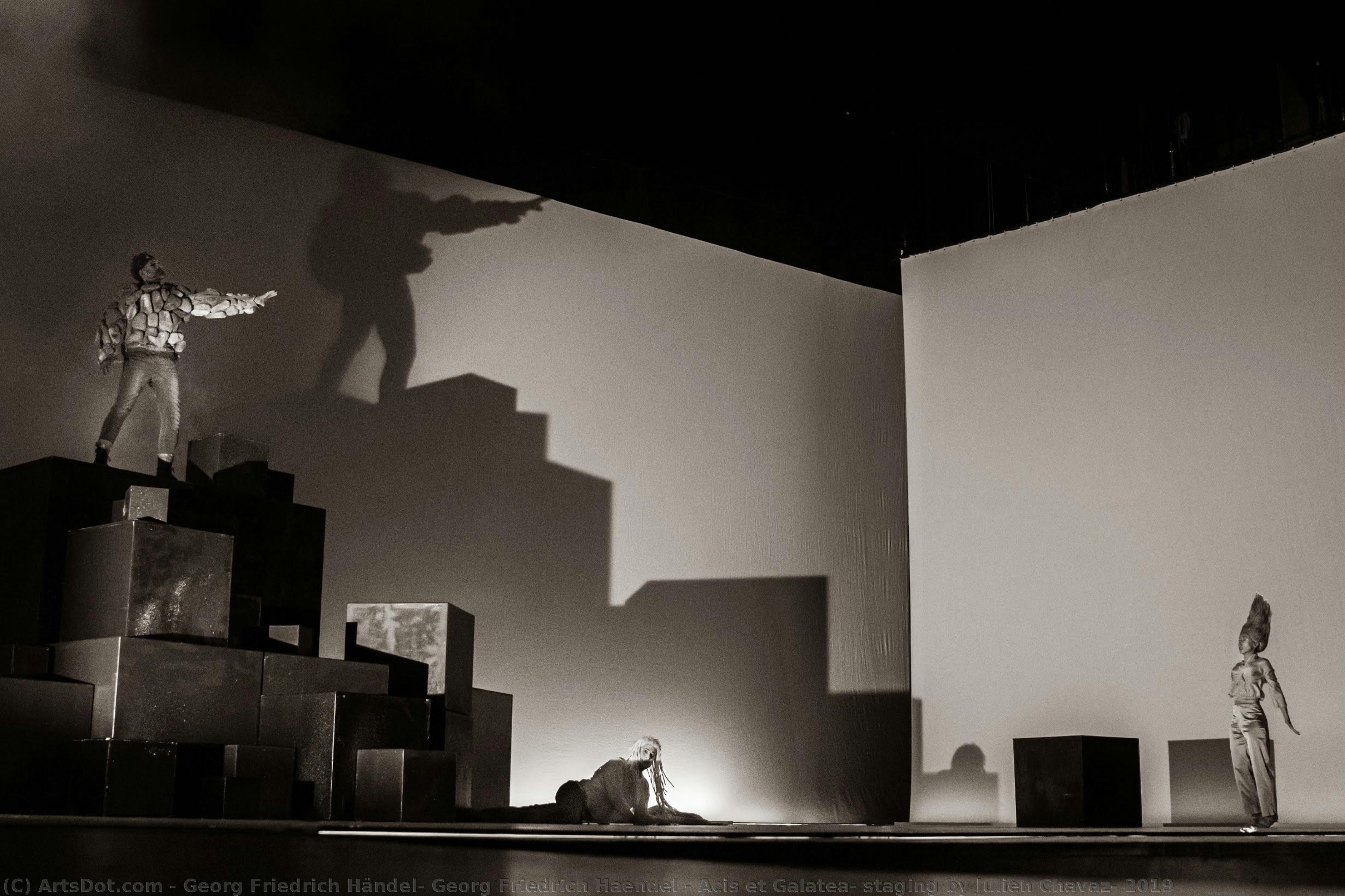
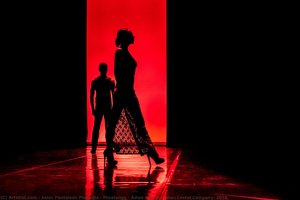
統計情報Acis et Galatea, staging by Julien Chavaz, 2019


 詳細を見る
詳細を見る
手描き油彩複製画
当社のアーティストが、お客様のご希望のサイズと額縁に合わせて、キャンバスに手描きで制作する油彩画です。 ( プリント版に切り替え デジタル画像販売へ切り替え)




































作品のオリジナル比率に合わせた、当店の規定サイズからお選びください。

特定のフレームやスペースに合わせて、ご希望のサイズをご入力いただけます。選択されたサイズが元の画像の比率と異なる場合、アートワークをトリミングするか、手描きで要素を追加して絵画を拡張いたします。デジタルモックアップ を制作し、制作開始前にご確認(承認)をいただきます。
画面上のプレビューは、実際のトリミングや拡張を正確に反映しているものではありません。最終的な構図は、モックアップによってのみ正確にご確認いただけます。
カスタムサイズもご利用いただけますが、元の比率を維持するためには、あらかじめ用意されたリストからサイズを選択することをお勧めいたします。
ご注文後、ArtsDot.com チームより詳細な指示をお送りするとともに、仕上がりイメージ(モックアップ)をご提供いたします。


 ガラスオプションは、110cm未満のサイズでのみご利用いただけます。

Acis et Galatea, staging by Julien Chavaz, 2019
複製技法
複製画のサイズ
-


合計金額
$ 263
関連作品






アーティストの略歴
A Life Bridging Worlds: The Baroque Majesty of George Frideric Handel
George Frideric Handel, born Georg Friederich Händel in 1685 in Halle, Germany, stands as a towering figure of the Baroque era—a composer whose music transcended national boundaries and continues to resonate with audiences centuries later. His life was one of remarkable travel, ambition, and artistic innovation, forging a unique style that blended German contrapuntal mastery with Italian operatic flair and ultimately captivated British society. Handel’s journey wasn't simply geographical; it was a constant negotiation between tradition and modernity, patronage and independence, culminating in a legacy that defines an era of musical brilliance. Though born into a family where his musical inclinations were initially met with pragmatic reservations—his father, a barber-surgeon, preferred a legal career for his son—the young Handel’s talent proved undeniable. Early lessons with Friedrich Zachow instilled a solid foundation in keyboard performance and composition, but it was the allure of the wider world that truly ignited his creative spirit. A brief foray into law studies at the University of Halle quickly gave way to a passion for opera, leading him first to Hamburg and then to Italy, where he immersed himself in the vibrant musical landscape of Florence, Rome, Naples, and Venice.Italian Flourishing and the Path to London
Italy proved transformative. Handel absorbed the operatic traditions of Alessandro Scarlatti and Arcangelo Corelli, honing his skills in vocal writing and orchestral arrangement. He composed prolifically for Italian courts and patrons, developing a distinctive style that showcased both dramatic intensity and melodic grace. This period wasn’t merely about technical refinement; it was about understanding the power of music to evoke emotion and tell stories. By 1710, Handel had accepted a position as Kapellmeister to the Elector of Hanover, but his heart lay elsewhere—in London. The English capital offered a burgeoning operatic scene and a receptive audience eager for new musical experiences. His opera *Rinaldo*, premiered in 1711, was an immediate success, establishing him as a leading figure in the London music world. Handel’s decision to remain in England marked a turning point in his career. He navigated the complexities of aristocratic patronage, founding the Royal Academy of Music in 1719—an ambitious attempt to establish Italian opera on a firm commercial footing. This venture, though ultimately fraught with financial challenges, allowed him to showcase his operatic vision and cultivate a loyal following among the English nobility.A Composer for the Nation: Oratorios and Beyond
The 1730s witnessed a significant shift in Handel’s creative focus. A physical breakdown in 1737 prompted a reevaluation of his artistic priorities, leading him to move away from Italian opera towards English-language choral works—oratorios. This wasn't simply a change of genre; it was a response to evolving tastes and a desire to connect with a broader audience. *Esther* (revived in 1732) paved the way for a series of masterpieces, including *Messiah* (1742), *Samson* (1743), and *Judas Maccabaeus* (1746). These oratorios weren’t merely religious works; they were dramatic narratives filled with powerful choruses, poignant arias, and stirring orchestral passages. Messiah, in particular, became an enduring symbol of Handel's genius—a testament to his ability to combine musical brilliance with profound emotional depth. Beyond the oratorios, Handel continued to compose instrumental works that showcased his mastery of orchestration and form. *Water Music* (1717) and *Music for the Royal Fireworks* (1749), commissioned for royal occasions, remain steadfastly popular—celebrated for their elegance, grandeur, and sheer musical joy.Legacy and Enduring Influence
Handel’s final years were marked by both professional success and personal challenges. Despite declining eyesight, he continued to compose prolifically, adapting to changing tastes and maintaining his position as a leading figure in the London music world. He died a respected and wealthy man in 1759, receiving a state funeral at Westminster Abbey—a fitting tribute to a composer who had become an integral part of British cultural life. The impact of Handel’s music extended far beyond his lifetime. His works were admired by Classical-era composers such as Haydn, Mozart, and Beethoven, who studied his scores and drew inspiration from his techniques. Winton Dean, a leading Handel scholar, aptly described him as “a dramatic genius of the first order.” Today, Handel’s music continues to be performed worldwide—a testament to its enduring power and universal appeal. His operas, oratorios, and instrumental works remain cornerstones of the Baroque repertoire, captivating audiences with their beauty, drama, and emotional depth. He was a true cosmopolitan composer, bridging cultural divides and leaving an indelible mark on the history of music.- Handel’s early musical education came from Friedrich Zachow.
- His travels to Italy were crucial in developing his operatic style.
- *Messiah* is arguably his most famous work, and a cornerstone of the oratorio genre.
- He founded the Royal Academy of Music to promote Italian opera in London.
- Handel became a naturalized British citizen in 1727.
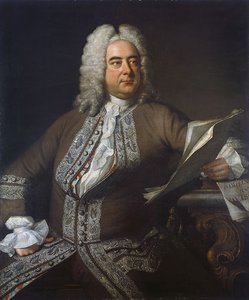
georg friedrich händel, georg friedrich haendel
1685 - 1759 , Germany
基本情報
- Artistic Movement Or Style: Baroque music
- Artists Or Movements Influenced By This Artist:
- Haydn
- Mozart
- Beethoven
- Artists Who Influenced This Artist:
- Arcangelo Corelli
- Alessandro Scarlatti
- Date Of Birth: February 23, 1685
- Date Of Death: April 14, 1759
- Full Name: George Frideric Handel
- Nationality: German-British
- Notable Artworks:
- Messiah
- Water Music
- Acis and Galatea
- Place Of Birth: Halle, Germany