

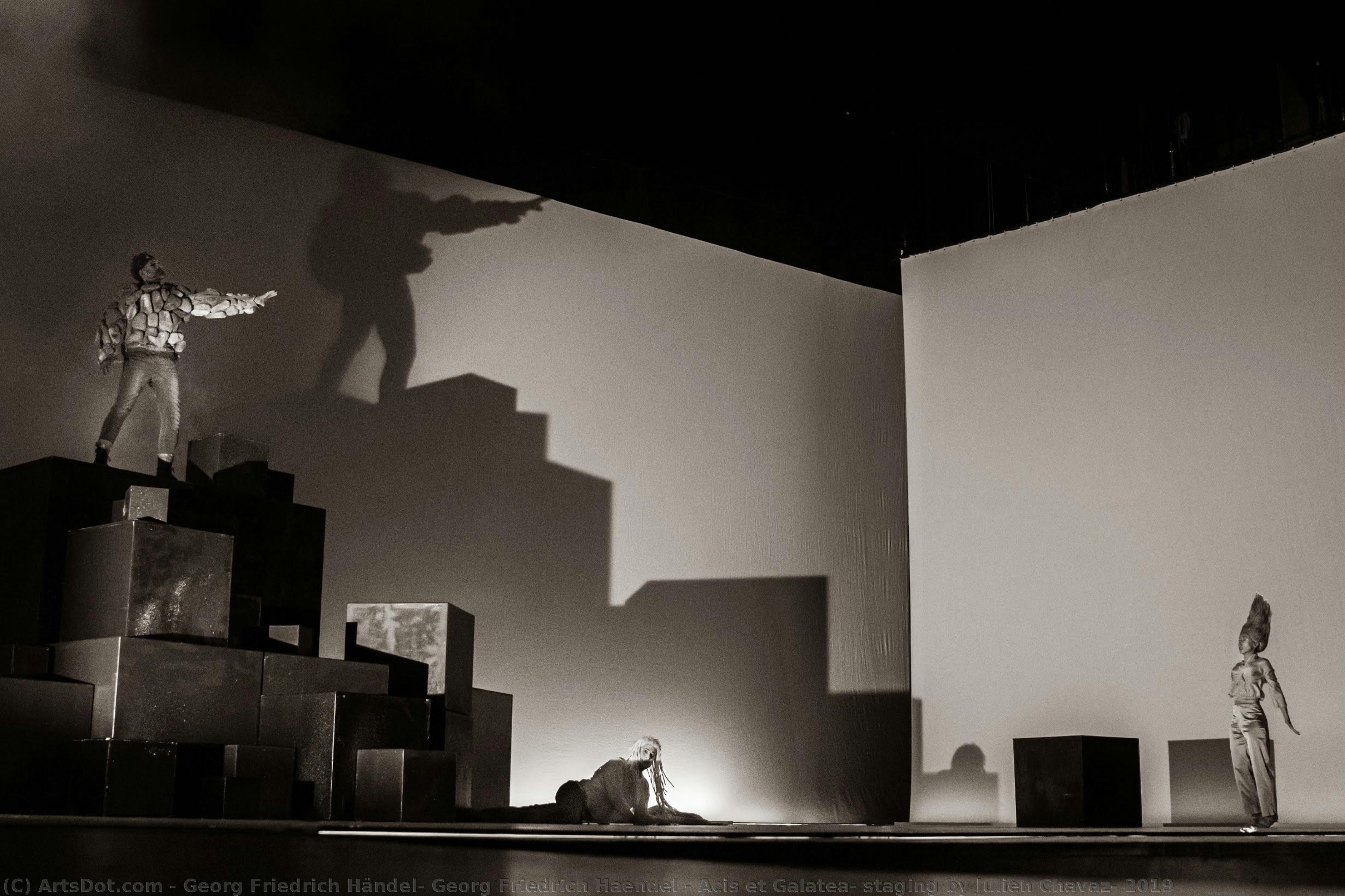
 プレビュー
プレビュー
 シェアする
シェアする シェアする
シェアする
 詳細を見る
詳細を見る

 ダウンロード
 似ている作品
 X線調査
X線調査 スライドショー
 統計情報
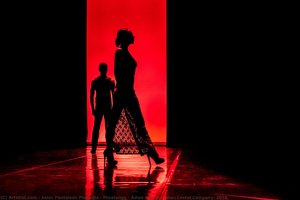
統計情報Acis et Galatea, staging by Julien Chavaz, 2019


 詳細を見る
詳細を見る
オンラインプレビューをはるかに凌ぐ、高解像度で鮮明なデジタル画像をご購入いただけます。
各ファイルは、社内の専門家が高度なツールと熟練した手作業によるレタッチを用いて、細心の注意を払って準備されています。すべての画像において、卓越した鮮明度、正確な色彩再現性、そして繊細なディテールを保証いたします。
最終ファイルは、プロフェッショナルな編集・印刷環境ですぐにご利用いただけるよう最適化された状態で、72時間以内にメールにてお届けいたします。これは、一流のデザインスタジオ、出版社、ギャラリーから信頼されているものと同等の品質です。
デジタルアート
個人での鑑賞、印刷、クリエイティブなプロジェクト用に、高解像度ファイルをダウンロードできます。 ( プリント版に切り替え 手描きの絵画を購入)
デジタル画像のご注文に付随する特典
高品質なデジタル画像配信を、確かな品質で。
ArtsDot.com を選ぶことは、単に画像を手に入れることではありません。それは、プロの手によって精密に仕上げられ、満足保証が付いた高品質なデジタルアートワークを受け取ることを意味します。ご注文いただいた際に自動的に付随する内容は、以下の通りです:

メールですぐにお届け
ご注文から72時間以内に、高解像度のデジタル画像ファイルがメールでお手元に届きます。すぐにそのままご利用いただけます。

AI技術で最適化されたデジタルファイル
お客様の作品は、高度なAIツールと専門家による手作業の編集を組み合わせてプロフェッショナルに最適化されており、細部のディテール、鮮明さ、そして正確な色再現性を最大限に引き出しています。

一生涯無料の再送サービス
ファイルを誤って削除したり、紛失してしまったりしましたか?ご安心ください。いつでも無料で再送いたします。

輸入手数料は一切かかりません
関税や手数料、配送料を気にすることなく、お気に入りのアートワークをすぐにお楽しみいただけます。デジタルダウンロードは常に免税です。

色彩再現の保証
プロ仕様のツールとカラーマネジメント技術を用いることで、デジタル画像が元の色を最大限に忠実に再現することを保証いたします。

100日間満足保証
ご購入いただいたデジタル画像にご満足いただけない場合は、100日以内であれば、理由を問わず修正または100%の返金対応をさせていただきます。

100% 返金保証
ご満足いただけない場合は、デジタルファイルを受け取ってから100日以内であれば、理由を問わず全額返金いたします。

まとめ買い割引
3枚購入で10%OFF - 5枚購入で15%OFF - 10枚以上購入で20%OFF。クリエイティブなプロジェクト、ギャラリー、エージェンシーに最適です。
関連作品






作家の略歴
A Life Bridging Worlds: The Baroque Majesty of George Frideric Handel
George Frideric Handel, born Georg Friederich Händel in 1685 in Halle, Germany, stands as a towering figure of the Baroque era—a composer whose music transcended national boundaries and continues to resonate with audiences centuries later. His life was one of remarkable travel, ambition, and artistic innovation, forging a unique style that blended German contrapuntal mastery with Italian operatic flair and ultimately captivated British society. Handel’s journey wasn't simply geographical; it was a constant negotiation between tradition and modernity, patronage and independence, culminating in a legacy that defines an era of musical brilliance. Though born into a family where his musical inclinations were initially met with pragmatic reservations—his father, a barber-surgeon, preferred a legal career for his son—the young Handel’s talent proved undeniable. Early lessons with Friedrich Zachow instilled a solid foundation in keyboard performance and composition, but it was the allure of the wider world that truly ignited his creative spirit. A brief foray into law studies at the University of Halle quickly gave way to a passion for opera, leading him first to Hamburg and then to Italy, where he immersed himself in the vibrant musical landscape of Florence, Rome, Naples, and Venice.Italian Flourishing and the Path to London
Italy proved transformative. Handel absorbed the operatic traditions of Alessandro Scarlatti and Arcangelo Corelli, honing his skills in vocal writing and orchestral arrangement. He composed prolifically for Italian courts and patrons, developing a distinctive style that showcased both dramatic intensity and melodic grace. This period wasn’t merely about technical refinement; it was about understanding the power of music to evoke emotion and tell stories. By 1710, Handel had accepted a position as Kapellmeister to the Elector of Hanover, but his heart lay elsewhere—in London. The English capital offered a burgeoning operatic scene and a receptive audience eager for new musical experiences. His opera *Rinaldo*, premiered in 1711, was an immediate success, establishing him as a leading figure in the London music world. Handel’s decision to remain in England marked a turning point in his career. He navigated the complexities of aristocratic patronage, founding the Royal Academy of Music in 1719—an ambitious attempt to establish Italian opera on a firm commercial footing. This venture, though ultimately fraught with financial challenges, allowed him to showcase his operatic vision and cultivate a loyal following among the English nobility.A Composer for the Nation: Oratorios and Beyond
The 1730s witnessed a significant shift in Handel’s creative focus. A physical breakdown in 1737 prompted a reevaluation of his artistic priorities, leading him to move away from Italian opera towards English-language choral works—oratorios. This wasn't simply a change of genre; it was a response to evolving tastes and a desire to connect with a broader audience. *Esther* (revived in 1732) paved the way for a series of masterpieces, including *Messiah* (1742), *Samson* (1743), and *Judas Maccabaeus* (1746). These oratorios weren’t merely religious works; they were dramatic narratives filled with powerful choruses, poignant arias, and stirring orchestral passages. Messiah, in particular, became an enduring symbol of Handel's genius—a testament to his ability to combine musical brilliance with profound emotional depth. Beyond the oratorios, Handel continued to compose instrumental works that showcased his mastery of orchestration and form. *Water Music* (1717) and *Music for the Royal Fireworks* (1749), commissioned for royal occasions, remain steadfastly popular—celebrated for their elegance, grandeur, and sheer musical joy.Legacy and Enduring Influence
Handel’s final years were marked by both professional success and personal challenges. Despite declining eyesight, he continued to compose prolifically, adapting to changing tastes and maintaining his position as a leading figure in the London music world. He died a respected and wealthy man in 1759, receiving a state funeral at Westminster Abbey—a fitting tribute to a composer who had become an integral part of British cultural life. The impact of Handel’s music extended far beyond his lifetime. His works were admired by Classical-era composers such as Haydn, Mozart, and Beethoven, who studied his scores and drew inspiration from his techniques. Winton Dean, a leading Handel scholar, aptly described him as “a dramatic genius of the first order.” Today, Handel’s music continues to be performed worldwide—a testament to its enduring power and universal appeal. His operas, oratorios, and instrumental works remain cornerstones of the Baroque repertoire, captivating audiences with their beauty, drama, and emotional depth. He was a true cosmopolitan composer, bridging cultural divides and leaving an indelible mark on the history of music.- Handel’s early musical education came from Friedrich Zachow.
- His travels to Italy were crucial in developing his operatic style.
- *Messiah* is arguably his most famous work, and a cornerstone of the oratorio genre.
- He founded the Royal Academy of Music to promote Italian opera in London.
- Handel became a naturalized British citizen in 1727.
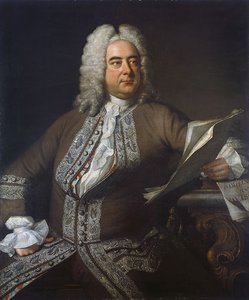
georg friedrich händel, georg friedrich haendel
1685 - 1759 , Germany
プロフィール概要
- Artistic Movement Or Style: Baroque music
- Artists Or Movements Influenced By This Artist:
- Haydn
- Mozart
- Beethoven
- Artists Who Influenced This Artist:
- Arcangelo Corelli
- Alessandro Scarlatti
- Date Of Birth: February 23, 1685
- Date Of Death: April 14, 1759
- Full Name: George Frideric Handel
- Nationality: German-British
- Notable Artworks:
- Messiah
- Water Music
- Acis and Galatea
- Place Of Birth: Halle, Germany