

 プレビュー
プレビュー
 プリントを購入
 シェアする
シェアする シェアする
シェアする
 詳細を見る
詳細を見る

 ダウンロード
 似ている作品
 X線調査
X線調査 スライドショー
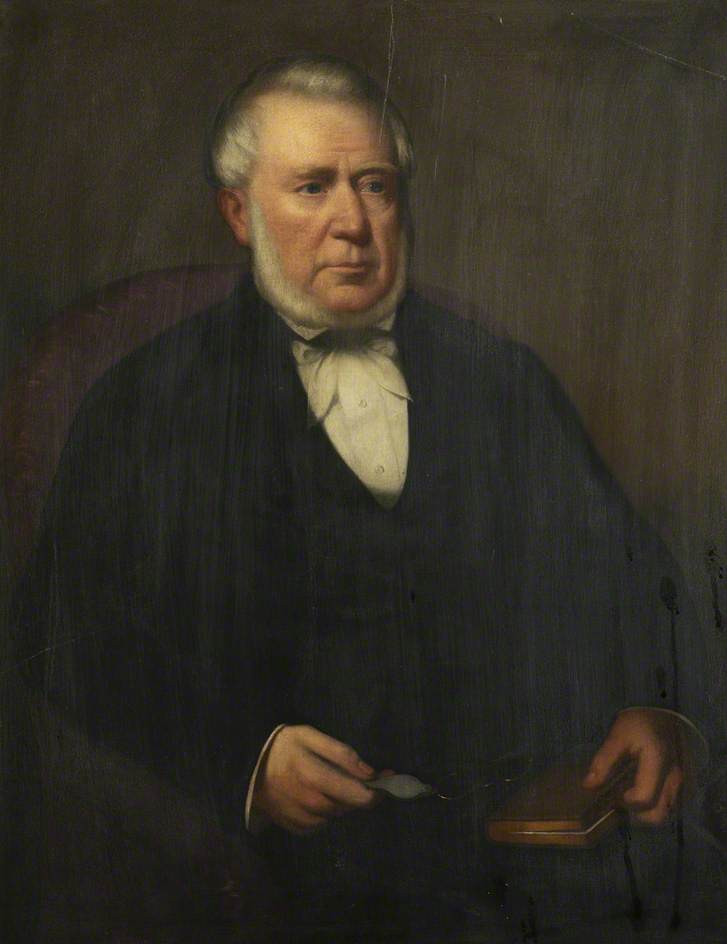
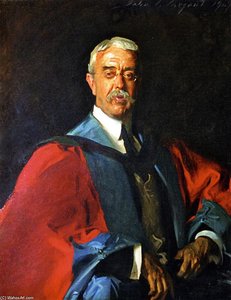
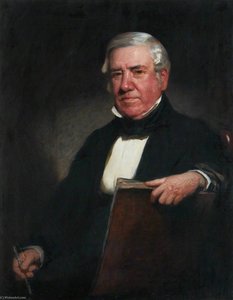
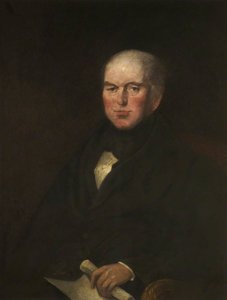
Dr William Harris Murch (1784–1859), Principal of Stepney Academy (1827–1843)
 Academic Portraiture
 90.0 x 70.0 cm
 Regent's Park College
 詳細を見る
詳細を見る




































作品のオリジナル比率に合わせた、当店の規定サイズからお選びください。

特定のフレームやスペースに合わせて、ご希望のサイズをご入力いただけます。選択されたサイズが元の画像の比率と異なる場合、アートワークをトリミングするか、手描きで要素を追加して絵画を拡張いたします。デジタルモックアップ を制作し、制作開始前にご確認(承認)をいただきます。
画面上のプレビューは、実際のトリミングや拡張を正確に反映しているものではありません。最終的な構図は、モックアップによってのみ正確にご確認いただけます。
カスタムサイズもご利用いただけますが、元の比率を維持するためには、あらかじめ用意されたリストからサイズを選択することをお勧めいたします。
ご注文後、ArtsDot.com チームより詳細な指示をお送りするとともに、仕上がりイメージ(モックアップ)をご提供いたします。


 ガラスオプションは、110cm未満のサイズでのみご利用いただけます。

Dr William Harris Murch (1784–1859), Principal of Stepney Academy (1827–1843)
複製技法
複製画のサイズ
-


合計金額
$ 263
関連作品
アーティストの略歴
The Soul Captured in Oil: The Life and Legacy of George Frederick Clarke
In the golden, flickering light of the Victorian era, few artists possessed the ability to bridge the gap between mere physical likeness and profound psychological depth as masterfully as George Frederick Clarke. Born in London in 1823, Clarke emerged from a world of growing industrial complexity into an artistic landscape defined by a reverence for tradition and a burgeoning fascination with Romanticism. His journey was not merely one of personal ambition but was deeply rooted in a lineage of patronage; the son of William Clarke, a man of significant legal standing and means, George was afforded the rare luxury of an education that prioritized the cultivation of the aesthetic spirit. This early immersion in the upper echelons of British society provided him with more than just financial stability—it granted him intimate access to the very subjects who would become his lifelong muses: the aristocracy, the intellectuals, and the historical titans of his age.
The trajectory of Clarke’s artistry was irrevocably altered by his formative years at Marlborough College, where he encountered the formidable influence of John Ruskin. To study under Ruskin was to be initiated into a philosophy that demanded both scientific precision and emotional resonance. From this mentorship, Clarke inherited a devotion to the "truth to nature" principle, a belief that would manifest in his meticulous attention to the textures of velvet, the subtle sheen of silk, and the weathered contours of a human face. This Ruskinian influence instilled in him a unique duality of technique; he became a rare virtuoso capable of navigating the delicate transparency of watercolor washes and the rich, commanding weight of oil glazes. His canvases often shimmered with an ethereal luminosity, achieved through a sophisticated layering process that allowed light to appear as if it were emanating from within the subject itself.
A Master of the Victorian Gaze
As his career matured, Clarke’s reputation solidified as a premier portraitist of the British elite. His work was characterized by an academic realism that never descended into the sterile or the mechanical. Instead, he sought to capture what contemporaries called the "essence" of the sitter. Whether rendering the dignified presence of Dr. William Harris Murch or the commanding stature of Lord John Manners, Clarke utilized a rich, tonal palette to evoke a sense of permanence and historical weight. His portraits were not merely records of appearance but were narrative windows into the character of the Victorian era, capturing the gravity, the duty, and the quiet introspection of a generation.
The technical brilliance of his oeuvre can be observed through several defining elements:
- Textural Complexity: His ability to blend thin oil glazes with watercolor-like washes created surfaces that possessed an almost tactile quality, inviting the viewer to feel the weight of a heavy cloak or the softness of skin.
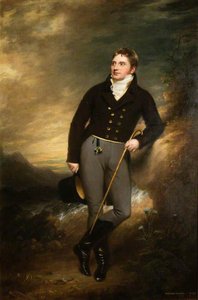
- Atmospheric Depth: Drawing from Romantic ideals, Clarke often integrated subtle environmental elements—such as the distant, moody landscapes seen in his 1874 portrait of the 7th Duke of Rutland—to mirror the internal temperament of his subjects.
- Psychological Insight: Beyond the finery of aristocratic dress, Clarke’s true achievement lay in his use of light and shadow to suggest the hidden thoughts and complexities of the human psyche.
By the time of his passing in 1906, George Frederick Clarke had left an indelible mark on the history of British portraiture. He stood as a bridge between the rigid formal traditions of the early nineteenth century and the more emotive, atmospheric approaches that would follow. His legacy remains preserved in the halls of prestigious collections, serving as a testament to a period when art served as the ultimate mirror to the soul of a nation, capturing the fleeting dignity of an era through the enduring power of the brush.
george frederick clarke
1823 - 1906
基本情報
- Artistic Movement Or Style: Romanticism
- Artists Or Movements Influenced By This Artist: ['British Portraiture']
- Artists Who Influenced This Artist: ['Sir Thomas Lawrence']
- Date Of Birth: 1823
- Date Of Death: 1906
- Full Name: George Frederick Clarke
- Nationality: British
- Notable Artworks:
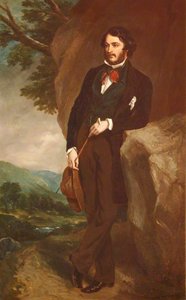
- Lord John James Robert Manners (1818–1906)
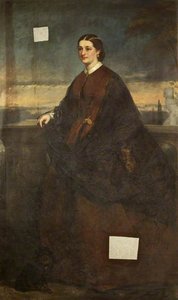
- Portrait of Lady Harriet Manners
- Place Of Birth: London, England
関連記事
Academic Portraiture: Tradition, Technique & the Evolution of Representational Art
Explore the rich history & masterful techniques of academic portraiture. Discover iconic artists, learn about collecting, and commission a bespoke oil painting reproduction with ArtsDot.
Academic Realism's Finest: 10 Masterpieces for Art Lovers & Home Decor
Explore 10 defining Academic Realism masterpieces by Bouguereau, Gérôme & Cabanel. Discover the stories behind these iconic paintings and bring timeless art into your home with museum-quality reproductions from ArtsDot.com. Explore the full collection online!
Academic Art: Tradition, Technique & the Pursuit of Ideal Form in the 19th Century
Explore the world of Academic Art! Discover its history, key artists like Ingres & Bouguereau, defining techniques, and lasting influence on 19th-century painting. Learn about the Salon system and its legacy.
19th Century Masterpieces: 10 Paintings That Defined an Era | ArtsDot
Journey through 19th century art with ArtsDot! Explore 10 iconic paintings – from Monet & Renoir to Courbet – and discover the stories behind Romanticism, Realism & Impressionism. Find museum-quality reproductions for your home decor. Explore the full collection online!
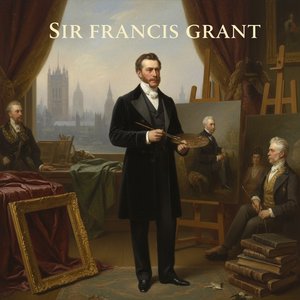
Sir Francis Grant: Portraiture, Patronage & Victorian Society
Explore the life & work of Sir Francis Grant, a leading Victorian portraitist. Discover his aristocratic clientele, role at the Royal Academy, and enduring artistic legacy. Learn about art patronage in 19th-century Britain.

