

 プレビュー
プレビュー
 プリントを購入
 シェアする
シェアする シェアする
シェアする
 詳細を見る
詳細を見る

 ダウンロード
 似ている作品
 X線調査
X線調査 スライドショー
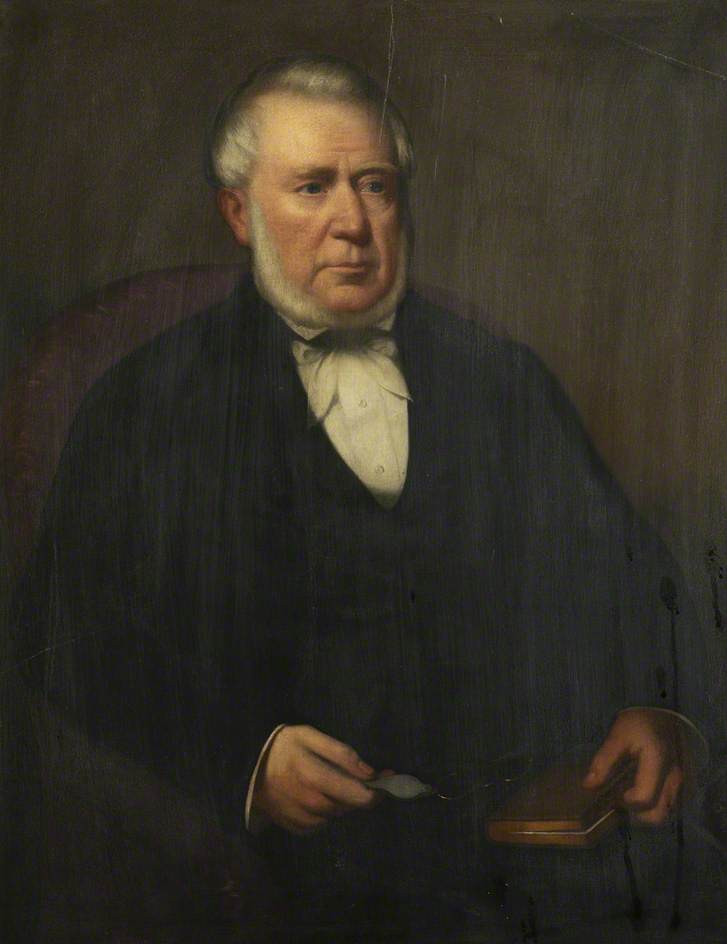
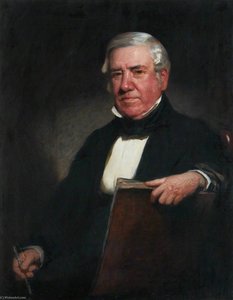
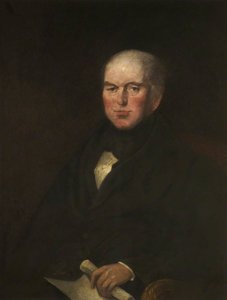
Dr William Harris Murch (1784–1859), Principal of Stepney Academy (1827–1843)
 Academic Portraiture
 90.0 x 70.0 cm
 Regent's Park College
 詳細を見る
詳細を見る
オンラインプレビューをはるかに凌ぐ、高解像度で鮮明なデジタル画像をご購入いただけます。
各ファイルは、社内の専門家が高度なツールと熟練した手作業によるレタッチを用いて、細心の注意を払って準備されています。すべての画像において、卓越した鮮明度、正確な色彩再現性、そして繊細なディテールを保証いたします。
最終ファイルは、プロフェッショナルな編集・印刷環境ですぐにご利用いただけるよう最適化された状態で、72時間以内にメールにてお届けいたします。これは、一流のデザインスタジオ、出版社、ギャラリーから信頼されているものと同等の品質です。
デジタル画像のご注文に付随する特典
高品質なデジタル画像配信を、確かな品質で。
ArtsDot.com を選ぶことは、単に画像を手に入れることではありません。それは、プロの手によって精密に仕上げられ、満足保証が付いた高品質なデジタルアートワークを受け取ることを意味します。ご注文いただいた際に自動的に付随する内容は、以下の通りです:

メールですぐにお届け
ご注文から72時間以内に、高解像度のデジタル画像ファイルがメールでお手元に届きます。すぐにそのままご利用いただけます。

AI技術で最適化されたデジタルファイル
お客様の作品は、高度なAIツールと専門家による手作業の編集を組み合わせてプロフェッショナルに最適化されており、細部のディテール、鮮明さ、そして正確な色再現性を最大限に引き出しています。

一生涯無料の再送サービス
ファイルを誤って削除したり、紛失してしまったりしましたか?ご安心ください。いつでも無料で再送いたします。

輸入手数料は一切かかりません
関税や手数料、配送料を気にすることなく、お気に入りのアートワークをすぐにお楽しみいただけます。デジタルダウンロードは常に免税です。

色彩再現の保証
プロ仕様のツールとカラーマネジメント技術を用いることで、デジタル画像が元の色を最大限に忠実に再現することを保証いたします。

60日間満足保証
ご購入いただいたデジタル画像にご満足いただけない場合は、60日以内であれば、修正または100%の返金(理由を問う必要はありません)をさせていただきます。

100% 返金保証
ご満足いただけない場合は、デジタルファイルを受け取ってから60日以内であれば、理由を問わず全額返金いたします。

まとめ買い割引
3枚購入で10%OFF - 5枚購入で15%OFF - 10枚以上購入で20%OFF。クリエイティブなプロジェクト、ギャラリー、エージェンシーに最適です。
関連作品
作家の略歴
The Soul Captured in Oil: The Life and Legacy of George Frederick Clarke
In the golden, flickering light of the Victorian era, few artists possessed the ability to bridge the gap between mere physical likeness and profound psychological depth as masterfully as George Frederick Clarke. Born in London in 1823, Clarke emerged from a world of growing industrial complexity into an artistic landscape defined by a reverence for tradition and a burgeoning fascination with Romanticism. His journey was not merely one of personal ambition but was deeply rooted in a lineage of patronage; the son of William Clarke, a man of significant legal standing and means, George was afforded the rare luxury of an education that prioritized the cultivation of the aesthetic spirit. This early immersion in the upper echelons of British society provided him with more than just financial stability—it granted him intimate access to the very subjects who would become his lifelong muses: the aristocracy, the intellectuals, and the historical titans of his age.
The trajectory of Clarke’s artistry was irrevocably altered by his formative years at Marlborough College, where he encountered the formidable influence of John Ruskin. To study under Ruskin was to be initiated into a philosophy that demanded both scientific precision and emotional resonance. From this mentorship, Clarke inherited a devotion to the "truth to nature" principle, a belief that would manifest in his meticulous attention to the textures of velvet, the subtle sheen of silk, and the weathered contours of a human face. This Ruskinian influence instilled in him a unique duality of technique; he became a rare virtuoso capable of navigating the delicate transparency of watercolor washes and the rich, commanding weight of oil glazes. His canvases often shimmered with an ethereal luminosity, achieved through a sophisticated layering process that allowed light to appear as if it were emanating from within the subject itself.
A Master of the Victorian Gaze
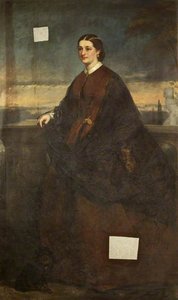
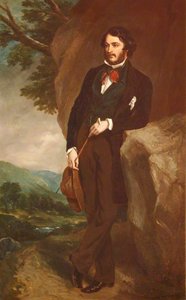
As his career matured, Clarke’s reputation solidified as a premier portraitist of the British elite. His work was characterized by an academic realism that never descended into the sterile or the mechanical. Instead, he sought to capture what contemporaries called the "essence" of the sitter. Whether rendering the dignified presence of Dr. William Harris Murch or the commanding stature of Lord John Manners, Clarke utilized a rich, tonal palette to evoke a sense of permanence and historical weight. His portraits were not merely records of appearance but were narrative windows into the character of the Victorian era, capturing the gravity, the duty, and the quiet introspection of a generation.
The technical brilliance of his oeuvre can be observed through several defining elements:
- Textural Complexity: His ability to blend thin oil glazes with watercolor-like washes created surfaces that possessed an almost tactile quality, inviting the viewer to feel the weight of a heavy cloak or the softness of skin.
- Atmospheric Depth: Drawing from Romantic ideals, Clarke often integrated subtle environmental elements—such as the distant, moody landscapes seen in his 1874 portrait of the 7th Duke of Rutland—to mirror the internal temperament of his subjects.
- Psychological Insight: Beyond the finery of aristocratic dress, Clarke’s true achievement lay in his use of light and shadow to suggest the hidden thoughts and complexities of the human psyche.
By the time of his passing in 1906, George Frederick Clarke had left an indelible mark on the history of British portraiture. He stood as a bridge between the rigid formal traditions of the early nineteenth century and the more emotive, atmospheric approaches that would follow. His legacy remains preserved in the halls of prestigious collections, serving as a testament to a period when art served as the ultimate mirror to the soul of a nation, capturing the fleeting dignity of an era through the enduring power of the brush.
george frederick clarke
1823 - 1906
プロフィール概要
- Artistic Movement Or Style: Romanticism
- Artists Or Movements Influenced By This Artist: ['British Portraiture']
- Artists Who Influenced This Artist: ['Sir Thomas Lawrence']
- Date Of Birth: 1823
- Date Of Death: 1906
- Full Name: George Frederick Clarke
- Nationality: British
- Notable Artworks:
- Lord John James Robert Manners (1818–1906)
- Portrait of Lady Harriet Manners
- Place Of Birth: London, England

