

 プレビュー
プレビュー
 プリントを購入
 シェアする
シェアする シェアする
シェアする
 詳細を見る
詳細を見る

 ダウンロード
 似ている作品
 X線調査
X線調査 スライドショー
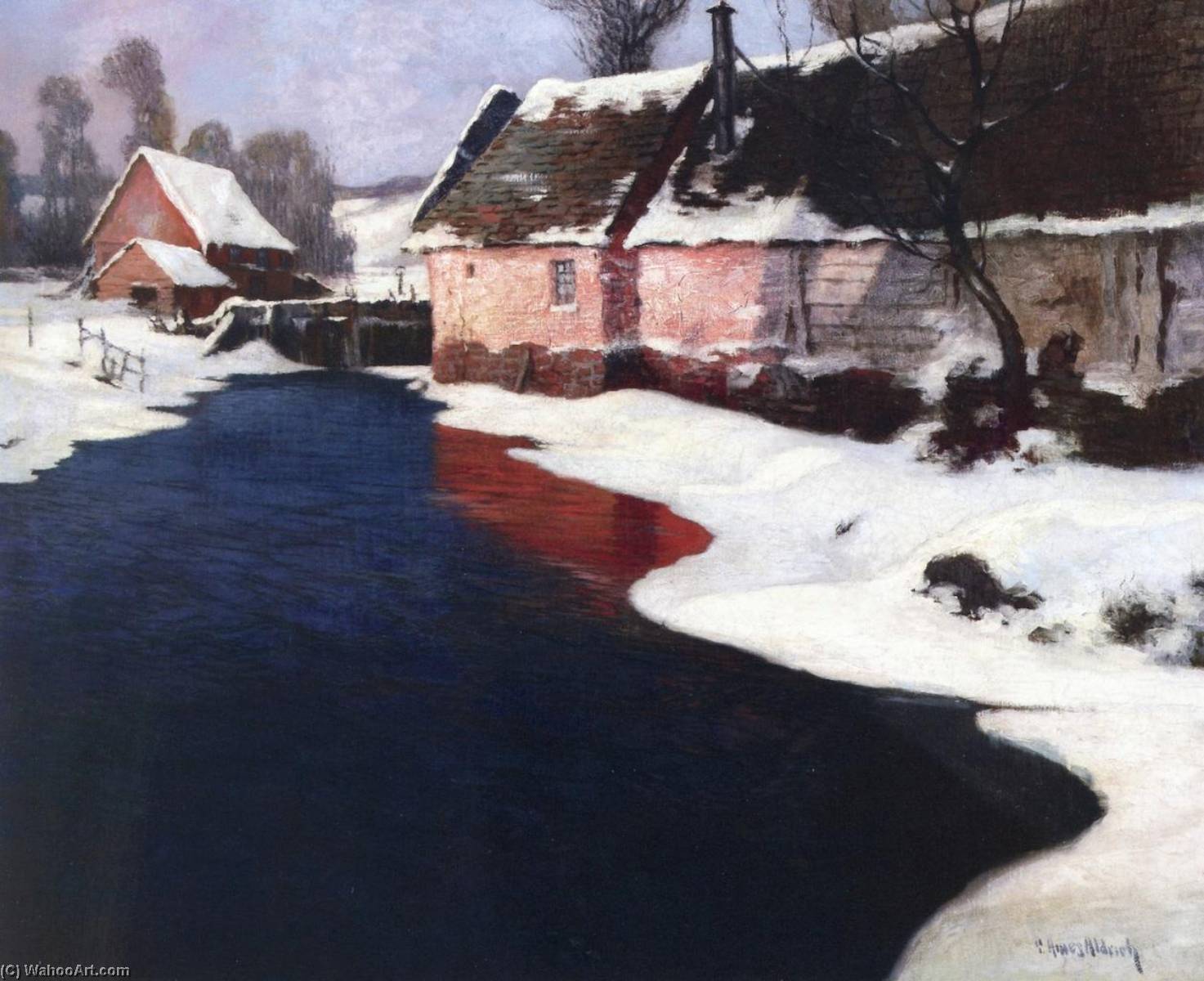
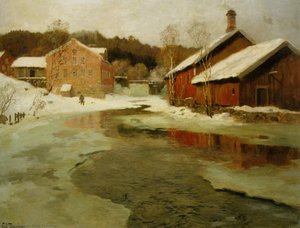
Factory by River, Winter

 詳細を見る
詳細を見る




































作品のオリジナル比率に合わせた、当店の規定サイズからお選びください。

特定のフレームやスペースに合わせて、ご希望のサイズをご入力いただけます。選択されたサイズが元の画像の比率と異なる場合、アートワークをトリミングするか、手描きで要素を追加して絵画を拡張いたします。デジタルモックアップ を制作し、制作開始前にご確認(承認)をいただきます。
画面上のプレビューは、実際のトリミングや拡張を正確に反映しているものではありません。最終的な構図は、モックアップによってのみ正確にご確認いただけます。
カスタムサイズもご利用いただけますが、元の比率を維持するためには、あらかじめ用意されたリストからサイズを選択することをお勧めいたします。
ご注文後、ArtsDot.com チームより詳細な指示をお送りするとともに、仕上がりイメージ(モックアップ)をご提供いたします。


 ガラスオプションは、110cm未満のサイズでのみご利用いただけます。

Factory by River, Winter
複製技法
複製画のサイズ
-


合計金額
$ 263
関連作品
アーティストの略歴
The Atmospheric Vision of Georges Ames Aldrich
Georges Ames Aldrich (1872–1941) occupied a unique space in the American artistic consciousness, acting as a bridge between the quietude of Tonalism and the vibrant energy of Impressionism. Born George Eugene Aldrich in Worcester, Massachusetts, his journey was one of profound movement—both geographical and stylistic. While his roots were firmly planted in New England, his artistic soul was shaped by the cobblestone streets of Europe and the burgeoning industrial landscapes of the American Midwest. His work does not merely depict scenes; it captures the very breath of the atmosphere, inviting viewers into worlds where light and shadow perform a delicate, eternal dance.
Aldrich’s formative years were marked by an itinerant spirit that would later define his aesthetic versatility. After initial studies at the Art Students League of New York in the early 1890s, he ventured to Paris, immersing himself in the epicenter of the modern art movement. It was during this period, between 1894 and 1900, that he absorbed the revolutionary techniques of the French masters. Influenced by the luminous touch of Claude Monet and the fluid, water-focused brilliance of Norwegian Impressionist Fritz Thaulow, Aldrich developed a signature ability to render flowing water, stone architecture, and the ephemeral quality of moonlight with remarkable precision.
A Tapestry of Landscapes and Industrial Dreams
The breadth of Aldrich’s oeuvre is nothing short of extraordinary, spanning from the romanticized charm of European villages to the gritty, transformative power of the American Industrial Revolution. His travels through France, Germany, and England left an indelible mark on his palette, resulting in evocative depictions of French villages bathed in the soft, nocturnal glow of lamplict. In works such as French Village at Night, one can feel the hush of a winter’s evening, where cool blues and whites are punctuated by the warmth of human habitation, creating a sense of profound peace.
However, Aldrich was far from a mere escapist. Upon relocating to Indiana around 1900, he turned his gaze toward the evolving American landscape. He became a significant figure within the Hoosier Salon circles, capturing the spirit of the Midwest with a nuanced eye for both its natural beauty and its industrial progress. This duality is perhaps most powerfully realized in his 1926 masterpiece, The Melting Pot. In this striking industrial nocturne, Aldrich moves away from pastoral tranquility to confront the imposing reality of the machine age. Through thick, expressive brushwork and a somber palette, he portrays smokestacks belching plumes into a bleak sky, offering a poignant commentary on the tension between technological advancement and the natural world.
Legacy and Artistic Significance
Throughout his career, Aldrich maintained a steady presence in major exhibition circuits, earning recognition from prestigious institutions such as the Art Institute of Chicago. His ability to blend the subtle tonal shifts of Tonalism with the textured, light-driven approach of Impressionism allowed him to capture subjects that were simultaneously grounded in reality and elevated by emotion. Whether he was painting the maritime charm of a Gloucester Scene or the moonlit reflections of Le Soir, River Elaune, his focus remained on the evocative power of the moment.
The historical significance of Georges Ames Aldrich lies in his role as a chronicler of change. He documented a world in transition—a period where the quiet, rural traditions of the nineteenth century were being rapidly reshaped by the industrial fervor of the twentieth. His paintings serve as windows into this era, preserving the light of vanished villages and the smoke of rising cities. Today, his work remains a testament to the enduring power of atmospheric painting, reminding us that even in the midst of profound change, there is a lasting beauty to be found in the way light touches the earth.

georges ames aldrich
1872 - 1941
基本情報
- Artistic Movement Or Style: Impressionism
- Artists Or Movements Influenced By This Artist: ['French Impressionism']
- Artists Who Influenced This Artist:
- Claude Monet
- Pierre Auguste Renoir
- Date Of Birth: June 3, 1872
- Full Name: Georges Ames Aldrich
- Nationality: American
- Notable Artworks:
- Le Soir, River Elaune
- Mountain Lake
- The Melting Pot
- Place Of Birth: Worcester, Massachusetts
関連記事
Impressionistic Landscapes: 10 Masterpieces That Changed Art & Decor
Journey into the heart of Impressionism! Explore 10 masterpieces by Monet, Renoir & Degas that revolutionized landscape art. Discover their stories, techniques & find museum-quality reproductions to elevate your home decor on ArtsDot.com.
Blush & Brilliance: 10 Iconic Paintings Dominated by Light Pink Tones |
Explore 10 iconic paintings bathed in captivating light pink tones! From Monet's Impressionism to Renoir’s romance, discover the stories behind these blush-hued masterpieces. Find museum-quality art reproductions & decor inspiration at .

ジョン・コンスタブルの傑作25選:英国風景画の巨匠が描く自然と光の詩 | ArtsDot
ジョン・コンスタブルの傑作25選。英国風景画の巨匠が描く自然と光の詩の世界へ。ロマン主義を代表する絵画、デダム・ヴェールやヘイ・ウェインなど、ArtsDotで高品質なアートプリントをお楽しみください。インテリアに深みと感動を。コレクションはこちら。
印象派風景を彩った至宝:アート史に名を刻む10選
印象派風景の革新を彩った10選。モネ、ルノワールら巨匠の名作を紐解き、色彩と光が生み出す感動の世界へ。アートの歴史とインテリアのインスピレーションをArtsDot.comで。高品質な複製画で、あなただけの空間を創造しましょう。

Cultivating Visions: A Historical Journey Through Rural Landscapes in Art
Explore the rich history of rural landscape painting with ArtsDot. Discover Impressionist masterpieces, key artists & movements. Find your perfect serene artwork and bring nature's beauty home.

