

 プレビュー
プレビュー
 シェアする
シェアする シェアする
シェアする
 詳細を見る
詳細を見る

 ダウンロード
 似ている作品
 X線調査
X線調査 スライドショー
 統計情報
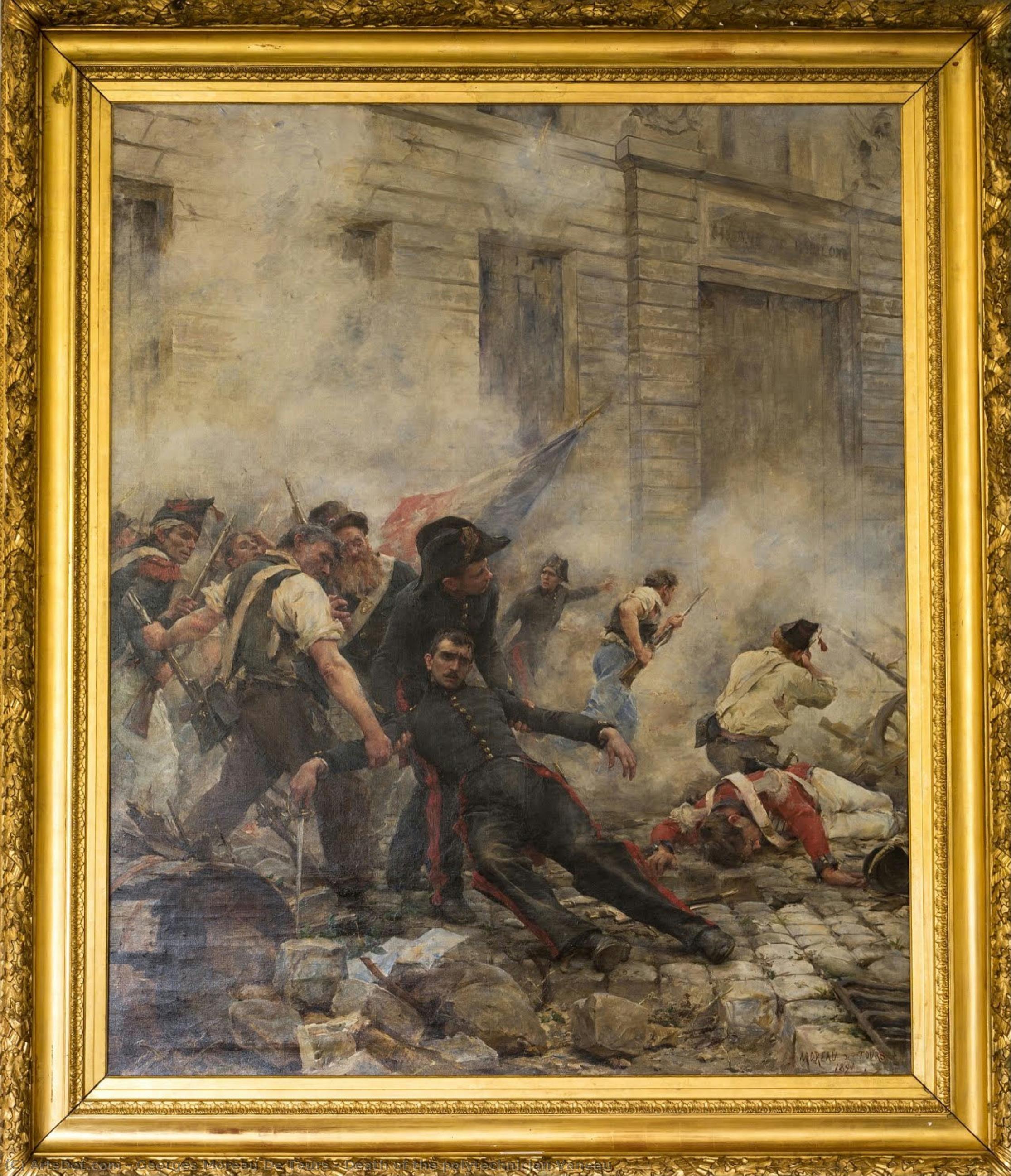
統計情報Death of the polytechnician Vaneau

 詳細を見る
詳細を見る
オンラインプレビューをはるかに凌ぐ、高解像度で鮮明なデジタル画像をご購入いただけます。
各ファイルは、社内の専門家が高度なツールと熟練した手作業によるレタッチを用いて、細心の注意を払って準備されています。すべての画像において、卓越した鮮明度、正確な色彩再現性、そして繊細なディテールを保証いたします。
最終ファイルは、プロフェッショナルな編集・印刷環境ですぐにご利用いただけるよう最適化された状態で、72時間以内にメールにてお届けいたします。これは、一流のデザインスタジオ、出版社、ギャラリーから信頼されているものと同等の品質です。
デジタルアート
個人での鑑賞、印刷、クリエイティブなプロジェクト用に、高解像度ファイルをダウンロードできます。 ( プリント版に切り替え 手描きの絵画を購入)
デジタル画像のご注文に付随する特典
高品質なデジタル画像配信を、確かな品質で。
ArtsDot.com を選ぶことは、単に画像を手に入れることではありません。それは、プロの手によって精密に仕上げられ、満足保証が付いた高品質なデジタルアートワークを受け取ることを意味します。ご注文いただいた際に自動的に付随する内容は、以下の通りです:

メールですぐにお届け
ご注文から72時間以内に、高解像度のデジタル画像ファイルがメールでお手元に届きます。すぐにそのままご利用いただけます。

AI技術で最適化されたデジタルファイル
お客様の作品は、高度なAIツールと専門家による手作業の編集を組み合わせてプロフェッショナルに最適化されており、細部のディテール、鮮明さ、そして正確な色再現性を最大限に引き出しています。

一生涯無料の再送サービス
ファイルを誤って削除したり、紛失してしまったりしましたか?ご安心ください。いつでも無料で再送いたします。

輸入手数料は一切かかりません
関税や手数料、配送料を気にすることなく、お気に入りのアートワークをすぐにお楽しみいただけます。デジタルダウンロードは常に免税です。

色彩再現の保証
プロ仕様のツールとカラーマネジメント技術を用いることで、デジタル画像が元の色を最大限に忠実に再現することを保証いたします。

100日間満足保証
ご購入いただいたデジタル画像にご満足いただけない場合は、100日以内であれば、理由を問わず修正または100%の返金対応をさせていただきます。

100% 返金保証
ご満足いただけない場合は、デジタルファイルを受け取ってから100日以内であれば、理由を問わず全額返金いたします。

まとめ買い割引
3枚購入で10%OFF - 5枚購入で15%OFF - 10枚以上購入で20%OFF。クリエイティブなプロジェクト、ギャラリー、エージェンシーに最適です。
関連作品

作家の略歴
Georges Moreau de Tours: A Painter of Shadows and Souls
Georges Moreau de Tours, a name perhaps less familiar than many of his 19th-century contemporaries, nevertheless represents a fascinating confluence of intellectual lineage, artistic talent, and a profound engagement with the psychological currents of his time. Born in Ivry-sur-Seine in 1848, he inherited not just a Parisian address but also a legacy steeped in medical inquiry – his father, Jacques-Joseph Moreau, was a pioneering psychiatrist who first explored the therapeutic potential of hemp, laying the groundwork for later research into cannabis and its effects on the mind. This familial connection to the exploration of consciousness would profoundly shape Moreau de Tours’ artistic vision, subtly informing his depictions of madness, addiction, and the complexities of human emotion. His brother, Paul Moreau de Tours, continued this intellectual tradition, becoming a respected psychiatrist and criminologist, further embedding the family within the world of psychological investigation. Moreau de Tours' early life was one of privileged intellectual stimulation. Growing up in the shadow of his father’s clinic, the Maison de Santé Esquirol, he was exposed to a milieu of thinkers, researchers, and artists – a breeding ground for unconventional ideas and artistic experimentation. Alexandre Cabanel, the celebrated history painter and instructor at the École des Beaux-Arts, became his mentor, providing him with the rigorous training in classical technique that would form the bedrock of his style. This academic foundation, however, was never entirely subsumed by rigid formalism; Moreau de Tours possessed a remarkable sensitivity to light, color, and composition, allowing him to infuse even the most traditional subjects with an undercurrent of dramatic intensity. His artistic career began formally in 1875 at the Salon, quickly establishing him as a painter capable of capturing both historical grandeur and intimate psychological detail. Early works like “Pelias Murdered by His Daughters” (1878) demonstrate his mastery of drapery and classical composition, while simultaneously hinting at the darker themes that would increasingly occupy his attention. Moreau de Tours’ fascination with the human psyche was not merely academic; he actively sought to portray the realities of addiction and mental illness, a subject largely taboo in mainstream art circles at the time. Paintings such as “Les Morphinées” (1879) and “Les Fascinés de la Charité, Service du Dr. Luys,” offered poignant glimpses into the lives of those struggling with substance abuse and psychological distress, revealing a compassionate and insightful artist willing to confront uncomfortable truths. Beyond his individual talent, Moreau de Tours’ work was deeply influenced by the intellectual climate of late 19th-century France. The fall of Napoleon III and the subsequent rise of the Third Republic fostered a spirit of republicanism among many artists, who sought to use their art as a means of shaping national identity and promoting social values. This patriotic fervor manifested in his historical paintings, which he exhibited at the Salon until 1896 and later at the Universal Exhibitions of 1889 and 1900. These works—including depictions of figures like Ptolémaé and Lazare Carnot—were not simply historical recreations but carefully constructed narratives designed to evoke a sense of national pride and moral virtue. However, Moreau de Tours’ artistic trajectory shifted in the final years of his life. Moving to Bois-le-Roi in 1895, he embraced a more intimate and realistic style, often painting alongside his wife, Thérèse de Champ Renaud, who was also a talented artist. This period saw him focus on family life, capturing the everyday moments of domesticity with remarkable sensitivity and detail. His paintings during this time possess a quiet beauty, imbued with a sense of warmth and nostalgia—a stark contrast to the dramatic intensity of his earlier works. The street named after him in Bois-le-Roi stands as a testament to his enduring legacy within that community. Georges Moreau de Tours died in 1901, leaving behind a body of work that reveals both technical mastery and profound psychological insight. He was awarded the Légion d’honneur in 1892, recognizing his contributions to French art and culture. While he may not be as widely celebrated as some of his contemporaries, Moreau de Tours remains an important figure in the history of French painting—a painter who dared to explore the shadows within the human soul, offering a nuanced and often unsettling portrayal of the complexities of the mind. His legacy continues to resonate through his evocative imagery and his willingness to engage with challenging social issues.Key Influences & Artistic Style
Moreau de Tours’ artistic development was shaped by a unique combination of influences. As mentioned previously, his father's pioneering work in psychiatry profoundly impacted his understanding of the human psyche, informing his depictions of mental illness and addiction. Alexandre Cabanel’s rigorous training instilled in him a solid foundation in classical technique and composition, while the intellectual ferment of late 19th-century France—characterized by republican ideals and social reform—influenced his historical subjects and his commitment to portraying moral virtue. His artistic style can be described as a synthesis of academic tradition and expressive intensity. He possessed an exceptional ability to render drapery with meticulous detail, reflecting his training under Cabanel, yet he also infused his paintings with a dramatic use of light and shadow, creating a sense of mood and atmosphere that was distinctly modern. His compositions often featured strong diagonals and asymmetrical arrangements, contributing to the dynamic tension within his works. Moreau de Tours’ palette tended towards rich, warm tones—particularly reds, browns, and golds—which he used to create a sense of depth and luminosity. He skillfully balanced realism with an underlying emotional resonance, capturing not just the outward appearance of his subjects but also their inner lives.Major Works & Notable Commissions
Georges Moreau de Tours’ career produced a diverse body of work encompassing historical paintings, literary illustrations, and intimate domestic scenes. Some of his most notable works include: * **Pelias Murdered by His Daughters (1878):** A dramatic depiction of a mythological episode, showcasing his mastery of composition and drapery. * **Lazare Carnot at Wattignies (1893):** A historical painting illustrating a key moment in the French Revolution. * **The Sons of Clovis (1877):** Another historical work reflecting the patriotic fervor of the era. * **The Death of Pichegru (1891):** A poignant portrayal of a fallen hero, imbued with a sense of melancholy and regret. * **The Family (1882), Sacrifice to the Fatherland (1886), Marriage (1882):** Three scenes for the wedding chamber at the Mairie du Centre in Paris, demonstrating his ability to capture social and familial dynamics. Beyond these individual works, Moreau de Tours received several important commissions from the French government, including paintings for the Universal Exhibitions of 1889 and 1900. These projects further solidified his reputation as a leading history painter and contributed to his growing recognition within the artistic community.Legacy & Historical Significance
Georges Moreau de Tours’ legacy extends beyond his individual works. He represents a significant example of an artist who engaged with both classical tradition and modern sensibilities. His willingness to explore taboo subjects—such as addiction, mental illness, and social inequality—was remarkably progressive for his time. His paintings offer valuable insights into the psychological landscape of 19th-century France, reflecting the anxieties and aspirations of a nation undergoing rapid transformation. The street named in his honor in Bois-le-Roi serves as a lasting reminder of his contribution to local culture and his enduring connection to that community. Moreau de Tours’ work continues to be studied by art historians and appreciated for its technical skill, emotional depth, and historical significance.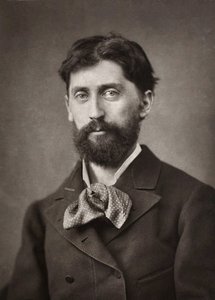
Georges Moreau de Tours
1848 - 1901