

 プレビュー
プレビュー
 プリントを購入
 シェアする
シェアする シェアする
シェアする
 詳細を見る
詳細を見る

 ダウンロード
 似ている作品
 X線調査
X線調査 スライドショー
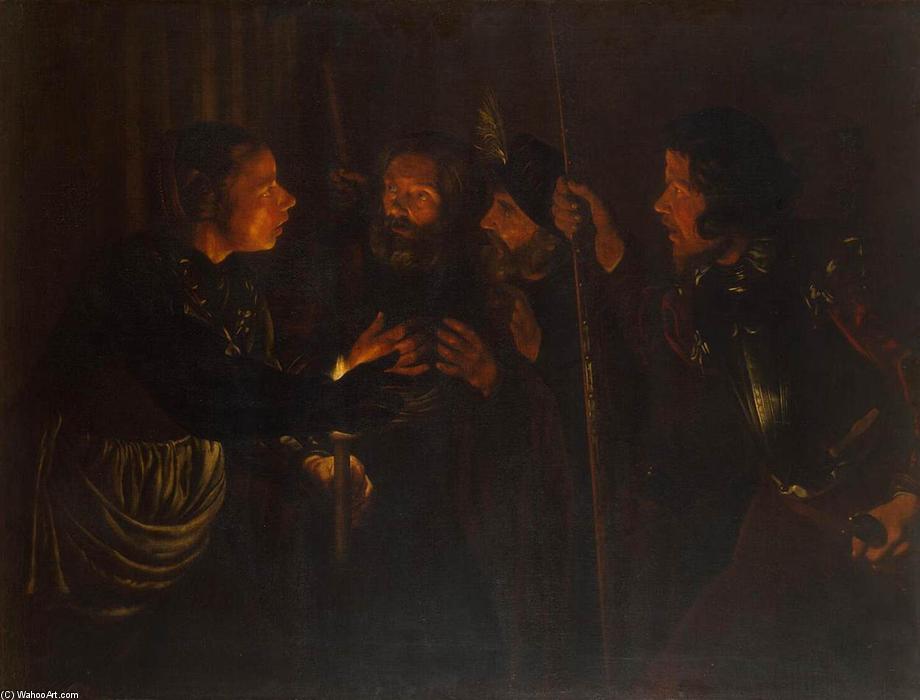
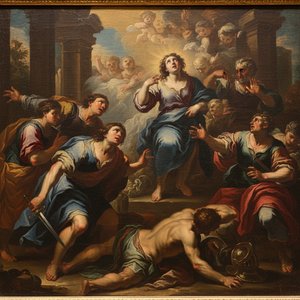
Denial of St Peter
 Acrylic On Canvas
- WallArt
- Baroque
 1620
1620 123.0 x 161.0 cm
 エルミタージュ美術館
 詳細を見る
詳細を見る




P118B $10

P118H $10

P118W $10

P438Z $10

P508JH $12

P508YH $12

P805H $10

P805Z $10

P919BZ $10

P919G $10

P919XJ $10

P959ZH $10

P968JZ $12

W106C $8

W218G $10

W218JH $8

W218Y $10

W307PJ $10

W316G $10

W316PJ $8

W316Y $10

W398PJ $8

W4111J $10

W500HY $15

W500JH $15

W692G $12

W849H $8

W940BG $15

W953PJ $8




作品のオリジナル比率に合わせた、当店の規定サイズからお選びください。

特定のフレームやスペースに合わせて、ご希望のサイズをご入力いただけます。選択されたサイズが元の画像の比率と異なる場合、アートワークをトリミングするか、手描きで要素を追加して絵画を拡張いたします。デジタルモックアップ を制作し、制作開始前にご確認(承認)をいただきます。
画面上のプレビューは、実際のトリミングや拡張を正確に反映しているものではありません。最終的な構図は、モックアップによってのみ正確にご確認いただけます。
カスタムサイズもご利用いただけますが、元の比率を維持するためには、あらかじめ用意されたリストからサイズを選択することをお勧めいたします。
ご注文後、ArtsDot.com チームより詳細な指示をお送りするとともに、仕上がりイメージ(モックアップ)をご提供いたします。


 ガラスオプションは、110cm未満のサイズでのみご利用いただけます。

Denial of St Peter
複製技法
複製画のサイズ
-


合計金額
$ 263
Gerard Seghers: A Caravaggisti Pioneer of Flanders
Gerard Seghers (1591-1651) stands as a pivotal figure bridging the dynamic transition between the High Renaissance and the Baroque periods within Flemish art. More than simply a painter, he was an astute art collector, shrewd dealer, and a key representative of the Caravaggisti movement – artists deeply influenced by the dramatic style pioneered by Michelangelo Merisi da Caravaggio. His journey took him from the relative stability of Antwerp to the vibrant, challenging environment of Rome and Spain, ultimately shaping his distinctive artistic voice and leaving behind a legacy of powerful religious scenes, evocative genre paintings, and monumental altarpieces that continue to captivate viewers today. Early Life and Artistic Training Seghers’s early life remains shrouded in some mystery, though we know he was the son of an innkeeper, Jan Seghers, and Ida de Neve. Remarkably, there's little documented about his formative years beyond establishing himself as a respected artist within Antwerp’s burgeoning artistic community. However, it is understood that he honed his skills under the tutelage of Peter Paul Rubens, arguably the most influential painter of his era, absorbing Rubens’ masterful use of color and composition—a crucial element informing Seghers' own stylistic development. This mentorship cemented his commitment to Baroque principles while retaining a core humanist sensibility. The Caravaggisti Influence: Dramatic Light and Shadow Seghers’s artistic breakthrough arrived with his embrace of Caravaggio’s revolutionary approach to painting – a technique known as tenebrism. Caravaggio shattered the conventions of academic art by prioritizing dramatic chiaroscuro, employing stark contrasts between light and dark to heighten emotional intensity and create an illusionistic depth that captivated audiences. Seghers skillfully adopted this method, evident in “The Denial of St Peter,” where the subdued palette is punctuated by pools of radiant illumination focused on Jesus’s face and torso, emphasizing vulnerability and conveying a palpable sense of psychological drama. This stylistic choice wasn't merely fashionable; it reflected a broader artistic trend aimed at capturing the spiritual fervor of the time. “The Denial of St Peter”: Composition and Symbolism The painting depicts Peter denying Jesus after Jesus was arrested—a scene steeped in biblical significance. Seghers meticulously arranges the figures within a shallow space, creating a dynamic composition that draws the viewer’s eye to the central protagonist. The positioning of Peter and Jesus underscores the tension between faith and doubt, mirroring the internal struggle experienced by Saint Peter himself. Furthermore, the subtle gestures and expressions of each character communicate profound emotion—fear, remorse, and disbelief—effectively conveying the narrative's core message. The artist’s deliberate use of symbolism reinforces this thematic resonance, elevating “The Denial of St Peter” beyond a mere depiction of an event into a meditation on human imperfection and divine compassion. A Legacy of Baroque Grandeur Seghers’s output extended far beyond religious commissions; he produced numerous genre paintings showcasing everyday life with remarkable realism and psychological insight—a testament to his versatility as an artist. He also served as a prolific art dealer, fostering connections between artists and collectors across Europe and contributing significantly to the dissemination of Caravaggisti ideals. Ultimately, Gerard Seghers’s artistic legacy resides in his ability to synthesize Renaissance humanism with Baroque dramatic intensity, securing his place as one of Flanders' foremost painters and an enduring champion of Caravaggio’s transformative vision for art.- Artist: Gerard Seghers
- Born Year: 1591
- Death Year: 1651
- Birth City: Antwerp
- Birth Country: Belgium
Additional Research:
Explore the painting’s provenance and its place within Caravaggio's artistic canon. Visit File:The Denial of St. Peter - Gerard Seghers - Google Cultural ... for high-resolution imagery and scholarly analysis.
Recommended Reproduction:
Consider commissioning a hand-painted reproduction from ArtsDot.com to experience the breathtaking beauty and emotional depth of “The Denial of St Peter” in your own home.
関連作品
アーティストの略歴
Gerard Seghers: A Caravaggisti Pioneer of Flanders
Gerard Seghers, born in Antwerp in 1591 and tragically passing away in 1651, stands as a pivotal figure bridging the dynamic transition between the High Renaissance and the Baroque periods within Flemish art. More than simply a painter, he was an astute art collector, shrewd dealer, and a key representative of the Caravaggisti movement – artists deeply influenced by the dramatic style pioneered by Michelangelo Merisi da Caravaggio. His journey took him from the relative stability of Antwerp to the vibrant, challenging environment of Rome and Spain, ultimately shaping his distinctive artistic voice and leaving behind a legacy of powerful religious scenes, evocative genre paintings, and monumental altarpieces that continue to captivate viewers today.Early Life and Artistic Training
Seghers’s early life remains shrouded in some mystery, though we know he was the son of an innkeeper, Jan Seghers, and Ida de Neve. Remarkably, there's little evidence suggesting a direct familial connection to Daniel Seghers, the renowned Jesuit painter specializing in still lifes – a distinction that adds another layer of intrigue to his story. At the tender age of twelve, he enrolled as a pupil within the prestigious Guild of Saint Luke in Antwerp, an institution crucial for training aspiring artists. The identity of his initial teacher remains uncertain, with speculation pointing towards figures like Abraham Janssens, Hendrick van Balen, or Caspar de Crayer (the father of Gaspar de Crayer). This early period was foundational, providing him with the technical skills and artistic principles necessary to embark on his ambitious career.Rome and the Caravaggisti Influence
In 1608, at just seventeen years old, Seghers achieved master status within the Antwerp Guild, a remarkable accomplishment for someone so young. However, his true artistic development began with a pivotal journey to Italy around 1611. This period in Rome proved transformative, exposing him directly to the fervent followers of Caravaggio – artists who had themselves been deeply affected by the revolutionary style of the Italian master. Among these disciples was Bartolomeo Manfredi, whose dramatic use of light and shadow profoundly impacted Seghers’s early work. He immersed himself in their techniques, studying their compositions and absorbing their intense emotionalism. He also encountered other prominent Caravaggisti residing in Rome, including Gerard van Honthorst, Dirck van Baburen, and Jan Janssens, broadening his artistic horizons and solidifying his commitment to the Caravagist aesthetic.Return to Flanders and a Shift in Style
Returning to Antwerp around 1620, Seghers initially continued to produce works firmly rooted in the Caravaggisti style – characterized by tenebrism (extreme contrasts between light and dark), dynamic compositions, and a focus on realistic depictions of human emotion. However, as his career progressed, he gradually moved away from this purely Caravagist approach. He began to incorporate elements of Peter Paul Rubens’s distinctive style—a master painter who had profoundly influenced the artistic landscape of Antwerp—resulting in a more refined and polished aesthetic. This shift is particularly evident in his later altarpieces for local churches, where he created monumental works imbued with grandeur and emotional depth while retaining a sense of dramatic realism.Major Works and Legacy
Seghers’s artistic output spanned a diverse range of subjects. His paintings are renowned for their powerful depictions of religious scenes, such as “Christ and the Penitent Sinners” (c. 1640-1651), which vividly portrays the suffering of Christ alongside his followers, showcasing his mastery of dramatic lighting and emotional intensity. “The Denial of St. Peter” exemplifies his ability to capture intense human drama through carefully rendered figures and a masterful use of chiaroscuro. “Saint Eloi au pied de la Vierge” demonstrates his skill in portraying religious iconography with both spiritual depth and artistic beauty. Beyond these iconic works, Seghers produced numerous genre scenes—depictions of everyday life—and contributed significantly to the decoration of important civic events, including the lavish celebrations surrounding Cardinal-Infante Ferdinand’s entry into Ghent in 1635. His legacy extends beyond his individual paintings; he was a respected art dealer and collector, contributing to the vibrant artistic culture of Antwerp during a period of significant change. Gerard Seghers remains a compelling figure—a testament to the dynamic interplay between artistic influences, personal evolution, and the enduring power of Baroque painting.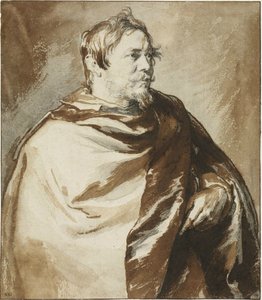
Gerard Seghers
1591 - 1651 , Belgium
基本情報
- Artistic Movement Or Style: Caravaggisti, Baroque
- Artists Or Movements Influenced By This Artist:
- Rubens
- Dutch Caravaggisti
- Artists Who Influenced This Artist:
- Bartolomeo Manfredi
- Caravaggio
- Date Of Birth: 1591 Antwerp, Belgium
- Date Of Death: 1651 Antwerp, Belgium
- Full Name: Gerard Seghers
- Nationality: Flemish
- Notable Artworks:
- Christ and Penitent Sinners
- The Denial of St. Peter
- Saint Eloi au pied de la Vierge
- Place Of Birth: Antwerp, Belgium
関連記事

バロック美術を極めた至宝:時代を彩る10大名作の世界
バロック美術の華!カラヴァッジョ、ベルニーニら巨匠が創り上げた10大名作を徹底解剖。ドラマチックな色彩と豪華絢爛の世界観に触れ、至宝のアートプリントで空間を彩ろう。ArtsDot.comで美術館品質の複製と洗練されたインテリアを見つけましょう!

The Dramatic Flourish: Exploring the Baroque Movement's Enduring Legacy in Art History
Explore the dramatic world of Baroque art! Discover iconic artists like Caravaggio & Rubens, defining techniques, and its lasting impact on art history. Expert insights for collectors & enthusiasts at ArtsDot.

The Visceral Stage: Exploring Dramatic Narratives & Emotional Intensity in Baroque Art
Explore the dramatic world of Baroque art! Discover iconic masters like Caravaggio & Rembrandt, their techniques, and the movement's lasting impact. Expert insights for collectors & enthusiasts at ArtsDot.

Theatricality & Triumph: Baroque Drama in Painting & Sculpture
Explore the dramatic world of Baroque art! Discover its history, defining characteristics, & lasting influence on painting & sculpture. Expert insights into Caravaggio, Zurbarán, and Bernini – plus high-quality reproductions at ArtsDot.
The Dramatic Flourish: Exploring Baroque Painting's Emotional Intensity & Artistic Innovations
Explore the dramatic world of Baroque painting! Discover its history, defining characteristics, iconic artists like Caravaggio & Rubens, and lasting influence on Western art. Expert insights for collectors.


