

 プレビュー
プレビュー
 プリントを購入
 シェアする
シェアする シェアする
シェアする
 詳細を見る
詳細を見る

 ダウンロード
 似ている作品
 X線調査
X線調査 スライドショー
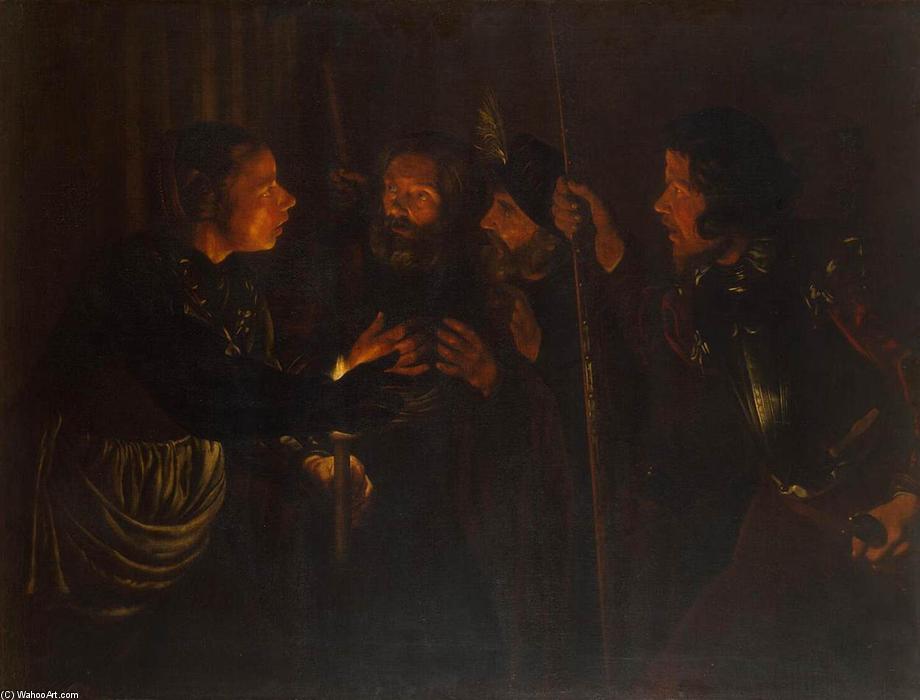
Denial of St Peter
 Acrylic On Canvas
- WallArt
- Baroque
 1620
1620 123.0 x 161.0 cm
 エルミタージュ美術館
 詳細を見る
詳細を見る
オンラインプレビューをはるかに凌ぐ、高解像度で鮮明なデジタル画像をご購入いただけます。
各ファイルは、社内の専門家が高度なツールと熟練した手作業によるレタッチを用いて、細心の注意を払って準備されています。すべての画像において、卓越した鮮明度、正確な色彩再現性、そして繊細なディテールを保証いたします。
最終ファイルは、プロフェッショナルな編集・印刷環境ですぐにご利用いただけるよう最適化された状態で、72時間以内にメールにてお届けいたします。これは、一流のデザインスタジオ、出版社、ギャラリーから信頼されているものと同等の品質です。
デジタル画像のご注文に付随する特典
高品質なデジタル画像配信を、確かな品質で。
ArtsDot.com を選ぶことは、単に画像を手に入れることではありません。それは、プロの手によって精密に仕上げられ、満足保証が付いた高品質なデジタルアートワークを受け取ることを意味します。ご注文いただいた際に自動的に付随する内容は、以下の通りです:

メールですぐにお届け
ご注文から72時間以内に、高解像度のデジタル画像ファイルがメールでお手元に届きます。すぐにそのままご利用いただけます。

AI技術で最適化されたデジタルファイル
お客様の作品は、高度なAIツールと専門家による手作業の編集を組み合わせてプロフェッショナルに最適化されており、細部のディテール、鮮明さ、そして正確な色再現性を最大限に引き出しています。

一生涯無料の再送サービス
ファイルを誤って削除したり、紛失してしまったりしましたか?ご安心ください。いつでも無料で再送いたします。

輸入手数料は一切かかりません
関税や手数料、配送料を気にすることなく、お気に入りのアートワークをすぐにお楽しみいただけます。デジタルダウンロードは常に免税です。

色彩再現の保証
プロ仕様のツールとカラーマネジメント技術を用いることで、デジタル画像が元の色を最大限に忠実に再現することを保証いたします。

60日間満足保証
ご購入いただいたデジタル画像にご満足いただけない場合は、60日以内であれば、修正または100%の返金(理由を問う必要はありません)をさせていただきます。

100% 返金保証
ご満足いただけない場合は、デジタルファイルを受け取ってから60日以内であれば、理由を問わず全額返金いたします。

まとめ買い割引
3枚購入で10%OFF - 5枚購入で15%OFF - 10枚以上購入で20%OFF。クリエイティブなプロジェクト、ギャラリー、エージェンシーに最適です。
Gerard Seghers: A Caravaggisti Pioneer of Flanders
Gerard Seghers (1591-1651) stands as a pivotal figure bridging the dynamic transition between the High Renaissance and the Baroque periods within Flemish art. More than simply a painter, he was an astute art collector, shrewd dealer, and a key representative of the Caravaggisti movement – artists deeply influenced by the dramatic style pioneered by Michelangelo Merisi da Caravaggio. His journey took him from the relative stability of Antwerp to the vibrant, challenging environment of Rome and Spain, ultimately shaping his distinctive artistic voice and leaving behind a legacy of powerful religious scenes, evocative genre paintings, and monumental altarpieces that continue to captivate viewers today. Early Life and Artistic Training Seghers’s early life remains shrouded in some mystery, though we know he was the son of an innkeeper, Jan Seghers, and Ida de Neve. Remarkably, there's little documented about his formative years beyond establishing himself as a respected artist within Antwerp’s burgeoning artistic community. However, it is understood that he honed his skills under the tutelage of Peter Paul Rubens, arguably the most influential painter of his era, absorbing Rubens’ masterful use of color and composition—a crucial element informing Seghers' own stylistic development. This mentorship cemented his commitment to Baroque principles while retaining a core humanist sensibility. The Caravaggisti Influence: Dramatic Light and Shadow Seghers’s artistic breakthrough arrived with his embrace of Caravaggio’s revolutionary approach to painting – a technique known as tenebrism. Caravaggio shattered the conventions of academic art by prioritizing dramatic chiaroscuro, employing stark contrasts between light and dark to heighten emotional intensity and create an illusionistic depth that captivated audiences. Seghers skillfully adopted this method, evident in “The Denial of St Peter,” where the subdued palette is punctuated by pools of radiant illumination focused on Jesus’s face and torso, emphasizing vulnerability and conveying a palpable sense of psychological drama. This stylistic choice wasn't merely fashionable; it reflected a broader artistic trend aimed at capturing the spiritual fervor of the time. “The Denial of St Peter”: Composition and Symbolism The painting depicts Peter denying Jesus after Jesus was arrested—a scene steeped in biblical significance. Seghers meticulously arranges the figures within a shallow space, creating a dynamic composition that draws the viewer’s eye to the central protagonist. The positioning of Peter and Jesus underscores the tension between faith and doubt, mirroring the internal struggle experienced by Saint Peter himself. Furthermore, the subtle gestures and expressions of each character communicate profound emotion—fear, remorse, and disbelief—effectively conveying the narrative's core message. The artist’s deliberate use of symbolism reinforces this thematic resonance, elevating “The Denial of St Peter” beyond a mere depiction of an event into a meditation on human imperfection and divine compassion. A Legacy of Baroque Grandeur Seghers’s output extended far beyond religious commissions; he produced numerous genre paintings showcasing everyday life with remarkable realism and psychological insight—a testament to his versatility as an artist. He also served as a prolific art dealer, fostering connections between artists and collectors across Europe and contributing significantly to the dissemination of Caravaggisti ideals. Ultimately, Gerard Seghers’s artistic legacy resides in his ability to synthesize Renaissance humanism with Baroque dramatic intensity, securing his place as one of Flanders' foremost painters and an enduring champion of Caravaggio’s transformative vision for art.- Artist: Gerard Seghers
- Born Year: 1591
- Death Year: 1651
- Birth City: Antwerp
- Birth Country: Belgium
Additional Research:
Explore the painting’s provenance and its place within Caravaggio's artistic canon. Visit File:The Denial of St. Peter - Gerard Seghers - Google Cultural ... for high-resolution imagery and scholarly analysis.
Recommended Reproduction:
Consider commissioning a hand-painted reproduction from ArtsDot.com to experience the breathtaking beauty and emotional depth of “The Denial of St Peter” in your own home.
関連作品
作家の略歴
Gerard Seghers: A Caravaggisti Pioneer of Flanders
Gerard Seghers, born in Antwerp in 1591 and tragically passing away in 1651, stands as a pivotal figure bridging the dynamic transition between the High Renaissance and the Baroque periods within Flemish art. More than simply a painter, he was an astute art collector, shrewd dealer, and a key representative of the Caravaggisti movement – artists deeply influenced by the dramatic style pioneered by Michelangelo Merisi da Caravaggio. His journey took him from the relative stability of Antwerp to the vibrant, challenging environment of Rome and Spain, ultimately shaping his distinctive artistic voice and leaving behind a legacy of powerful religious scenes, evocative genre paintings, and monumental altarpieces that continue to captivate viewers today.Early Life and Artistic Training
Seghers’s early life remains shrouded in some mystery, though we know he was the son of an innkeeper, Jan Seghers, and Ida de Neve. Remarkably, there's little evidence suggesting a direct familial connection to Daniel Seghers, the renowned Jesuit painter specializing in still lifes – a distinction that adds another layer of intrigue to his story. At the tender age of twelve, he enrolled as a pupil within the prestigious Guild of Saint Luke in Antwerp, an institution crucial for training aspiring artists. The identity of his initial teacher remains uncertain, with speculation pointing towards figures like Abraham Janssens, Hendrick van Balen, or Caspar de Crayer (the father of Gaspar de Crayer). This early period was foundational, providing him with the technical skills and artistic principles necessary to embark on his ambitious career.Rome and the Caravaggisti Influence
In 1608, at just seventeen years old, Seghers achieved master status within the Antwerp Guild, a remarkable accomplishment for someone so young. However, his true artistic development began with a pivotal journey to Italy around 1611. This period in Rome proved transformative, exposing him directly to the fervent followers of Caravaggio – artists who had themselves been deeply affected by the revolutionary style of the Italian master. Among these disciples was Bartolomeo Manfredi, whose dramatic use of light and shadow profoundly impacted Seghers’s early work. He immersed himself in their techniques, studying their compositions and absorbing their intense emotionalism. He also encountered other prominent Caravaggisti residing in Rome, including Gerard van Honthorst, Dirck van Baburen, and Jan Janssens, broadening his artistic horizons and solidifying his commitment to the Caravagist aesthetic.Return to Flanders and a Shift in Style
Returning to Antwerp around 1620, Seghers initially continued to produce works firmly rooted in the Caravaggisti style – characterized by tenebrism (extreme contrasts between light and dark), dynamic compositions, and a focus on realistic depictions of human emotion. However, as his career progressed, he gradually moved away from this purely Caravagist approach. He began to incorporate elements of Peter Paul Rubens’s distinctive style—a master painter who had profoundly influenced the artistic landscape of Antwerp—resulting in a more refined and polished aesthetic. This shift is particularly evident in his later altarpieces for local churches, where he created monumental works imbued with grandeur and emotional depth while retaining a sense of dramatic realism.Major Works and Legacy
Seghers’s artistic output spanned a diverse range of subjects. His paintings are renowned for their powerful depictions of religious scenes, such as “Christ and the Penitent Sinners” (c. 1640-1651), which vividly portrays the suffering of Christ alongside his followers, showcasing his mastery of dramatic lighting and emotional intensity. “The Denial of St. Peter” exemplifies his ability to capture intense human drama through carefully rendered figures and a masterful use of chiaroscuro. “Saint Eloi au pied de la Vierge” demonstrates his skill in portraying religious iconography with both spiritual depth and artistic beauty. Beyond these iconic works, Seghers produced numerous genre scenes—depictions of everyday life—and contributed significantly to the decoration of important civic events, including the lavish celebrations surrounding Cardinal-Infante Ferdinand’s entry into Ghent in 1635. His legacy extends beyond his individual paintings; he was a respected art dealer and collector, contributing to the vibrant artistic culture of Antwerp during a period of significant change. Gerard Seghers remains a compelling figure—a testament to the dynamic interplay between artistic influences, personal evolution, and the enduring power of Baroque painting.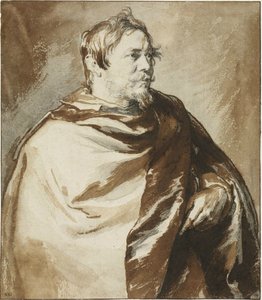
Gerard Seghers
1591 - 1651 , Belgium
プロフィール概要
- Artistic Movement Or Style: Caravaggisti, Baroque
- Artists Or Movements Influenced By This Artist:
- Rubens
- Dutch Caravaggisti
- Artists Who Influenced This Artist:
- Bartolomeo Manfredi
- Caravaggio
- Date Of Birth: 1591 Antwerp, Belgium
- Date Of Death: 1651 Antwerp, Belgium
- Full Name: Gerard Seghers
- Nationality: Flemish
- Notable Artworks:
- Christ and Penitent Sinners
- The Denial of St. Peter
- Saint Eloi au pied de la Vierge
- Place Of Birth: Antwerp, Belgium


