 プレビュー
プレビュー
 シェアする
シェアする シェアする
シェアする
 詳細を見る
詳細を見る

 ダウンロード
 似ている作品
 X線調査
X線調査 スライドショー
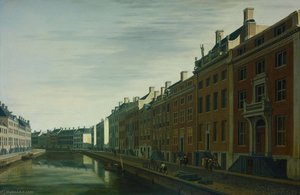
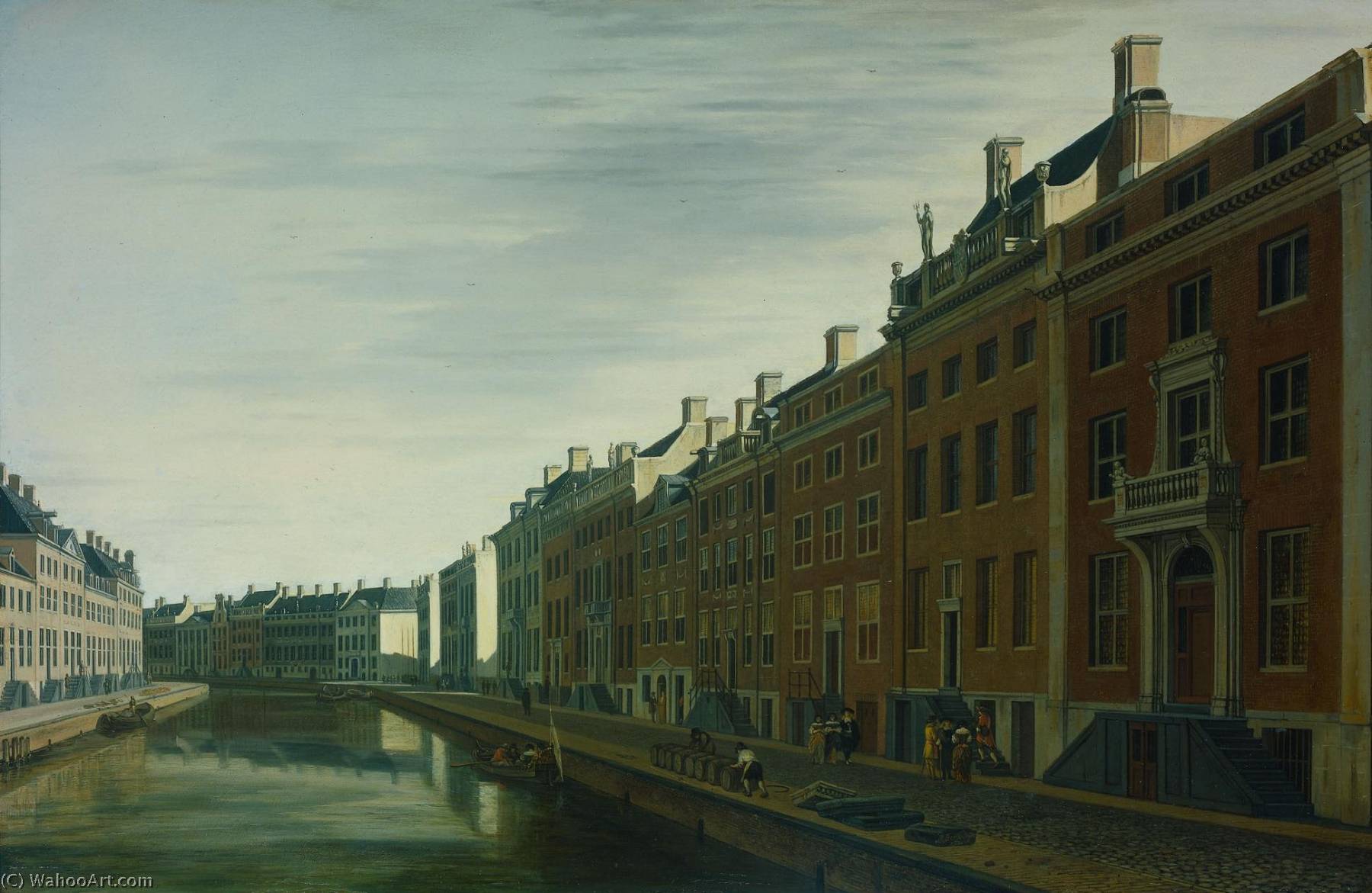
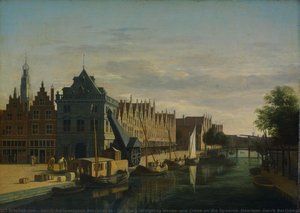
ヘーレンガストの黄金のカーブ、アムステルダムより西」


 詳細を見る
詳細を見る
ジークレー/アートプリント
迅速な制作と多彩な仕上げオプションを備えた、ミュージアムクオリティのジークレーまたはキャンバスプリント。 ( 手描きの絵画を購入 画像を購入)




P118B $10

P118H $10

P118W $10

P438Z $10

P508JH $12

P508YH $12

P805H $10

P805Z $10

P919BZ $10

P919G $10

P919XJ $10

P959ZH $10

P968JZ $12

W106C $8

W218G $10

W218JH $8

W218Y $10

W307PJ $10

W316G $10

W316PJ $8

W316Y $10

W398PJ $8

W4111J $10

W500HY $15

W500JH $15

W692G $12

W849H $8

W940BG $15

W953PJ $8




作品のオリジナル比率に合わせた、当店の規定サイズからお選びください。

特定のフレームやスペースに合わせて、ご自身でサイズを指定することも可能です。選択されたサイズが元の画像の比率と一致しない場合、作品をトリミングするか、鏡面反射または単色での塗りつぶしによって画像を拡張いたします。制作を開始する前に、ご確認用のデジタルモックアップをお送りいたします。
画面上のプレビューには、実際のトリミングや拡張は反映されませんのでご注意ください。最終的な構図を正確に確認できるのは、モックアップのみとなります。
カスタムサイズも承っておりますが、元の比率を維持するためには、あらかじめ用意されたリストからサイズを選択することをお勧めいたします。


 ガラスオプションは、110cm未満のサイズでのみご利用いただけます。

ヘーレンガストの黄金のカーブ、アムステルダムより西」
ジークレー/アートプリント
複製画のサイズ
-


合計金額
$ 62
グリーット・アドリアンスゾーン・ベルクヘイデ『ヘラングラフトの黄金のカーブ、アムステルダムより西』について
この絵画は、オランダ黄金時代を代表する画家グリーット・アドリアンスゾーン・ベルクヘイデが1672年に制作した作品です。現在、アムステルダム国立美術館に所蔵されており、その美しい光景と卓越した技術は多くの人々を魅了しています。この絵画は特に、ヘラングラフト運河の黄金色のカーブを西向きから捉えた風景画として知られています。この時期のアムステルダムは繁栄の一番手であり、運河沿いの豪邸は洗練された建築様式と豪華な装飾で人々を驚かせました。ベルクヘイデはこれらの豪邸の光景を繊細かつ正確に描き出し、当時の芸術家の理想を体現しています。- 画家: グリーット・アドリアンスゾーン・ベルクヘイデ(1638年生まれ、1698年に没)は、特にハアラームとアムステルダムの都市景観を描いたオランダ黄金時代の画家として知られています。彼はサエナレダムに影響を受けた人物であり、「オランダクラシック」という独自のスタイルを確立しました。彼の作品は観察力と技術的な卓越性を反映しており、当時の芸術家の価値観を体現しています。
- 制作年: 1672年
- 素材: 油絵画紙に描かれました。ベルクヘイデは特に光の表現において優れた技術を持っており、この作品でも運河の水面に反射する光が印象的です。彼はサエナレダムに影響を受けた人物であり、「オランダクラシック」という独自のスタイルを確立しました。
- 場所: アムステルダム国立美術館
- スタイル: オランダクラシック
関連作品
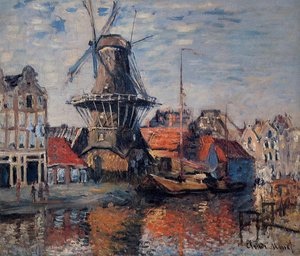
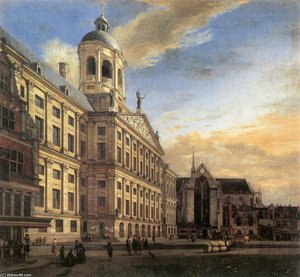

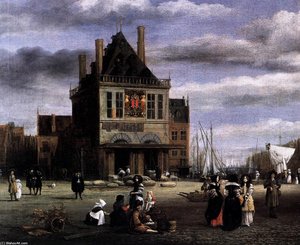
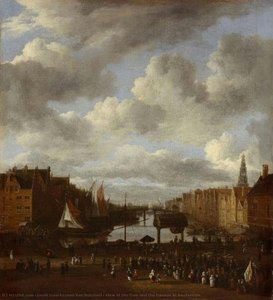
アーティストの略歴
The Architect of Dutch Light
Gerrit Adriaenszoon Berckheyde stands as a pivotal figure in the Dutch Golden Age, celebrated primarily for his breathtaking cityscapes that capture the essence of Haarlem and Amsterdam with unparalleled precision and luminosity. Unlike many contemporaries who favored dramatic vistas or idealized landscapes, Berckheyde meticulously rendered urban scenes—particularly those featuring monumental buildings bathed in diffused sunlight—establishing himself as one of the foremost practitioners of Dutch Classicism. His work embodies a profound respect for observation and technical mastery, reflecting the artistic ideals of his era through a lens of clarity and architectural grandeur.
Born in Haarlem around 1638, Berckheyde’s early life remains somewhat shrouded in mystery; historians like Arnold Houbraken struggled to pinpoint his father's profession beyond being a bookbinder, suggesting a modest upbringing that nonetheless fostered an exceptional talent. He apprenticed under his elder brother, Job Adriaenszoon Berckheyde, who himself was mentored by the legendary Frans Hals—a connection that underscores the rich artistic traditions shaping Berckheyde’s formative years. The brothers embarked on a transformative journey to Germany in the 1650s, immersing themselves in the artistic milieu of Cologne, Bonn, Mannheim, and Heidelberg, where they were awarded a golden medal for their contributions to art and scholarship.
Mastery of Urban Grandeur
Despite aspirations for courtly patronage and an aristocratic lifestyle, Berckheyde’s temperament proved ill-suited to the complexities of high society, prompting his return to Haarlem. Upon joining the Haarlem Guild of Saint Luke in 1660, his position within the artistic community was solidified, signaling a period of prolific output and innovation. His studio became a hub for creativity, attracting fellow artists like Oudendijck and fostering a collaborative spirit that propelled his collective success. Influenced heavily by the meticulous architectural precision of Pieter Saenredam, Berckheyde developed a signature style characterized by spacious views and an almost mathematical accuracy in depicting the structural bones of the city.
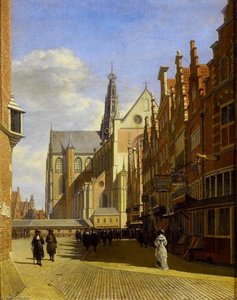
His canvases often serve as windows into the bustling heart of the Netherlands. In works such as The Grote Markt in Haarlem, he portrays the vibrant urban life of the era, with the prominent St. Bavokerk church dominating the background. Through his masterful use of light, he transforms stone and brick into living entities, capturing the way sunlight dances across cobblestones and illuminates the facades of grand buildings. This ability to marry architectural rigidity with atmospheric softness is what defines his greatest achievements.
Legacy of the Golden Age
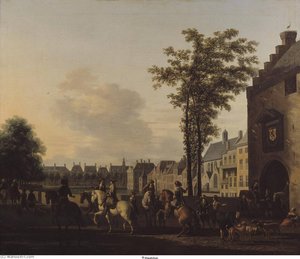
The historical significance of Berckheyde lies in his ability to elevate the cityscape from mere documentation to a high art form. His paintings, such as A Hunting Party near the Hofvijver in The Hague, demonstrate how he could integrate human activity and landscape elements into his architectural compositions without losing the sense of monumental stillness. He did not merely paint buildings; he painted the atmosphere of an era defined by prosperity, order, and civic pride.
As a master of Dutch Classicism, Berckheyde left behind a legacy that continues to fascinate art historians and enthusiasts alike. His contribution to the genre of architectural painting remains unparalleled, providing a luminous record of the Dutch Golden Age's most iconic urban landscapes. Through his eyes, we see a world of structured beauty, where every shadow and sunbeam contributes to a timeless narrative of light and stone.
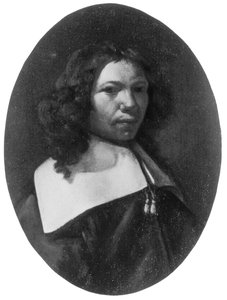
gerrit adriaenszoon berckheyde
1638 - 1698
基本情報
- Artistic Movement Or Style: Dutch Classicism
- Artists Or Movements Influenced By This Artist: ['Dutch Classicism']
- Artists Who Influenced This Artist:
- Pieter Saenredam
- Job Adriaenszoon Berckheyde
- Date Of Birth: 1638
- Date Of Death: 1698
- Full Name: Gerrit Adriaenszoon Berckheyde
- Nationality: Dutch
- Notable Artworks:
- De Waag (Weighing House) and Crane on the Spaarne,
- The Great Market In Haarlem
- Place Of Birth: Haarlem, Netherlands
関連記事

黄金世紀の巨匠たち:バロック絵画が彩る10選|ArtsDot
オランダ黄金時代の10大傑作を紐解く!レンブラント、フェルメール…バロック絵画の魅力と時代背景を深く探求。ArtsDotで、至高のアートコレクションと空間演出のヒントを見つけよう。高品質なアートプリントで、お部屋を華やかに。

Golden Age Reflections: Dutch Baroque Painting & Cultural Innovation
Explore the Dutch Golden Age of painting! Discover key artists like Vermeer & ter Borch, their innovative techniques, and the rich cultural context behind these Baroque masterpieces. Learn about collecting & appreciating this iconic art period.

Illuminating Innovation: Exploring the Dutch Golden Age of Painting
Explore the Dutch Golden Age of painting with ArtsDot. Discover Rembrandt, Vermeer & other Masters. Learn about key characteristics, iconic artworks, and lasting influence. Expert insights for collectors & enthusiasts.

Illuminating Realism: Exploring the Dutch Golden Age of Painting (1600-1700)
Explore the Dutch Golden Age of painting (1600-1700) with ArtsDot. Discover Rembrandt, Vermeer & other masters. Learn about techniques, history & find museum-quality reproductions.
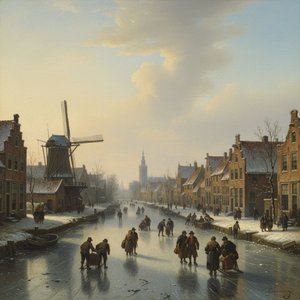
Charles Leickert: Capturing the Dutch Golden Age Light – A Comprehensive Study of Technique, Context, and Legacy
Explore the captivating winter landscapes of Charles Leickert, a master of Dutch Golden Age light & atmosphere. Discover his techniques, symbolism, and lasting legacy – a comprehensive study for art enthusiasts and collectors.