 プレビュー
プレビュー
 プリントを購入
 シェアする
シェアする シェアする
シェアする
 詳細を見る
詳細を見る

 ダウンロード
 似ている作品
 X線調査
X線調査 スライドショー
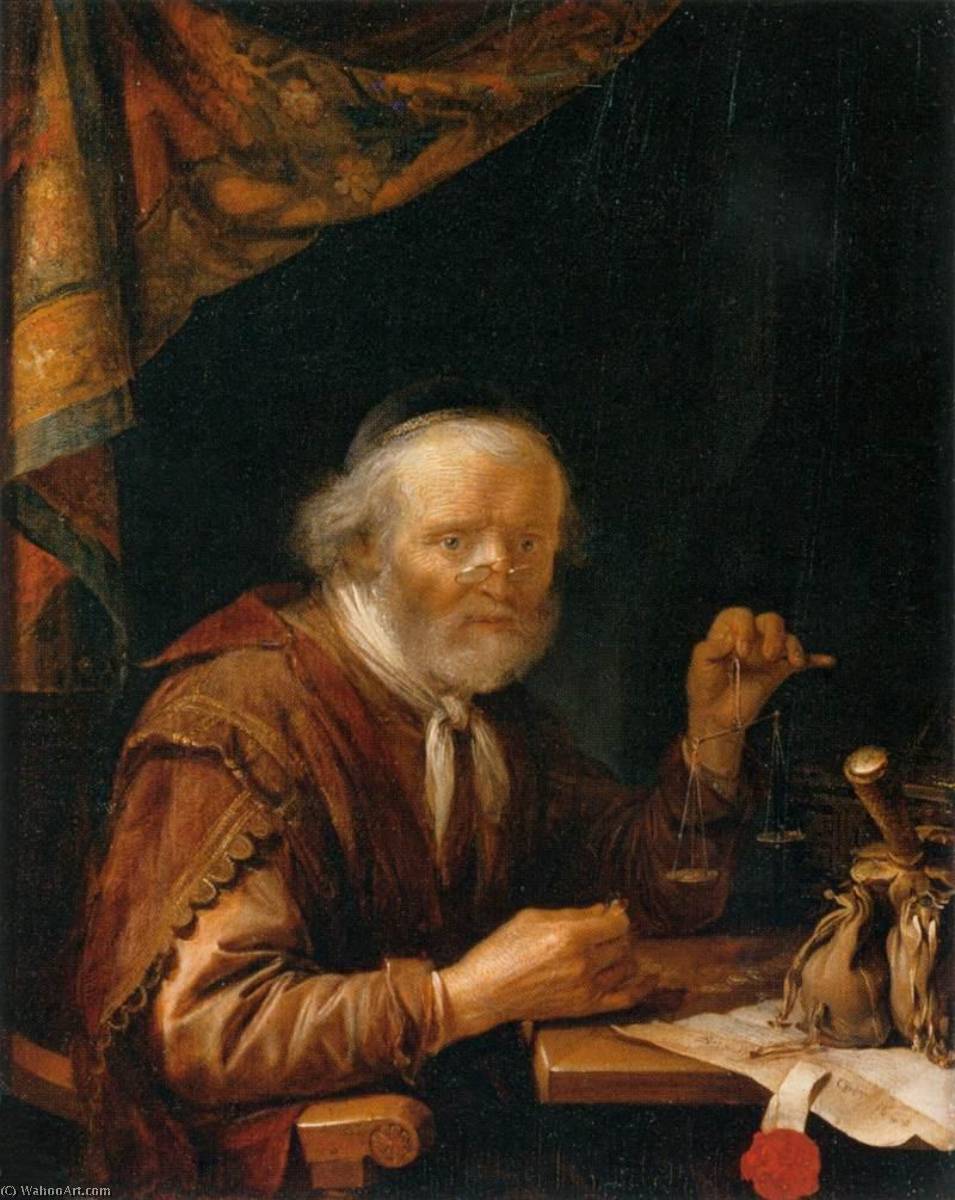
English The Moneylender Français Le peseur d'or
 Acrylic On Canvas
- WallArt
- Dutch Golden Age Painting
 1664
1664 29.0 x 23.0 cm
 ルーブル美術館
 詳細を見る
詳細を見る




P118B $10

P118H $10

P118W $10

P438Z $10

P508JH $12

P508YH $12

P805H $10

P805Z $10

P919BZ $10

P919G $10

P919XJ $10

P959ZH $10

P968JZ $12

W106C $8

W218G $10

W218JH $8

W218Y $10

W307PJ $10

W316G $10

W316PJ $8

W316Y $10

W398PJ $8

W4111J $10

W500HY $15

W500JH $15

W692G $12

W849H $8

W940BG $15

W953PJ $8




作品のオリジナル比率に合わせた、当店の規定サイズからお選びください。

特定のフレームやスペースに合わせて、ご希望のサイズをご入力いただけます。選択されたサイズが元の画像の比率と異なる場合、アートワークをトリミングするか、手描きで要素を追加して絵画を拡張いたします。デジタルモックアップ を制作し、制作開始前にご確認(承認)をいただきます。
画面上のプレビューは、実際のトリミングや拡張を正確に反映しているものではありません。最終的な構図は、モックアップによってのみ正確にご確認いただけます。
カスタムサイズもご利用いただけますが、元の比率を維持するためには、あらかじめ用意されたリストからサイズを選択することをお勧めいたします。
ご注文後、ArtsDot.com チームより詳細な指示をお送りするとともに、仕上がりイメージ(モックアップ)をご提供いたします。


 ガラスオプションは、110cm未満のサイズでのみご利用いただけます。

English The Moneylender Français Le peseur d'or
複製技法
複製画のサイズ
-


合計金額
$ 263
作品解説
The Moneylender’s Gaze: Gerrit Dou's Masterpiece of Dutch Interiority
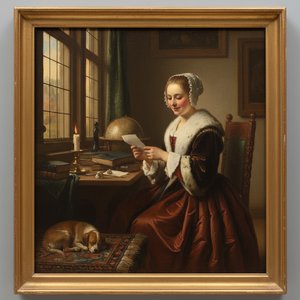
Gerrit Dou’s *English The Moneylender Français Le peseur d’or* (1664) isn’t merely a portrait; it’s a meticulously constructed stage for a silent drama, a window into the anxieties and quiet dignity of 17th-century Amsterdam. Painted during the height of the Dutch Golden Age, this remarkable work transcends its genre classification as a ‘tronie’ – a small, intimate portrait focusing on character rather than grand narrative – to become a profound meditation on wealth, morality, and the subtle power dynamics at play within a confined space. Dou, a master of *fijnschilderij*, or “fine painting,” elevates the mundane to the extraordinary through his unparalleled ability to capture light, texture, and psychological nuance. The scene unfolds within a modestly furnished room, dominated by an elderly moneylender seated at a table. His face, etched with years of experience and perhaps burdened by difficult decisions, is rendered with astonishing realism – every wrinkle, every shadow conveying a sense of weary wisdom. He’s not presented as a villain or a saint, but as a complex human being caught in the relentless cycle of commerce. The red robe he wears, a symbol of wealth and authority, clashes subtly with the muted tones of the room, creating an immediate visual tension. A chair sits to his left, and another on the right, suggesting a potential transaction or a moment of contemplation. A clock hangs above him, not merely marking time but also hinting at the relentless pressure of financial obligations. Two wine glasses sit on the table, one closer to the center, the other slightly off-kilter – perhaps an invitation to pause, to reflect on the day’s dealings. Dou's technical brilliance is immediately apparent in his masterful use of *chiaroscuro*, a technique he perfected through innovative methods involving concave and convex lenses. This dramatic interplay of light and shadow isn’t simply decorative; it serves to sculpt the figures, emphasizing their features and creating an atmosphere of intimacy and suspense. The light source, cleverly positioned, casts long shadows that obscure parts of the room, drawing our attention to the central figure and fostering a sense of unease. The textures are equally remarkable – the rough weave of the cloth, the sheen of the metal objects, the subtle variations in skin tone—all rendered with painstaking detail. The painting’s surface is alive with a tactile quality that invites close examination. Beyond its technical merits, *English The Moneylender* resonates deeply with the social and economic realities of 17th-century Amsterdam. The city was a thriving center of trade and finance, but also a place where poverty and inequality were rampant. The moneylender’s profession – lending money at high interest rates – was often viewed with suspicion and moral disapproval. Dou doesn't offer a judgment on this practice; instead, he presents it as an inescapable part of the city’s fabric. The painting subtly explores themes of debt, power, and the ethical dilemmas faced by those who operate within a system of commerce. It reflects the anxieties of a society grappling with rapid economic growth and social change. Furthermore, *English The Moneylender* is deeply rooted in the artistic traditions of the Leiden school, to which Dou belonged. This group of painters was known for their meticulous attention to detail, their realistic depictions of everyday life, and their innovative use of light and shadow. Dou’s work shares many characteristics with that of Rembrandt van Rijn, another prominent figure from Leiden, particularly in his ability to capture the psychological complexity of his subjects. However, Dou's style is more restrained and polished than Rembrandt's, characterized by a greater emphasis on surface detail and a smoother, more refined finish. The painting’s quiet intensity and its profound exploration of human nature have ensured its enduring appeal, cementing Gerrit Dou’s place as one of the most significant artists of the Dutch Golden Age.A Reproduction Worthy of Display
Reproductions of *English The Moneylender* offer a remarkable opportunity to bring this captivating artwork into any interior space. ArtsDot's high-quality prints faithfully capture the painting’s rich colors, intricate details, and atmospheric depth. Available in various sizes, from intimate 29 x 23 cm pieces to larger formats suitable for statement walls, you can select a reproduction that complements your personal style and décor. Consider framing it within a dark wood frame to echo the painting's somber tones or opt for a lighter, more contemporary frame to create a striking contrast. Whether displayed in a study, living room, or hallway, *English The Moneylender* will undoubtedly serve as a conversation starter—a testament to Dou’s artistic genius and a poignant reflection on the complexities of human existence.関連作品


アーティストの略歴
多作な画家による生涯
ゲリット(ジェラール)・ドウは、オランダ黄金時代の絵画における極めて重要な人物です。1613年4月7日、オランダのライデンに生を受けた彼は、1675年2月9日にその生涯を閉じました。彼が遺した、細部まで磨き上げられた見事な作品群は、時代を超えて世界中の芸術愛好家を魅了し続けています。芸術的様式と専門性
ゲリット・ドウの画風を特徴づけるのは、極めて緻密で精巧な描写です。日常の情景を描いた風俗画や、まるでそこに実物が存在するかのような錯覚を与える「トロンプ・ルイユ(だまし絵)」の手法を用いたニッチ(壁龕)画を得意としました。特に、キャンドルの灯りに照らされた夜の情景に見られるような、明暗法(キアロスクロ)の卓越した技術は特筆すべきものです。こうした類まれな技術の融合により、彼は「ライデン・フィンスヒラー(細密画家)」の一員としてその名を刻みました。代表作とコレクション
繊細な光の揺らぎを捉えるドウの卓越した技量を示す傑作、「キャンドルに照らされた天文学者」は、ArtsDot.comにてご覧いただけます。また、ニューヨークの名高い美術館であるライデン・コレクションには、他の著名な芸術家とともに彼の作品が収蔵されています。コレクションの詳細については、ArtsDot.com内の「ライデン・コレクション、ニューヨーク:総合ガイド」をご参照ください。影響と遺産
ゲリット・ドウの影響は、フランス・ファン・ミーリス(父)やガブリエル・メッツといった彼の弟子たちの作品の中にも脈々と受け継がれています。彼の作品は、16世紀から18世紀にかけての素晴らしい欧州美術コレクションを誇る、オランダ・ハーグのヒュイス・テン・ボッシュ美術館をはじめ、様々な美術館で展示されています。- 主要な事実:
・生年月日:1613年4月7日、オランダ、ライデン
・没年月日:1675年2月9日
・代表作:キャンドルに照らされた天文学者、風俗画、キャンドルの光が灯る夜の情景
・影響を与えた人物:フランス・ファン・ミーリス(父)、ガブリエール・メッツ、その他 - おすすめの文献:
・ArtsDot.comによる「ゲリット(ジェラール)・ドウ」
・Wikipediaの「オランダ黄金時代の絵画」
結び
オランダ黄金時代に対するゲリット(ジェラール)・ドウの多大なる貢献は、美術史に消えることのない足跡を残しました。緻密なディテールと光の魔術的な扱いを特徴とする彼の魅惑的な絵画は、今なおアーティストや芸術愛好家たちにインスピレーションを与え続けています。彼の作品や他の偉大な芸術家たちの作品をさらに探索するには、ArtsDot.comをぜひ訪れてみてください。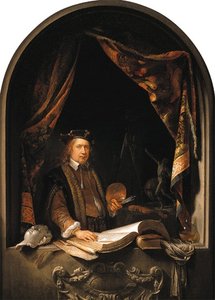
ゲリット・ドウ
1613 - 1675 , オランダ
基本情報
- Artistic Movement Or Style: フィンスヒラー(細密画)
- Artists Or Movements Influenced By This Artist:
- フランス・ファン・ミューリス(父)
- ガブリエル・メッツ
- Artists Who Influenced This Artist: ['レンブラント・ファン・レイン']
- Date Of Birth: 1613年4月7日
- Date Of Death: 1675年2月9日
- Full Name: ゲリット・ドウ
- Nationality: オランダ
- Notable Artworks:
- キャンドルに照らされた天文学者
- 老女の肖像
- 風俗画
- 蝋燭の光が灯る夜の情景
- Place Of Birth: オランダ、ライデン
関連記事
Gerrit Dou: Intimacy & Light in the Dutch Golden Age
Explore the exquisite world of Gerrit Dou, a master of Dutch Golden Age painting. Discover his intimate genre scenes, signature use of light, and lasting legacy. Learn about collecting Dou's works & their value.

黄金世紀の巨匠たち:バロック絵画が彩る10選|ArtsDot
オランダ黄金時代の10大傑作を紐解く!レンブラント、フェルメール…バロック絵画の魅力と時代背景を深く探求。ArtsDotで、至高のアートコレクションと空間演出のヒントを見つけよう。高品質なアートプリントで、お部屋を華やかに。

Golden Age Reflections: Dutch Baroque Painting & Cultural Innovation
Explore the Dutch Golden Age of painting! Discover key artists like Vermeer & ter Borch, their innovative techniques, and the rich cultural context behind these Baroque masterpieces. Learn about collecting & appreciating this iconic art period.

Illuminating Realism: Exploring the Dutch Golden Age of Painting (1600-1700)
Explore the Dutch Golden Age of painting (1600-1700) with ArtsDot. Discover Rembrandt, Vermeer & other masters. Learn about techniques, history & find museum-quality reproductions.

Illuminating Innovation: Exploring the Dutch Golden Age of Painting
Explore the Dutch Golden Age of painting with ArtsDot. Discover Rembrandt, Vermeer & other Masters. Learn about key characteristics, iconic artworks, and lasting influence. Expert insights for collectors & enthusiasts.