

 プレビュー
プレビュー
 シェアする
シェアする シェアする
シェアする
 詳細を見る
詳細を見る

 ダウンロード
 似ている作品
 X線調査
X線調査 スライドショー
 統計情報
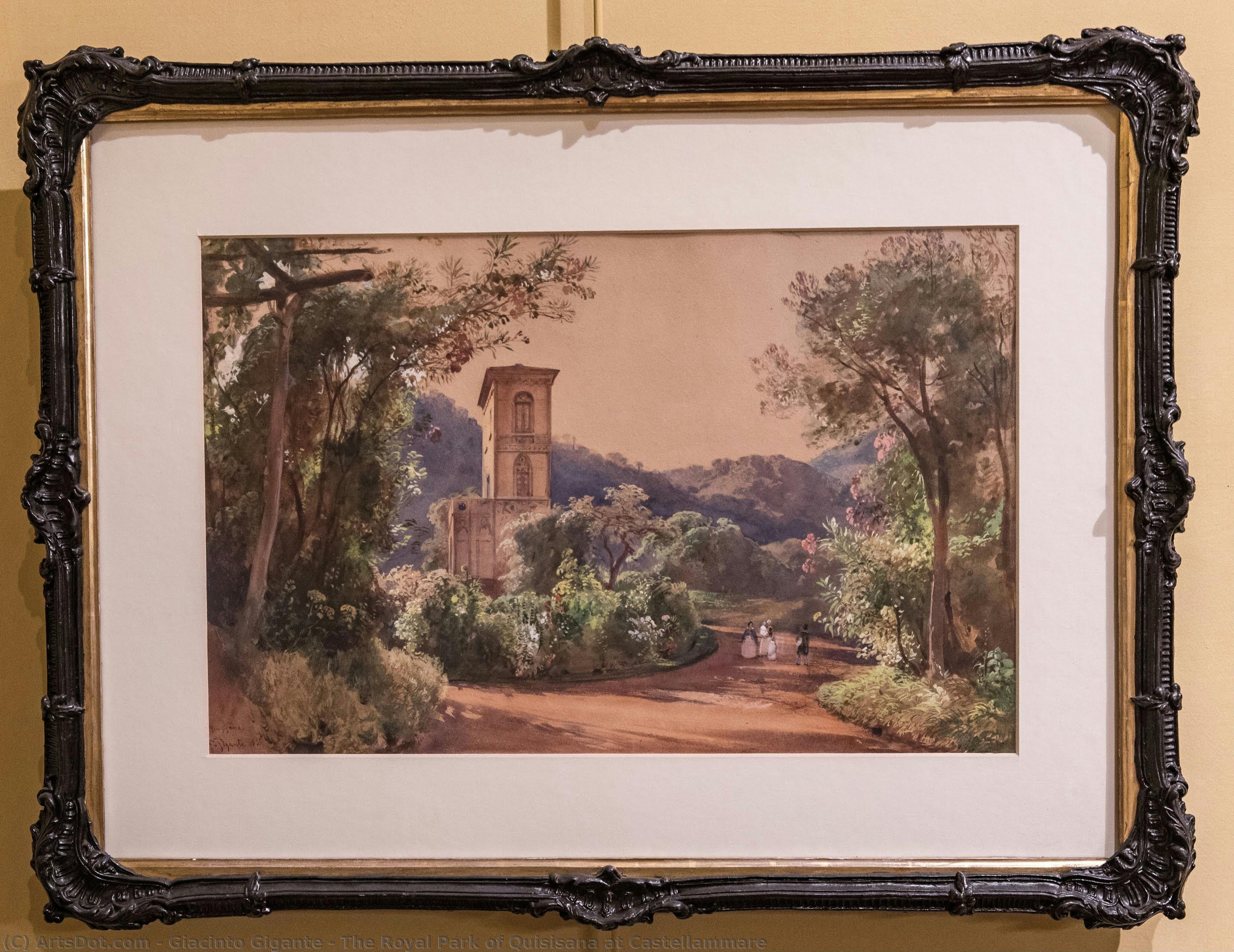
統計情報The Royal Park of Quisisana at Castellammare


 詳細を見る
詳細を見る
ジークレー/アートプリント
迅速な制作と多彩な仕上げオプションを備えた、ミュージアムクオリティのジークレーまたはキャンバスプリント。 ( 手描きの絵画を購入 デジタル画像販売へ切り替え)




P118B $10

P118H $10

P118W $10

P438Z $10

P508JH $12

P508YH $12

P805H $10

P805Z $10

P919BZ $10

P919G $10

P919XJ $10

P959ZH $10

P968JZ $12

W106C $8

W218G $10

W218JH $8

W218Y $10

W307PJ $10

W316G $10

W316PJ $8

W316Y $10

W398PJ $8

W4111J $10

W500HY $15

W500JH $15

W692G $12

W849H $8

W940BG $15

W953PJ $8




作品のオリジナル比率に合わせた、当店の規定サイズからお選びください。

特定のフレームやスペースに合わせて、ご自身でサイズを指定することも可能です。選択されたサイズが元の画像の比率と一致しない場合、作品をトリミングするか、鏡面反射または単色での塗りつぶしによって画像を拡張いたします。制作を開始する前に、ご確認用のデジタルモックアップをお送りいたします。
画面上のプレビューには、実際のトリミングや拡張は反映されませんのでご注意ください。最終的な構図を正確に確認できるのは、モックアップのみとなります。
カスタムサイズも承っておりますが、元の比率を維持するためには、あらかじめ用意されたリストからサイズを選択することをお勧めいたします。


 ガラスオプションは、110cm未満のサイズでのみご利用いただけます。

The Royal Park of Quisisana at Castellammare
ジークレー/アートプリント
複製画のサイズ
-


合計金額
$ 62
The Royal Park of Quisisana at Castellammare – A Window into Neapolitan Light
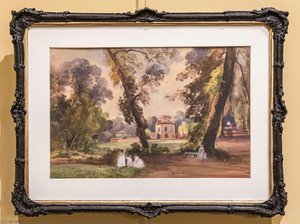
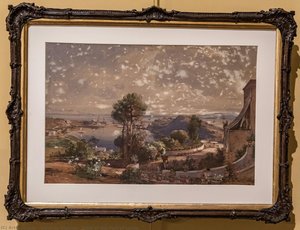
Giacinto Gigante’s “The Royal Park of Quisisana at Castellammare” is more than just a depiction of a picturesque Italian landscape; it's a carefully constructed evocation of light, atmosphere, and the leisurely pleasures of aristocratic life in mid-19th century Naples. Painted in 1855, this watercolor captures a moment of serene beauty within the opulent Royal Park of Quisisana, a meticulously designed retreat commissioned by Ferdinand II of Bourbon for his wife, Queen Carolina. The scene unfolds with a remarkable sense of depth and tranquility, inviting the viewer into an almost dreamlike state.
Gigante’s artistic lineage is deeply rooted in Naples' vibrant art scene. He benefited from early training under his father, Gaetano Gigante, a respected landscape painter himself, and later honed his skills with influential mentors like Jacob Wilhelm Hüber, who introduced him to the innovative technique of using a “camera lucida” – essentially a miniature optical device – to capture panoramic views with astonishing accuracy. This method allowed Gigante to translate the vastness of the landscape onto paper with remarkable precision, while retaining an inherent sense of atmosphere and perspective. The influence of Antonie Sminck Pitloo, a Dutch watercolorist known for his meticulous observation and delicate brushwork, is also evident in the painting’s subtle tonal variations and masterful rendering of foliage.
A Symphony of Light and Color
Gigante's mastery lies not merely in technical skill but in his ability to capture the ephemeral quality of light. The scene is bathed in a soft, diffused glow, characteristic of Neapolitan summers – a light that seems to shimmer and dance across the water and foliage. He employs a delicate layering of washes, building up color gradually to create an illusion of depth and volume. Notice how he uses lighter tones to represent distant elements, creating a sense of atmospheric perspective that draws the eye into the heart of the park. The greens are particularly vibrant, ranging from deep emeralds in the foreground to paler, almost silvery hues in the background, suggesting the play of light on different surfaces.
The composition itself is carefully balanced, drawing the viewer’s attention to the central building – a grand structure that hints at the luxurious lifestyle enjoyed within Quisisana. The arrangement of figures scattered throughout the park adds a touch of human scale and reinforces the sense of leisurely activity. They are not sharply defined but rather suggested through subtle gestures and poses, contributing to the overall feeling of peacefulness.
Symbolism and Context
The Royal Park of Quisisana was more than just a recreational space; it represented the power and prestige of the Bourbon monarchy. Its meticulously designed gardens, fountains, and pavilions were intended to reflect the refined tastes of the royal family and showcase their commitment to art and culture. Gigante’s painting thus serves as both a visual record of this opulent setting and a subtle celebration of the monarchy's patronage.
Furthermore, the park itself held symbolic significance. The name “Quisisana” derives from the Roman goddess of quietude and tranquility – a fitting tribute to the desired atmosphere within its walls. The scene’s overall mood reflects this ideal: a space for respite, contemplation, and the enjoyment of beauty. It's a snapshot of a bygone era, capturing not just a landscape but also a particular sensibility—a reverence for nature, an appreciation for luxury, and a belief in the power of art to elevate the human spirit.
A Timeless Masterpiece – Perfect for Your Space
“The Royal Park of Quisisana at Castellammare” is a testament to Gigante’s exceptional talent and his deep understanding of light, color, and composition. Reproductions of this stunning watercolor offer a beautiful way to bring the serenity and elegance of Neapolitan landscape painting into your home or office. Its timeless appeal makes it an ideal choice for collectors, interior designers, and anyone seeking a touch of refined beauty in their surroundings.
関連作品

アーティストの略歴
光と大気のナポリの巨匠:ジャチント・ジガンテの生涯と芸術
1806年にナポリで生まれたジャチント・ジガンテは、イタリア風景画における極めて重要な人物であり、特にポジッリポ派への多大な貢献によってその名を知られています。画家であった父ガエターノ・ジガンテという、芸術的伝統に深く根ざした家庭に生まれた若きジガンテにとって、壮大な眺望と大気の遠近法を操る巨匠への道は、早くから開かれていました。1818年頃、父の指導の下で行われた初期の修行は、形態と構図に関する基礎的な理解を彼に授けました。しかし、ジガンレの芸術的ビジョンが真に開花したのは、その後の師との出会いによるものでした。1820年にはヤコブ・ヴィルヘルム・ヒューバー、そして1821年からはアントニエ・スミンク・ピットローの下で学んだ経験が、彼の才能を大きく引き上げたのです。ヒューバーは彼に描画の技術的な精密さと、パノラマ風景を捉えるための「カメラ・ルシダ」という革新的な手法を教え、一方でピットローは、ポジッリポ派の精神的支柱とも言える水彩技法への深い造詣と、自然を直接観察することの重要性を彼に刻み込みました。これらの初期の啓蒙が、緻密な技法と芽生えつつあったロマン主義的な感性を融合させ、ジガンテ独自の画風を形作ったのです。ポジッリポ派と芸術的発展
ジガンテは瞬く間にナポリのポジッリポ派の中心的存在となりました。この流派は、ナポリ湾、ヴェスヴィオ火山、美しい海岸線、そして地域に点在する古代遺跡など、ナポリを取り巻く息を呑むような風景を描き出すことに情熱を注いだ芸術家集団でした。当時のイタリアにおいて、屋外で直接自然を観察して描く「プレネール(戸外制作)」を重視したこの流派の手法は、極めて革命的なものでした。ジガンテのスタイルは単なる模倣に留まりませんでした。彼は師から学んだ教訓を、イタリア独自の感性と見事に融合させたのです。イタリア風景の劇的な描写で知られるヤコブ・フィリップ・ハッケルトのような先達の影響を吸収し、ピットローの指導の下でその技術をさらに洗練させていきました。王立美術学院での修行は、自然界を正確に表現するための不可欠な要素として、デッサン技術を彼の中に定着させました。しかし、ジガンテが見たものを単に複製したわけではありません。彼は自身の絵画にロマン主義的な解釈を吹き込み、風景の物理的な姿だけでなく、その場の情緒、空気感、そして感情的な響きまでも捉えようとしたのです。動き、光、そして影を巧みに操ることで、写実的でありながらも、見る者の心を深く揺さぶる情景を生み出しました。評価、依頼、そして代表作
ジガンテの才能は、キャリアの早い段階から認められていました。1823年、ナポリ王立美術学院でのデッサンコンクールでの受賞は、芸術界における彼の台頭を告げる象徴的な出来事となりました。さらに1826年の第1回美術展(Esposizione di Belle Arti)への出展は、彼の名声を不動のものにしました。ナポリの風景が持つ美しさと壮大さを捉える彼の能力は、やがて王族を含む目の肥えたパトロンたちの注目を集めることになります。ロシア皇后やフランチェスコ2世の娘たちからも制作依頼を受けるなど、彼の作品が国際的な魅力を持っていたことは明らかです。その代表的な作品群には、印象派的な筆致と荒々しい海岸美を見せる「岩の入り江の山羊飼い」のような魅惑的な作品や、自然の猛威をロマン主義的に表現した183なるドラマチックな油彩画「アマルフィ湾の嵐」などがあります。また、1854年の水彩画「ガエタ、サン・エルモドゥオーモの鐘楼の眺め」には、風景描写における穏やかで繊細なアプローチが表れています。1861年にはカポディモンテのサン・ジェンナーロ礼拝堂のためにテンペラ画を制作するという重要な依頼も受けていますが、この作品は彼の通常のスタイルとは少し異なる趣を持っています。遺産と歴史的意義
ジャチント・ジガンテが遺した功績は、個々の絵画の枠を遥かに超えています。彼はイタリア風景画の巨匠として正当に評価されており、その影響は後世の世代へと響き渡りました。ジュリオ・チェーザレ・アミダーノやアンドレア・ランディーニといった画家たちの発展に直接的な影響を与え、彼らはジガンテがポジッリポ派の中に築いた礎の上に自らの芸術を積み上げていきました。彼の仕事は、プレネール技法の重視、風景へのロマン主義的解釈、そしてナポリ地方特有の個性を捉えるという、この流派の美学的原則を定義する上で決定的な役割を果たしました。さらに、ジガンテによる水彩技法の巧みな活用やカメラ・ルシダのような道具の適応は、風景表現の進歩に寄与し、後の芸術的革新への道を開きました。彼は単に目に映るものを描いたのではありません。場所の精神をキャンバスへと翻訳したのです。その作品群は、今日においても畏敬と称賛を集め続けています。彼の絵画は、イタリアの美を視覚的に伝えるだけでなく、ある国の魂と、故郷に深く結びついた一人の芸術家の心の片鱗を、私たちに見せてくれるのです。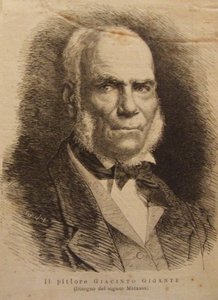
ジャチント・ジガンテ
1806 - 1876 , イタリア
基本情報
- Artistic Movement Or Style: ポジリッポ派
- Artists Or Movements Influenced By This Artist:
- アミダーノ
- ランディーニ
- Artists Who Influenced This Artist:
- フーバー
- ピットロー
- ハッケルト
- Date Of Birth: 1806年
- Date Of Death: 1876年
- Full Name: ジャチェント・ジガンテ
- Nationality: イタリア
- Notable Artworks:
- 岩の入り江の山羊飼い
- アマルフィ湾の嵐
- 鐘楼の風景
- Place Of Birth: イタリア、ナポリ
関連記事
Ephemeral Visions: Exploring the Artistic Legacy & Nuances of Watercolor Painting
Explore the captivating world of watercolor painting! Discover its rich history, essential techniques, influential artists & collecting tips from art experts. A comprehensive guide for enthusiasts.
Ephemeral Visions: Exploring the History & Emotional Resonance of Watercolor Painting
Explore the captivating history of watercolor painting, from ancient techniques to modern masters like Kandinsky & Blake. Discover essential artists, collecting tips & the emotional power of this luminous medium. Expert insights for art enthusiasts.

Ephemeral Visions: Exploring the Artistic Legacy & Contemporary Practice of Watercolor Painting
Explore the captivating world of watercolor painting! Discover its rich history, essential techniques, influential artists & collecting tips. A comprehensive guide for art enthusiasts from ArtsDot.
Watercolor Wonders: 10 Masterpieces That Redefined Art History | ArtsDot
Journey through 10 legendary watercolor masterpieces by Sargent, Turner & Homer! Explore iconic landscapes, portraits & floral art that redefined history. Find museum-quality reproductions and curated decor ideas at ArtsDot.com.
Ephemeral Echoes: Exploring the Aesthetic & Historical Significance of Vintage Watercolor Painting
Explore the captivating world of vintage watercolor painting! Discover its rich history, techniques, influential artists & collecting tips. Expert insights for enthusiasts and collectors at ArtsDot.