 プレビュー
プレビュー
 シェアする
シェアする シェアする
シェアする
 詳細を見る
詳細を見る

 ダウンロード
 似ている作品
 X線調査
X線調査 スライドショー
 統計情報
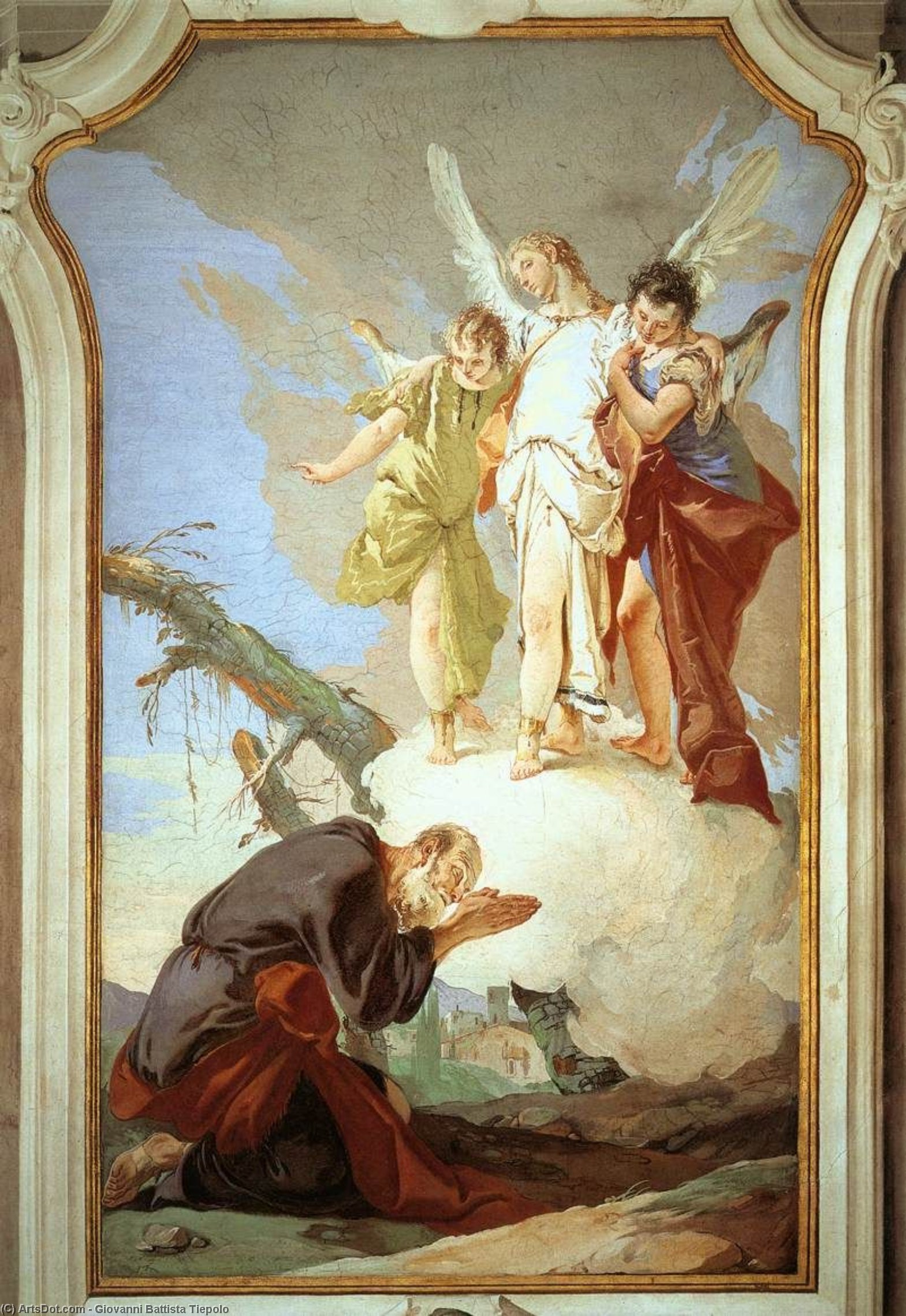
統計情報The Three Angels Appearing to Abraham
 Acrylic
- WallArt
- Baroque Rococo
 1726
1726 4000.0 x 2000.0 cm
 Palazzo Patriarcale
 詳細を見る
詳細を見る
手描き油彩複製画
当社のアーティストが、お客様のご希望のサイズと額縁に合わせて、キャンバスに手描きで制作する油彩画です。 ( プリント版に切り替え デジタル画像販売へ切り替え)




P118B $10

P118H $10

P118W $10

P438Z $10

P508JH $12

P508YH $12

P805H $10

P805Z $10

P919BZ $10

P919G $10

P919XJ $10

P959ZH $10

P968JZ $12

W106C $8

W218G $10

W218JH $8

W218Y $10

W307PJ $10

W316G $10

W316PJ $8

W316Y $10

W398PJ $8

W4111J $10

W500HY $15

W500JH $15

W692G $12

W849H $8

W940BG $15

W953PJ $8




作品のオリジナル比率に合わせた、当店の規定サイズからお選びください。

特定のフレームやスペースに合わせて、ご希望のサイズをご入力いただけます。選択されたサイズが元の画像の比率と異なる場合、アートワークをトリミングするか、手描きで要素を追加して絵画を拡張いたします。デジタルモックアップ を制作し、制作開始前にご確認(承認)をいただきます。
画面上のプレビューは、実際のトリミングや拡張を正確に反映しているものではありません。最終的な構図は、モックアップによってのみ正確にご確認いただけます。
カスタムサイズもご利用いただけますが、元の比率を維持するためには、あらかじめ用意されたリストからサイズを選択することをお勧めいたします。
ご注文後、ArtsDot.com チームより詳細な指示をお送りするとともに、仕上がりイメージ(モックアップ)をご提供いたします。


 ガラスオプションは、110cm未満のサイズでのみご利用いただけます。

The Three Angels Appearing to Abraham
複製技法
複製画のサイズ
-


合計金額
$ 263
A Vision of Divine Revelation: Exploring Tiepolo’s “The Three Angels Appearing to Abraham”
Giambattista Tiepolo's monumental fresco, "The Three Angels Appearing to Abraham," transcends mere depiction; it embodies the very essence of Rococo artistry and Venetian Baroque grandeur. Painted in 1726 for San Giorgio Maggiore basilica in Venice—a commission reflecting the city’s fervent devotion to Saint George—the artwork stands as a testament to Tiepolo's unparalleled ability to capture ethereal beauty and convey profound spiritual narratives. Its enduring appeal lies not only in its breathtaking scale but also in the masterful execution of technique and the rich tapestry of symbolism woven into every brushstroke.Style & Technique: Illusionistic Brilliance
Tiepolo’s signature style is characterized by a dazzling luminosity achieved through innovative fresco painting techniques. Unlike traditional methods that relied on tempera pigments, Tiepolo pioneered the use of oil paint diluted with turpentine—a daring move at the time—allowing for unprecedented tonal range and vibrancy. This technique, combined with meticulous layering and glazing, created an illusionistic depth that captivated viewers and transported them into the biblical scene. The fresco’s surface is treated as a canvas itself, meticulously crafted to mimic natural light and shadow, blurring the boundaries between reality and artifice.Historical Context: Venetian Spirituality Under Baroque Influence
The fresco emerged during a period of intense religious fervor within Venice—a city grappling with papal authority and seeking solace in faith. The Habsburg monarchs’ dominance over Europe fueled anxieties about spiritual decline, prompting artistic endeavors aimed at reaffirming Christian values. Tiepolo skillfully navigated this cultural landscape, channeling the grandeur of Baroque aesthetics into a narrative rooted in Genesis 18:1-6 – Abraham receives divine visitors bearing promises of progeny and blessing. This biblical tale served as a powerful emblem of Venetian piety and reflected the broader preoccupation with themes of salvation and divine providence prevalent throughout Europe.Symbolism & Narrative Depth
The composition itself is laden with symbolic significance. The three angels, representing God’s messengers, hold swords—symbols of divine justice and righteousness—underscoring the seriousness of Abraham's encounter. Their gestures convey reverence and humility as they communicate God’s unwavering commitment to his covenant with Abraham. The kneeling figure on the left embodies prayerful devotion, while the standing man symbolizes faith and steadfastness. Each element contributes to a narrative that explores fundamental questions about divine grace and human responsibility—a timeless meditation on faith and promise.Emotional Impact: Capturing Divine Majesty
“The Three Angels Appearing to Abraham” commands attention with its sheer magnificence, eliciting awe and wonder in any observer. Tiepolo’s masterful use of color—particularly the radiant golds and blues—creates an atmosphere of sublime spirituality, transporting viewers into a realm beyond earthly concerns. The fresco's luminous quality imbues the scene with palpable emotion, conveying the profound significance of Abraham’s divine visitation and reaffirming the enduring power of faith to illuminate the human spirit. It remains a cornerstone of Venetian art history, demonstrating Tiepolo’s unparalleled ability to transform pigment and plaster into an unforgettable experience of artistic beauty.関連作品
アーティストの略歴
ヴェネツィアの光を建築した画家、ジョヴァンニ・バッティスタ・ティエポロ
ジョヴァンニ・バッティスタ・ティエポロ(1696年 – 1770年)は、同時代の画家の中でも傑出した存在であり、ロココの無二の巨匠、そして18世紀で最も影響力のあるフレスコ画家のひとりとして知られています。芸術的伝統が息づくイタリアのヴェネツィアに生まれたティエポロは、息を呑むようなカンヴァスと壮大な壁画を通して、教会や宮殿を色彩、ドラマ、そしてイリュージョニズムの驚異的な空間へと変貌させました。彼の遺産は今日でもアーティストたちにインスピレーションを与え続け、ヴェネツィア美術史における最も重要な人物としての地位を不動のものとしています。幼少期と修業時代
ティエポロの芸術的旅程は、尊敬されるヴェネツィアの画家ジョヴァンニ・アントニオ・ペッレグリーニのもとでの師事から始まりました。ペッレグリーニは、バロック美術の基盤であるデッサン—イタリア語で「描画」を意味する言葉—の基礎をティエポロに教え込みました。その才能を見抜いたペッレグリーニは、ティエポロをボローニャのアカデミーへの留学へと促し、そこでフランチェスコ・バルトロメオ・ラストレリやアントニオ・カナルエットといった画家たちと共に研鑽を積みました。彼はバロックの壮大さと新興のロココの優雅さの両方から影響を受けました。ヴェネツィア工房と芸術的躍進
1726年にヴェネツィアに戻ったティエポロは、すぐに卓越した芸術性の代名詞となった活気あふれる工房を設立しました。彼は繊細な装飾、パステル調の色合い、非対称な構図を特徴とするロココの様式を取り入れましたが、古典的な比例と遠近法の原則への揺るぎないコミットメントを維持しました。この調和のとれた融合は、聴衆を魅了し、賞賛を集める作品を生み出しました。特に、パラッツォ・ラビアやカー・レッツォニコの壁画はその代表例です。王侯貴族の庇護と壮大な依頼
ティエポロの芸術的評判は瞬く間にヨーロッパの君主たちの目に留まり、イタリア、スペイン、プロイセン各地の国王や諸侯からの有利な依頼を獲得しました。ウィーン近郊のシェーンブルン宮殿やポツダムのサンスーシ宮殿に描かれた彼の壮大な壁画は、規模と劇的な表現における彼の卓越した才能を証明しています。これらの空間は、王権の力と芸術的革新を祝う豪華なスペクタクルへと変貌しました。技法と革新
ティエポロの独特な技法には、緻密な準備作業が含まれていました。彼はまず、正確な空間関係を確立するためにグライユ(灰色調の下絵)を使用し、その後、鮮やかな色彩の層を重ねていきました。彼は画材の混合と釉薬掛けにおける革新的な方法を開発し、それ自体が光を発しているかのような輝きのある表面を作り出しました—これは彼の比類のない芸術的ビジョンの特徴です。彼のフレスコ画は、光と影の相互作用であるキアロスクーロ(明暗法)の巧みな使用で知られており、目に見える深みとダイナミズムを生み出しています。遺産と影響
ティエポロの影響力は彼の生涯をはるかに超え、後世の芸術家の美的感覚を形作りました。彼はイリュージョニズム絵画に重点を置き、バロック様式とロココ様式に大きな影響を与え、劇場的な壮大さと視覚的な華麗さの揺るぎないチャンピオンとしての地位を確立しました。今日、ティエポロの作品は畏敬の念と賞賛を引き続き呼び起こし、ヴェネツィア芸術的天才への永続的な記念碑として機能しています。代表作と芸術的功績
- サン・ジョルジョ・マッジョーレ教会における聖母被昇天: ティエポロの傑作と考えられているこの壮大なフレスコ画は、没入感のある空間を作り出し、深遠な精神的な感情を伝える彼の比類のない才能を体現しています。そびえ立つ天井には、天国へと上昇する聖母マリアと、色彩と動きが息を呑むような天上の行列が描かれています。
- サン・ピエトロ大聖堂の聖ペテロの勝利: ローマにあるこのフレスコ画は、教皇戴冠式を記念しており—教皇権威の壮大な祝典が、細部にまでこだわって鮮やかに表現されています。
- パラッツォ・ラビアの壁画: ティエポロのパラッツォ・ラビアの壁画は、イリュージョニズム絵画における彼の才能を示しており—18世紀のヴェネツィアの生活を捉えた魅惑的なパノラマを作り出し、鑑賞者を過去へと誘います。
関連性と芸術的影響
ティエポロの芸術的発展は、同時代の支配的な様式によって大きく形作られました。彼はカラヴァッジョの劇的なキアロスクーロとベルニーニの彫刻的な才能から影響を受け—バロックの壮大さを取り入れながら、同時にロココの繊細な美的原則を探求しました。さらに、彼はアントニオ・カナルエットと緊密に協力し、その緻密な都市景観画はティエポロ自身のヴェネツィアの都市景観の描写のためのインスピレーションとなりました。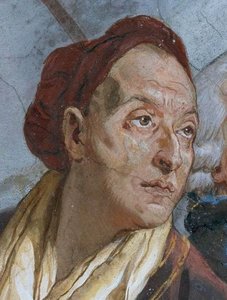
ジャン・バッティスタ・ティエポロ
1696 - 1770 , イタリア
基本情報
- Artistic Movement Or Style: ロココ
- Artists Or Movements Influenced By This Artist: ['バロック']
- Artists Who Influenced This Artist: ['ニコラ・フレミエ']
- Date Of Birth: 1696年、イタリア・ヴェネツィア
- Date Of Death: 1770年、スペイン・マドリード
- Full Name: ジョヴァンニ・バッティスタ・ティエポロ
- Nationality: イタリア人
- Notable Artworks (List Of Titles):
- 聖母被昇天
- 若い弓を持つ男
- Place Of Birth (City And Country): イタリア・ヴェネツィア
関連記事

The Enduring Legacy of Fresco: Technique, History & Artistic Expression Across Cultures
Explore the rich history & enduring legacy of fresco painting! Discover ancient techniques, Giotto's masterpieces, and modern applications. Expert insights for art lovers & professionals.
Celestial Messengers: Angels in Painting – A Historical & Artistic Exploration
Explore the captivating history of angels in painting! Discover symbolism, iconic Renaissance & Byzantine masterpieces, and renowned artists. Expert insights for art lovers & collectors at ArtsDot.

家族の遺産を壁画で彩る:伝統技法が紡ぐ、時を超越する美と記憶
古代から現代までの壁画の歴史と技法を解説。日本の壁画文化やカスタムオーダーによる家族の遺産表現、保存・修復技術まで網羅。専門家が時を超越する美と記憶を紡ぐ芸術的価値をご案内します。
Giambattista Tiepolo: A Rococo Master's Legacy of Light & Illusion
Explore the captivating world of Giambattista Tiepolo, master of Rococo art. Discover his innovative techniques, iconic frescoes, and lasting influence on Italian painting. A guide for discerning collectors.

The Enduring Legacy of Fresco Painting: Techniques, History & Contemporary Relevance
Explore the rich history & enduring artistry of fresco painting – from Giotto to Michelangelo! Discover techniques, conservation efforts, & modern applications. Learn how ArtsDot brings this timeless art form to your home.