 プレビュー
プレビュー
 プリントを購入
 シェアする
シェアする シェアする
シェアする
 詳細を見る
詳細を見る

 ダウンロード
 似ている作品
 X線調査
X線調査 スライドショー
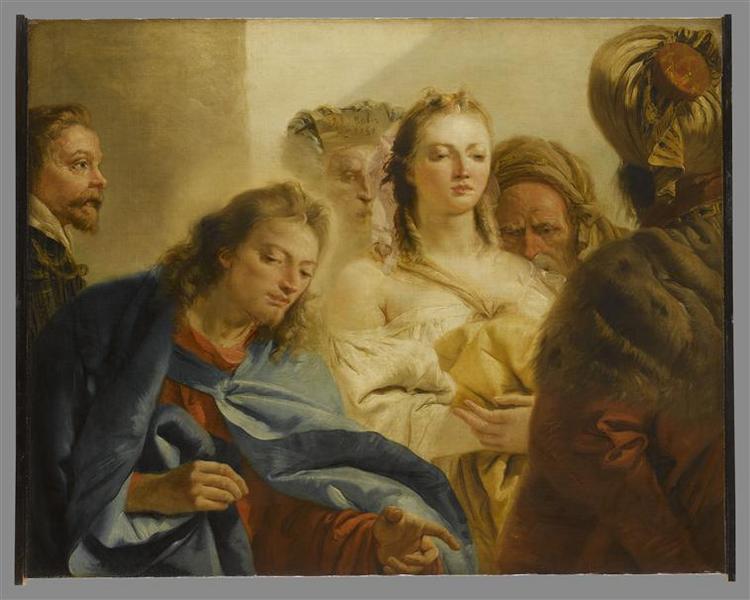
LE CHRIST ET LA FEMME ADULTERE


 詳細を見る
詳細を見る




P118B $10

P118H $10

P118W $10

P438Z $10

P508JH $12

P508YH $12

P805H $10

P805Z $10

P919BZ $10

P919G $10

P919XJ $10

P959ZH $10

P968JZ $12

W106C $8

W218G $10

W218JH $8

W218Y $10

W307PJ $10

W316G $10

W316PJ $8

W316Y $10

W398PJ $8

W4111J $10

W500HY $15

W500JH $15

W692G $12

W849H $8

W940BG $15

W953PJ $8




作品のオリジナル比率に合わせた、当店の規定サイズからお選びください。

特定のフレームやスペースに合わせて、ご希望のサイズをご入力いただけます。選択されたサイズが元の画像の比率と異なる場合、アートワークをトリミングするか、手描きで要素を追加して絵画を拡張いたします。デジタルモックアップ を制作し、制作開始前にご確認(承認)をいただきます。
画面上のプレビューは、実際のトリミングや拡張を正確に反映しているものではありません。最終的な構図は、モックアップによってのみ正確にご確認いただけます。
カスタムサイズもご利用いただけますが、元の比率を維持するためには、あらかじめ用意されたリストからサイズを選択することをお勧めいたします。
ご注文後、ArtsDot.com チームより詳細な指示をお送りするとともに、仕上がりイメージ(モックアップ)をご提供いたします。


 ガラスオプションは、110cm未満のサイズでのみご利用いただけます。

LE CHRIST ET LA FEMME ADULTERE
複製技法
複製画のサイズ
-


合計金額
$ 388
A Dramatic Confrontation: Giandomenico Tiepolo’s “Le Christ et la Femme Adultère”
Giandomenico Tiepolo's "Le Christ et la femme adultère," painted around 1753, is not merely a depiction of a biblical scene; it’s a visceral exploration of morality, judgment, and the complexities of human fallibility. Within the confines of the Louvre’s collection, this monumental canvas commands attention with its dynamic composition, masterful use of light and shadow, and profound emotional resonance – hallmarks of the Baroque style at its most compelling. It's a painting that invites contemplation long after the initial viewing, prompting questions about faith, forgiveness, and the enduring struggle between good and evil.
The scene unfolds within what appears to be a grand, yet somewhat austere, courtyard or portico – an architectural setting carefully chosen to heighten the drama. Tiepolo masterfully arranges his figures in a tightly packed tableau, creating a sense of urgency and claustrophobia that mirrors the emotional turmoil at the heart of the narrative. At the center stands Jesus Christ, not as a serene figure of divine authority, but as a man grappling with an agonizing decision. His hand firmly holds a stone – a potent symbol of judgment, yet he hesitates to deliver it, demonstrating a profound mercy and challenging conventional interpretations of biblical law. Facing him is the woman caught in adultery, her posture conveying a mixture of shame, vulnerability, and a desperate plea for understanding. The surrounding figures—some pointing accusingly, others observing with detached curiosity – further amplify the tension and underscore the multifaceted nature of human response to transgression.
Baroque Drama: Light, Shadow, and Emotional Intensity
Tiepolo’s signature Baroque technique is immediately evident in the painting's dramatic use of chiaroscuro. Strong contrasts between light and shadow sculpt the figures, emphasizing their forms and drawing the viewer’s eye to key moments within the scene. The light, originating from an unseen source, washes over Jesus and the woman, bathing them in a golden glow that suggests hope and potential redemption. Conversely, other characters are shrouded in darkness, representing condemnation and moral disapproval. This skillful manipulation of light not only creates visual interest but also serves to heighten the emotional impact of the narrative, conveying a sense of urgency and spiritual weight.
The artist’s brushwork is loose and expressive, contributing significantly to the painting's dynamism. Visible strokes create a sense of movement and energy, particularly in the drapery and the gestures of the figures. Layers of paint are evident, revealing the meticulous process involved in creating this complex composition. The color palette leans towards warm earth tones – ochre, brown, terracotta – contrasted by cooler blues and creams used to highlight key elements like Jesus’s robe and the woman's garments. Strategic use of red accents—particularly on the drapery and faces—adds a touch of intensity and draws attention to moments of heightened emotion.
Symbolism and Historical Context
“Le Christ et la Femme Adultère” is rooted in the Gospel of John (8:1-11), but Tiepolo transcends a simple retelling of the story. The scene represents a pivotal moment in Jesus’s ministry – his refusal to condemn the woman, choosing instead to offer forgiveness and mercy. This act challenges societal norms and exposes the hypocrisy inherent in applying rigid legalistic interpretations of morality. The painting reflects the broader intellectual currents of the 18th century, which questioned established religious doctrines and emphasized human reason and compassion. Furthermore, it’s important to note that Tiepolo was working within the context of the Rococo period, a style known for its opulence and theatricality – qualities he skillfully integrates into this powerful depiction of faith and judgment.
A Legacy of Dramatic Narrative
Giandomenico Tiepolo’s “Le Christ et la femme adultère” stands as a testament to the enduring power of Baroque art. Its dramatic composition, masterful use of light and shadow, and profound exploration of moral themes continue to resonate with viewers today. The painting's influence can be seen in subsequent works by artists who sought to capture the intensity and emotional depth of religious narratives. Reproductions of this masterpiece offer a window into a pivotal moment in Christian history, inviting us to contemplate the complexities of human nature and the transformative power of compassion.
関連作品



アーティストの略歴
The Venetian Legacy of Giandomenico Tiepolo
In the luminous heart of eighteenth-century Venice, a period defined by the decadent splendor of the Rococo, Giandomenico Tiepolo emerged as a master of both grand spectacle and intimate human drama. Born in 1727, his life was inextricably woven into the fabric of one of art history's most formidable dynasties. As the son of the legendary Giovanni Battista Tiepolo, Giandomenico did not merely inherit a name; he inherited a visual language of light, movement, and theatricality. While much of his early career was spent in the shadow of his father’s monumental frescoes, Giandomenico possessed a singular creative spirit that allowed him to transcend mere imitation, eventually carving out a niche that blended the epic scale of his lineage with a poignant, often satirical, observation of Venetian life.
The formative years of Tiepolo’s development were characterized by a profound apprenticeship within the very workshops that decorated the palaces of Europe. Working alongside his father on ambitious projects, such as the breathtaking frescoes in Würzburg, Giandomenico mastered the technical complexities of large-scale composition and the innovative "oil sketch" technique. This method, which allowed for a more fluid and spontaneous capture of emotion, became a cornerstone of his approach. Through these collaborations, he learned to manipulate light to create depth and drama, yet he also began to develop an interest in much smaller, more delicate subjects that departed from the heroic myths favored by the previous generation.
A Mastery of Movement and Character
As his artistic identity matured, Giandomenico’s work began to exhibit a fascinating duality. On one hand, he maintained the grand tradition of Venetian decorative art, contributing significantly to opulent interiors like those found in Vicenza’s Villa Valmarana. On the other hand, he turned his gaze toward the streets and theaters of Venice, finding inspiration in the Commedia dell'arte. It is within this realm that his most enduring and evocative imagery resides—specifically his celebrated series featuring Punchinello. Through these characters, Tiepolo moved away from the divine and the mythological to explore the whimsical, the grotesque, and the deeply human.
His technical prowess was not limited to the brush; he was also a gifted etcher, using the medium to explore fine lines and atmospheric textures. This versatility allowed him to capture a wide spectrum of themes:
- Religious Devotion: Works such as The Agony in the Garden demonstrate his ability to handle profound spiritual tension with classical grace.
- Architectural Fantasies: His depictions of imaginary structures, like the View of the Gothic Pavilion, showcase a mastery of perspective and a romanticized vision of architectural grandeur.
- Social Satire: Through his etchings, he captured the fleeting, often melancholic essence of Venetian society, using masks and puppets to mirror the complexities of human identity.
Historical Significance and Enduring Spirit
The historical significance of Giandomenico Tiepolo lies in his role as a bridge between the soaring heights of the Baroque-Rococo era and the more introspective, observational styles that would follow. While he carried the torch of his father's monumentalism, he also anticipated the shift toward a more psychological and social realism. His ability to oscillate between the epic scale of a palace fresco and the intimate wit of a character study makes his oeuvre a unique window into the soul of late eighteenth-century Venice.
Ultimately, Tiepolo’s legacy is one of profound adaptability and emotional depth. He did not simply replicate the glory of the past; he reinterpreted it through a lens of contemporary observation. Whether through the sweeping narratives of his early training or the biting, beautiful etchings of his later years, Giandomenico Tiepolo remains a vital figure whose work continues to captivate with its blend of theatrical magic and tender humanity.
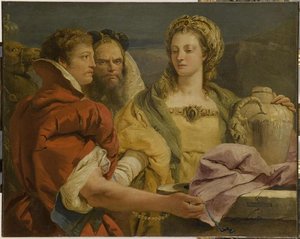
Giandomenico Tiepolo
1727 - 1804
基本情報
- Artistic Movement Or Style: Rococo
- Artists Or Movements Influenced By This Artist: ['Venetian Baroque']
- Artists Who Influenced This Artist: ['Giovanni Battista Tiepolo']
- Date Of Birth: 1727
- Date Of Death: 1804
- Full Name: Giandomenico Tiepolo
- Nationality: Italian
- Notable Artworks:
- The Agony in the Garden
- Untitled (AQR3XQ)
- St. Ambrosius Addressing St. Augustine
- Place Of Birth: Venice, Italy
関連記事

バロックのドラマ:現代のインテリアに壮麗さと情感を取り込む
バロック様式の歴史、絵画、家具の魅力をご紹介。ArtsDotでは、高品質な油絵複製やカスタムポートレートをご提供し、現代のインテリアに壮麗さと情感を取り入れます。アートコンサルテーションも承ります。

The Enduring Power of Painting: A Historical & Contemporary Exploration of Form and Emotion
Explore the rich history & enduring techniques of oil painting with ArtsDot. Discover masterpieces, learn about art collecting, and find authentic handmade reproductions crafted by skilled artists.

The Dramatic Flourish: Exploring the Baroque Movement's Enduring Legacy in Art History
Explore the dramatic world of Baroque art! Discover iconic artists like Caravaggio & Rubens, defining techniques, and its lasting impact on art history. Expert insights for collectors & enthusiasts at ArtsDot.

バロック美術を極めた至宝:時代を彩る10大名作の世界
バロック美術の華!カラヴァッジョ、ベルニーニら巨匠が創り上げた10大名作を徹底解剖。ドラマチックな色彩と豪華絢爛の世界観に触れ、至宝のアートプリントで空間を彩ろう。ArtsDot.comで美術館品質の複製と洗練されたインテリアを見つけましょう!

The Visceral Stage: Exploring Dramatic Narratives & Emotional Intensity in Baroque Art
Explore the dramatic world of Baroque art! Discover iconic masters like Caravaggio & Rembrandt, their techniques, and the movement's lasting impact. Expert insights for collectors & enthusiasts at ArtsDot.