

 プレビュー
プレビュー
 プリントを購入
 シェアする
シェアする シェアする
シェアする
 詳細を見る
詳細を見る

 ダウンロード
 似ている作品
 X線調査
X線調査 スライドショー
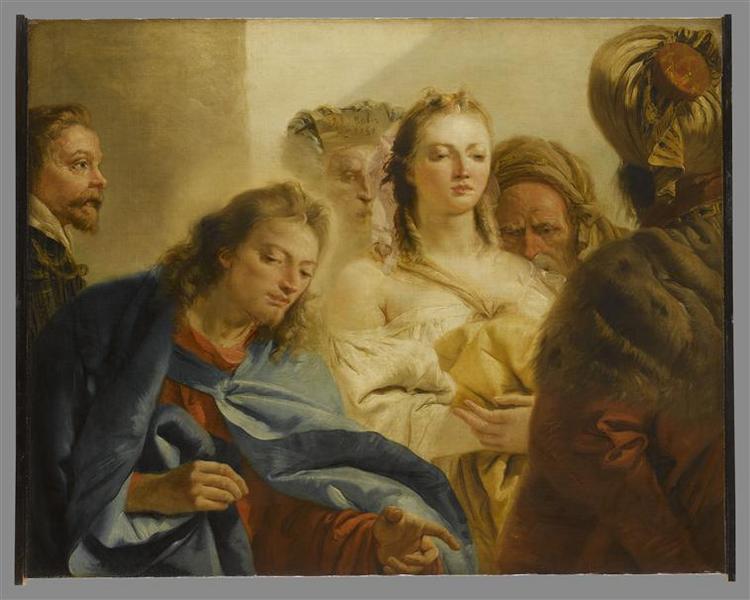
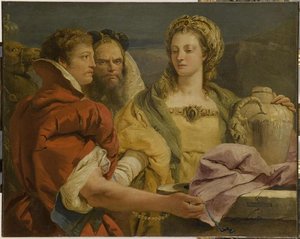
LE CHRIST ET LA FEMME ADULTERE


 詳細を見る
詳細を見る
オンラインプレビューをはるかに凌ぐ、高解像度で鮮明なデジタル画像をご購入いただけます。
各ファイルは、社内の専門家が高度なツールと熟練した手作業によるレタッチを用いて、細心の注意を払って準備されています。すべての画像において、卓越した鮮明度、正確な色彩再現性、そして繊細なディテールを保証いたします。
最終ファイルは、プロフェッショナルな編集・印刷環境ですぐにご利用いただけるよう最適化された状態で、72時間以内にメールにてお届けいたします。これは、一流のデザインスタジオ、出版社、ギャラリーから信頼されているものと同等の品質です。
デジタル画像のご注文に付随する特典
高品質なデジタル画像配信を、確かな品質で。
ArtsDot.com を選ぶことは、単に画像を手に入れることではありません。それは、プロの手によって精密に仕上げられ、満足保証が付いた高品質なデジタルアートワークを受け取ることを意味します。ご注文いただいた際に自動的に付随する内容は、以下の通りです:

メールですぐにお届け
ご注文から72時間以内に、高解像度のデジタル画像ファイルがメールでお手元に届きます。すぐにそのままご利用いただけます。

AI技術で最適化されたデジタルファイル
お客様の作品は、高度なAIツールと専門家による手作業の編集を組み合わせてプロフェッショナルに最適化されており、細部のディテール、鮮明さ、そして正確な色再現性を最大限に引き出しています。

一生涯無料の再送サービス
ファイルを誤って削除したり、紛失してしまったりしましたか?ご安心ください。いつでも無料で再送いたします。

輸入手数料は一切かかりません
関税や手数料、配送料を気にすることなく、お気に入りのアートワークをすぐにお楽しみいただけます。デジタルダウンロードは常に免税です。

色彩再現の保証
プロ仕様のツールとカラーマネジメント技術を用いることで、デジタル画像が元の色を最大限に忠実に再現することを保証いたします。

100日間満足保証
ご購入いただいたデジタル画像にご満足いただけない場合は、100日以内であれば、修正または100%の返金(理由を問う必要はありません)をさせていただきます。

100% 返金保証
ご満足いただけない場合は、デジタルファイルを受け取ってから100日以内であれば、理由を問わず全額返金いたします。

まとめ買い割引
3枚購入で10%OFF - 5枚購入で15%OFF - 10枚以上購入で20%OFF。クリエイティブなプロジェクト、ギャラリー、エージェンシーに最適です。
A Dramatic Confrontation: Giandomenico Tiepolo’s “Le Christ et la Femme Adultère”
Giandomenico Tiepolo's "Le Christ et la femme adultère," painted around 1753, is not merely a depiction of a biblical scene; it’s a visceral exploration of morality, judgment, and the complexities of human fallibility. Within the confines of the Louvre’s collection, this monumental canvas commands attention with its dynamic composition, masterful use of light and shadow, and profound emotional resonance – hallmarks of the Baroque style at its most compelling. It's a painting that invites contemplation long after the initial viewing, prompting questions about faith, forgiveness, and the enduring struggle between good and evil.
The scene unfolds within what appears to be a grand, yet somewhat austere, courtyard or portico – an architectural setting carefully chosen to heighten the drama. Tiepolo masterfully arranges his figures in a tightly packed tableau, creating a sense of urgency and claustrophobia that mirrors the emotional turmoil at the heart of the narrative. At the center stands Jesus Christ, not as a serene figure of divine authority, but as a man grappling with an agonizing decision. His hand firmly holds a stone – a potent symbol of judgment, yet he hesitates to deliver it, demonstrating a profound mercy and challenging conventional interpretations of biblical law. Facing him is the woman caught in adultery, her posture conveying a mixture of shame, vulnerability, and a desperate plea for understanding. The surrounding figures—some pointing accusingly, others observing with detached curiosity – further amplify the tension and underscore the multifaceted nature of human response to transgression.
Baroque Drama: Light, Shadow, and Emotional Intensity
Tiepolo’s signature Baroque technique is immediately evident in the painting's dramatic use of chiaroscuro. Strong contrasts between light and shadow sculpt the figures, emphasizing their forms and drawing the viewer’s eye to key moments within the scene. The light, originating from an unseen source, washes over Jesus and the woman, bathing them in a golden glow that suggests hope and potential redemption. Conversely, other characters are shrouded in darkness, representing condemnation and moral disapproval. This skillful manipulation of light not only creates visual interest but also serves to heighten the emotional impact of the narrative, conveying a sense of urgency and spiritual weight.
The artist’s brushwork is loose and expressive, contributing significantly to the painting's dynamism. Visible strokes create a sense of movement and energy, particularly in the drapery and the gestures of the figures. Layers of paint are evident, revealing the meticulous process involved in creating this complex composition. The color palette leans towards warm earth tones – ochre, brown, terracotta – contrasted by cooler blues and creams used to highlight key elements like Jesus’s robe and the woman's garments. Strategic use of red accents—particularly on the drapery and faces—adds a touch of intensity and draws attention to moments of heightened emotion.
Symbolism and Historical Context
“Le Christ et la Femme Adultère” is rooted in the Gospel of John (8:1-11), but Tiepolo transcends a simple retelling of the story. The scene represents a pivotal moment in Jesus’s ministry – his refusal to condemn the woman, choosing instead to offer forgiveness and mercy. This act challenges societal norms and exposes the hypocrisy inherent in applying rigid legalistic interpretations of morality. The painting reflects the broader intellectual currents of the 18th century, which questioned established religious doctrines and emphasized human reason and compassion. Furthermore, it’s important to note that Tiepolo was working within the context of the Rococo period, a style known for its opulence and theatricality – qualities he skillfully integrates into this powerful depiction of faith and judgment.
A Legacy of Dramatic Narrative
Giandomenico Tiepolo’s “Le Christ et la femme adultère” stands as a testament to the enduring power of Baroque art. Its dramatic composition, masterful use of light and shadow, and profound exploration of moral themes continue to resonate with viewers today. The painting's influence can be seen in subsequent works by artists who sought to capture the intensity and emotional depth of religious narratives. Reproductions of this masterpiece offer a window into a pivotal moment in Christian history, inviting us to contemplate the complexities of human nature and the transformative power of compassion.
関連作品

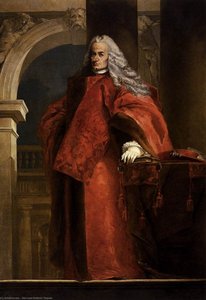
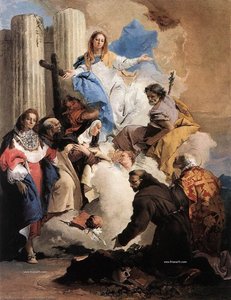
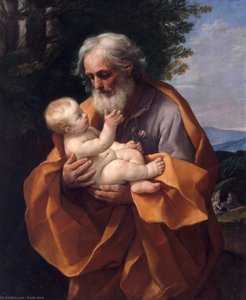


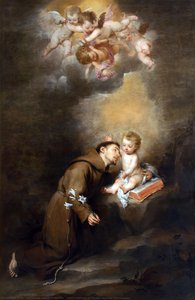
作家の略歴
The Venetian Legacy of Giandomenico Tiepolo
In the luminous heart of eighteenth-century Venice, a period defined by the decadent splendor of the Rococo, Giandomenico Tiepolo emerged as a master of both grand spectacle and intimate human drama. Born in 1727, his life was inextricably woven into the fabric of one of art history's most formidable dynasties. As the son of the legendary Giovanni Battista Tiepolo, Giandomenico did not merely inherit a name; he inherited a visual language of light, movement, and theatricality. While much of his early career was spent in the shadow of his father’s monumental frescoes, Giandomenico possessed a singular creative spirit that allowed him to transcend mere imitation, eventually carving out a niche that blended the epic scale of his lineage with a poignant, often satirical, observation of Venetian life.
The formative years of Tiepolo’s development were characterized by a profound apprenticeship within the very workshops that decorated the palaces of Europe. Working alongside his father on ambitious projects, such as the breathtaking frescoes in Würzburg, Giandomenico mastered the technical complexities of large-scale composition and the innovative "oil sketch" technique. This method, which allowed for a more fluid and spontaneous capture of emotion, became a cornerstone of his approach. Through these collaborations, he learned to manipulate light to create depth and drama, yet he also began to develop an interest in much smaller, more delicate subjects that departed from the heroic myths favored by the previous generation.
A Mastery of Movement and Character
As his artistic identity matured, Giandomenico’s work began to exhibit a fascinating duality. On one hand, he maintained the grand tradition of Venetian decorative art, contributing significantly to opulent interiors like those found in Vicenza’s Villa Valmarana. On the other hand, he turned his gaze toward the streets and theaters of Venice, finding inspiration in the Commedia dell'arte. It is within this realm that his most enduring and evocative imagery resides—specifically his celebrated series featuring Punchinello. Through these characters, Tiepolo moved away from the divine and the mythological to explore the whimsical, the grotesque, and the deeply human.
His technical prowess was not limited to the brush; he was also a gifted etcher, using the medium to explore fine lines and atmospheric textures. This versatility allowed him to capture a wide spectrum of themes:
- Religious Devotion: Works such as The Agony in the Garden demonstrate his ability to handle profound spiritual tension with classical grace.
- Architectural Fantasies: His depictions of imaginary structures, like the View of the Gothic Pavilion, showcase a mastery of perspective and a romanticized vision of architectural grandeur.
- Social Satire: Through his etchings, he captured the fleeting, often melancholic essence of Venetian society, using masks and puppets to mirror the complexities of human identity.
Historical Significance and Enduring Spirit
The historical significance of Giandomenico Tiepolo lies in his role as a bridge between the soaring heights of the Baroque-Rococo era and the more introspective, observational styles that would follow. While he carried the torch of his father's monumentalism, he also anticipated the shift toward a more psychological and social realism. His ability to oscillate between the epic scale of a palace fresco and the intimate wit of a character study makes his oeuvre a unique window into the soul of late eighteenth-century Venice.
Ultimately, Tiepolo’s legacy is one of profound adaptability and emotional depth. He did not simply replicate the glory of the past; he reinterpreted it through a lens of contemporary observation. Whether through the sweeping narratives of his early training or the biting, beautiful etchings of his later years, Giandomenico Tiepolo remains a vital figure whose work continues to captivate with its blend of theatrical magic and tender humanity.
Giandomenico Tiepolo
1727 - 1804
プロフィール概要
- Artistic Movement Or Style: Rococo
- Artists Or Movements Influenced By This Artist: ['Venetian Baroque']
- Artists Who Influenced This Artist: ['Giovanni Battista Tiepolo']
- Date Of Birth: 1727
- Date Of Death: 1804
- Full Name: Giandomenico Tiepolo
- Nationality: Italian
- Notable Artworks:
- The Agony in the Garden
- Untitled (AQR3XQ)
- St. Ambrosius Addressing St. Augustine
- Place Of Birth: Venice, Italy