

 プレビュー
プレビュー
 シェアする
シェアする シェアする
シェアする
 詳細を見る
詳細を見る

 ダウンロード
 似ている作品
 X線調査
X線調査 スライドショー
 統計情報
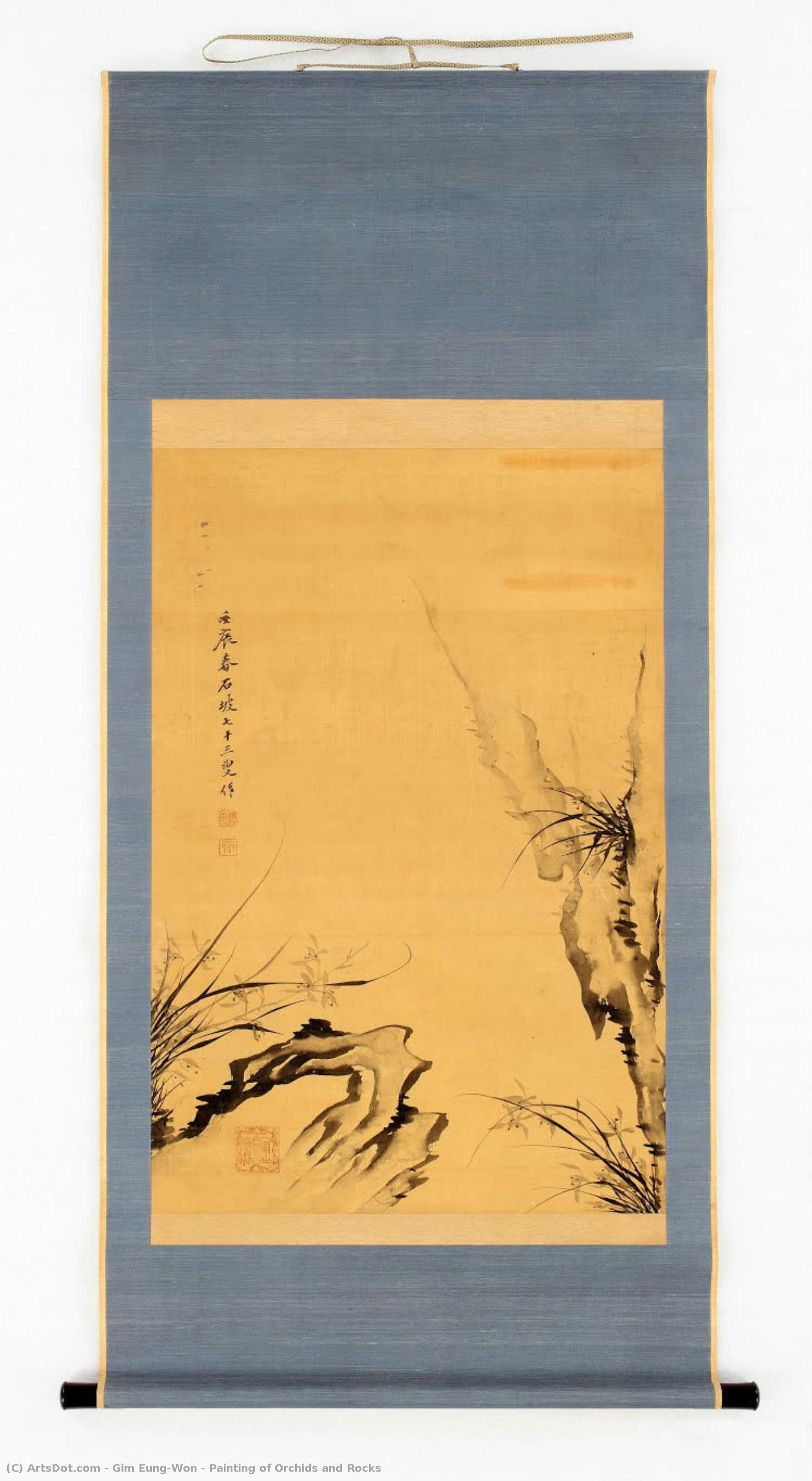
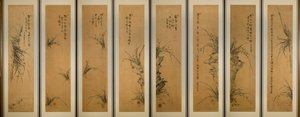
統計情報Painting of Orchids and Rocks


 詳細を見る
詳細を見る
手描き油彩複製画
当社のアーティストが、お客様のご希望のサイズと額縁に合わせて、キャンバスに手描きで制作する油彩画です。 ( プリント版に切り替え デジタル画像販売へ切り替え)




































作品のオリジナル比率に合わせた、当店の規定サイズからお選びください。

特定のフレームやスペースに合わせて、ご希望のサイズをご入力いただけます。選択されたサイズが元の画像の比率と異なる場合、アートワークをトリミングするか、手描きで要素を追加して絵画を拡張いたします。デジタルモックアップ を制作し、制作開始前にご確認(承認)をいただきます。
画面上のプレビューは、実際のトリミングや拡張を正確に反映しているものではありません。最終的な構図は、モックアップによってのみ正確にご確認いただけます。
カスタムサイズもご利用いただけますが、元の比率を維持するためには、あらかじめ用意されたリストからサイズを選択することをお勧めいたします。
ご注文後、ArtsDot.com チームより詳細な指示をお送りするとともに、仕上がりイメージ(モックアップ)をご提供いたします。


 ガラスオプションは、110cm未満のサイズでのみご利用いただけます。

Painting of Orchids and Rocks
複製技法
複製画のサイズ
-


合計金額
$ 263
関連作品

アーティストの略歴
Gustave Courbet: A Revolutionary Vision of Reality
Born in Ornans, France, in 1819, Gustave Courbet’s life and artistic journey were inextricably linked to a profound desire to dismantle the established conventions of art. His early years, marked by a rebellious spirit fostered within an anti-monarchical household, laid the groundwork for his later rejection of academic traditions and his unwavering commitment to portraying the world as he saw it – unidealized, honest, and profoundly real. Courbet wasn’t simply painting; he was challenging the very definition of what constituted art, forging a path toward Realism that would irrevocably alter the course of 19th-century French painting.
Initially, Courbet's artistic pursuits centered around lithography, a technique that allowed him to explore themes and subjects with a level of detail and precision. However, he soon gravitated towards oil paint, dedicating himself to capturing the essence of everyday life – the laborers, the peasants, the landscapes of his native region. His early works, such as “The Stone Breakers” (1849), immediately garnered attention and controversy for their unflinching depiction of rural poverty and labor. Unlike the romanticized portrayals favored by many of his contemporaries, Courbet presented a stark and unvarnished view of working-class life, challenging the prevailing social hierarchies and artistic norms.
The rejection of “The Stone Breakers” from the official Salon exhibition in 1850 proved to be a pivotal moment. Rather than succumbing to discouragement, Courbet responded with audacious determination, organizing his own independent exhibition – the “Pavilion of Realism” – alongside the established Salon. This bold move signaled a complete rejection of the Salon’s authority and demonstrated Courbet's unwavering belief in his artistic vision. The exhibition, featuring works like "L'Atelier du Peintre" (The Painter's Studio), sparked both admiration and outrage, cementing Courbet’s reputation as a radical innovator.
The Painter’s Studio: A Complex Allegory
"The Painter’s Studio," completed in 1855, stands as perhaps Courbet’s most ambitious and enigmatic work. Measuring an impressive 12 feet tall by nearly 20 feet wide, the painting is a sprawling allegory that simultaneously depicts the artist at work and explores themes of labor, creativity, and social class. At the center of the composition stands Gustave Courbet himself, meticulously applying paint to a landscape scene – a representation of his hometown of Ornans. Around him are figures representing various aspects of the artistic process: a model posing for the portrait, a young boy assisting with the mixing of pigments, and a woman engaged in sewing, presumably creating the drapery for the painting.
The symbolism within “The Painter’s Studio” is layered and open to interpretation. The presence of the nude woman, often interpreted as a muse or an embodiment of artistic inspiration, contrasts sharply with the rough-hewn clothing of the other figures, highlighting the disparity between the idealized world of art and the realities of everyday life. The inclusion of the young boy, dressed in rags, serves as a poignant reminder of the social inequalities prevalent at the time. Courbet deliberately blurred the lines between reality and allegory, creating a work that is both a straightforward depiction of his studio and a complex commentary on the nature of art and society.
Themes and Influences
Courbet’s artistic vision was profoundly shaped by several key influences. The Realist movement, which sought to depict subjects truthfully without idealization or romantic embellishment, served as a foundational influence. He drew inspiration from the works of artists like Jean-François Millet, whose paintings of rural laborers offered a starkly realistic portrayal of peasant life. Furthermore, Courbet’s travels throughout Europe exposed him to diverse artistic traditions and landscapes, enriching his visual vocabulary and broadening his understanding of the world.
However, Courbet was not simply a follower of Realist principles; he pushed the boundaries of the movement, incorporating elements of Symbolism and exploring themes of social justice. His paintings often served as vehicles for expressing political and social commentary, challenging the established order and advocating for the rights of the marginalized. His commitment to portraying the world as he saw it – with all its imperfections and contradictions – made him a controversial figure but also one of the most important artists of his time.
Legacy and Historical Significance
Despite facing criticism and rejection throughout his career, Gustave Courbet’s legacy is immense. He played a crucial role in establishing Realism as a dominant force in 19th-century French painting, paving the way for subsequent artistic movements such as Impressionism and Post-Impressionism. His willingness to challenge convention, his unwavering commitment to portraying the world truthfully, and his exploration of complex social themes continue to resonate with artists and viewers today.
Courbet’s influence extends beyond the realm of painting; he fundamentally altered the way art was conceived and produced. By rejecting academic traditions and embracing a more democratic approach to subject matter, he demonstrated that art could be a powerful tool for social commentary and personal expression. His work remains a testament to the transformative power of artistic vision and the enduring importance of challenging established norms.
gim eung-won
1855 - 1921 , South Korea
基本情報
- Artistic Movement Or Style: Realism
- Artists Or Movements Influenced By This Artist:
- Impressionists
- Cubists
- Artists Who Influenced This Artist:
- Jean-François Millet
- Gustave Doré
- Date Of Birth: 1855
- Date Of Death: 1921
- Full Name: Jean Désiré Gustave Courbet
- Nationality: French
- Notable Artworks:
- The Painter’s Studio
- Bonjour Monsieur Courbet
- The Death of Moses
- Place Of Birth: Ornans, France