

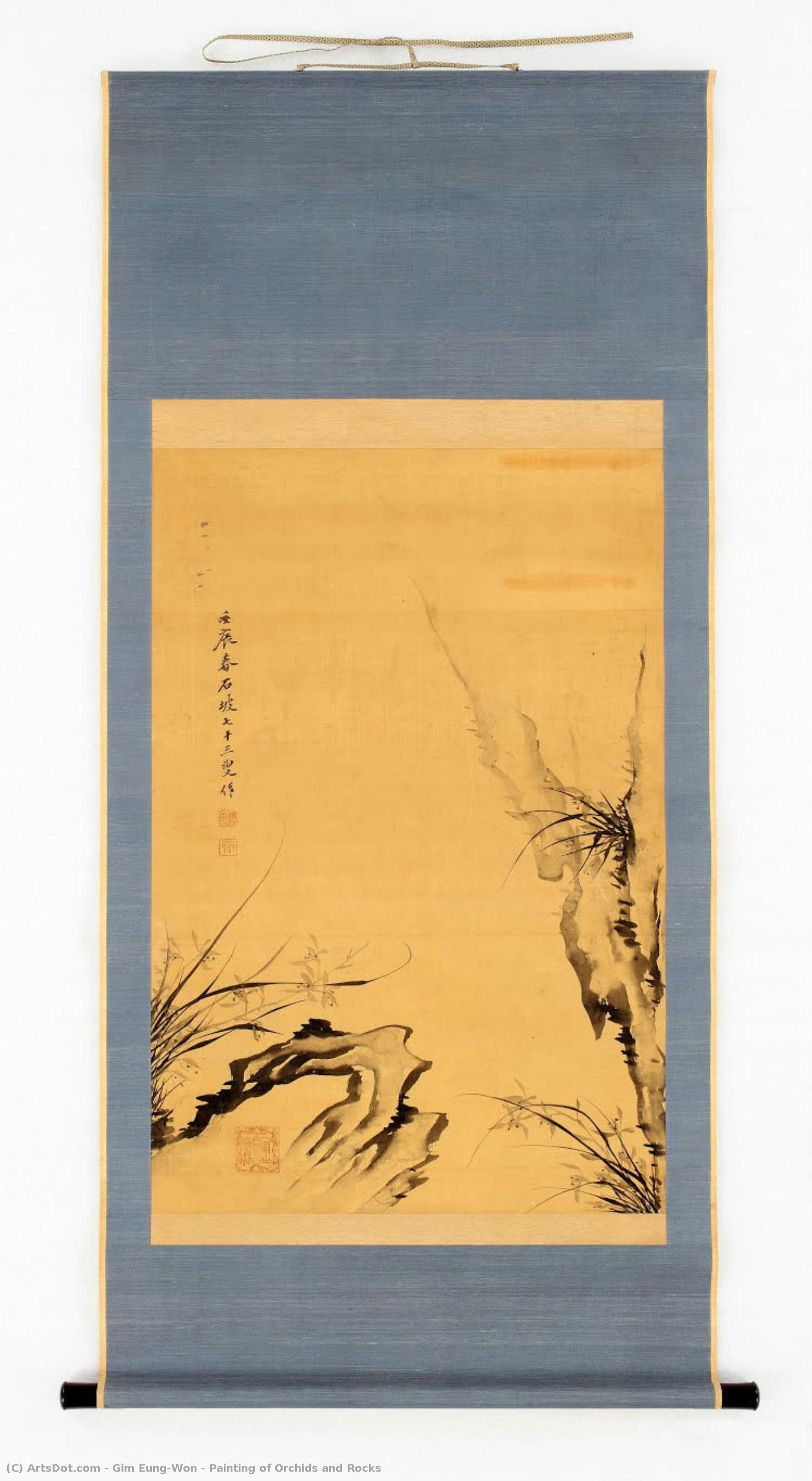
 プレビュー
プレビュー
 シェアする
シェアする シェアする
シェアする
 詳細を見る
詳細を見る

 ダウンロード
 似ている作品
 X線調査
X線調査 スライドショー
 統計情報
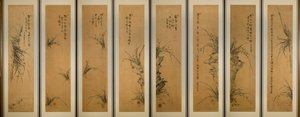
統計情報Painting of Orchids and Rocks


 詳細を見る
詳細を見る
オンラインプレビューをはるかに凌ぐ、高解像度で鮮明なデジタル画像をご購入いただけます。
各ファイルは、社内の専門家が高度なツールと熟練した手作業によるレタッチを用いて、細心の注意を払って準備されています。すべての画像において、卓越した鮮明度、正確な色彩再現性、そして繊細なディテールを保証いたします。
最終ファイルは、プロフェッショナルな編集・印刷環境ですぐにご利用いただけるよう最適化された状態で、72時間以内にメールにてお届けいたします。これは、一流のデザインスタジオ、出版社、ギャラリーから信頼されているものと同等の品質です。
デジタルアート
個人での鑑賞、印刷、クリエイティブなプロジェクト用に、高解像度ファイルをダウンロードできます。 ( プリント版に切り替え 手描きの絵画を購入)
デジタル画像のご注文に付随する特典
高品質なデジタル画像配信を、確かな品質で。
ArtsDot.com を選ぶことは、単に画像を手に入れることではありません。それは、プロの手によって精密に仕上げられ、満足保証が付いた高品質なデジタルアートワークを受け取ることを意味します。ご注文いただいた際に自動的に付随する内容は、以下の通りです:

メールですぐにお届け
ご注文から72時間以内に、高解像度のデジタル画像ファイルがメールでお手元に届きます。すぐにそのままご利用いただけます。

AI技術で最適化されたデジタルファイル
お客様の作品は、高度なAIツールと専門家による手作業の編集を組み合わせてプロフェッショナルに最適化されており、細部のディテール、鮮明さ、そして正確な色再現性を最大限に引き出しています。

一生涯無料の再送サービス
ファイルを誤って削除したり、紛失してしまったりしましたか?ご安心ください。いつでも無料で再送いたします。

輸入手数料は一切かかりません
関税や手数料、配送料を気にすることなく、お気に入りのアートワークをすぐにお楽しみいただけます。デジタルダウンロードは常に免税です。

色彩再現の保証
プロ仕様のツールとカラーマネジメント技術を用いることで、デジタル画像が元の色を最大限に忠実に再現することを保証いたします。

100日間満足保証
ご購入いただいたデジタル画像にご満足いただけない場合は、100日以内であれば、理由を問わず修正または100%の返金対応をさせていただきます。

100% 返金保証
ご満足いただけない場合は、デジタルファイルを受け取ってから100日以内であれば、理由を問わず全額返金いたします。

まとめ買い割引
3枚購入で10%OFF - 5枚購入で15%OFF - 10枚以上購入で20%OFF。クリエイティブなプロジェクト、ギャラリー、エージェンシーに最適です。
関連作品



作家の略歴
Gustave Courbet: A Revolutionary Vision of Reality
Born in Ornans, France, in 1819, Gustave Courbet’s life and artistic journey were inextricably linked to a profound desire to dismantle the established conventions of art. His early years, marked by a rebellious spirit fostered within an anti-monarchical household, laid the groundwork for his later rejection of academic traditions and his unwavering commitment to portraying the world as he saw it – unidealized, honest, and profoundly real. Courbet wasn’t simply painting; he was challenging the very definition of what constituted art, forging a path toward Realism that would irrevocably alter the course of 19th-century French painting.
Initially, Courbet's artistic pursuits centered around lithography, a technique that allowed him to explore themes and subjects with a level of detail and precision. However, he soon gravitated towards oil paint, dedicating himself to capturing the essence of everyday life – the laborers, the peasants, the landscapes of his native region. His early works, such as “The Stone Breakers” (1849), immediately garnered attention and controversy for their unflinching depiction of rural poverty and labor. Unlike the romanticized portrayals favored by many of his contemporaries, Courbet presented a stark and unvarnished view of working-class life, challenging the prevailing social hierarchies and artistic norms.
The rejection of “The Stone Breakers” from the official Salon exhibition in 1850 proved to be a pivotal moment. Rather than succumbing to discouragement, Courbet responded with audacious determination, organizing his own independent exhibition – the “Pavilion of Realism” – alongside the established Salon. This bold move signaled a complete rejection of the Salon’s authority and demonstrated Courbet's unwavering belief in his artistic vision. The exhibition, featuring works like "L'Atelier du Peintre" (The Painter's Studio), sparked both admiration and outrage, cementing Courbet’s reputation as a radical innovator.
The Painter’s Studio: A Complex Allegory
"The Painter’s Studio," completed in 1855, stands as perhaps Courbet’s most ambitious and enigmatic work. Measuring an impressive 12 feet tall by nearly 20 feet wide, the painting is a sprawling allegory that simultaneously depicts the artist at work and explores themes of labor, creativity, and social class. At the center of the composition stands Gustave Courbet himself, meticulously applying paint to a landscape scene – a representation of his hometown of Ornans. Around him are figures representing various aspects of the artistic process: a model posing for the portrait, a young boy assisting with the mixing of pigments, and a woman engaged in sewing, presumably creating the drapery for the painting.
The symbolism within “The Painter’s Studio” is layered and open to interpretation. The presence of the nude woman, often interpreted as a muse or an embodiment of artistic inspiration, contrasts sharply with the rough-hewn clothing of the other figures, highlighting the disparity between the idealized world of art and the realities of everyday life. The inclusion of the young boy, dressed in rags, serves as a poignant reminder of the social inequalities prevalent at the time. Courbet deliberately blurred the lines between reality and allegory, creating a work that is both a straightforward depiction of his studio and a complex commentary on the nature of art and society.
Themes and Influences
Courbet’s artistic vision was profoundly shaped by several key influences. The Realist movement, which sought to depict subjects truthfully without idealization or romantic embellishment, served as a foundational influence. He drew inspiration from the works of artists like Jean-François Millet, whose paintings of rural laborers offered a starkly realistic portrayal of peasant life. Furthermore, Courbet’s travels throughout Europe exposed him to diverse artistic traditions and landscapes, enriching his visual vocabulary and broadening his understanding of the world.
However, Courbet was not simply a follower of Realist principles; he pushed the boundaries of the movement, incorporating elements of Symbolism and exploring themes of social justice. His paintings often served as vehicles for expressing political and social commentary, challenging the established order and advocating for the rights of the marginalized. His commitment to portraying the world as he saw it – with all its imperfections and contradictions – made him a controversial figure but also one of the most important artists of his time.
Legacy and Historical Significance
Despite facing criticism and rejection throughout his career, Gustave Courbet’s legacy is immense. He played a crucial role in establishing Realism as a dominant force in 19th-century French painting, paving the way for subsequent artistic movements such as Impressionism and Post-Impressionism. His willingness to challenge convention, his unwavering commitment to portraying the world truthfully, and his exploration of complex social themes continue to resonate with artists and viewers today.
Courbet’s influence extends beyond the realm of painting; he fundamentally altered the way art was conceived and produced. By rejecting academic traditions and embracing a more democratic approach to subject matter, he demonstrated that art could be a powerful tool for social commentary and personal expression. His work remains a testament to the transformative power of artistic vision and the enduring importance of challenging established norms.
gim eung-won
1855 - 1921 , South Korea
プロフィール概要
- Artistic Movement Or Style: Realism
- Artists Or Movements Influenced By This Artist:
- Impressionists
- Cubists
- Artists Who Influenced This Artist:
- Jean-François Millet
- Gustave Doré
- Date Of Birth: 1855
- Date Of Death: 1921
- Full Name: Jean Désiré Gustave Courbet
- Nationality: French
- Notable Artworks:
- The Painter’s Studio
- Bonjour Monsieur Courbet
- The Death of Moses
- Place Of Birth: Ornans, France