

 プレビュー
プレビュー
 プリントを購入
 シェアする
シェアする シェアする
シェアする
 詳細を見る
詳細を見る

 ダウンロード
 似ている作品
 X線調査
X線調査 スライドショー
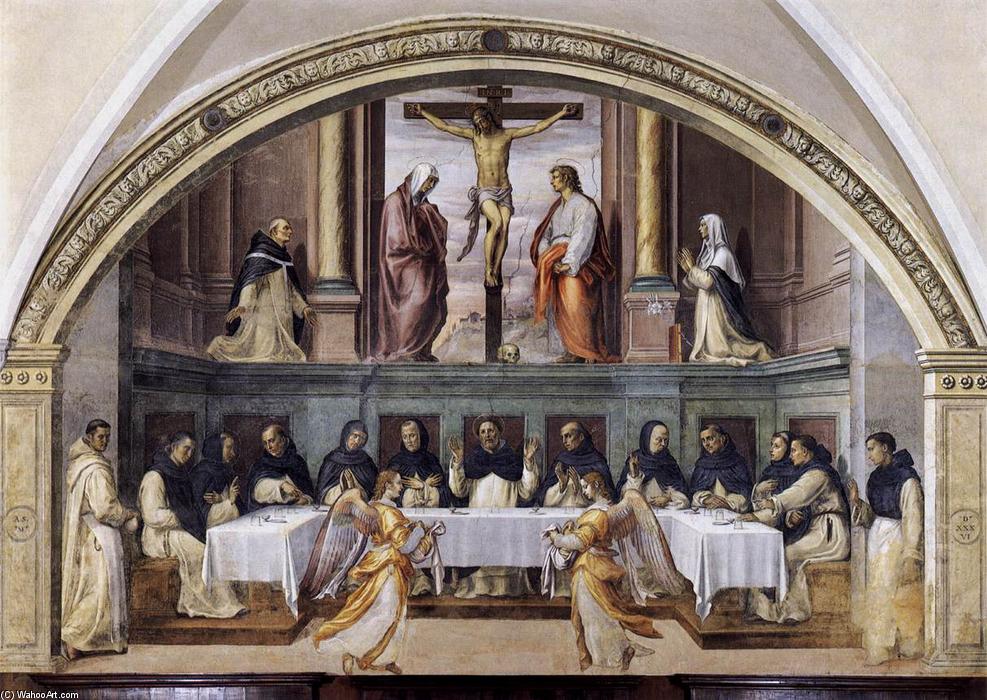
St Dominic and his Friars Fed by Angels


 詳細を見る
詳細を見る
オンラインプレビューをはるかに凌ぐ、高解像度で鮮明なデジタル画像をご購入いただけます。
各ファイルは、社内の専門家が高度なツールと熟練した手作業によるレタッチを用いて、細心の注意を払って準備されています。すべての画像において、卓越した鮮明度、正確な色彩再現性、そして繊細なディテールを保証いたします。
最終ファイルは、プロフェッショナルな編集・印刷環境ですぐにご利用いただけるよう最適化された状態で、72時間以内にメールにてお届けいたします。これは、一流のデザインスタジオ、出版社、ギャラリーから信頼されているものと同等の品質です。
デジタル画像のご注文に付随する特典
高品質なデジタル画像配信を、確かな品質で。
ArtsDot.com を選ぶことは、単に画像を手に入れることではありません。それは、プロの手によって精密に仕上げられ、満足保証が付いた高品質なデジタルアートワークを受け取ることを意味します。ご注文いただいた際に自動的に付随する内容は、以下の通りです:

メールですぐにお届け
ご注文から72時間以内に、高解像度のデジタル画像ファイルがメールでお手元に届きます。すぐにそのままご利用いただけます。

AI技術で最適化されたデジタルファイル
お客様の作品は、高度なAIツールと専門家による手作業の編集を組み合わせてプロフェッショナルに最適化されており、細部のディテール、鮮明さ、そして正確な色再現性を最大限に引き出しています。

一生涯無料の再送サービス
ファイルを誤って削除したり、紛失してしまったりしましたか?ご安心ください。いつでも無料で再送いたします。

輸入手数料は一切かかりません
関税や手数料、配送料を気にすることなく、お気に入りのアートワークをすぐにお楽しみいただけます。デジタルダウンロードは常に免税です。

色彩再現の保証
プロ仕様のツールとカラーマネジメント技術を用いることで、デジタル画像が元の色を最大限に忠実に再現することを保証いたします。

100日間満足保証
ご購入いただいたデジタル画像にご満足いただけない場合は、100日以内であれば、理由を問わず修正または100%の返金対応をさせていただきます。

100% 返金保証
ご満足いただけない場合は、デジタルファイルを受け取ってから100日以内であれば、理由を問わず全額返金いたします。

まとめ買い割引
3枚購入で10%OFF - 5枚購入で15%OFF - 10枚以上購入で20%OFF。クリエイティブなプロジェクト、ギャラリー、エージェンシーに最適です。
A Moment of Divine Nourishment: Exploring Giovanni Antonio Sogliani’s “St Dominic and his Friars Fed by Angels”
The fresco adorning the Convent of San Marco in Florence stands as a testament to the enduring power of religious iconography during the High Renaissance. Painted in 1536 by Giovanni Antonio Sogliani, this monumental artwork transcends mere depiction; it embodies a profound meditation on faith, charity, and divine providence—themes central to the spiritual landscape of its time. Examining its stylistic choices, technical prowess, and symbolic resonance offers invaluable insight into understanding the artistic sensibilities of the era and its lasting influence on subsequent generations of painters.The Fresco's Composition and Style: Echoes of Lorenzo di Credi’s Legacy
Sogliani’s distinctive style is undeniably rooted in the formative influence of Lorenzo di Credi, his mentor for two decades. Vasari meticulously documented this relationship, highlighting the enduring impact of Credi’s artistic vision on Sogliani's oeuvre. Unlike many contemporary artists striving for innovation, Sogliani deliberately embraced an archaic aesthetic—a conscious harkening back to earlier Florentine traditions—resulting in a visual language characterized by meticulous detail and a palpable sense of solemn grandeur. This deliberate stylistic conservatism wasn’t merely a matter of preference; it reflected the prevailing artistic climate where honoring established masters was considered paramount to achieving excellence. The fresco's pyramidal composition directs the viewer’s gaze upwards, emphasizing the spiritual elevation represented by the angelic figures and reinforcing the overarching theme of divine grace.Technique: Fresco Painting – A Durable Expression of Faith
The fresco technique employed by Sogliani—applying pigment directly onto wet plaster—was chosen not only for its aesthetic qualities but also for its remarkable durability. This method ensured that the image would withstand the passage of time, preserving its vibrancy and conveying its message across centuries. The pigments themselves were carefully selected to achieve a rich tapestry of earthy tones – ochre yellows, umber browns, and siennas reds—creating an atmosphere of serene contemplation. Sogliani’s meticulous layering of glaze over the initial fresco paint ensured that the colors retained their luminosity and depth, demonstrating a mastery of pigment manipulation that was characteristic of Florentine painting during this period. The artist skillfully utilized chiaroscuro – dramatic contrasts between light and shadow – to sculpt the figures and imbue them with palpable emotion, capturing the solemn piety of St Dominic and his brethren.Historical Context: Florence Under Medici Patronage
Florence in 1536 was at the zenith of its artistic glory under the patronage of Cosimo I de’ Medici—a ruler deeply committed to fostering humanist scholarship and artistic creativity. Frescoes like “St Dominic and his Friars Fed by Angels” served as powerful expressions of Florentine piety and reflected the broader cultural preoccupation with religious symbolism during the Renaissance. The commission itself underscores the importance of faith within Florentine society, demonstrating a desire to commemorate Saint Dominic’s unwavering devotion to God and his tireless efforts to combat heresy—a pressing concern for the Catholic Church at the time.Symbolism: Angels as Agents of Divine Mercy
The depiction of angels descending to feed St Dominic and his friars is laden with symbolic significance. Angels represent divine grace, compassion, and protection – qualities considered essential for spiritual sustenance. Their act of feeding symbolizes God’s provision and nourishment of souls through prayer and contemplation. The gesture embodies the core tenets of Dominican theology—namely, the belief in God's unwavering love for humanity and His willingness to bestow blessings upon those who strive for righteousness. Furthermore, the fresco’s setting within a church interior reinforces its spiritual purpose, inviting viewers to contemplate the divine realm alongside earthly devotion.Emotional Impact: A Vision of Tranquility and Spiritual Reverence
“St Dominic and his Friars Fed by Angels” transcends mere visual representation; it evokes a profound sense of tranquility and spiritual reverence. The artist’s masterful use of color, composition, and chiaroscuro creates an immersive experience that transports the viewer to the contemplative heart of the convent—a space dedicated to prayer and contemplation. The serene expressions on St Dominic's face and the solemn postures of his brethren convey a palpable devotion to God—inspiring viewers with its timeless message of faith and compassion. It remains a poignant reminder of the enduring power of art to communicate spiritual truths and elevate the human spirit.関連作品
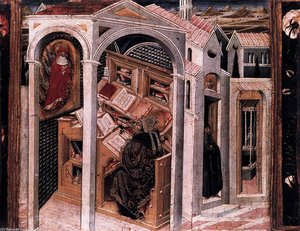
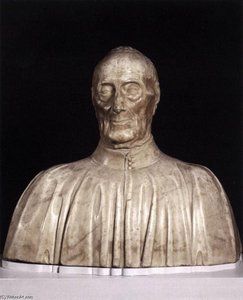
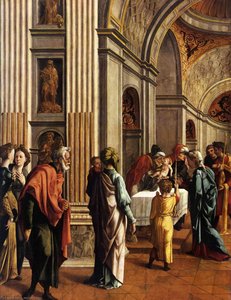
作家の略歴
Giovanni Antonio Sogliani: A Florentine Renaissance Painter
Life and Early Career
- Giovanni Antonio Sogliani was born in Florence, Italy, in 1492.
- Details of his early life are scarce, but he became a prominent painter during the High Renaissance period.
- According to Giorgio Vasari’s *Vite*, Sogliani apprenticed with Lorenzo di Credi for two decades. While the length of this apprenticeship is debated, it suggests a strong foundational influence on his artistic style.
- He served as the executor of Lorenzo di Credi's will in 1531, demonstrating a close professional relationship.
Artistic Style and Influences
- Sogliani’s style is characterized by an archaic quality, often attributed to the lasting impact of his training with Lorenzo di Credi.
- He blended elements of traditional Florentine painting with emerging Renaissance techniques.
- Fra Bartolomeo significantly influenced Sogliani’s work, particularly in his use of color and composition, as noted by Vasari in relation to the *Martyrdom of St Acasio*.
- His paintings often feature religious themes, reflecting the prevalent artistic patronage of the time.
Major Works and Commissions
- Martyrdom of St Acasio: Painted for the church of San Lorenzo in Florence, this work showcases Fra Bartolomeo’s influence.
- St Martin: A painting created for the Orsanmichele, a significant public building in Florence.
- St Brigitta Altarpiece: Now housed in the Museo di San Marco, this altarpiece demonstrates Sogliani’s skill in religious iconography.
- Pisa Cathedral Commissions: He received important commissions for the cathedral of Pisa, including three canvases depicting scenes from biblical stories – *Sacrifice of Abel*, *Sacrifice of Cain*, and *Sacrifice of Noah* (completed by May 15, 1533).
- Altarpiece of the Virgin with Child and Saints: Commissioned in 1536.
- Allegory of the Immaculate Conception: Currently located in the Accademia di Belli Arti in Florence.
Artistic Development & Historical Context
- Sogliani worked during a period of significant artistic transition, bridging the High Renaissance and early Mannerism.
- His work reflects the religious fervor and patronage prevalent in Florence during the 16th century.
- He navigated a competitive art scene alongside prominent artists like Perino del Vaga, from whom he took over some commissions at Pisa Cathedral.
Legacy and Significance
- Sogliani’s artistic legacy lies in his preservation of traditional Florentine painting techniques while incorporating Renaissance innovations.
- He trained several pupils, including Sigismondo Foschi and Zanobi di Poggino, continuing the artistic lineage.
- Although not as widely celebrated as some of his contemporaries, Sogliani’s work provides valuable insight into the artistic landscape of 16th-century Florence.
- His paintings remain important examples of religious art from the Renaissance period and are studied for their stylistic characteristics.
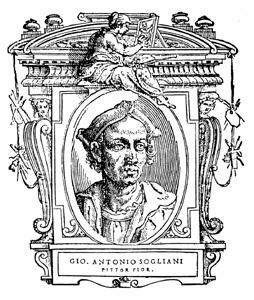
Giovanni Antonio Sogliani
1492 - 1544 , Italy
プロフィール概要
- Birth Date: 1492
- Birth Place: Florence, Italy
- Death Date: 1544
- Influenced:
- Sigismondo Foschi
- Zanobi di Poggino
- Influenced By:
- Lorenzo di Credi
- Fra Bartolomeo
- Movement: Renaissance
- Name: Giovanni Antonio Sogliani
- Nationality: Italian
- Notable Works:
- Martyrdom of St Acasio
- St Martin
- St Brigitta altarpiece
- Sacrifice of Abel
- Sacrifice of Cain
- Sacrifice of Noah
- Allegory of the Immaculate Conception