

 シェアする
シェアする シェアする
シェアする
 詳細を見る
詳細を見る

 ダウンロード
 似ている作品
 スライドショー
 統計情報
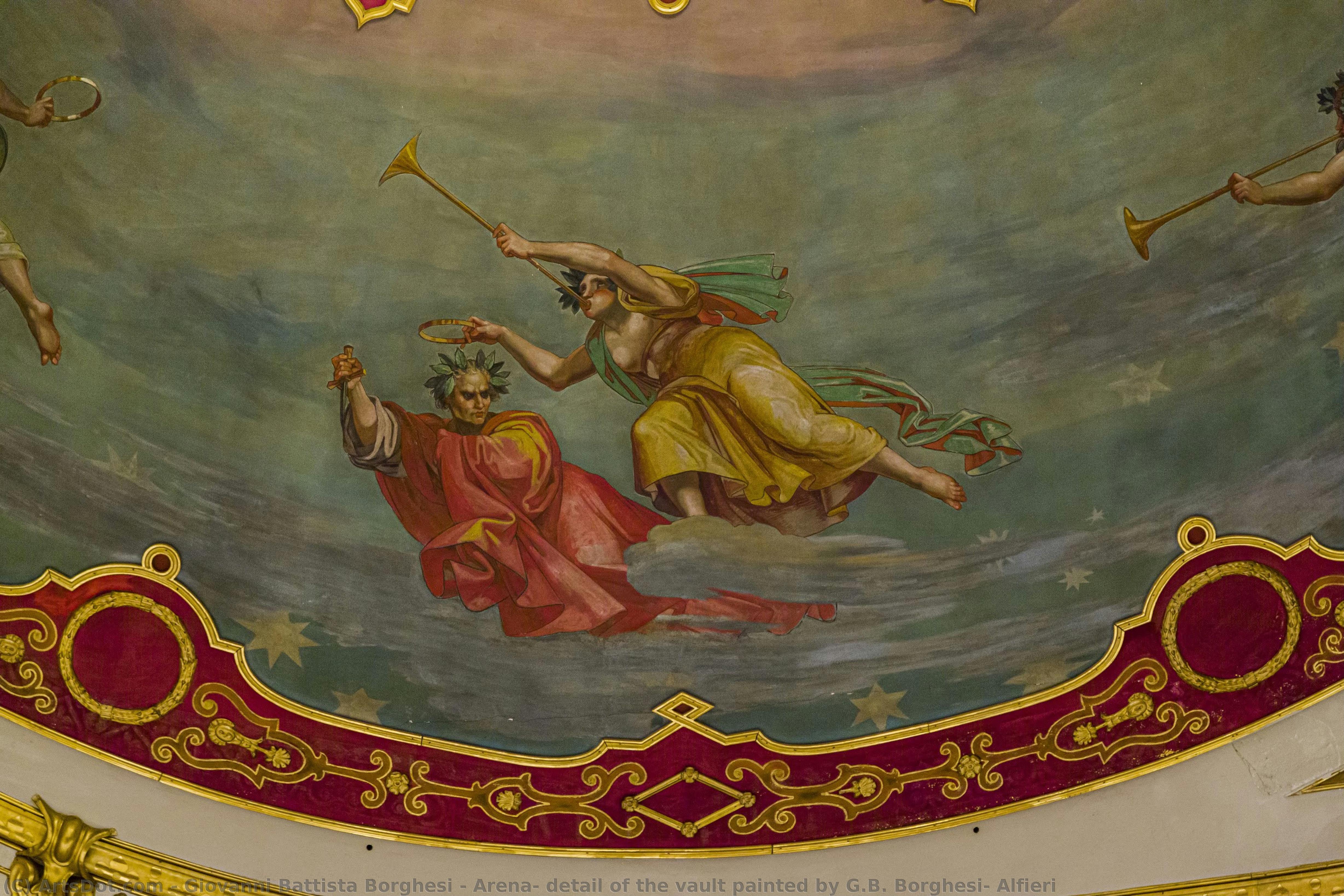
統計情報Arena, detail of the vault painted by G.B. Borghesi, Alfieri


 詳細を見る
詳細を見る
オンラインプレビューをはるかに凌ぐ、高解像度で鮮明なデジタル画像をご購入いただけます。
各ファイルは、社内の専門家が高度なツールと熟練した手作業によるレタッチを用いて、細心の注意を払って準備されています。すべての画像において、卓越した鮮明度、正確な色彩再現性、そして繊細なディテールを保証いたします。
最終ファイルは、プロフェッショナルな編集・印刷環境ですぐにご利用いただけるよう最適化された状態で、72時間以内にメールにてお届けいたします。これは、一流のデザインスタジオ、出版社、ギャラリーから信頼されているものと同等の品質です。
デジタルアート
個人での鑑賞、印刷、クリエイティブなプロジェクト用に、高解像度ファイルをダウンロードできます。 ( プリント版に切り替え 手描きの絵画を購入)
デジタル画像のご注文に付随する特典
高品質なデジタル画像配信を、確かな品質で。
ArtsDot.com を選ぶことは、単に画像を手に入れることではありません。それは、プロの手によって精密に仕上げられ、満足保証が付いた高品質なデジタルアートワークを受け取ることを意味します。ご注文いただいた際に自動的に付随する内容は、以下の通りです:

メールですぐにお届け
ご注文から72時間以内に、高解像度のデジタル画像ファイルがメールでお手元に届きます。すぐにそのままご利用いただけます。

AI技術で最適化されたデジタルファイル
お客様の作品は、高度なAIツールと専門家による手作業の編集を組み合わせてプロフェッショナルに最適化されており、細部のディテール、鮮明さ、そして正確な色再現性を最大限に引き出しています。

一生涯無料の再送サービス
ファイルを誤って削除したり、紛失してしまったりしましたか?ご安心ください。いつでも無料で再送いたします。

輸入手数料は一切かかりません
関税や手数料、配送料を気にすることなく、お気に入りのアートワークをすぐにお楽しみいただけます。デジタルダウンロードは常に免税です。

色彩再現の保証
プロ仕様のツールとカラーマネジメント技術を用いることで、デジタル画像が元の色を最大限に忠実に再現することを保証いたします。

100日間満足保証
ご購入いただいたデジタル画像にご満足いただけない場合は、100日以内であれば、理由を問わず修正または100%の返金対応をさせていただきます。

100% 返金保証
ご満足いただけない場合は、デジタルファイルを受け取ってから100日以内であれば、理由を問わず全額返金いたします。

まとめ買い割引
3枚購入で10%OFF - 5枚購入で15%OFF - 10枚以上購入で20%OFF。クリエイティブなプロジェクト、ギャラリー、エージェンシーに最適です。
A Celestial Coronation: The Grandeur of Borghesi’s Vault
To gaze upward into the vault of the Arena is to be transported from the terrestrial realm into a breathtaking celestial theater. This exquisite detail of the ceiling fresco, painted in 1829 by the Italian master Giovanni Battista Borghesi, serves as a window into the Neoclassical soul. At the heart of this composition, a divine drama unfolds: a woman draped in luminous yellow robes descends to crown a seated figure clad in regal red. This central act of coronation is not merely a depiction of ceremony, but an evocative symbol of triumph and grace. The figures are suspended in a dreamlike state, surrounded by a sky that transitions from soft, billowing clouds to a deep, starlit expanse, suggesting a moment where the heavens themselves descend to honor earthly or mythological virtue.
The technical mastery of Borghesi is evident in the way he manipulates light and texture to create an illusion of infinite depth. The fresco utilizes a vibrant palette where the warmth of gold and crimson clashes beautifully against the more muted, ethereal tones of the nocturnal sky. One can almost feel the weight of the heavy fabrics and the delicate shimmer of the gilded borders that frame this heavenly scene. Above the central protagonists, musical figures emerge from the periphery—one sounding a trumpet-like instrument, another cradling a stringed instrument—adding an auditory dimension to the visual feast. This orchestration of imagery suggests that the coronation is accompanied by a divine symphony, enveloping the viewer in a sense of cosmic harmony.
Neoclassical Elegance and Timeless Symbolism
Rooted in the Neoclassical tradition, Borghesi’s work reflects the era's profound reverence for classical antiquity and structured beauty. Every element, from the intricate gold detailing to the precise anatomical rendering of the figures, speaks to a period that sought to find order and nobility in mythological allegory. The use of stars scattered throughout the background does more than provide a setting; it imbue the work with a sense of permanence and destiny. For the discerning collector or interior designer, this piece offers much more than mere decoration. It provides a focal point of profound historical weight, capable of anchoring a room with its themes of authority, celebration, and the eternal cycle of glory.
Integrating a high-quality reproduction of such a masterpiece into a contemporary space allows for a sophisticated dialogue between history and modernity. Whether placed in a grand library, a formal dining hall, or a curated gallery wall, the fresco’s dramatic composition and rich color story command attention. It invites contemplation, prompting guests to look upward and lose themselves in the swirling clouds and golden light of 19th-century Italy. To possess such an image is to hold a fragment of the Parma school's legacy, bringing the opulent, theatrical spirit of the Teatro Regio era into the intimate setting of a modern home.
関連作品





作家の略歴
The Neoclassical Vision of Giovanni Battista Borghesi
In the heart of Parma, Italy, during the twilight of the eighteenth century, a talent was born that would eventually weave itself into the very fabric of Italian scenic and mural art. Giovanni Battista Borghesi, often referred to as Giambattista, emerged from the fertile artistic landscape of his birthplace to become a defining voice of the Neoclassical period. Born on November 25, 1790, Borghesi’s journey into the world of fine art began with a precocious discipline. At the tender age of fifteen, he entered the esteemed studio of Biagio Martini, a mentorship that would serve as the crucible for his technical mastery. Under Martini’s guidance, the young artist moved beyond mere imitation, learning to balance the rigorous structural demands of Neoclassicism with a burgeoning sense of decorative elegance.
Borghesi’s early career was defined by the intimate and the sacred, as he applied his developing skills to the modest yet profound task of mural painting. His hands graced the walls of private residences and local churches, where he learned the delicate art of storytelling through pigment and plaster. These early decorations were more than mere embellishments; they were exercises in spatial harmony and light. As his reputation grew, so did the scale of his ambitions. He transitioned seamlessly from the static confines of wall paintings to the grand, ephemeral world of scenic design, a move that required an extraordinary command of perspective and theatrical illusion. This duality—the ability to paint for both the permanent architecture of a building and the fleeting spectacle of the stage—distinguished him as a versatile master of his era.
A Legacy Etched in Parma’s Grandeur
The true splendor of Borghesi’s artistry is perhaps most vibrantly felt in the architectural landmarks of Parma. His contributions to the Teatro Regio di Parma stand as a testament to his ability to elevate public spaces through sophisticated composition. One of his most celebrated achievements, the Allegory of Maria Luigia, serves as a breathtaking example of his skill. In this work, Borghesi utilized the Neoclassical penchant for bold colors and intricate, flowing designs to create a narrative that is both visually stunning and deeply symbolic. The piece, which resides within the Museo Glauco Lombardi collection, captures the essence of an era that sought to find beauty in order, clarity, and classical grandeur.
Beyond the theater and the museum, Borghesi’s influence extended to the very arenas of civic life. His work on the Parma Arena showcased a meticulous attention to detail, proving that his talent was as suited for large-scale public works as it was for delicate allegorical figures. Throughout his life, his style remained anchored in a certain Neoclassical simplicity, yet it was never devoid of complexity. He possessed a rare ability to use light and shadow to breathe life into his subjects, ensuring that even the most structured compositions retained an emotional resonance that could captivate an audience.
Though he passed away on December 11, 1846, the artistic imprint left by Giovanni Battista Borghesi remains indelible. His life’s work represents a bridge between the rigid traditions of his mentors and the expressive potential of the nineteenth-century decorative arts. To study Borghesi is to study the soul of Parma itself—a legacy of elegance, precision, and an enduring passion for the transformative power of art.

giovanni battista borghesi
1790 - 1846 , Italy
プロフィール概要
- Artistic Movement Or Style: Neoclassicism
- Artists Or Movements Influenced By This Artist: Neoclassical painting
- Artists Who Influenced This Artist: Biagio Martini
- Date Of Birth: November 25, 1790
- Date Of Death: December 11, 1846
- Full Name: Giovanni Battista Borghesi
- Nationality: Italian
- Notable Artworks:
- Allegory of Maria Luigia
- Arena
- Place Of Birth: Parma, Italy