

 プレビュー
プレビュー
 プリントを購入
 シェアする
シェアする シェアする
シェアする
 詳細を見る
詳細を見る

 ダウンロード
 似ている作品
 X線調査
X線調査 スライドショー
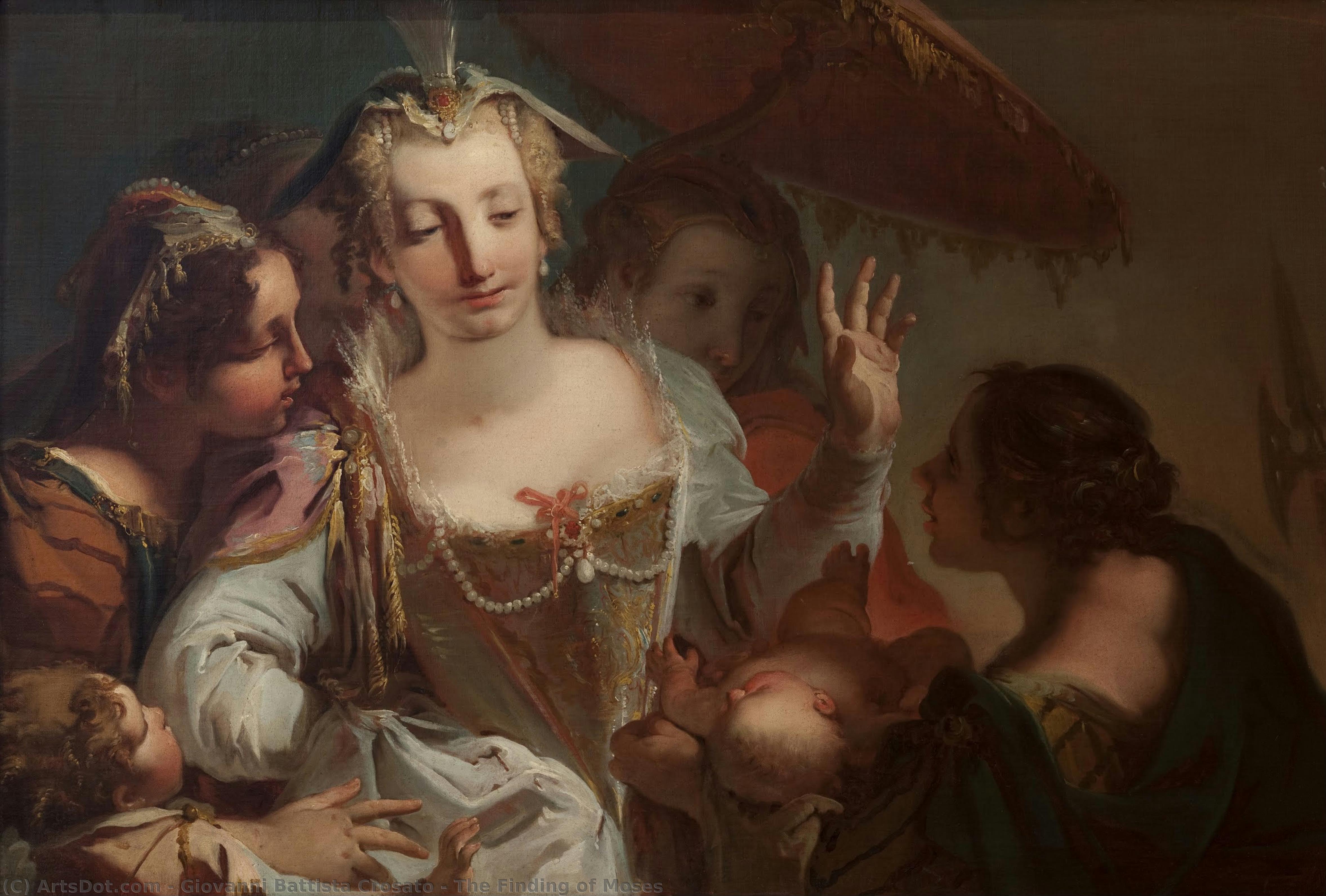
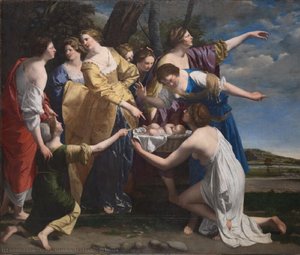
The Finding of Moses


 詳細を見る
詳細を見る




































作品のオリジナル比率に合わせた、当店の規定サイズからお選びください。

特定のフレームやスペースに合わせて、ご希望のサイズをご入力いただけます。選択されたサイズが元の画像の比率と異なる場合、アートワークをトリミングするか、手描きで要素を追加して絵画を拡張いたします。デジタルモックアップ を制作し、制作開始前にご確認(承認)をいただきます。
画面上のプレビューは、実際のトリミングや拡張を正確に反映しているものではありません。最終的な構図は、モックアップによってのみ正確にご確認いただけます。
カスタムサイズもご利用いただけますが、元の比率を維持するためには、あらかじめ用意されたリストからサイズを選択することをお勧めいたします。
ご注文後、ArtsDot.com チームより詳細な指示をお送りするとともに、仕上がりイメージ(モックアップ)をご提供いたします。


 ガラスオプションは、110cm未満のサイズでのみご利用いただけます。

The Finding of Moses
複製技法
複製画のサイズ
-


合計金額
$ 363
関連作品

アーティストの略歴
The Venetian Master of Light and Grandeur
Giovanni Battista Crosato stands as a pivotal figure in the late Baroque and Rococo artistic landscape, a painter whose brush captured the very essence of Venetian elegance amidst an era of monumental grandeur. Born in Venice in 1686, his life was deeply intertwined with the pulse of Italian art. He was raised within a family steeped in creative tradition, receiving early mentorship from his uncle, the respected painter Francesco Pittoni. This formative connection provided Crosato with a profound understanding of Baroque painting techniques, instilling in him an appreciation for both the heavy formalism of the past and the intricate ornamentation that would later define his mature style. His early training was further enriched by the influences of masters such as Ricci and Amigoni, through which he infused his work with a unique vein of animated Emilian solidity.
As his career unfolded, Crosato demonstrated a remarkable ability to navigate and transform the shifting aesthetic tides of the eighteenth century. Around 1720, he underwent a significant stylistic evolution, moving away from the rigid structures of the Baroque toward the airy lightness, pastel hues, and whimsical grace characteristic of the Rococo movement. This was not merely a pursuit of fashion but a profound reimagative of artistic expression that mirrored the broader cultural metamorphosis occurring in Venice. His talent for quadratura—the art of creating illusionistic architectural perspectives—allowed him to expand the boundaries of physical space, making ceilings appear to open into the heavens and walls dissolve into infinite vistas.
A Journey Through Palaces and Cathedrals
Crosato’s professional journey was marked by a dynamic movement between the vibrant art centers of Venice and Turin. In the early 1730s, his reputation as a gifted stage designer led him to Turin, where he worked for the Teatro Regio. This period of theatrical engagement deeply informed his painterly approach; the luminous close-ups and lively palettes seen in his later works often recall the dramatic flair of theatre costumes. His talent caught the eye of the great architect Filippo Juvarra, who recruited him to decorate the magnificent Savoy residences, including the breathtaking frescoes within the Palazzina of Stupinigi. The brilliance of his work in these royal settings, characterized by a dazzling display of light and color, solidified his status as a premier decorator of the European aristocracy.
Upon returning to Venice in 1736, Crosato became an integral part of the city's artistic fabric, joining the prestigious Fraglia dei Pittori Veneziani. His hands touched some of the most sacred and secular spaces in the region, from the churches of Santa Maria dei Servi and San Moisè to the opulent Ca' Pesaro. His later years were spent creating spectacular ceiling decorations, such as the triumph of Juno in the Palazzo da Moston and the legendary ballroom of Ca’ Rezzonico. In the latter, his depiction of the Chariot of Apollo, with its radiant orange rays, remains a testament to his ability to command light and evoke awe.
Legacy and Institutional Influence
Beyond the canvas, Crosato was a cornerstone of the institutional development of Italian art. His commitment to the Venetian artistic community was evidenced by his leadership roles within the Collegio dei Pittori and his election to the Accademia Clementina of Bologna. Perhaps his most enduring contribution to the history of art was his instrumental role in establishing the Veneto Pubblica Accademia di Pittura, Scultura e Architettura. Working alongside luminaries such as Tiepolo, he helped create a foundation for future generations of artists, eventually serving as the academy's president.
The significance of Giovanni Battista Crosato lies in his ability to bridge two eras. He took the structural strength of the Baroque and infused it with the delicate, emotive spirit of the Rococo, creating a visual language that was both powerful and profoundly graceful. His life’s work remains a luminous window into an age of splendor, reminding us of a time when art sought to transform the earthly into the divine through the sheer mastery of light, color, and perspective.
Giovanni Battista Crosato
2007 - 1770 , Italy
基本情報
- Artistic Movement Or Style: Rococo
- Artists Who Influenced This Artist:
- Antonio Balestra
- Francesco Pittoni
- Date Of Birth: 1686
- Date Of Death: July 15, 1758
- Full Name: Giovanni Battista Crosato
- Nationality: Italian
- Notable Artworks:
- The Finding of Moses
- Apollo's Carriage
- Place Of Birth: Venice, Italy
関連記事

The Dramatic Flourish: Exploring the Baroque Movement's Enduring Legacy in Art History
Explore the dramatic world of Baroque art! Discover iconic artists like Caravaggio & Rubens, defining techniques, and its lasting impact on art history. Expert insights for collectors & enthusiasts at ArtsDot.

バロック美術を極めた至宝:時代を彩る10大名作の世界
バロック美術の華!カラヴァッジョ、ベルニーニら巨匠が創り上げた10大名作を徹底解剖。ドラマチックな色彩と豪華絢爛の世界観に触れ、至宝のアートプリントで空間を彩ろう。ArtsDot.comで美術館品質の複製と洗練されたインテリアを見つけましょう!

The Visceral Stage: Exploring Dramatic Narratives & Emotional Intensity in Baroque Art
Explore the dramatic world of Baroque art! Discover iconic masters like Caravaggio & Rembrandt, their techniques, and the movement's lasting impact. Expert insights for collectors & enthusiasts at ArtsDot.

バロックのドラマ:現代のインテリアに壮麗さと情感を取り込む
バロック様式の歴史、絵画、家具の魅力をご紹介。ArtsDotでは、高品質な油絵複製やカスタムポートレートをご提供し、現代のインテリアに壮麗さと情感を取り入れます。アートコンサルテーションも承ります。

Theatricality & Triumph: Baroque Drama in Painting & Sculpture
Explore the dramatic world of Baroque art! Discover its history, defining characteristics, & lasting influence on painting & sculpture. Expert insights into Caravaggio, Zurbarán, and Bernini – plus high-quality reproductions at ArtsDot.

