

 プレビュー
プレビュー
 プリントを購入
 シェアする
シェアする シェアする
シェアする
 詳細を見る
詳細を見る

 ダウンロード
 似ている作品
 X線調査
X線調査 スライドショー
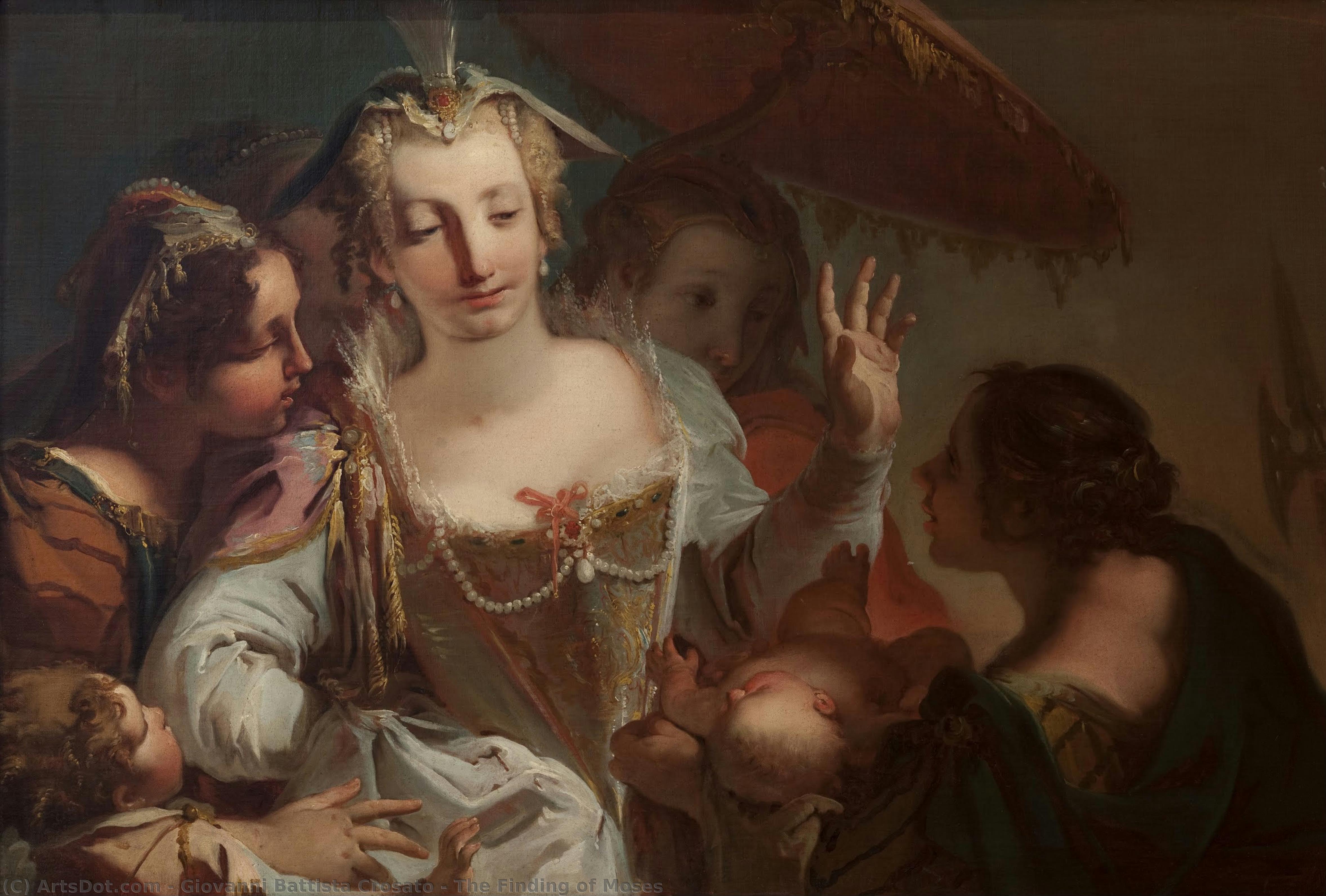
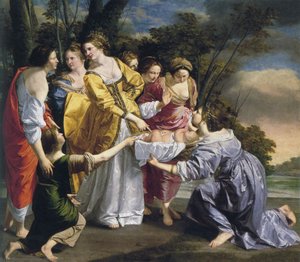
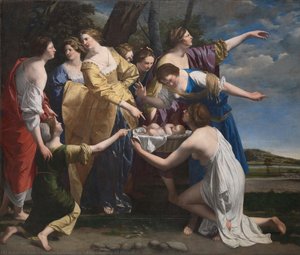
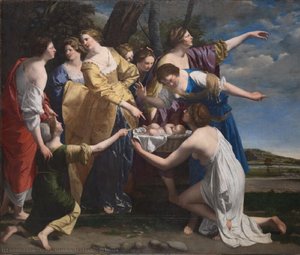
The Finding of Moses


 詳細を見る
詳細を見る
オンラインプレビューをはるかに凌ぐ、高解像度で鮮明なデジタル画像をご購入いただけます。
各ファイルは、社内の専門家が高度なツールと熟練した手作業によるレタッチを用いて、細心の注意を払って準備されています。すべての画像において、卓越した鮮明度、正確な色彩再現性、そして繊細なディテールを保証いたします。
最終ファイルは、プロフェッショナルな編集・印刷環境ですぐにご利用いただけるよう最適化された状態で、72時間以内にメールにてお届けいたします。これは、一流のデザインスタジオ、出版社、ギャラリーから信頼されているものと同等の品質です。
デジタル画像のご注文に付随する特典
高品質なデジタル画像配信を、確かな品質で。
ArtsDot.com を選ぶことは、単に画像を手に入れることではありません。それは、プロの手によって精密に仕上げられ、満足保証が付いた高品質なデジタルアートワークを受け取ることを意味します。ご注文いただいた際に自動的に付随する内容は、以下の通りです:

メールですぐにお届け
ご注文から72時間以内に、高解像度のデジタル画像ファイルがメールでお手元に届きます。すぐにそのままご利用いただけます。

AI技術で最適化されたデジタルファイル
お客様の作品は、高度なAIツールと専門家による手作業の編集を組み合わせてプロフェッショナルに最適化されており、細部のディテール、鮮明さ、そして正確な色再現性を最大限に引き出しています。

一生涯無料の再送サービス
ファイルを誤って削除したり、紛失してしまったりしましたか?ご安心ください。いつでも無料で再送いたします。

輸入手数料は一切かかりません
関税や手数料、配送料を気にすることなく、お気に入りのアートワークをすぐにお楽しみいただけます。デジタルダウンロードは常に免税です。

色彩再現の保証
プロ仕様のツールとカラーマネジメント技術を用いることで、デジタル画像が元の色を最大限に忠実に再現することを保証いたします。

60日間満足保証
ご購入いただいたデジタル画像にご満足いただけない場合は、60日以内であれば、修正または100%の返金(理由を問う必要はありません)をさせていただきます。

100% 返金保証
ご満足いただけない場合は、デジタルファイルを受け取ってから60日以内であれば、理由を問わず全額返金いたします。

まとめ買い割引
3枚購入で10%OFF - 5枚購入で15%OFF - 10枚以上購入で20%OFF。クリエイティブなプロジェクト、ギャラリー、エージェンシーに最適です。
関連作品


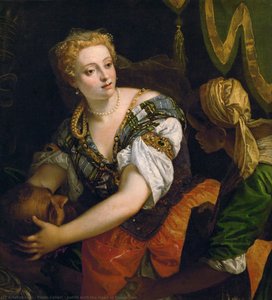
作家の略歴
The Venetian Master of Light and Grandeur
Giovanni Battista Crosato stands as a pivotal figure in the late Baroque and Rococo artistic landscape, a painter whose brush captured the very essence of Venetian elegance amidst an era of monumental grandeur. Born in Venice in 1686, his life was deeply intertwined with the pulse of Italian art. He was raised within a family steeped in creative tradition, receiving early mentorship from his uncle, the respected painter Francesco Pittoni. This formative connection provided Crosato with a profound understanding of Baroque painting techniques, instilling in him an appreciation for both the heavy formalism of the past and the intricate ornamentation that would later define his mature style. His early training was further enriched by the influences of masters such as Ricci and Amigoni, through which he infused his work with a unique vein of animated Emilian solidity.
As his career unfolded, Crosato demonstrated a remarkable ability to navigate and transform the shifting aesthetic tides of the eighteenth century. Around 1720, he underwent a significant stylistic evolution, moving away from the rigid structures of the Baroque toward the airy lightness, pastel hues, and whimsical grace characteristic of the Rococo movement. This was not merely a pursuit of fashion but a profound reimagative of artistic expression that mirrored the broader cultural metamorphosis occurring in Venice. His talent for quadratura—the art of creating illusionistic architectural perspectives—allowed him to expand the boundaries of physical space, making ceilings appear to open into the heavens and walls dissolve into infinite vistas.
A Journey Through Palaces and Cathedrals
Crosato’s professional journey was marked by a dynamic movement between the vibrant art centers of Venice and Turin. In the early 1730s, his reputation as a gifted stage designer led him to Turin, where he worked for the Teatro Regio. This period of theatrical engagement deeply informed his painterly approach; the luminous close-ups and lively palettes seen in his later works often recall the dramatic flair of theatre costumes. His talent caught the eye of the great architect Filippo Juvarra, who recruited him to decorate the magnificent Savoy residences, including the breathtaking frescoes within the Palazzina of Stupinigi. The brilliance of his work in these royal settings, characterized by a dazzling display of light and color, solidified his status as a premier decorator of the European aristocracy.
Upon returning to Venice in 1736, Crosato became an integral part of the city's artistic fabric, joining the prestigious Fraglia dei Pittori Veneziani. His hands touched some of the most sacred and secular spaces in the region, from the churches of Santa Maria dei Servi and San Moisè to the opulent Ca' Pesaro. His later years were spent creating spectacular ceiling decorations, such as the triumph of Juno in the Palazzo da Moston and the legendary ballroom of Ca’ Rezzonico. In the latter, his depiction of the Chariot of Apollo, with its radiant orange rays, remains a testament to his ability to command light and evoke awe.
Legacy and Institutional Influence
Beyond the canvas, Crosato was a cornerstone of the institutional development of Italian art. His commitment to the Venetian artistic community was evidenced by his leadership roles within the Collegio dei Pittori and his election to the Accademia Clementina of Bologna. Perhaps his most enduring contribution to the history of art was his instrumental role in establishing the Veneto Pubblica Accademia di Pittura, Scultura e Architettura. Working alongside luminaries such as Tiepolo, he helped create a foundation for future generations of artists, eventually serving as the academy's president.
The significance of Giovanni Battista Crosato lies in his ability to bridge two eras. He took the structural strength of the Baroque and infused it with the delicate, emotive spirit of the Rococo, creating a visual language that was both powerful and profoundly graceful. His life’s work remains a luminous window into an age of splendor, reminding us of a time when art sought to transform the earthly into the divine through the sheer mastery of light, color, and perspective.
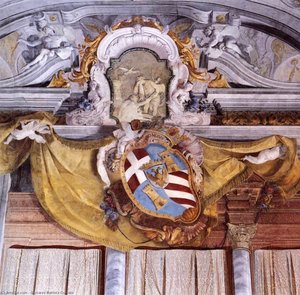
Giovanni Battista Crosato
2007 - 1770 , Italy
プロフィール概要
- Artistic Movement Or Style: Rococo
- Artists Who Influenced This Artist:
- Antonio Balestra
- Francesco Pittoni
- Date Of Birth: 1686
- Date Of Death: July 15, 1758
- Full Name: Giovanni Battista Crosato
- Nationality: Italian
- Notable Artworks:
- The Finding of Moses
- Apollo's Carriage
- Place Of Birth: Venice, Italy

