

 プリントを購入
 シェアする
シェアする シェアする
シェアする
 詳細を見る
詳細を見る

 ダウンロード
 似ている作品
 スライドショー
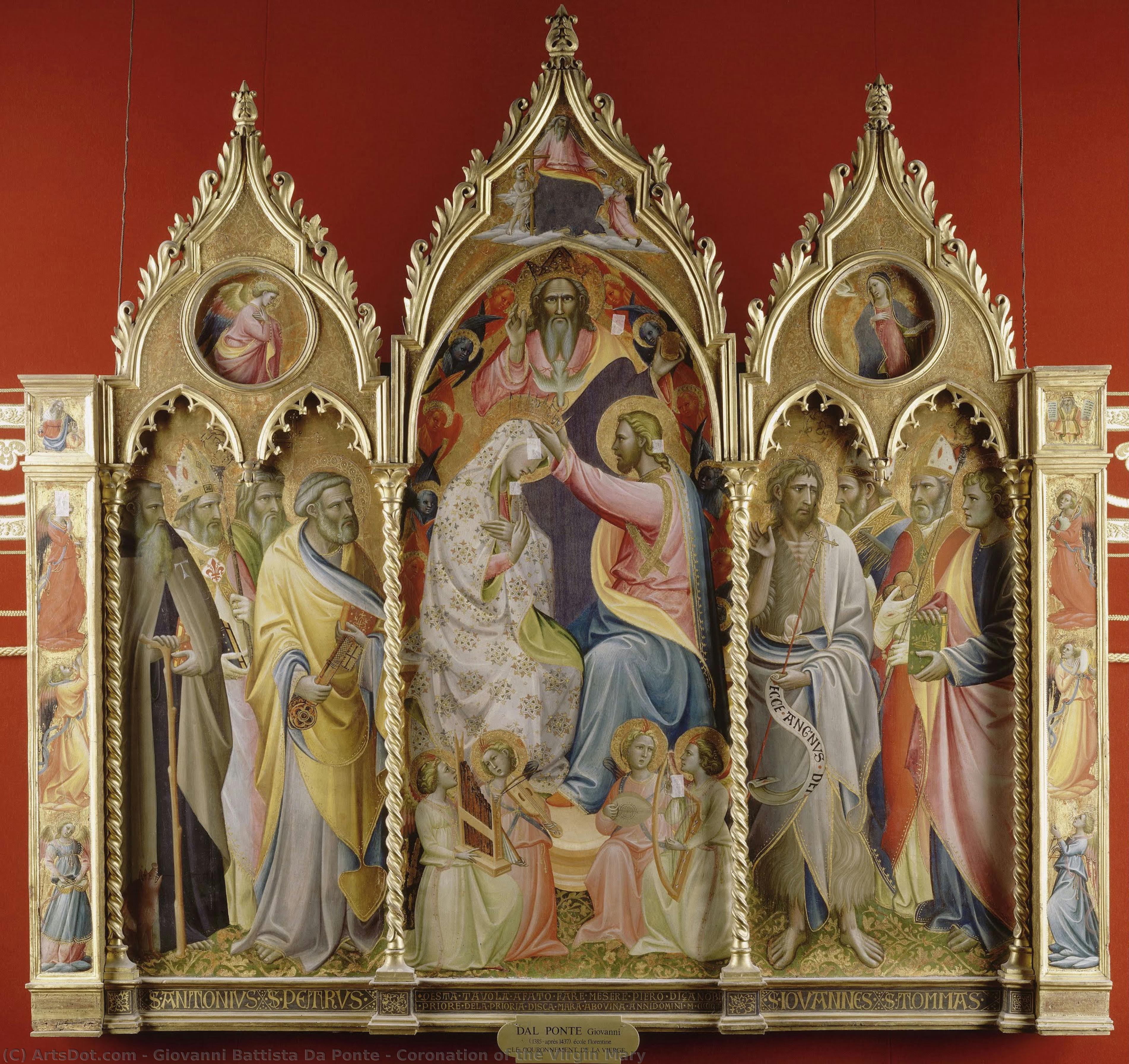
Coronation of the Virgin Mary


 詳細を見る
詳細を見る
オンラインプレビューをはるかに凌ぐ、高解像度で鮮明なデジタル画像をご購入いただけます。
各ファイルは、社内の専門家が高度なツールと熟練した手作業によるレタッチを用いて、細心の注意を払って準備されています。すべての画像において、卓越した鮮明度、正確な色彩再現性、そして繊細なディテールを保証いたします。
最終ファイルは、プロフェッショナルな編集・印刷環境ですぐにご利用いただけるよう最適化された状態で、72時間以内にメールにてお届けいたします。これは、一流のデザインスタジオ、出版社、ギャラリーから信頼されているものと同等の品質です。
デジタル画像のご注文に付随する特典
高品質なデジタル画像配信を、確かな品質で。
ArtsDot.com を選ぶことは、単に画像を手に入れることではありません。それは、プロの手によって精密に仕上げられ、満足保証が付いた高品質なデジタルアートワークを受け取ることを意味します。ご注文いただいた際に自動的に付随する内容は、以下の通りです:

メールですぐにお届け
ご注文から72時間以内に、高解像度のデジタル画像ファイルがメールでお手元に届きます。すぐにそのままご利用いただけます。

AI技術で最適化されたデジタルファイル
お客様の作品は、高度なAIツールと専門家による手作業の編集を組み合わせてプロフェッショナルに最適化されており、細部のディテール、鮮明さ、そして正確な色再現性を最大限に引き出しています。

一生涯無料の再送サービス
ファイルを誤って削除したり、紛失してしまったりしましたか?ご安心ください。いつでも無料で再送いたします。

輸入手数料は一切かかりません
関税や手数料、配送料を気にすることなく、お気に入りのアートワークをすぐにお楽しみいただけます。デジタルダウンロードは常に免税です。

色彩再現の保証
プロ仕様のツールとカラーマネジメント技術を用いることで、デジタル画像が元の色を最大限に忠実に再現することを保証いたします。

60日間満足保証
ご購入いただいたデジタル画像にご満足いただけない場合は、60日以内であれば、修正または100%の返金(理由を問う必要はありません)をさせていただきます。

100% 返金保証
ご満足いただけない場合は、デジタルファイルを受け取ってから60日以内であれば、理由を問わず全額返金いたします。

まとめ買い割引
3枚購入で10%OFF - 5枚購入で15%OFF - 10枚以上購入で20%OFF。クリエイティブなプロジェクト、ギャラリー、エージェンシーに最適です。
A Celestial Coronation: Exploring Giovanni Battista da Ponte's "Coronation of the Virgin Mary"
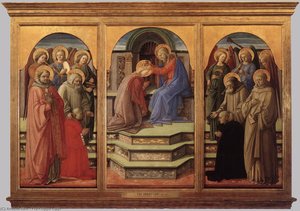
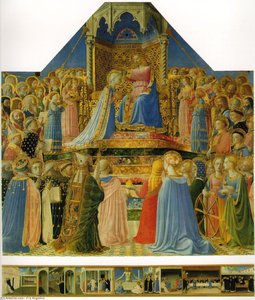
The fresco depicting the “Coronation of the Virgin Mary,” attributed to giovanni battista da ponte, stands as a testament to the fervent religious devotion and artistic flourishing of 15th-century Italy. Dating back to approximately 1425, this large-scale work offers a glimpse into the spiritual landscape of an era deeply rooted in faith, while simultaneously showcasing the evolving techniques and stylistic sensibilities of Renaissance painting. The scene itself is one steeped in symbolism – a visual representation of Mary’s ascension to divine queenship, a concept gaining increasing prominence within Catholic theology during this period. It's not merely a depiction of a heavenly event; it's an affirmation of Mary’s pivotal role as intercessor between humanity and the divine, a comforting image for worshippers seeking solace and guidance. The sheer scale of the fresco suggests its intended purpose: to inspire awe and reverence within a sacred space, drawing viewers into a contemplative experience of faith.The Artistic Landscape and Ponte's Place Within It
To fully appreciate this artwork, it’s crucial to understand the context in which it was created. The early 15th century witnessed a shift away from the stylized conventions of Gothic art towards a more naturalistic representation of the human form and the world around us – a hallmark of the burgeoning Renaissance. While giovanni battista da ponte worked within this evolving artistic climate, his style reflects a blend of late medieval traditions and emerging Renaissance ideals. He was the second son of Jacopo da Ponte, a renowned artist of the time, and much of his work is believed to have been influenced by, or even copied from, his father’s creations – a common practice in family workshops of the era. This connection highlights the importance of artistic lineage and apprenticeship within Renaissance society, where skills and techniques were passed down through generations. The fresco's composition, while grand, demonstrates a certain adherence to established iconographic conventions, yet it also hints at a growing interest in depicting figures with greater realism and emotional depth.Symbolism Woven into the Celestial Tapestry
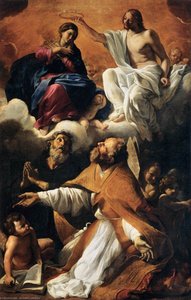
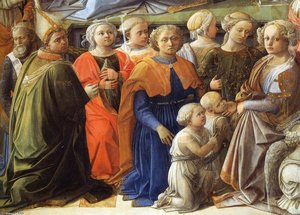
Beyond its visual beauty, the "Coronation of the Virgin Mary" is rich in symbolic meaning. At the heart of the scene stands the Virgin Mary, resplendent in regal attire, receiving a crown from Jesus Christ – a clear declaration of her divine status and role as Queen of Heaven. The presence of other figures—angels, saints, and perhaps even representations of humanity—further enriches the narrative. Each element contributes to a complex tapestry of theological meaning. For instance, the book often depicted near Mary might symbolize her wisdom and knowledge, while the cup could allude to the Eucharist and her role in salvation. The musician angels, frequently featured in such depictions, are not merely decorative elements; they represent the heavenly choir celebrating this momentous occasion, their music a symbol of divine harmony and praise. These details invite viewers to engage with the artwork on multiple levels—appreciating its aesthetic qualities while simultaneously contemplating its profound spiritual message.A Legacy of Faith and Artistic Skill
The "Coronation of the Virgin Mary" by giovanni battista da ponte is more than just a beautiful painting; it’s a window into the religious beliefs, artistic practices, and cultural values of 15th-century Italy. While attribution and precise details about the fresco's original location remain somewhat elusive, its enduring power lies in its ability to evoke a sense of awe and reverence—a testament to the artist’s skill in capturing a pivotal moment in Christian iconography. The work serves as a reminder of the profound impact that art can have on shaping our understanding of faith, history, and the human experience, continuing to inspire contemplation and appreciation centuries after its creation. It stands as an excellent example of how Renaissance artists skillfully combined religious devotion with artistic innovation, creating works that resonate deeply with viewers across generations.関連作品
作家の略歴
biographical overview
giovanni battista da ponte, also known as giovanni battista bassano, was an italian painter of the renaissance period, born in 1553 in bassano del grappa, italy. he was the second son of jacopo da ponte, a renowned artist of the time.artistic style and contributions
giovanni battista da ponte was chiefly known for being a copyist of his father's works, with many of his productions now figured under jacopo's name. he was active in venice and his native bassano del grappa, contributing to the rich cultural landscape of italy during the renaissance.notable artworks and museums
* the supper at emmaus (high renaissance) - a notable painting by jacopo bassano (jacopo da ponte), showcasing his mastery of religious themes. [https://ArtsDot.com/@@/8lj54h-jacopo-bassano-(jacopo-da-ponte)-supper-at-emmaus](https://ArtsDot.com/@@/8lj54h-jacopo-bassano-(jacopo-da-ponte)-supper-at-emmaus) * museo civico di bassano del grappa, located in the veneto region of northern italy, is one of the oldest museums in the area and features works by giovanni battista da ponte. [https://ArtsDot.com/@@/a@d3atzm-museo-civico-di-bassano-del-grappa-italy](https://ArtsDot.com/@@/a@d3atzm-museo-civico-di-bassano-del-grappa-italy)legacy and influence
giovanni battista da ponte's work, though often overshadowed by his father's, represents a significant contribution to the italian renaissance. his adherence to traditional techniques while exploring new themes reflects the transitional spirit of the era.- giovanni battista da ponte - wikipedia
- explore more artworks by jacopo bassano (jacopo da ponte) on ArtsDot: [https://ArtsDot.com/@/jacopo-bassano-(jacopo-da-ponte)](https://ArtsDot.com/@/jacopo-bassno-(jacopo-da-ponte))
- discover the museo civico di bassano del grappa's collection: [https://ArtsDot.com/@@/a@d3atzm-museo-civico-di-bassano-del-grappa-italy](https://ArtsDot.com/@@/a@d3atzm-museo-civico-di-bassano-del-grappa-italy)
giovanni battista da ponte
1553 - 1613 , Italy
プロフィール概要
- Artistic Movement Or Style: Renaissance, Printmaking
- Artists Or Movements Influenced By This Artist:
- Lucas Cranach the Younger
- German Renaissance
- Artists Who Influenced This Artist:
- Hans Maler
- Albrecht Dürer
- Date Of Birth: c. 1472
- Date Of Death: 16 October 1553
- Full Name: Lucas Cranach the Elder
- Nationality: German
- Notable Artworks:
- Venus and Adonis
- The Rest on the Flight into Egypt
- Portrait of a Man
- Luther as 'Junker Jorg'
- Place Of Birth: Kronach, Germany

