

 プレビュー
プレビュー
 プリントを購入
 シェアする
シェアする シェアする
シェアする
 詳細を見る
詳細を見る

 ダウンロード
 似ている作品
 X線調査
X線調査 スライドショー
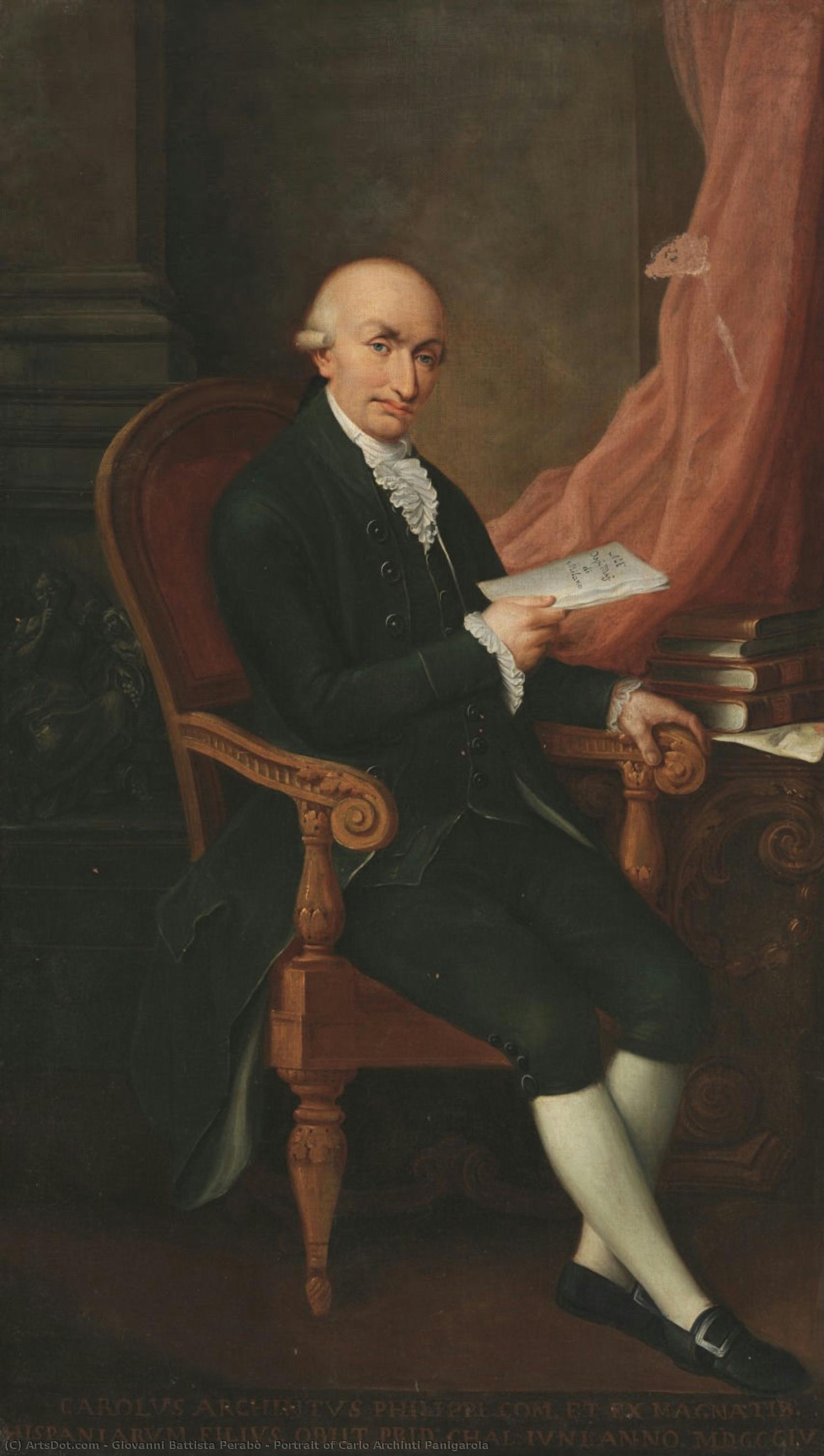
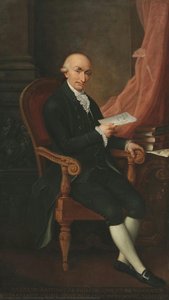
Portrait of Carlo Archinti Panigarola
 1805
1805 209.0 x 118.0 cm
 Ca’ Granda – Ospedale Maggiore Policlinico
 詳細を見る
詳細を見る
オンラインプレビューをはるかに凌ぐ、高解像度で鮮明なデジタル画像をご購入いただけます。
各ファイルは、社内の専門家が高度なツールと熟練した手作業によるレタッチを用いて、細心の注意を払って準備されています。すべての画像において、卓越した鮮明度、正確な色彩再現性、そして繊細なディテールを保証いたします。
最終ファイルは、プロフェッショナルな編集・印刷環境ですぐにご利用いただけるよう最適化された状態で、72時間以内にメールにてお届けいたします。これは、一流のデザインスタジオ、出版社、ギャラリーから信頼されているものと同等の品質です。
デジタル画像のご注文に付随する特典
高品質なデジタル画像配信を、確かな品質で。
ArtsDot.com を選ぶことは、単に画像を手に入れることではありません。それは、プロの手によって精密に仕上げられ、満足保証が付いた高品質なデジタルアートワークを受け取ることを意味します。ご注文いただいた際に自動的に付随する内容は、以下の通りです:

メールですぐにお届け
ご注文から72時間以内に、高解像度のデジタル画像ファイルがメールでお手元に届きます。すぐにそのままご利用いただけます。

AI技術で最適化されたデジタルファイル
お客様の作品は、高度なAIツールと専門家による手作業の編集を組み合わせてプロフェッショナルに最適化されており、細部のディテール、鮮明さ、そして正確な色再現性を最大限に引き出しています。

一生涯無料の再送サービス
ファイルを誤って削除したり、紛失してしまったりしましたか?ご安心ください。いつでも無料で再送いたします。

輸入手数料は一切かかりません
関税や手数料、配送料を気にすることなく、お気に入りのアートワークをすぐにお楽しみいただけます。デジタルダウンロードは常に免税です。

色彩再現の保証
プロ仕様のツールとカラーマネジメント技術を用いることで、デジタル画像が元の色を最大限に忠実に再現することを保証いたします。

60日間満足保証
ご購入いただいたデジタル画像にご満足いただけない場合は、60日以内であれば、修正または100%の返金(理由を問う必要はありません)をさせていただきます。

100% 返金保証
ご満足いただけない場合は、デジタルファイルを受け取ってから60日以内であれば、理由を問わず全額返金いたします。

まとめ買い割引
3枚購入で10%OFF - 5枚購入で15%OFF - 10枚以上購入で20%OFF。クリエイティブなプロジェクト、ギャラリー、エージェンシーに最適です。
関連作品







作家の略歴
Giovanni Battista Perabò: A Fragment of Baroque Brilliance
Giovanni Battista Perabò, a name tragically etched in the annals of Italian music history, was born in Jesi, Italy, in 1710 and met his untimely end just six years later, in 1736. His life, though brief, resonated with an intensity that belies its brevity – a testament to the profound impact he made on the burgeoning world of Baroque music. Perabò’s story is not one of grand achievements or widespread fame during his lifetime; rather, it's a poignant tale of a prodigious talent cut short, leaving behind a legacy primarily revealed through the enduring beauty and emotional depth of his compositions. Early life in Jesi, a town steeped in musical tradition, provided Perabò with an invaluable foundation. His family’s connection to Pergola – from which he derived his artistic name – hinted at a lineage deeply rooted in music. He began his formal training at the Conservatoire de Naples, immersing himself in the teachings of esteemed masters like Durante, Vinci, Ferraro, and Greco. These formative years instilled within him not only technical proficiency but also a deep understanding of Baroque aesthetics—a style characterized by dramatic contrasts, intricate ornamentation, and a fervent exploration of human emotion. The rigorous training undoubtedly shaped his approach to composition, fostering a disciplined yet expressive musical voice. Perabò’s most celebrated work, the *Stabat Mater*, composed in the year of his death, stands as a powerful testament to his artistic capabilities. This deeply moving meditation on the sorrowful lament of Mary at the foot of the cross is considered a pinnacle of Baroque vocal music. The piece showcases Perabò's mastery of melodic invention, harmonic richness, and dramatic pacing—elements that combine to create an experience both profoundly moving and technically sophisticated. Beyond the *Stabat Mater*, his oeuvre includes operas and religious music, each imbued with the hallmarks of his distinctive style: a palpable sense of urgency, a lyrical beauty, and a profound engagement with spiritual themes. The historical context surrounding Perabò’s work is crucial to understanding its significance. The Baroque period in Italy was a time of immense artistic ferment, fueled by the Counter-Reformation and a renewed interest in classical ideals. Composers sought to express religious fervor through music, employing dramatic gestures and emotional intensity to evoke profound spiritual responses. Perabò's music perfectly embodies this spirit, reflecting the era’s fascination with both grandeur and intimacy. Museums such as the Museum Parrocchiale in Verolanuova, the Pinacoteca di Vicenza, and the Museo Diocesano in Cortona hold collections that offer glimpses into the artistic landscape of his time, providing valuable context for appreciating Perabò's place within it. The Kunstpalast in Düsseldorf, with its collection of Italian Baroque paintings, further illuminates the broader cultural milieu from which he drew inspiration. Despite his untimely death at the age of 26, Giovanni Battista Perabò’s musical legacy endures. His music has been performed and recorded by numerous renowned musicians and ensembles, ensuring that his compositions continue to resonate with audiences today. The *Stabat Mater*, in particular, remains a staple of the Baroque repertoire, celebrated for its emotional power and technical brilliance. While much of his work remained largely unknown during his lifetime, subsequent scholarship and performances have gradually unveiled the depth and beauty of Perabò’s contribution to Italian music—a testament to the enduring impact of a single, brilliant voice tragically silenced too soon.Pergolesi: A Parallel Narrative
It's important to acknowledge that Giovanni Battista Pergolesi is often conflated with Perabò, due to their shared birthdate and similar musical styles. While Perabò’s name is less frequently encountered today, Pergolesi’s legacy is considerably more established. Pergolesi was born in Jesi in 1710, the same year as Perabò, and his life followed a strikingly parallel trajectory—a testament to the vibrant musical environment of the town. Like Perabò, he received early training in Naples under prominent composers such as Durante and Vinci. Pergolesi’s most famous work, *La serva padrona*, achieved widespread acclaim and remains one of the cornerstones of Italian opera buffa. The story of this comic masterpiece—a young servant who unexpectedly rises to prominence—captures the spirit of the Baroque era with its blend of humor, pathos, and dramatic flair. However, Pergolesi’s career was tragically cut short by illness, just as it was for Perabò. He died in Pozzuoli in 1736 at the age of 26, leaving behind a relatively small but remarkably influential body of work. The “Querelle des Bouffons” incident in Paris further cemented Pergolesi’s place in musical history. A performance of *La serva padrona* sparked a heated debate among Parisian musicians and critics regarding the merits of Italian versus French opera styles. This controversy, fueled by forgeries and disputes over authorship, highlighted the growing influence of Italian music on European trends—and underscored the enduring appeal of Pergolesi’s masterpiece.- Key Works: *La serva padrona*, *Mass in F*, *Il prigionier superbo*
- Style: Baroque, Opera Buffa, Sacred Music
giovanni battista perabò
1710 - 1736 , Italy
プロフィール概要
- Artistic Movement Or Style: Baroque
- Artists Or Movements Influenced By This Artist: ['Pergolesi']
- Artists Who Influenced This Artist:
- Durante
- Vinci
- Ferraro
- Greco
- Date Of Birth: 1710, Jesi, Italy
- Date Of Death: 1736
- Full Name: Giovanni Battista Perabò
- Nationality: Italian
- Notable Artworks: ['Stabat Mater']
- Place Of Birth: Jesi, Italy

