

 プレビュー
プレビュー
 シェアする
シェアする シェアする
シェアする
 詳細を見る
詳細を見る

 ダウンロード
 似ている作品
 X線調査
X線調査 スライドショー
 統計情報
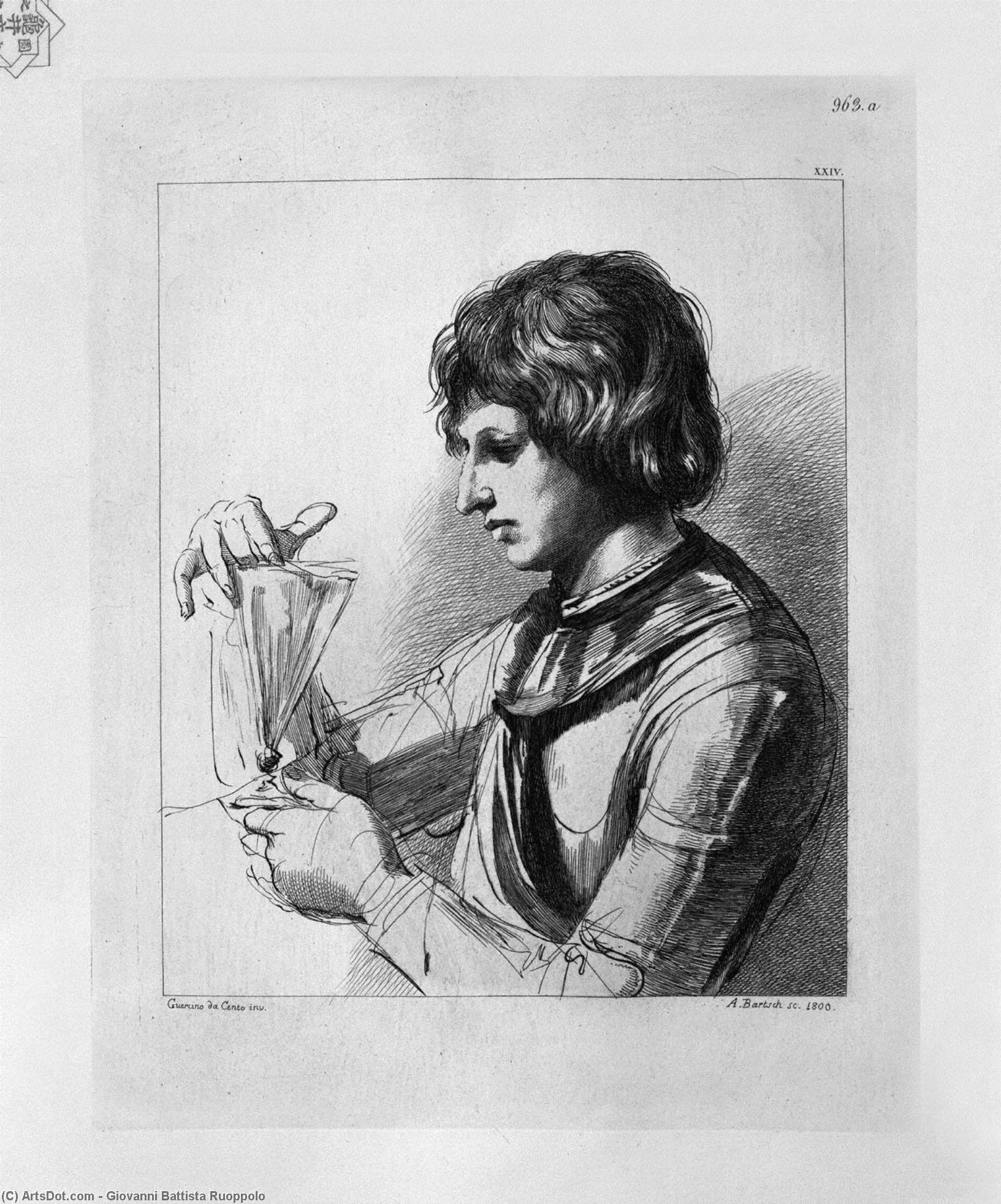
統計情報Still-Life with Fruit and Dead Birds in a Landscape
 Oil On Canvas
- WallArt
- Baroque
 75.0 x 37.0 cm
 ボストン美術館
 詳細を見る
詳細を見る
オンラインプレビューをはるかに凌ぐ、高解像度で鮮明なデジタル画像をご購入いただけます。
各ファイルは、社内の専門家が高度なツールと熟練した手作業によるレタッチを用いて、細心の注意を払って準備されています。すべての画像において、卓越した鮮明度、正確な色彩再現性、そして繊細なディテールを保証いたします。
最終ファイルは、プロフェッショナルな編集・印刷環境ですぐにご利用いただけるよう最適化された状態で、72時間以内にメールにてお届けいたします。これは、一流のデザインスタジオ、出版社、ギャラリーから信頼されているものと同等の品質です。
デジタルアート
個人での鑑賞、印刷、クリエイティブなプロジェクト用に、高解像度ファイルをダウンロードできます。 ( プリント版に切り替え 手描きの絵画を購入)
デジタル画像のご注文に付随する特典
高品質なデジタル画像配信を、確かな品質で。
ArtsDot.com を選ぶことは、単に画像を手に入れることではありません。それは、プロの手によって精密に仕上げられ、満足保証が付いた高品質なデジタルアートワークを受け取ることを意味します。ご注文いただいた際に自動的に付随する内容は、以下の通りです:

メールですぐにお届け
ご注文から72時間以内に、高解像度のデジタル画像ファイルがメールでお手元に届きます。すぐにそのままご利用いただけます。

AI技術で最適化されたデジタルファイル
お客様の作品は、高度なAIツールと専門家による手作業の編集を組み合わせてプロフェッショナルに最適化されており、細部のディテール、鮮明さ、そして正確な色再現性を最大限に引き出しています。

一生涯無料の再送サービス
ファイルを誤って削除したり、紛失してしまったりしましたか?ご安心ください。いつでも無料で再送いたします。

輸入手数料は一切かかりません
関税や手数料、配送料を気にすることなく、お気に入りのアートワークをすぐにお楽しみいただけます。デジタルダウンロードは常に免税です。

色彩再現の保証
プロ仕様のツールとカラーマネジメント技術を用いることで、デジタル画像が元の色を最大限に忠実に再現することを保証いたします。

100日間満足保証
ご購入いただいたデジタル画像にご満足いただけない場合は、100日以内であれば、理由を問わず修正または100%の返金対応をさせていただきます。

100% 返金保証
ご満足いただけない場合は、デジタルファイルを受け取ってから100日以内であれば、理由を問わず全額返金いたします。

まとめ買い割引
3枚購入で10%OFF - 5枚購入で15%OFF - 10枚以上購入で20%OFF。クリエイティブなプロジェクト、ギャラリー、エージェンシーに最適です。
Giovanni Battista Ruoppolo’s Still-Life with Fruit and Dead Birds – A Study in Neapolitan Baroque
The painting “Still-Life with Fruit and Dead Birds in a Landscape” by Giovanni Battista Ruoppolo, circa 1660-1670, offers a poignant glimpse into the artistic sensibilities of 17th-century Naples. More than merely a depiction of perishable goods, it’s a carefully constructed meditation on mortality, beauty, and the transient nature of existence – hallmarks of the Neapolitan Baroque style that Ruoppolo so masterfully embodied. Born in Naples during a period of intense cultural flourishing, Ruoppolo was deeply influenced by his training under Paolo Porpora, a pivotal figure who championed a meticulous realism, prioritizing the faithful rendering of tangible objects with an almost obsessive attention to detail. This dedication to naturalism is immediately apparent in this work, where each fruit, feather, and fragment of foliage possesses a startlingly lifelike quality.A Symphony of Detail: Technique and Materials
Ruoppolo’s technique is characterized by a remarkable command of hatching and cross-hatching – a method of building tone through layers of closely spaced parallel lines. This painstaking process creates an astonishingly rich surface, imbuing the still life with a palpable sense of texture. The smooth curves of the peaches and plums contrast sharply with the rougher surfaces of the dried fruit and the delicate plumage of the birds. Graphite, applied with deliberate precision, defines the contours of each element, while subtle variations in shading suggest volume and depth. The choice of paper – likely a fine quality vellum – further contributes to the artwork’s luxurious feel. The artist's use of light is particularly noteworthy; it originates from an unseen source above and slightly to the left, casting dramatic shadows that accentuate the forms and create a sense of three-dimensionality within the otherwise flat composition.Symbolism and Mortality – A Darker Reflection
The inclusion of dead birds is not simply a decorative element; it’s a potent symbol of mortality and decay—a recurring motif in Baroque art, often linked to the transience of earthly pleasures. The birds, rendered with exquisite detail despite their lifeless state, serve as a stark reminder of the inevitability of death. The arrangement of the fruit itself carries symbolic weight. Plums, known for their association with mourning, are juxtaposed with the vibrant peaches and grapes, creating a visual tension between life and death, abundance and scarcity. The landscape glimpsed in the background—a hazy, undefined vista—further emphasizes this theme of impermanence, suggesting that even nature itself is subject to decay.The Neapolitan Baroque: A Legacy of Realism
Ruoppolo’s work stands as a significant example of the Neapolitan Baroque style, which distinguished itself through its commitment to realism and its embrace of dramatic lighting and rich color palettes (though this particular piece is monochromatic). Influenced by artists like Caravaggio, who championed the use of tenebrism—a stark contrast between light and dark—Ruoppolo skillfully employed shadow to heighten the drama and focus attention on key elements within the composition. His work reflects a broader artistic trend in Naples during the 17th century, where artists sought to capture the beauty and complexity of the natural world with unprecedented accuracy and emotional intensity. The influence of Giuseppe Recco, another prominent Neapolitan still-life painter, is also evident in Ruoppolo’s meticulous rendering of textures and his penchant for dramatic arrangements.A Timeless Meditation – Reproduction and Beyond
Reproductions of “Still-Life with Fruit and Dead Birds in a Landscape” offer an exceptional opportunity to experience the artistry and emotional depth of this remarkable work. Whether displayed as a centerpiece in a formal dining room or incorporated into a more intimate setting, its evocative imagery continues to resonate with viewers today. The painting’s quiet contemplation invites reflection on themes of mortality, beauty, and the fleeting nature of time—a timeless message rendered with exquisite skill and profound sensitivity by Giovanni Battista Ruoppolo.関連作品
作家の略歴
A Neapolitan Luminary: The Life and Art of Giovanni Battista Ruoppolo
Giovanni Battista Ruoppolo emerged from the vibrant artistic milieu of 17th-century Naples, a city brimming with dramatic energy and a burgeoning Baroque sensibility. Born in 1629, his career unfolded during a period where realism was not merely sought but celebrated—a direct response to the theatrical grandeur that swept across Europe. Ruoppolo wasn’t simply *in* this world; he helped define it, becoming a pivotal figure in establishing Naples as a significant center for still life painting. His journey began under the tutelage of Paolo Porpora, a leading master of naturalistic detail, whose studio served as a crucible for a distinctive Neapolitan style. Alongside Ruoppolo, other talented artists like Giuseppe Recco and his brother, Giuseppe Ruoppolo, honed their skills within Porpora’s workshop, forming a formidable school dedicated to the meticulous rendering of the tangible world. This early training instilled in Ruoppolo not just technical proficiency but also an appreciation for the subtle nuances of light, texture, and form—elements that would become hallmarks of his mature work.The Allure of the Everyday: Ruoppolo’s Artistic Development
Ruoppolo specialized almost exclusively in still life paintings, a genre often underestimated yet demanding immense skill. He didn't merely *depict* fruit, flowers, vegetables, or even the occasional animal; he elevated them to subjects worthy of profound artistic attention. His canvases are characterized by an astonishing level of detail—each peach fuzz, each dewdrop on a leaf rendered with painstaking accuracy. But Ruoppolo’s artistry extended beyond mere imitation. He possessed a masterful command of color, employing rich, vibrant hues that brought his compositions to life. Perhaps most importantly, he understood the power of chiaroscuro, the dramatic interplay between light and shadow—a technique deeply influenced by Caravaggio, whose impact resonated throughout Italian art during this period. This use of light wasn’t simply aesthetic; it imbued his still lifes with a sense of drama, depth, and almost tangible presence. He arranged his subjects in dynamic groupings, creating visually compelling scenes that celebrated the abundance of nature while hinting at its fleeting beauty. The luxurious textures he achieved—the smooth skin of a plum, the delicate petals of a rose—testify to his exceptional technical prowess.Echoes and Innovations: Influences and Contemporaries
While Paolo Porpora provided the foundational training, the shadow of Caravaggio looms large over Ruoppolo’s work. The dramatic lighting and intense realism are clear echoes of the master's influence. However, Ruoppolo wasn’t simply a follower; he synthesized these influences with his own unique sensibility. He worked alongside contemporaries like Salvatore Rosa, though their artistic paths diverged significantly—Rosa being renowned for his landscapes and battle scenes. Other artists who shaped or were shaped by Ruoppolo’s style include Andrea Belvedere and Giacomo Nani. A recurring challenge in attributing works from this period stems from the similarity in initials between Ruoppolo and Giuseppe Recco, leading to occasional misattributions and highlighting the complexities of cataloging their respective oeuvres. This underscores the importance of careful scholarship and a nuanced understanding of each artist’s individual style.A Legacy in Stillness: Major Works and Historical Significance
Ruoppolo's body of work is primarily comprised of still life paintings, each a testament to his skill and artistic vision. “Fruit Still-Life,” housed in Dresden, stands as a prime example of his masterful chiaroscuro and meticulous attention to detail. "Still-Life with Watermelons, Plums, Cherries, a Basket of Figs, Pears and a Monkey" showcases his ability to integrate animals into these compositions, adding another layer of complexity and visual interest. His paintings frequently explore themes of abundance—the overflowing cornucopia of nature’s gifts—but also hint at the transience of beauty, reminding viewers of the ephemeral nature of life itself. He wasn't merely painting objects; he was contemplating existence. Giovanni Battista Ruoppolo played a vital role in solidifying Naples’ reputation as a prominent center for still life painting during the Baroque period. His meticulous technique and dramatic use of light influenced subsequent generations of Italian artists, contributing to the development of a distinctly Neapolitan style within the broader context of European art. While perhaps not as widely celebrated today as some of his contemporaries, Ruoppolo's work remains highly valued for its artistic merit and historical importance, offering invaluable insights into 17th-century Italian culture and aesthetics. His paintings are not just beautiful objects; they are windows into a world—a world meticulously observed, lovingly rendered, and imbued with a profound sense of beauty and contemplation.
Giovanni Battista Ruoppolo
1629 - 1693 , Italy
プロフィール概要
- Artistic Movement Or Style: Baroque, Still Life
- Artists Or Movements Influenced By This Artist: ['Later still life painters']
- Artists Who Influenced This Artist:
- Paolo Porpora
- Caravaggio
- Date Of Birth: 1629
- Date Of Death: 1693
- Full Name: Giovanni Battista Ruoppolo
- Nationality: Italian
- Notable Artworks:
- Fruit Still-Life
- Watermelons & Monkey
- Flowers & Vegetables
- Place Of Birth: Naples, Italy